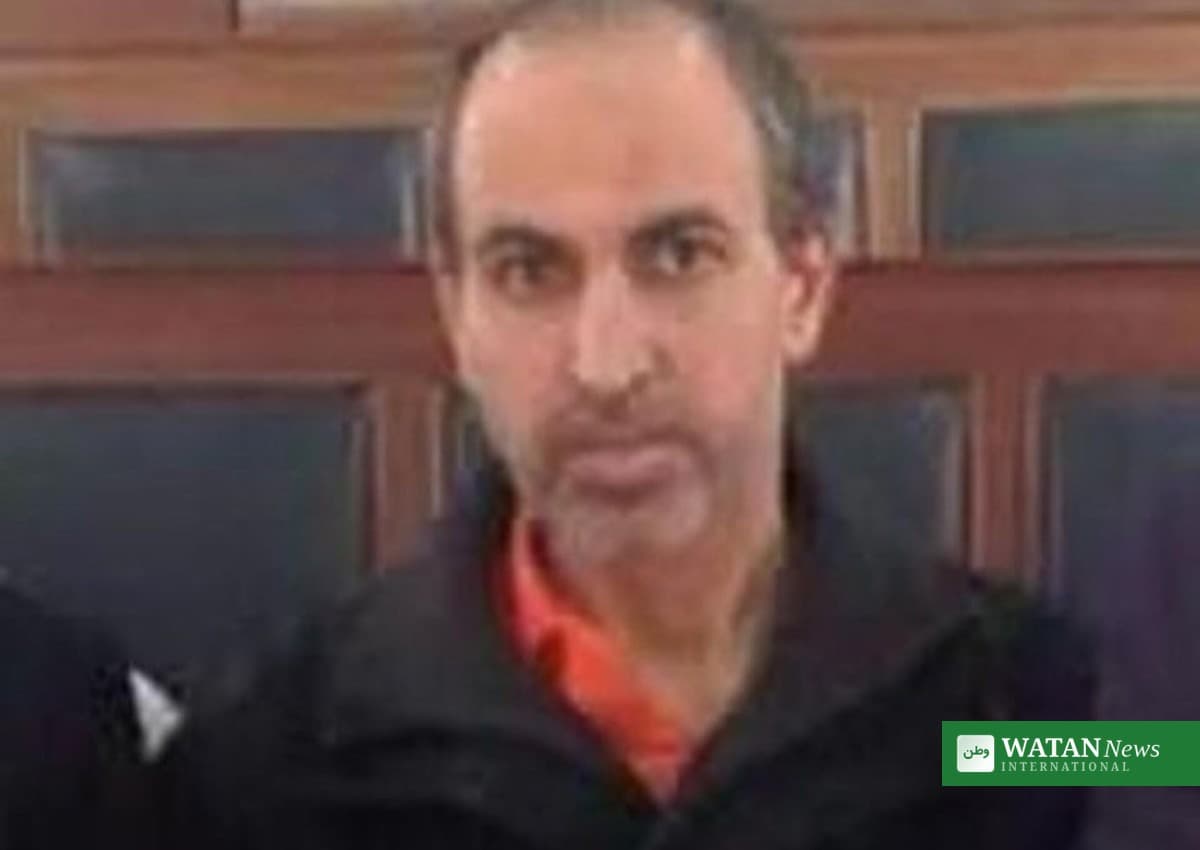
Former Iraqi lawmaker Ahmed al-Alwani was found dead in an apartment in Beirut after being missing for four days, Lebanese and Iraqi officials said on Tuesday, in a killing that has prompted a murder investigation and diplomatic coordination between the two countries.
Al-Alwani, a Sunni tribal and political figure from Iraq’s western Anbar province, had arrived in the Lebanese capital on November 5 and had lost contact with his family. His body was discovered on Monday night, November 9, in an apartment in the Tariq al-Jadideh district of central Beirut, according to Lebanese security and judicial officials.
FAKTA
- Who: Ahmed al-Alwani, a former Iraqi member of parliament from Anbar province.
- What: He was found dead in an apartment in Beirut’s Tariq al-Jadideh district after four days missing.
- When: His body was discovered on Monday night, November 9, 2026. He had arrived in Beirut on November 5.
- How: Lebanese officials said he had suffered a head injury before being strangled.
- Investigation: Lebanon’s public prosecutor, Judge Ahmad Rami al-Haj, is overseeing the inquiry. Three people are suspected of involvement, and one has been arrested, according to Lebanese media reports.
- Motive: The motive for the killing is not known.
Ahmed al-Alwani Found Dead After Four Days Missing
Lebanese security forces entered the apartment on Monday night and found al-Alwani dead, officials said. He had been hit on the head and then strangled, according to Lebanese security and judicial officials. A Lebanese security source told Al Arabiya that he had been strangled.
Al-Alwani had reserved a room at a hotel in Beirut’s commercial Hamra district, officials said. His phones had been switched off, and contact with him had been lost, including by his personal escorts. His family alerted the Iraqi Embassy in Beirut, which reported him missing.
Iraq’s state news agency INA confirmed that the body had been found. Iraqi authorities contacted al-Alwani’s family for DNA samples to confirm the identification. The Iraqi Embassy in Beirut said on November 10 that an examination had not conclusively established the body’s identity because of its condition and that a DNA test was required. Shafaq News later quoted a Foreign Ministry source as saying the embassy had identified the body following examinations and standard identification procedures.
Neighbours had reported an unusual smell coming from a 12th-floor apartment in a residential building in Beirut, according to Shafaq News. Lebanese security authorities launched an investigation into the cause and circumstances of his death, in coordination with the Iraqi Embassy, to complete the necessary legal procedures and arrange the transfer of his body.
For more international developments, see our World news coverage.
Investigation Under Way in Beirut
Lebanese media reported that al-Alwani had been lured to the apartment, and security sources said three people were suspected of involvement, one of whom had been arrested. Iraqi sources told Al Arabiya that four people had visited al-Alwani during his stay in Beirut before his disappearance.
Lebanon’s public prosecutor is following the investigation into the circumstances of the killing and who was responsible, according to Lebanese state media. Lebanese investigators have not announced a confirmed motive or completed their findings.
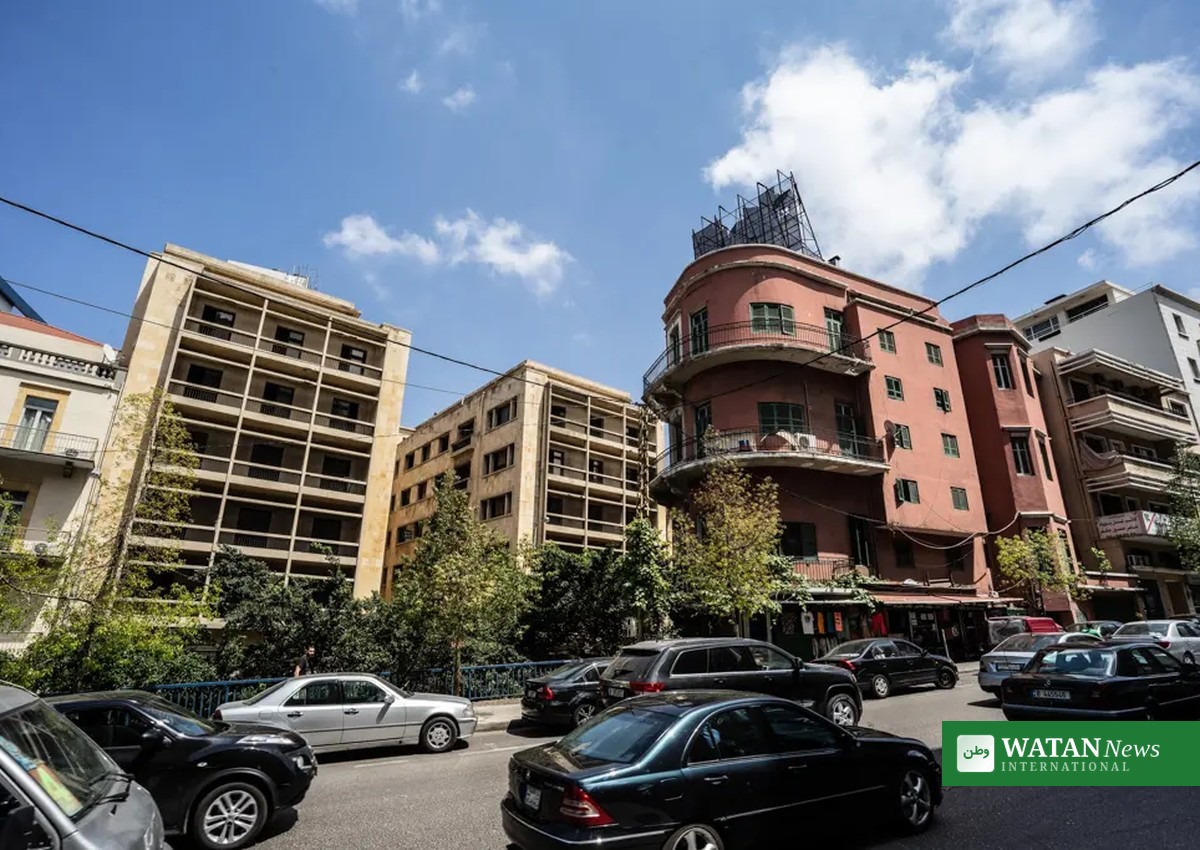
A street with residential apartment buildings in Beirut, Lebanon. (Photo: Watan News)
Who Was Ahmed al-Alwani
Al-Alwani represented Iraq’s western Anbar province in parliament for the Iraqiya List and became a prominent figure in the Sunni-led protests against the government of then-Prime Minister Nouri al-Maliki in 2012 and 2013.
He was arrested in Iraq in December 2013 after being sought on terrorism charges for inciting violence against the Shiite-led government. A raid on his home in Ramadi, the capital of Anbar province, led to a gunfight that killed his brother and a member of the security force. He was released in April 2025 after about a decade in detention.
The Inter-Parliamentary Union had campaigned for his release, describing his case as a long-running concern over parliamentary immunity and fair trial rights. He had been freed only last year, and his death in Beirut comes months after his return to public life.