A decade begins at COP31
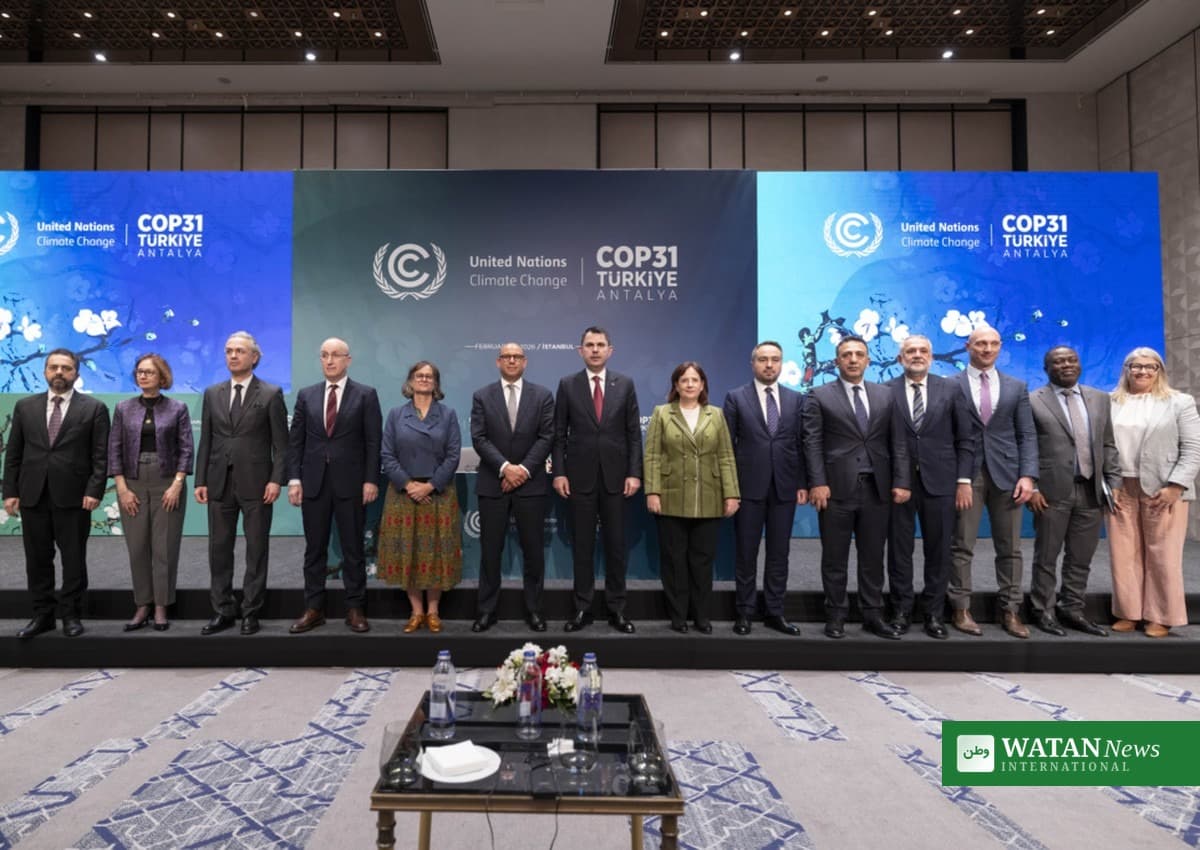
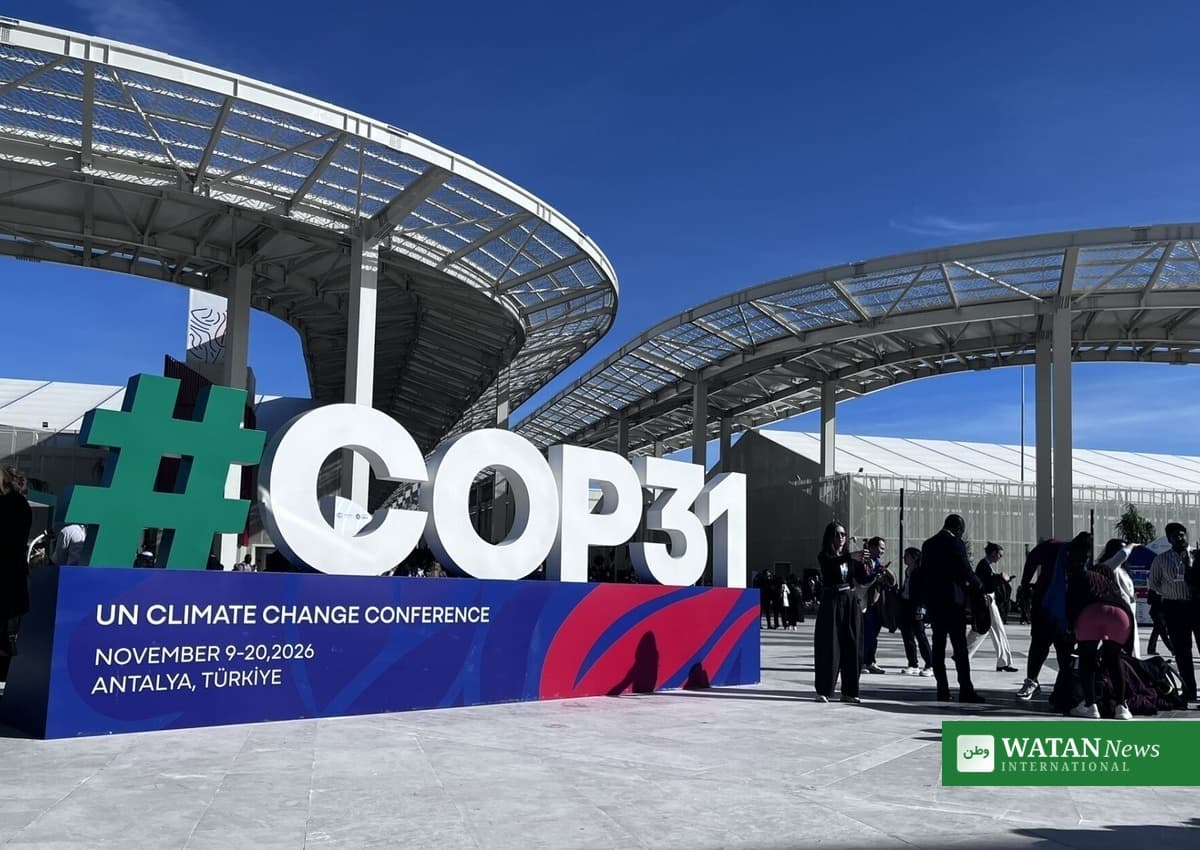
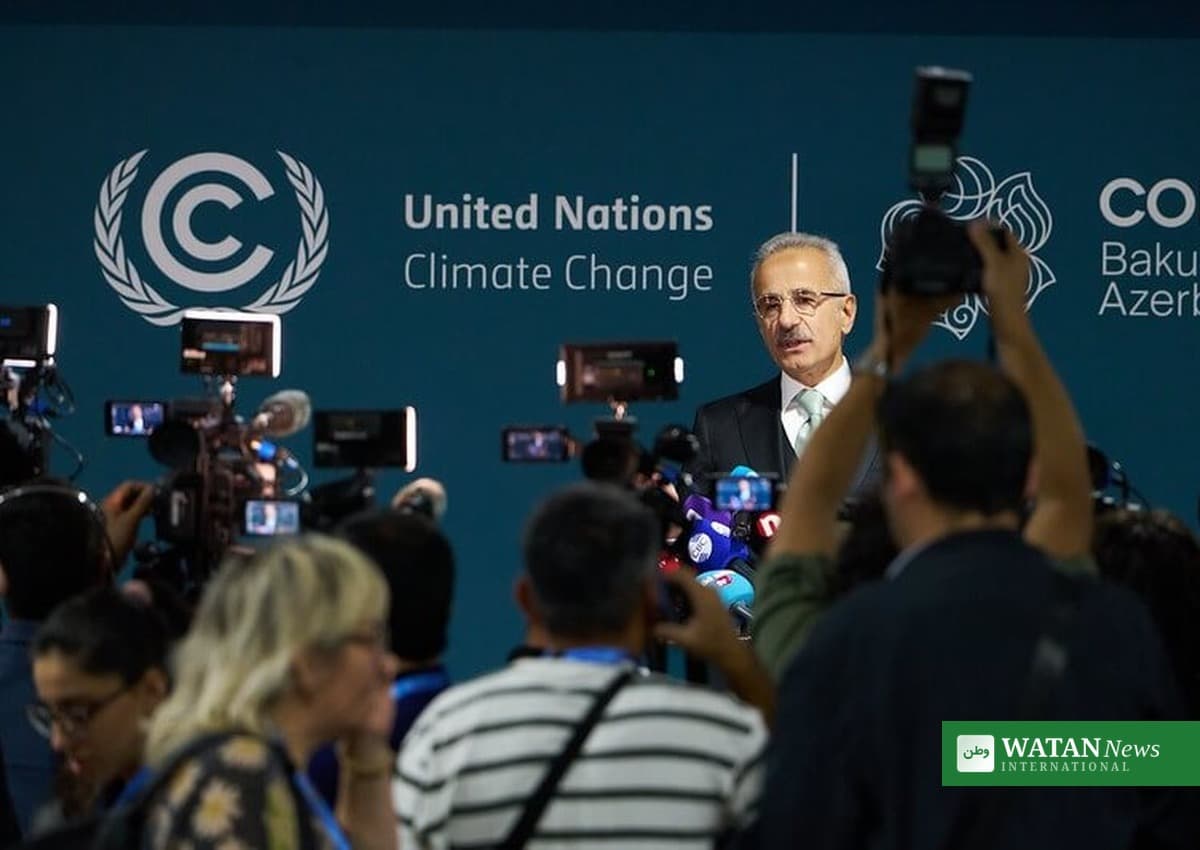
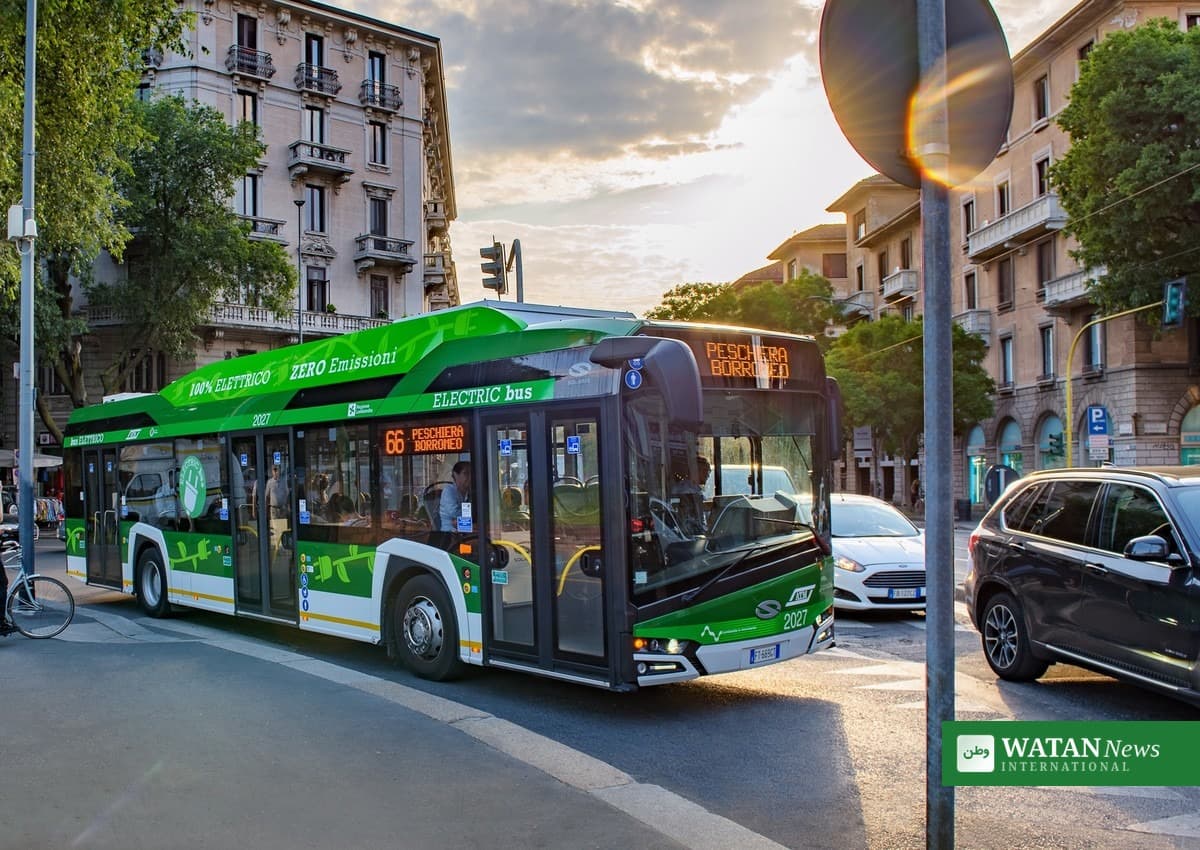
COP31 in Antalya is hosting the first major climate moment of the United Nations Decade of Sustainable Transport. On Wednesday morning, 11 November, the SDG Pavilion stages a dedicated sustainable transport morning, opening with a 9:00 session on the UN Decade of Sustainable Transport 2026–2035 and climate action — the first year of a decade the UN General Assembly declared in 2023 through resolution 78/148.
The session brings together the United Nations Department of Economic and Social Affairs, the UN regional commissions and transport leaders to consider how the Decade can turn global commitments into practical action. Opening remarks come from Navid Hanif, Assistant Secretary-General for Economic Development at UN DESA, with welcome remarks from Tatiana Molcean, Executive Secretary of the UN Economic Commission for Europe. The panel includes the Dominican Republic’s climate council, the Asian Development Bank and the International Civil Aviation Organization.
Two further sessions follow in the same morning: “Driving NDC Action: Closing Institutional, Technical and Financial Gaps in Transport Decarbonization” from 10:10 to 11:00, organised by the UN Economic and Social Commission for Asia and the Pacific and UNECE, and “Avoid & Shift transformations for freight development” from 11:10 to 12:00, examining how national policies and international cooperation can shift freight to cleaner modes.
From ambition to implementation
Transport is one of the largest sources of greenhouse gas emissions, and for decades it was treated mainly as an emissions problem. At COP31, the transport community wants the world to see it as a key enabler of a resilient, prosperous and low-carbon economy. The conference arrives in the first year of the Decade, at the start of the second Global Stocktake cycle, and with a closing window to keep 1.5°C within reach.
SLOCAT, the partnership coordinating the Transport Pavilion in the Blue Zone, is launching two initiatives at COP31: a Global Goal and Targets for Transport, described as a north star for where the global transport system should be heading, and a multi-stakeholder Transport Stocktake to feed into the second Global Stocktake. Both are reinforced by the COP31 Presidency’s 35×35 target, which requires transport demand management and electrification to lift the electrification rate to 35 per cent by 2035.
The Transport Pavilion returns for a second time after COP30 in Belém, where it hosted 34 panels, 48 partners and more than 2,000 participants. At COP31 it runs throughout both weeks with panels, exhibition booths, a micro-session amphitheatre, project clinics and a live demonstration zone.
Rail, walking and cycling take the stage
Rail is one of the day’s central themes. Alstom, which is championing rail’s contribution to a low-carbon future at COP31, reports that emissions intensity for its newly delivered passenger trains has fallen to a record low of 3.7 grammes of CO₂ per passenger-kilometre, that it now uses 100 per cent renewable electricity across its sites and offices worldwide — avoiding more than 100,000 tonnes of CO₂ in 2025 — and that 70 per cent of its sales align with the EU Taxonomy. Its COP31 agenda on 11 November includes the UN Decade session at 9:00, a session on leveraging carbon markets to accelerate rail and public transport at 12:00 in the SLOCAT Transport Pavilion, and a session on scaling low-carbon and resilient mobility at 17:45 in the Mediterranean Pavilion.
Walking and cycling are also on the agenda. The Partnership for Active Travel and Health (PATH) notes that more than a third of UNFCCC countries already include walking and cycling in their Nationally Determined Contributions, and that walking and cycling can help cut transport emissions in half by 2030. PATH held an official COP31 side event on unlocking the potential of walking and cycling on 9 November, and on 10 November it hosted “Making Active Travel Count” at the Transport Pavilion, alongside the launch of a Walkability App dashboard with Walk21.
How Antalya itself is moving
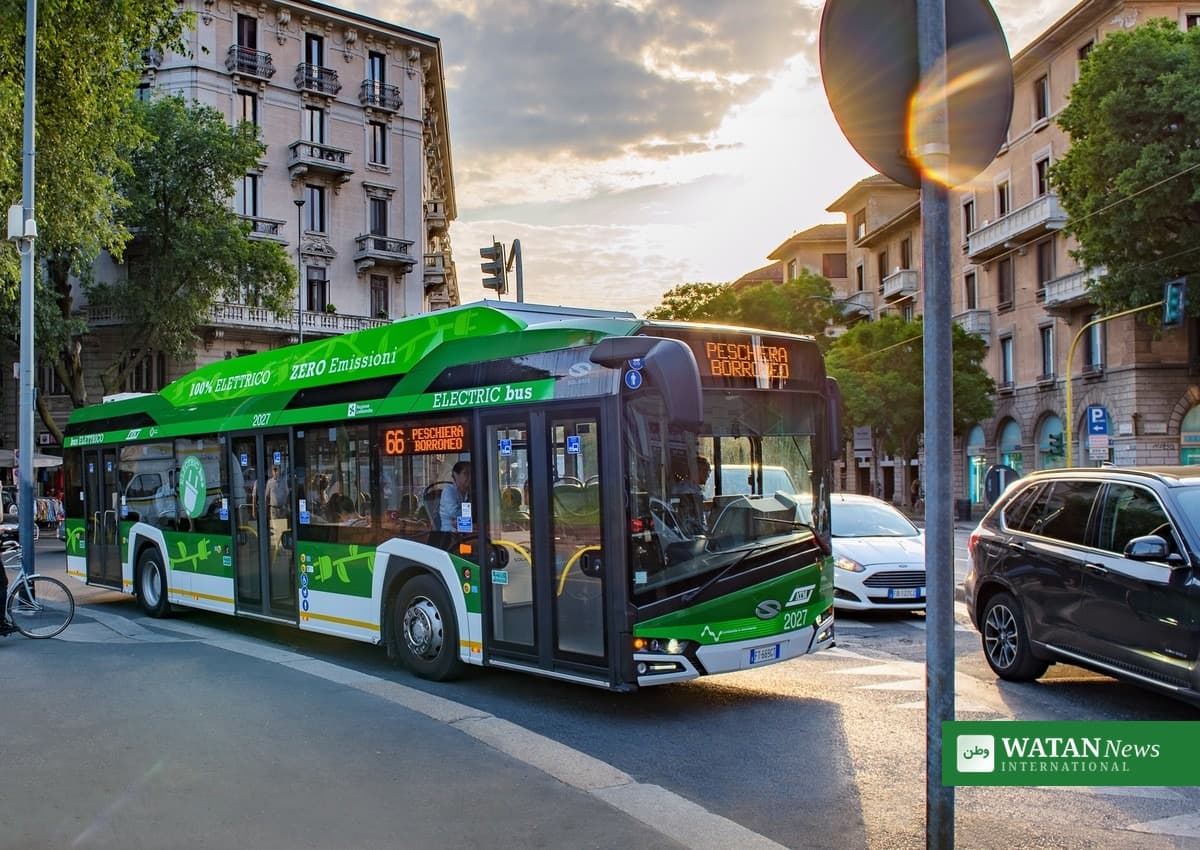
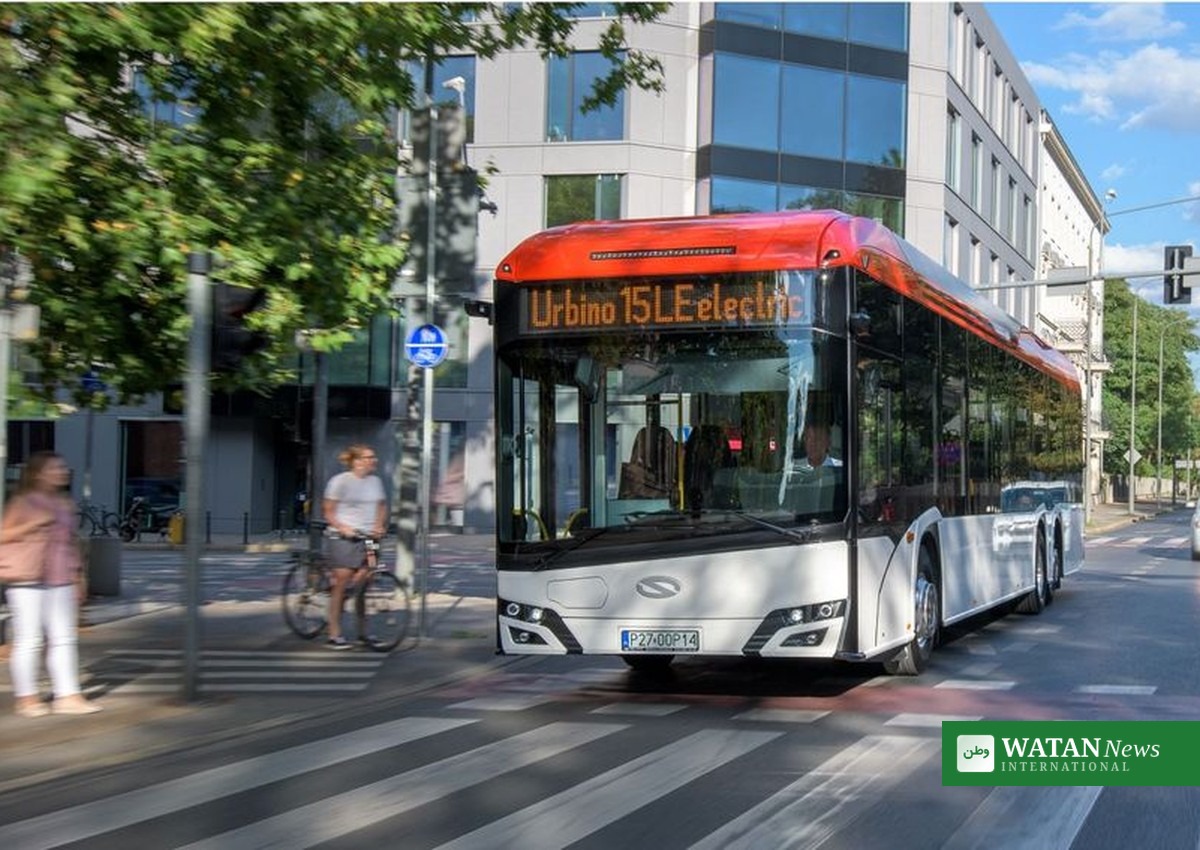
The host city is demonstrating the shift in practice. Under a transport plan coordinated by Türkiye’s Ministry of Environment, Urbanization and Climate Change, 630 eco-friendly buses from 25 municipalities — including 71 electric buses and 233 natural-gas buses — are carrying participants between hotels, the airport, the bus terminal, the city centre and the conference venue. More than 550 vehicles, the majority electric and hybrid, provide free public transport on seven main routes, and a light rail line between the city centre, the airport and the COP31 venue is free for participants. More than 150,000 participants a day are expected across the Blue Zone and the Green Zone.
Watan News reported on the plan in detail in its COP31 green travel preview. The previous day, 10 November, was COP31’s Energy and Transport thematic day, when ministers gathered to launch the Global Green Freight Corridors Initiative — covered in our Transport Day report.
Shipping is part of the picture too. On 9 November, Höegh Autoliners and BYD signed an agreement at the China Pavilion to install BYD battery technology aboard Aurora No. 12, a car carrier combining batteries, ammonia fuel, a shaft generator and solar panels. The vessel, due for delivery in May 2028, is expected to cut greenhouse gas emissions by about 1,000 tonnes of CO₂ equivalent a year.
FAKTA
- UN Decade of Sustainable Transport: 2026–2035, declared by UN General Assembly resolution 78/148 in 2023 — the first such decade.
- SDG Pavilion morning, 11 Nov: 9:00 UN Decade session; 10:10 NDC action session; 11:10 Avoid & Shift freight session.
- Presidency target: electrification rate to 35% by 2035 (35×35), requiring transport demand management and electrification.
- Walking and cycling: in the NDCs of more than a third of UNFCCC countries; can help halve transport emissions by 2030 (PATH).
- Rail: new Alstom passenger trains at a record-low 3.7 gCO₂ per passenger-km.
- Antalya logistics: 630 eco-friendly buses (71 electric, 233 natural gas); 550+ vehicles, mostly electric and hybrid; free public transport and light rail.