Canadian households that install an eligible cold-climate heat pump from 1 November 2026 may qualify for a retroactive rebate under Canada’s National Heat Pump Rebate, even though the programme’s online application portal will not open until early 2027. The Government of Canada confirmed the start of the retroactivity period on its official campaign page, giving homeowners a clear window to act during the heating season.
The rebate is part of a 2 billion dollar federal investment, announced on 8 October 2026, to support up to one million home retrofits over eight years, including heat pump support for up to 820,000 households. No rebate money will be paid until the programme launches and applications are received and approved, so households planning an installation need to keep careful records from day one.
What changed on 1 November
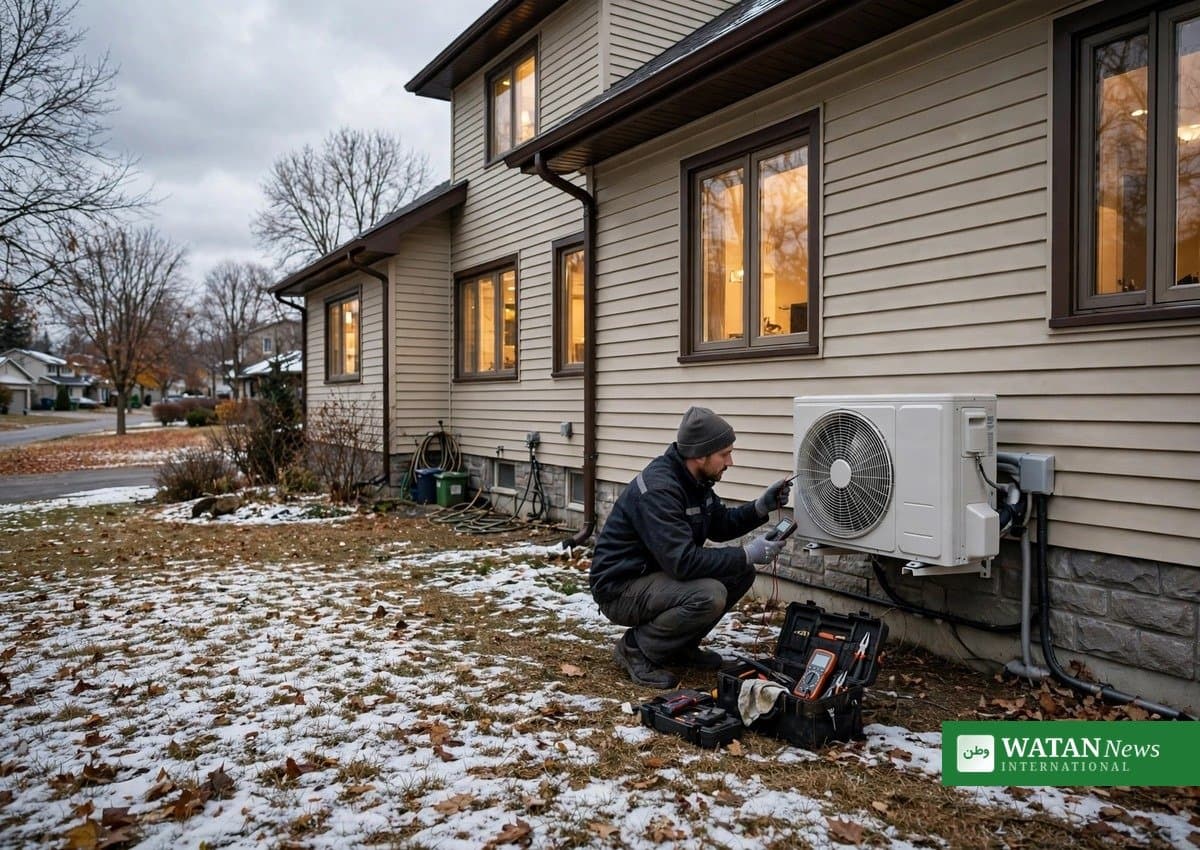
As of 1 November 2026, a Canadian household that meets the eligibility criteria and installs an eligible heat pump may be eligible for a retroactive rebate by applying once the programme opens in early 2027. Both emergency and planned installations are accepted, and homeowners do not need to remove an existing system or show that it has broken down.
The programme is expected to launch in early 2027 and close in March 2034. Environment and Climate Change Canada says programme parameters and eligibility criteria are still being finalised and remain subject to change, and that eligibility will be assessed under the criteria in effect on the date the heat pump was installed.
Canada heat pump rebate amounts
Under the rebate, households can receive 2,000 dollars, or up to 10,000 dollars for low- to median-income households. The higher amount depends on household after-tax income measured against the median for the household’s province or territory and household size.
Only one rebate is available per household, even for owners of more than one property, and no energy audit is required before or after installation. The heat pump must be on the eligible product list, identified by its AHRI number, and must have been purchased from and installed by a heating, ventilation and air conditioning contractor. Homeowners must submit receipts within six months, showing the applicant’s name and address, the installing company, the make, model and AHRI number of the equipment, the number of heat pumps installed and the total installation cost.
The wider federal retrofit plan also targets apartment and multi-unit buildings, with support for retrofits in 280,000 units over eight years through housing and infrastructure channels, according to the federal announcement.
Why heat pumps matter for sustainable living
A heat pump does not generate heat like a furnace. It moves heat, like a refrigerator in reverse, to warm a home in winter and cool it in summer, using electricity more efficiently than many conventional systems. That is why the technology sits at the centre of sustainable living at home: the same system cuts energy waste, lowers emissions and provides year-round comfort.
About one million home heating systems are replaced in Canada each year, and nearly 80 percent of those replacements result from unexpected system failures, according to Environment and Climate Change Canada. When a furnace fails in winter, households must decide quickly, and the new retroactivity window means a rushed winter replacement need not lose its rebate eligibility.
The federal government estimates that a heat pump will save an average of 1,400 dollars a year for households now heating with oil or electric baseboards, though actual savings vary by home, fuel, region and energy prices. For households heating with natural gas, the government itself cautions that switching may not decrease heating bills, depending on the region, the system selected and other factors.
What to check before installing
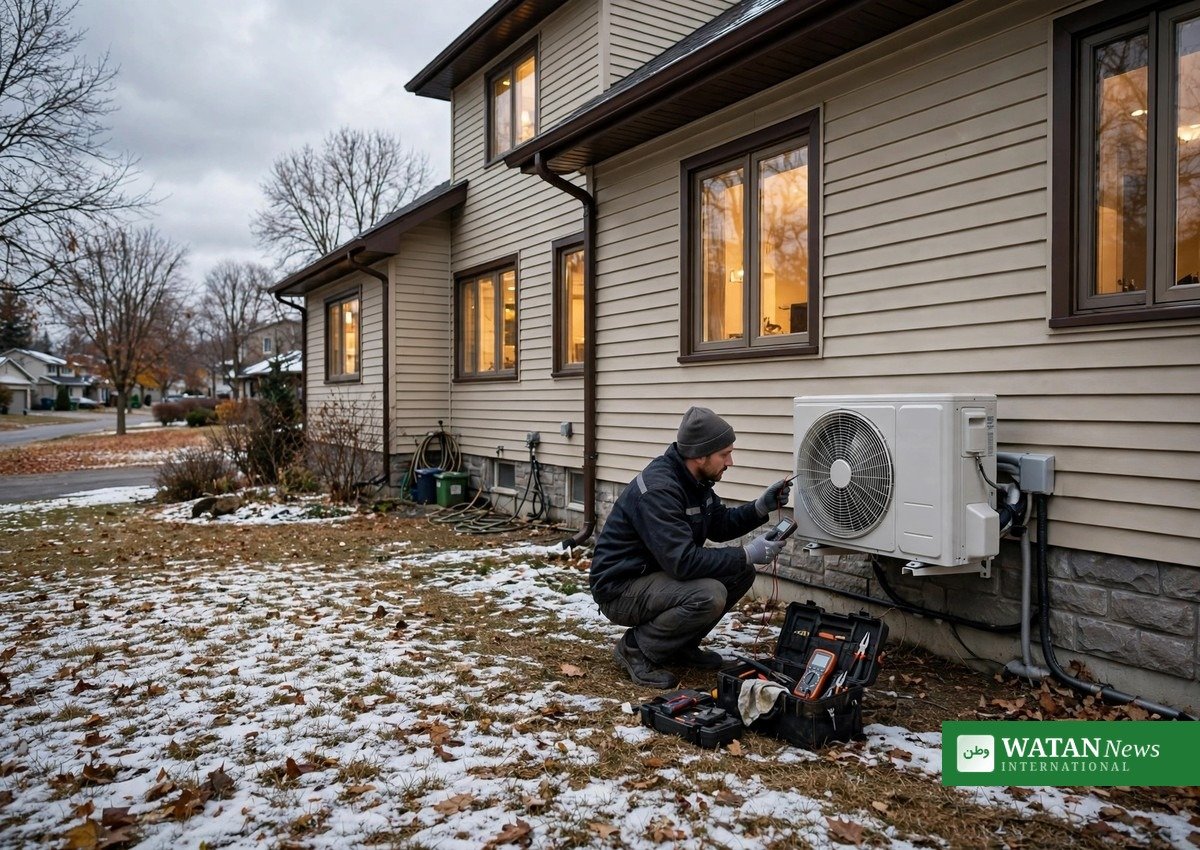
Homeowners installing during the retroactivity period are encouraged to confirm with their contractor that the system is appropriately sized to heat the whole home and that it appears on the eligible product list. Keeping the full contractor receipt is essential, because incomplete documentation can delay or block an application.
Environment and Climate Change Canada also warns households to guard against scams. The department says it never goes door to door to inspect, sell or rent heating and cooling equipment, and that marketing calls are not being made on its behalf. Households should initiate contact with qualified contractors themselves, and can check provincial, territorial or utility lists of vetted installers.
Key facts
- Retroactivity period starts: 1 November 2026; application portal opens in early 2027.
- Federal investment: 2 billion dollars over eight years, supporting up to one million home retrofits.
- Heat pump rebate: 2,000 dollars, or up to 10,000 dollars for low- to median-income households, for up to 820,000 households.
- No energy audit required; one rebate per household; receipts due within six months.
- Programme closes in March 2034; funding is not guaranteed until an application is approved.
A practical step towards lower-carbon homes
For households already facing a heating replacement, the November window turns an urgent repair into a planned climate step: choose an eligible system, use a qualified contractor and keep the paperwork. Read more climate news from Watan News International.