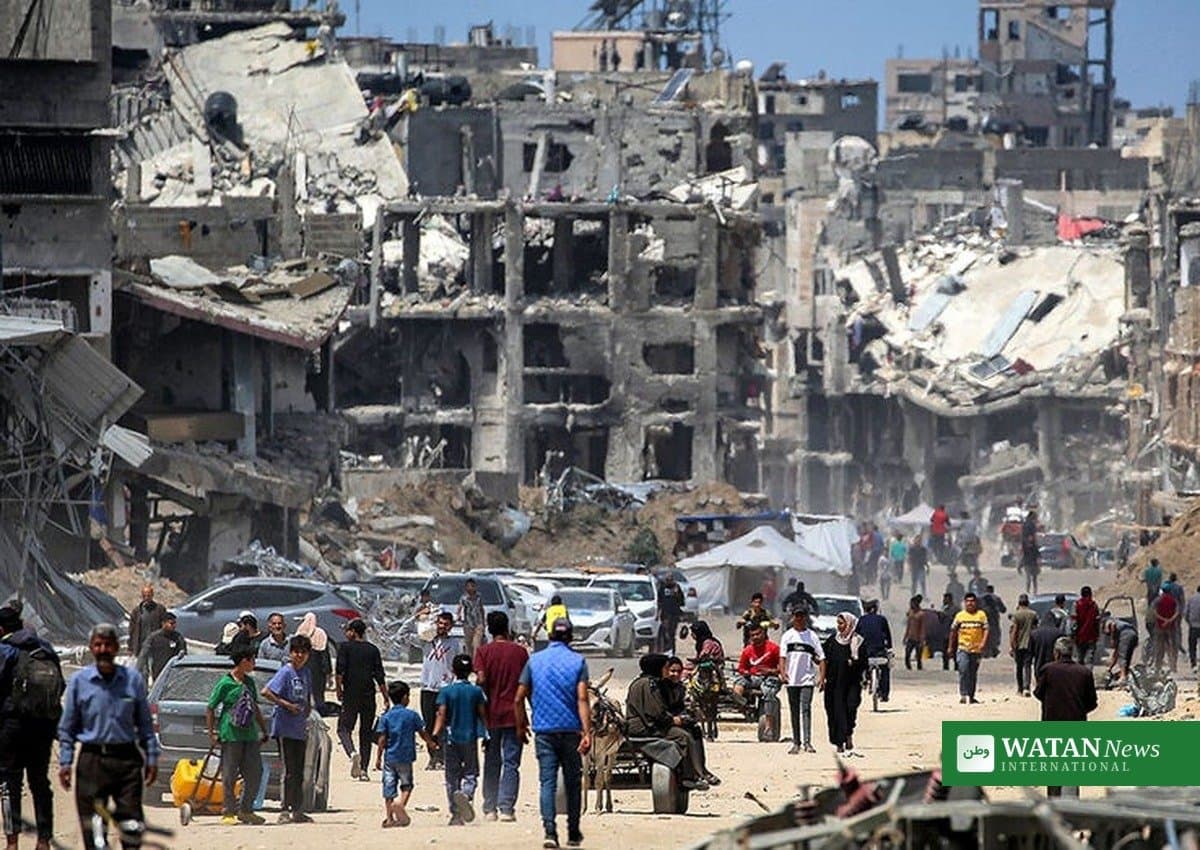
Israeli forces have withdrawn from Hebron in the occupied West Bank after a 10-day operation, allowing displaced Palestinian families to return to their homes. The Hebron Israeli forces withdraw was announced by the city’s governor on Monday, 2 November, bringing an end to a siege that closed schools, shops and roads across the city.
FAKTA
- Israeli forces withdrew from Hebron on Monday, 2 November, after a 10-day operation, Governor Khaled Dudin announced.
- Palestinian security forces have taken full control of the area, according to the governor.
- The siege began on 23 October, after a shooting attack by two Palestinians killed two Israeli soldiers and wounded three others; both attackers were later killed.
- The United Nations says more than 3,000 people were displaced; the Hebron Governorate puts the figure at more than 3,300 people affected, including over 537 families.
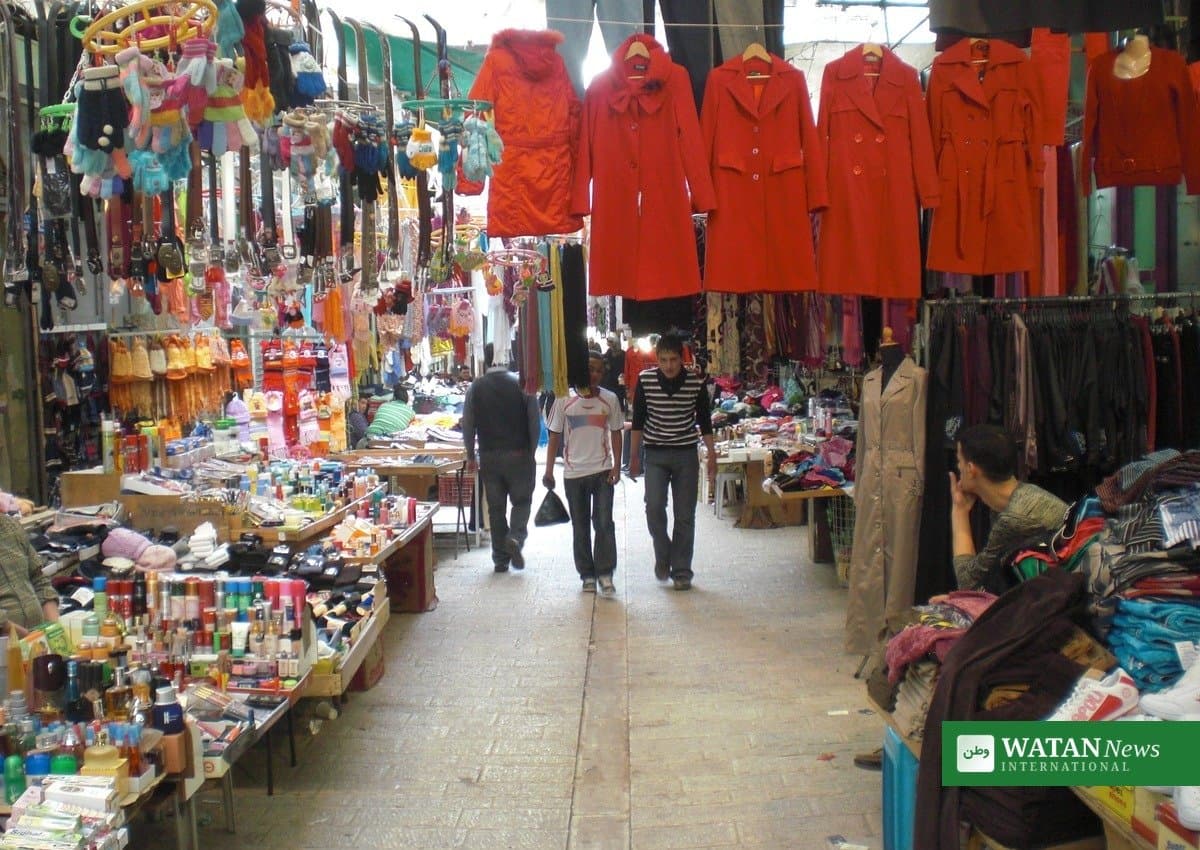
- At least 317 shops were forced to close and 15 homes and other structures were demolished, according to the Hebron Governorate.
- Schools and five universities that closed during the siege reopened on Monday, Hebron’s mayor said.
Hebron Israeli Forces Withdraw as Residents Return Home
Governor Khaled Dudin said Palestinian security forces had taken full control of the area following the withdrawal. “Relevant authorities and Palestinian security forces are monitoring developments on the ground and working to provide the necessary conditions for residents to return safely,” he said.
Hebron Mayor Youssef al-Jaabari told Al Jazeera that the municipality was officially informed of the withdrawal at 6am local time. “For the first time in 10 days, schoolchildren are going to their schools; university students are now on their way to their universities,” he said, adding that five universities had been closed during the siege.
“There was a complete closure, no entry or exit from the city, and all aspects of life, whether economic, educational, health, or even those related to municipal work, had completely stopped,” the mayor said.
Al Jazeera’s correspondent in Hebron reported that vehicles carrying displaced families began arriving minutes after the governor’s announcement. On Monday, a bulldozer cleared rubble and earth barricades, while Palestinian civil defence workers and security forces worked in alleyways strewn with rubble, Reuters reported.
What Residents Found on Their Return
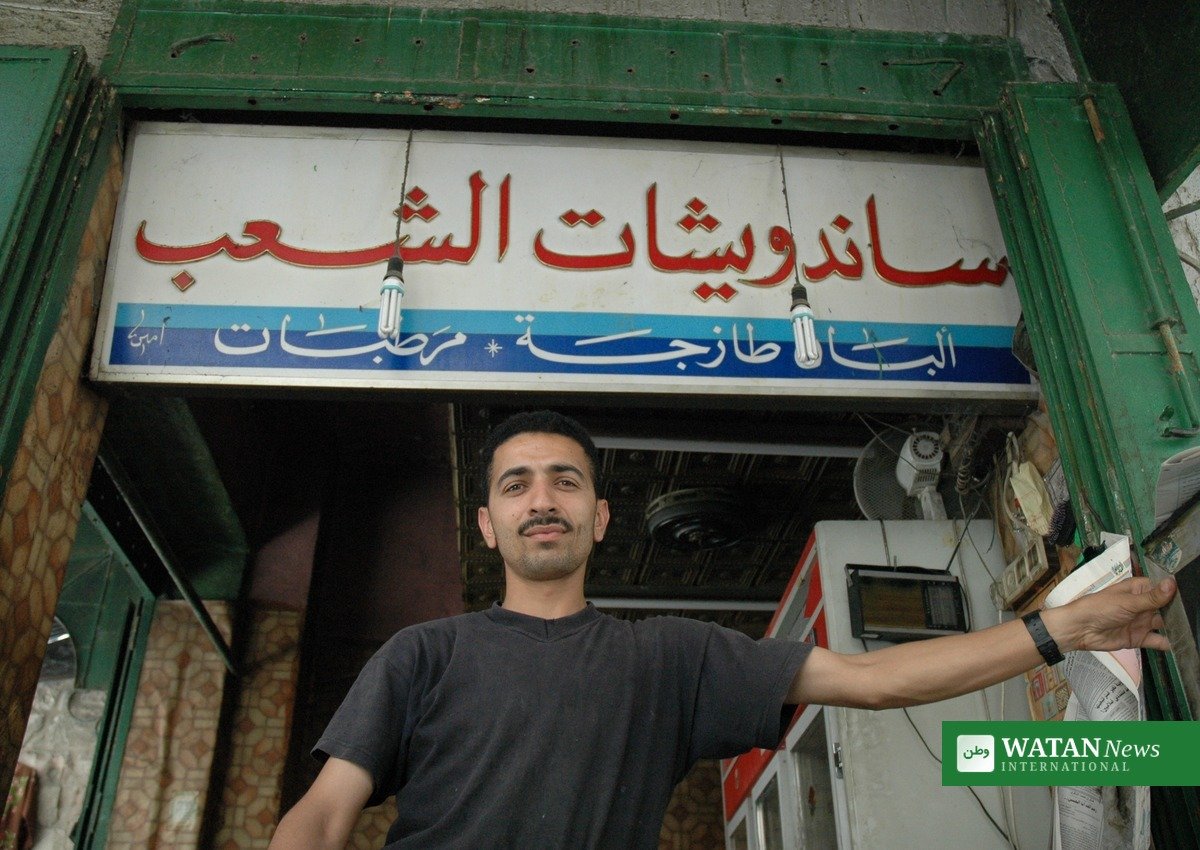
Returning residents described damaged homes and missing belongings. Tamara Obeid told Reuters she cried as she returned home to find broken furniture, with toys and other possessions scattered on the floor. She said Israeli forces raided her home on 23 October, blew up the door and handcuffed her husband before taking him outside.
Other returning residents told Al Jazeera that soldiers had wrecked the interiors of homes used as military posts, while some said money and personal belongings had been taken. The Israeli military, speaking through an unnamed military official, told Reuters that soldiers had “conducted thorough searches of multiple locations, detained and questioned suspects, and located and confiscated four weapons, several vests and additional military equipment.”
The military has also demolished other homes as well as shops, roads and factories in Hebron since the attack, according to local officials, although the scale of the demolitions is unclear, Reuters reported. On Friday, the military said it had demolished the homes of the two attackers.
Why the Siege Began
The Israeli military imposed the siege on Hebron on 23 October, after a shooting attack by two Palestinians killed two Israeli soldiers and wounded three others at a Hebron checkpoint. Israeli forces later killed the two attackers. Israeli Prime Minister Benjamin Netanyahu ordered the operation that followed, Reuters reported.
During the operation, Israeli forces imposed closures on the city and surrounding villages, seizing homes and converting them into military posts, Al Jazeera reported. Checkpoint closures affected the wider Hebron governorate, home to about 800,000 people. The neighbourhoods most affected were Al-Jalda and Ein Deir Baha, according to the Hebron Governorate.
Hebron is an ancient city where hundreds of Jewish settlers live among tens of thousands of Palestinians, Reuters noted. The operation prompted protests last week by Palestinians in the city.
What Happens Next
With the withdrawal complete, local authorities say their priority is making it safe for residents to return and restoring basic services. Civil defence teams have warned that the walls of at least one demolished home are on the verge of collapse, Al Jazeera reported.
The governorate said the siege damaged the local economy and infrastructure and disrupted education across the city. For more on the region, see Watan News’ Middle East coverage.