China fuel exports have been suspended for October to destinations beyond Hong Kong and Macau, pulling barrels from an already tight Asian market. The move pushed Asian gasoline refining margins to a record of more than $50 a barrel over Brent, and is expected to tighten supplies for major buyers including Singapore, Malaysia and Australia.
FAKTA
- Measure: China suspended October oil-product exports beyond Hong Kong and Macau.
- Record margins: Asian gasoline refining margins climbed above $50 a barrel over Brent — a record.
- Singapore: Took 1.772 million metric tons of Chinese gasoline in the first nine months of 2026 — 62% below the full-year 2025 total; light-distillate stocks are at a five-year low.
- Jet fuel: The bulk of China’s exports and mostly goes to exempt Hong Kong; Australia is the second-largest jet buyer after Hong Kong.
- Australia: Holds 42 days of petrol and 29 days of jet, with most diesel sourced from South Korea, Taiwan, Brunei and Malaysia.
- Next review: Beijing is expected to decide on resuming exports after the Golden Week holiday ends on October 7.
Record refining margins across Asia
The suspension quickly rippled through regional markets. Asian gasoline refining margins rose above $50 a barrel over Brent crude on Thursday, while gasoil and jet monthly spreads moved into steeper backwardation and the jet-versus-diesel regrade widened to about $2 a barrel — a premium last seen in mid-July.
Why Singapore is most exposed
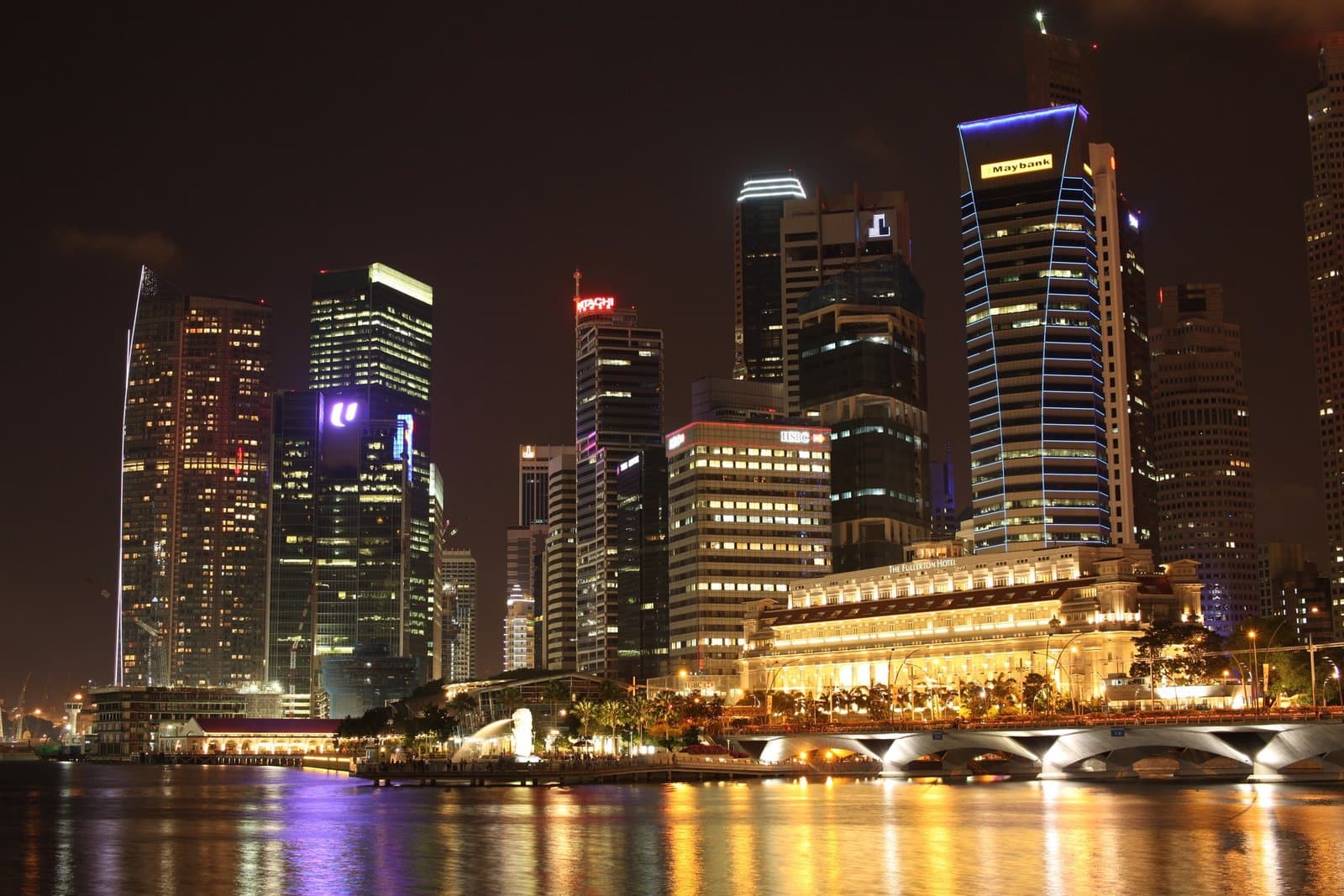
Singapore, the top recipient of Chinese gasoline, took 1.772 million metric tons (14.97 million barrels) in the first nine months of 2026, 62% below the full-year 2025 total. Light-distillate stocks in the hub are at a five-year low. Traders there blend gasoline mainly for re-export, with Indonesia the leading destination, so the squeeze could spread across Southeast Asia.
Who buys what: the regional map
Jet fuel is the bulk of China’s exports and mostly goes to exempt Hong Kong. Beyond Hong Kong, Australia is the second-largest jet buyer this year, ahead of Vietnam, Japan and Malaysia. For diesel, Singapore ranks first after Hong Kong, followed by Australia, Malaysia and Bangladesh.
| Fuel | Top buyer (after Hong Kong) | Key figure |
|---|---|---|
| Gasoline | Singapore | 1.772 million tons in first 9 months of 2026 |
| Jet fuel | Australia | Second-largest buyer after Hong Kong |
| Diesel | Singapore | Followed by Australia, Malaysia and Bangladesh |
Analysts say Australia’s direct hit is limited because most of its diesel comes from South Korea, Taiwan, Brunei and Malaysia, and it holds 42 days of petrol and 29 days of jet with 45 ships and 3.5 billion litres already locked in. Still, China withholding barrels is expected to lift prices for all buyers.
China’s domestic math
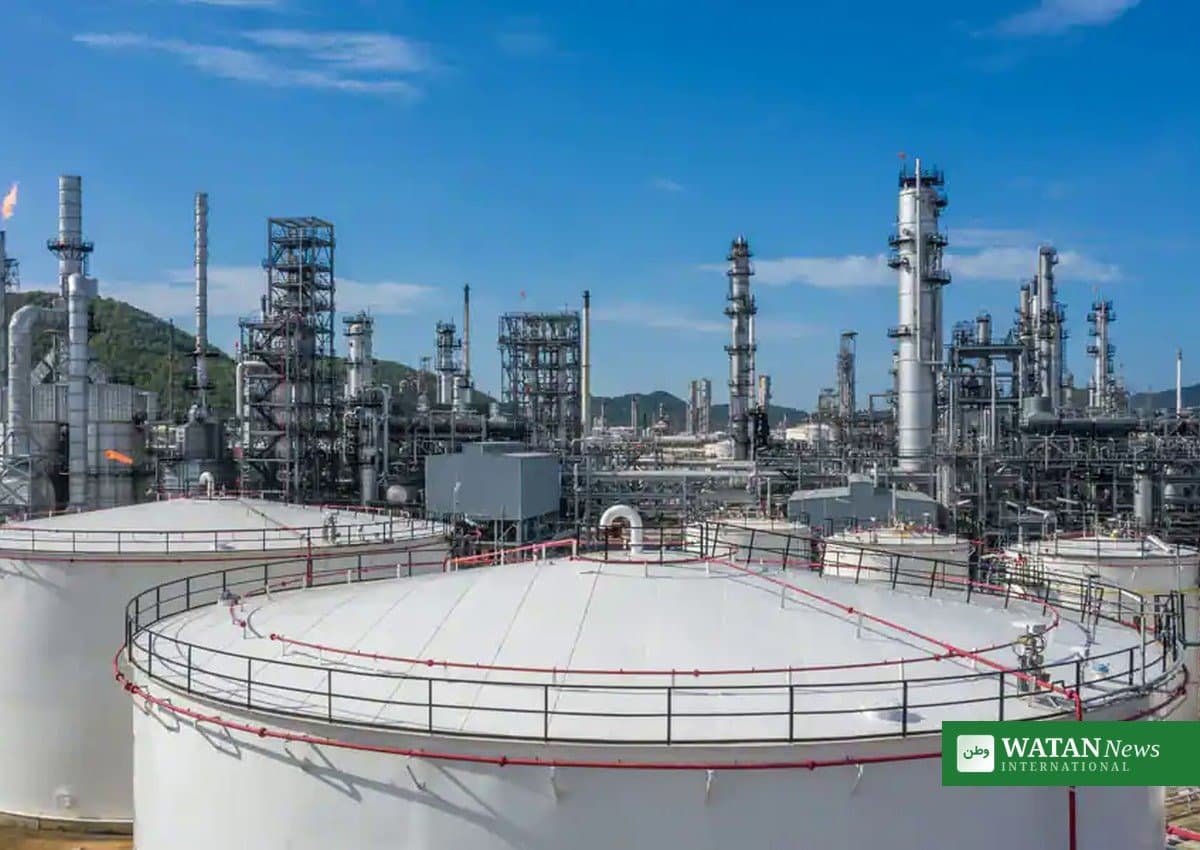
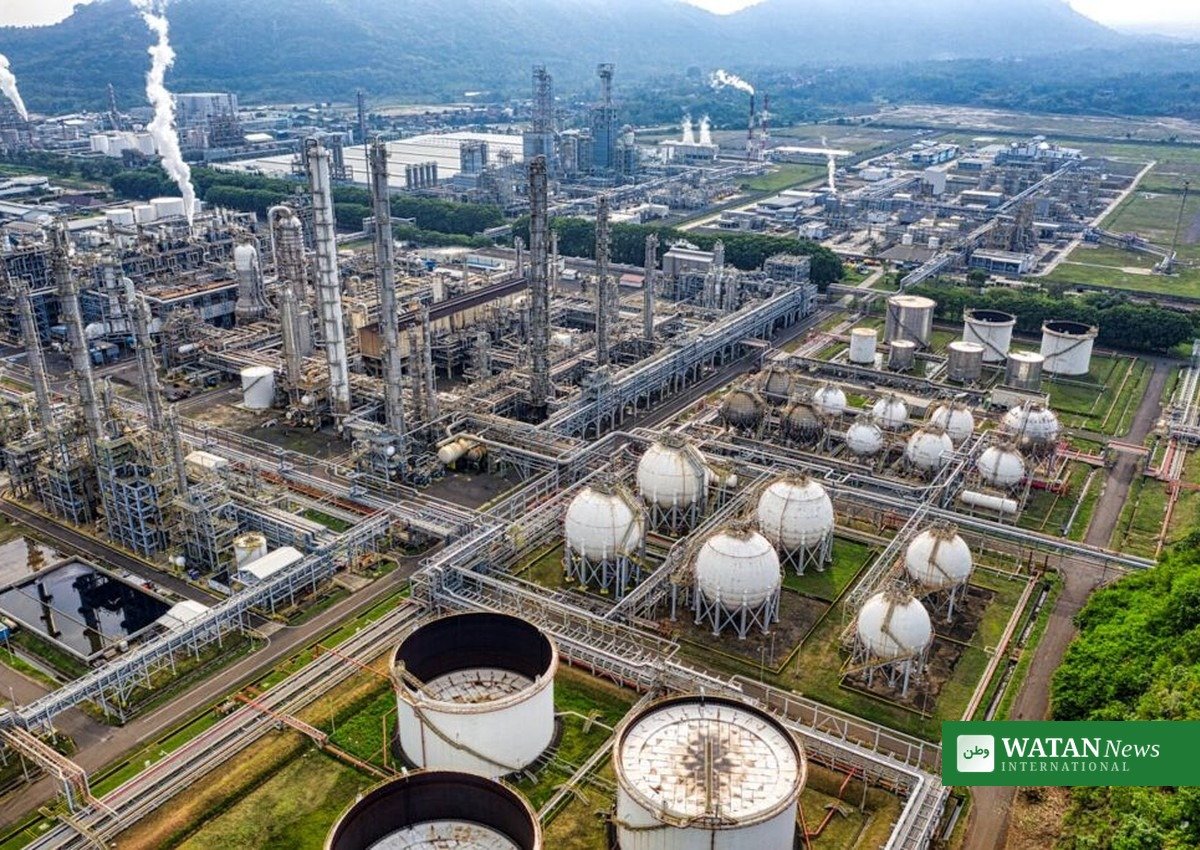
China is the world’s largest refining hub, and domestic stocks are the priority. State-run PetroChina canceled a substantial portion of its October-loading cargoes, while Zhejiang Petrochemical did not schedule any loadings during the holiday period, according to Reuters reporting. Authorities withheld October export approvals for destinations other than Hong Kong and Macau, and are expected to decide on resumption after the National Day holiday ends on October 7, based on inventories and refinery run rates.
Chinese refiners are running at about 75% of maximum capacity and still hold ample unused export quotas, which is why analysts describe China as an emerging supply swing player comparable to Saudi Arabia. For more international coverage, see Watan News in English.
China fuel exports and the wider supply crunch
China’s decision lands in an already strained market. Russia has restricted gasoline exports through the end of January and diesel exports through the end of October, while refining capacity in the Middle East has been reduced by conflict and US refinery utilization has reached 97%. With several major suppliers reducing exports at the same time, buyers across Asia and Europe are competing for fewer available cargoes.
Higher gasoline, diesel and jet-fuel prices can affect transportation, aviation and consumer inflation across the region. Importers are seeking diversified supplies while watching Beijing’s next move closely.
Conclusion
China’s October fuel export halt has turned a tight Asian fuel market into a record-margin squeeze. With Singapore stocks at a five-year low and regional supplies already strained by Russian and Middle East disruptions, all eyes are now on whether Beijing approves new export quotas once the holiday week ends.