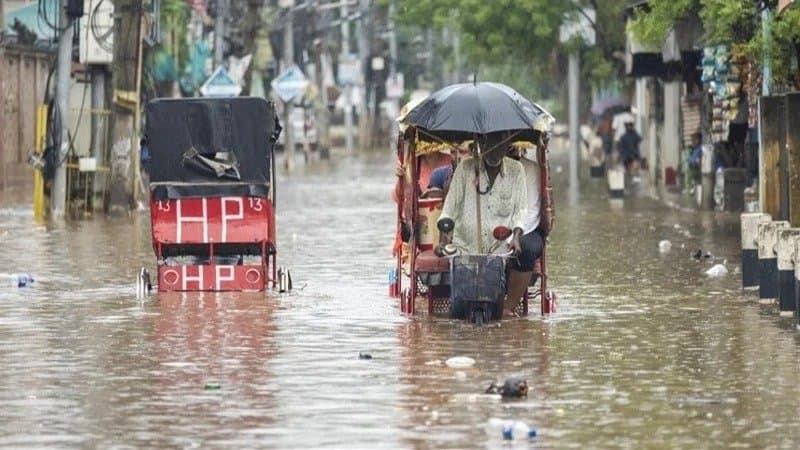
Uttar Pradesh, India’s most populous state, has been devastated by severe flooding following relentless heavy rains, resulting in a tragic death toll that has climbed to 81. The disaster agency confirmed the grim figures as rescue and relief operations continue in the affected regions. This deluge comes as the state, home to over 240 million people, is typically subjected to intense rainfall and thunderstorms during the annual monsoon season, which runs from June to September. The sheer volume of water has overwhelmed drainage systems and caused widespread destruction, displacing numerous residents and severely impacting infrastructure.
- The death toll from floods in Uttar Pradesh has reached 81.
- The floods were triggered by heavy rainfall during the monsoon season.
- Uttar Pradesh is India’s most populous state, with over 240 million residents.
- The monsoon season typically lasts from June to September.
Devastation Across Uttar Pradesh
The relentless downpour has transformed streets into rivers and submerged homes, forcing thousands to evacuate to higher ground. Emergency services are working around the clock, navigating treacherous conditions to reach stranded individuals and deliver essential supplies. The scale of the disaster has prompted a significant response from state and national authorities, with efforts focused on immediate rescue, providing temporary shelter, and assessing the full extent of the damage to homes, agriculture, and public utilities.
Impact on Infrastructure and Agriculture
Beyond the immediate human tragedy, the floods have wreaked havoc on the region’s infrastructure. Roads have been washed away, bridges damaged, and power lines brought down, severely hampering relief efforts and cutting off communication in many areas. Agricultural lands, the backbone of the state’s economy, have been inundated, leading to the loss of standing crops. This will likely have long-term economic consequences for farmers and the wider community, potentially exacerbating food security concerns in the coming months.
Government Response and Relief Efforts
The government has mobilized resources, including the National Disaster Response Force (NDRF) and state disaster management teams, to conduct search and rescue operations. Relief camps have been established to house displaced families, providing them with food, water, and medical assistance. Authorities are urging citizens to remain vigilant and follow safety guidelines issued by local officials. The focus is now shifting towards long-term recovery, including rebuilding damaged infrastructure and supporting agricultural rehabilitation.
Monsoon Season Challenges
Uttar Pradesh is no stranger to the monsoon’s fury, but the intensity of this year’s rainfall has surpassed expectations in many areas. The state’s vulnerability is compounded by its high population density and the prevalence of informal settlements in flood-prone zones. Experts suggest that while monsoons are vital for India’s agriculture, climate change may be contributing to more extreme weather events, including heavier rainfall and increased flooding frequency. This underscores the need for enhanced disaster preparedness and climate adaptation strategies.
Looking Ahead: Reconstruction and Preparedness
As the floodwaters begin to recede, the immense task of reconstruction and rehabilitation lies ahead. The government faces the challenge of not only rebuilding damaged infrastructure but also implementing measures to mitigate the impact of future floods. This includes improving drainage systems, strengthening flood defenses, and potentially relocating communities from high-risk areas. The resilience of the people of Uttar Pradesh will be tested in the coming months as they work to recover from this devastating natural disaster.
Conclusion
The devastating floods in Uttar Pradesh serve as a stark reminder of the destructive power of nature and the critical need for robust disaster management systems. With over 81 lives lost and widespread destruction, the focus remains on immediate relief and the long road to recovery. The event also highlights the increasing vulnerability of densely populated regions to extreme weather, emphasizing the importance of climate adaptation and preparedness for future challenges.
-
What is the current death toll from the floods in Uttar Pradesh?
The death toll has risen to 81 people, according to the government’s disaster agency.
-
When does the monsoon season typically occur in Uttar Pradesh?
The monsoon season in Uttar Pradesh usually runs from June to September.
-
What are the main challenges faced by the affected region?
Challenges include rescue operations, providing shelter, damaged infrastructure, and agricultural losses.
-
What is being done to address the situation?
Rescue teams are active, relief camps are set up, and efforts are underway for reconstruction and future preparedness.