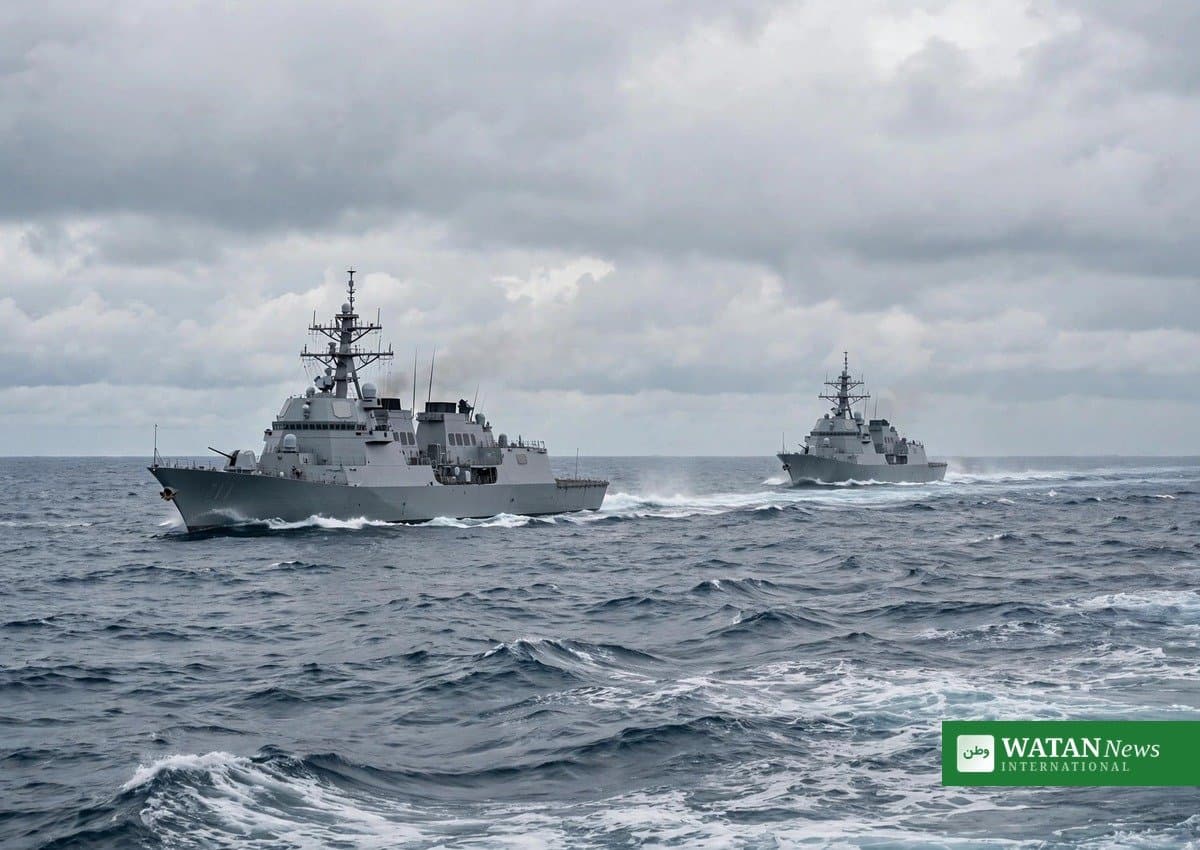
The China Philippines tensions flared again on Friday after the Philippine government accused Beijing’s ambassador of making what it described as a thinly veiled threat of force, the latest sign of strained relations between the two countries over the South China Sea.
The dispute began when Chinese ambassador Jing Quan told journalists on Thursday that China could “easily win” a confrontation with the Philippines but would not resort to force because it values peace. His comments came in response to the Philippine defence secretary, who had earlier called China a regional troublemaker.
FAKTA
- Who: Philippine foreign ministry and President Ferdinand Marcos Jr; Chinese ambassador Jing Quan.
- What: The envoy said China could “easily win” a confrontation with the Philippines but would not use force because it values peace.
- Manila’s reaction: Called the remarks “a poor choice of words”; President Marcos said the statement “sounds very much like a threat” and deserves discussion with the envoy.
- Beijing’s response: The Chinese embassy said the ambassador was selectively quoted, called Manila’s reading an “over-interpretation”, and warned that relations are “at an extremely sensitive stage”.
- Background: The two countries have disputed reefs and islands in the South China Sea for years; several contested features lie within the Philippines’ exclusive economic zone. The Philippines is a long-standing defence ally of the United States.
Marcos: “Sounds Very Much Like a Threat”
Asked about the ambassador’s remarks on Friday, President Ferdinand Marcos Jr said the statement sounded very much like a threat and indicated that the matter deserved a direct discussion with the Chinese envoy. His comments reflected Manila’s concern that the remarks could be read as a warning of possible military action.
The Philippine foreign ministry said such language was unhelpful at a time when relations between the two neighbours are already complicated. Officials said the remarks risked making an already delicate diplomatic situation worse.
Beijing Rejects Manila’s Reading
The Chinese embassy in Manila rejected the Philippine interpretation, saying the ambassador’s words had been selectively quoted and did not amount to a threat. It described Manila’s reaction as an over-interpretation and stressed that the envoy’s full remarks made clear China prefers peace.
The embassy added that bilateral relations are currently “at an extremely sensitive stage”, urging both sides to weigh their words carefully while diplomatic channels remain open.
Years of Disputes Over the South China Sea
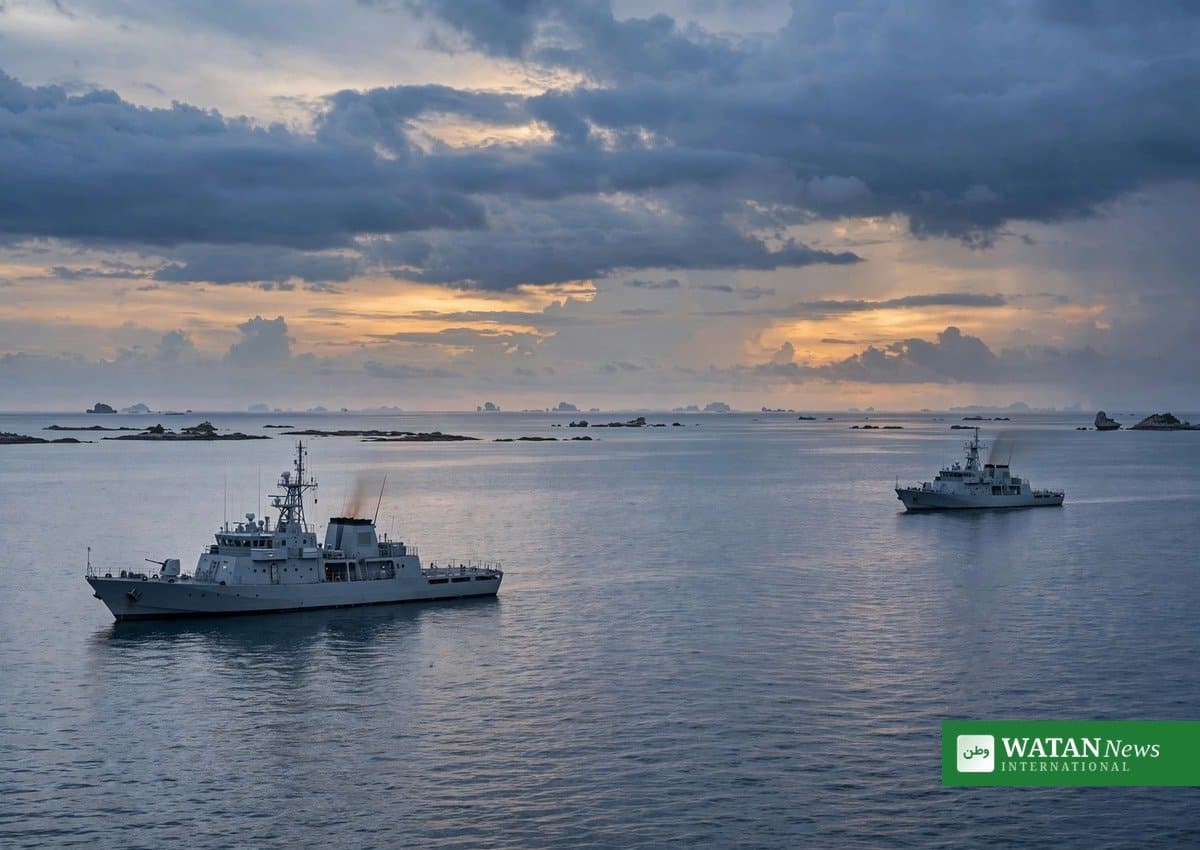
China and the Philippines have been at odds for years over control of reefs and islands in the South China Sea, where their coast guards have repeatedly confronted each other near features claimed by both sides. Several contested areas fall within the Philippines’ exclusive economic zone, where Manila claims rights over marine resources under international law.
The latest exchange is one of several recent verbal clashes between the two countries, and analysts say diplomatic efforts to manage the dispute face growing pressure as each side continues to defend its interests in the region.