
Christa Pike is conscious and speaking six days after Tennessee’s failed attempt to execute her by lethal injection, her attorneys said on Tuesday — a recovery they described as medically unprecedented.
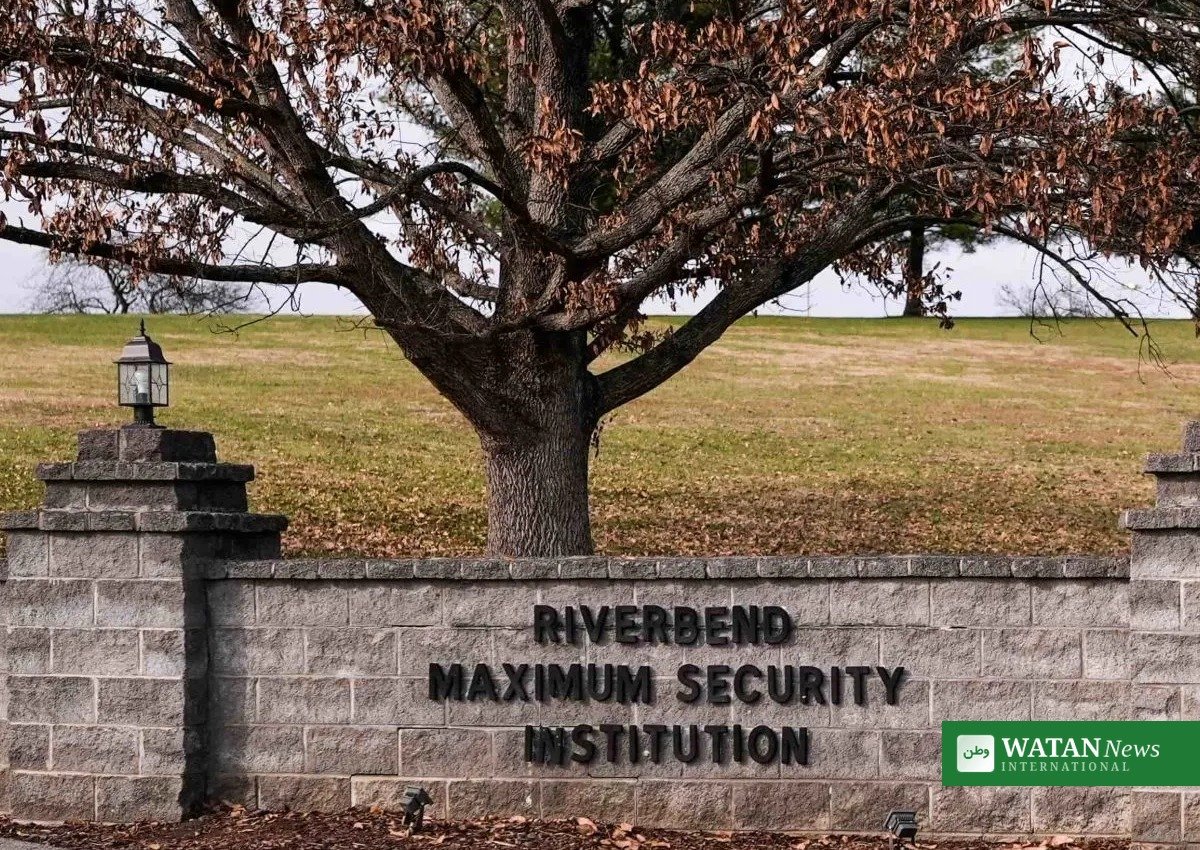
The 50-year-old death row inmate survived two doses of pentobarbital during the botched execution on the night of September 30 at the Riverbend Maximum Security Institution in Nashville, and had been unconscious on a ventilator ever since.
FAKTA
- Who: Christa Pike, 50 — on Tennessee’s death row for the 1995 torture-murder of her 19-year-old classmate Colleen Slemmer
- What: attorneys say she is now conscious and speaking, six days after surviving two doses of pentobarbital
- When: the failed execution took place on the night of September 30; the update came in a statement on Tuesday, October 6
- Where: Riverbend Maximum Security Institution, Nashville — she remains in hospital under guard
- Significance: she is believed to be the first known person in the United States to survive after execution drugs were administered
Against all odds
“Against all odds, Christa Pike is conscious, speaking, and continues to receive critical medical care. Despite the severe damage she endured to her arms, she is still handcuffed and shackled to the bed. Her recovery is medically unprecedented. Her prognosis remains unclear but, at a minimum, we expect a long recovery,” her team of public defence attorneys said in a statement.
The lawyers thanked the first responders and the hospital medical team who, in their words, “treated Christa like a human and have provided exceptional care to her”. A spokeswoman for the Tennessee Department of Correction said she could provide no information other than that Pike remained in hospital on Tuesday.
The failed execution of Christa Pike
Pike had been set to become the first woman executed in Tennessee in two centuries. During the procedure, the execution team spent about an hour trying to establish intravenous lines to administer the pentobarbital, using at least seven needles, according to one of her lawyers, Randy Spivey.
Spivey said Pike was cooperating with the execution team and even telling them where to try inserting the IV lines. Her arms were left burned and blistered by the attempts, her lawyers said. As recently as Sunday, they said she remained unconscious, critically ill and hooked to a ventilator while doctors worked to clear the drug from her system.
Uncertain legal and medical future
Her survival raises difficult questions about what comes next. A court hearing is scheduled for Wednesday in Davidson County Chancery Court on her lawyers’ request for an order preserving evidence from the failed execution, which they say would show the state subjected Pike to cruel and unusual punishment. She was not expected to appear.
Dr Joel Zivot, a professor of anaesthesiology and surgery in Atlanta who consulted as an expert for Pike’s legal team, said the development “bodes well for a good recovery” — but added it could be weeks or months before anyone knows what her recovery will look like, including whether her competency could be restored to a level that might enable the state to try again to execute her.
Pike’s petition for clemency was denied last week by Governor Bill Lee. She was sentenced to death for her role as a teenager in the 1995 killing of Colleen Slemmer, a case then described by Knoxville’s chief of police as gruesome.
Fallout: prison chief resigns, independent review ordered
Tennessee’s corrections commissioner, Frank Strada, resigned on October 3 following the failed execution, Governor Lee announced. Strada said he believed officials had followed the established protocol but that stepping aside was in the best interest of Tennesseans while the independent review proceeds. Lee named former U.S. Attorney Ed Stanton to lead the review and has halted Tennessee’s remaining executions for the rest of 2026.