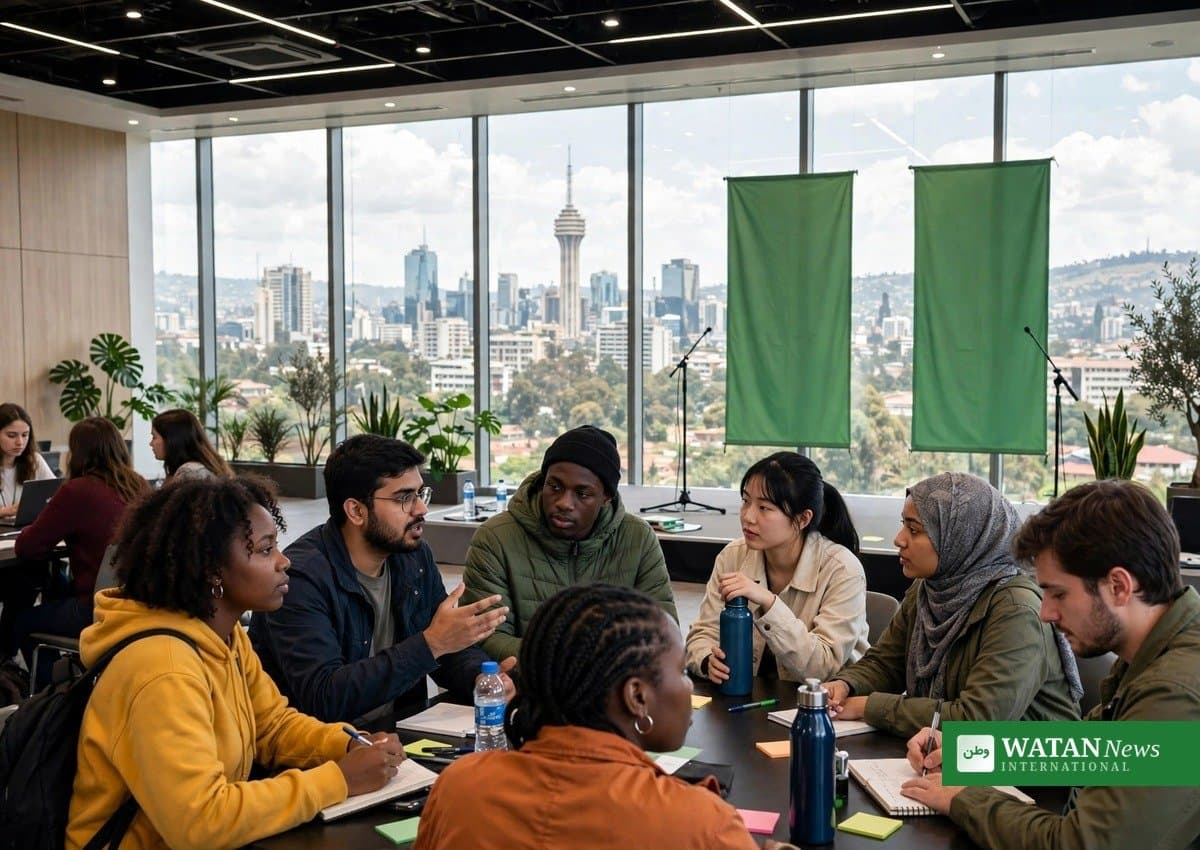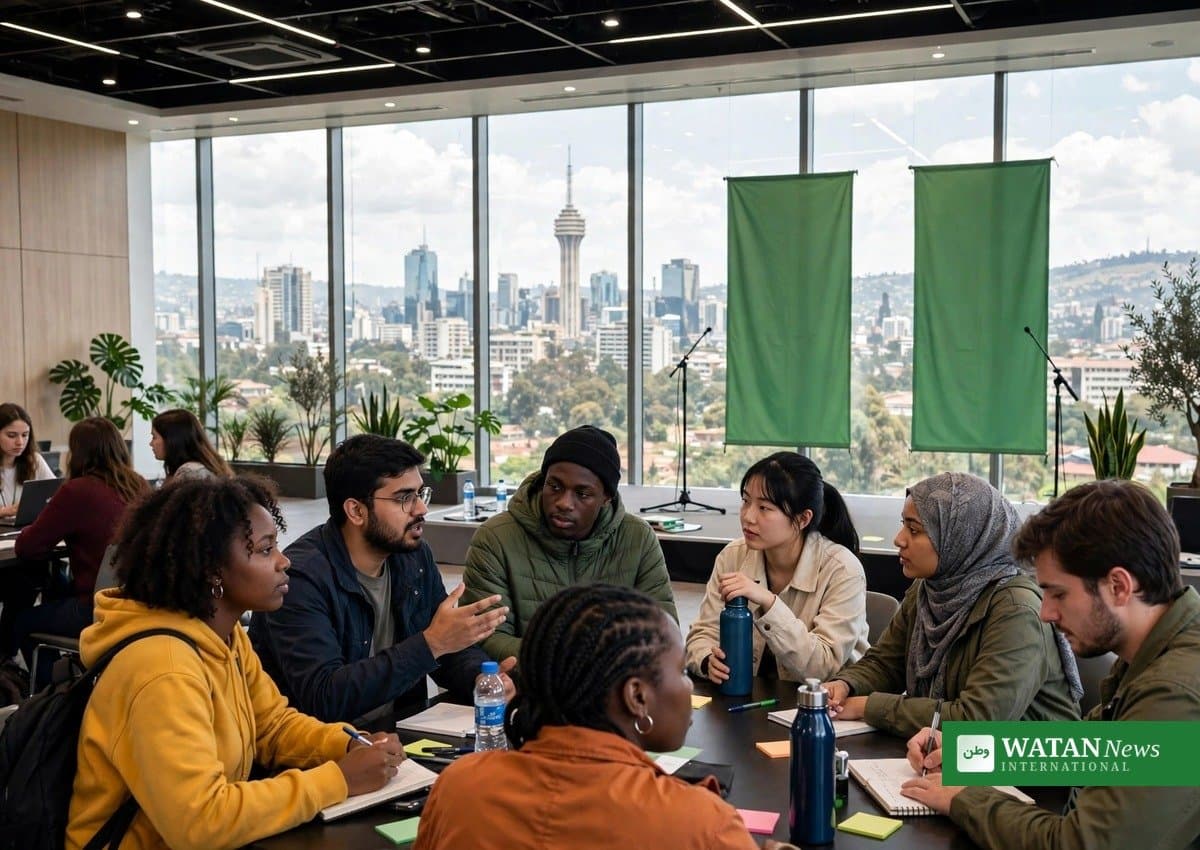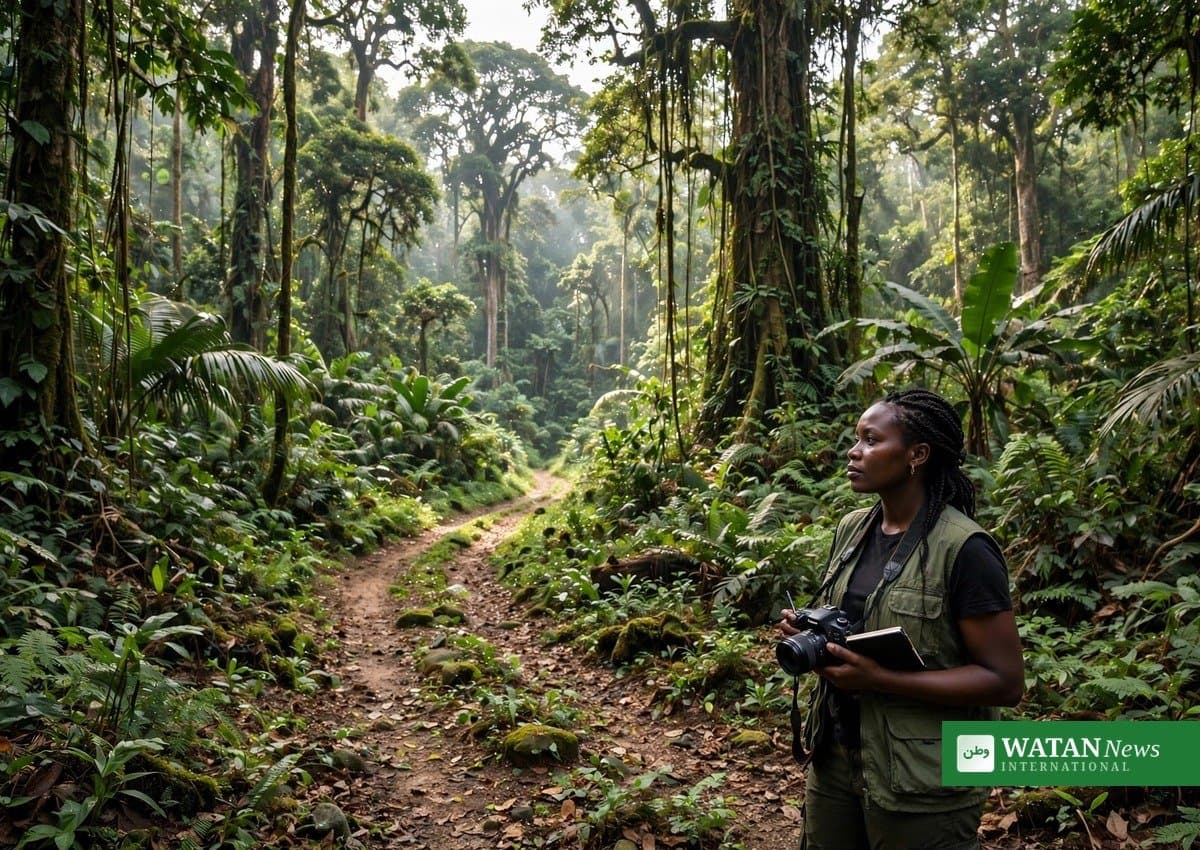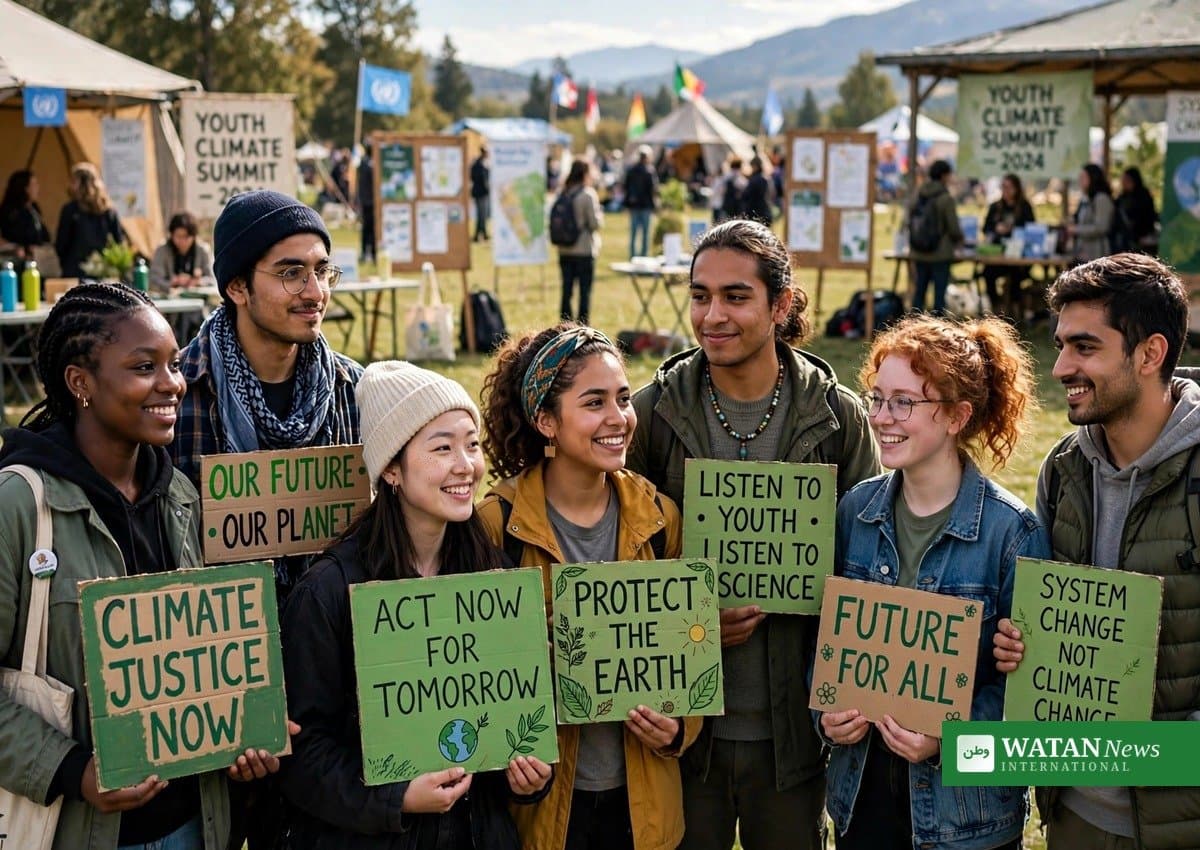
Young climate leaders from Africa, Asia and Latin America have issued a joint COP31 Youth Declaration, calling on governments gathering in Antalya next month to stop treating young people as vulnerable victims and recognise them as partners, leaders and decision-makers in climate action. The declaration, written by Plan International’s Global Youth Ambassadors aged 16 to 24 and published on 16 October 2026, sets out three priorities for the UN climate talks: climate adaptation, climate education and a just transition.
What the declaration says
The COP31 Youth Declaration brings together the voices and lived experiences of young ambassadors from Bangladesh, the Philippines, Uganda, Tanzania, Burkina Faso, Ghana, Jordan and Ecuador, according to the published document. It is addressed to governments, climate negotiators, donors, development partners and civil society organisations working on climate policy.
The document states that nearly half of the world’s children — 1.1 billion — are exposed to at least three overlapping climate hazards. It notes that climate change is already disrupting education, health, livelihoods, food and water security, with girls and young women facing disproportionate impacts on education, health care, safety and economic opportunities.
“At COP31, governments must move beyond speaking about young people and girls as vulnerable groups and recognise us as partners, leaders and decision-makers,” says Leticia, an ambassador from Ghana, in the declaration.
Three priorities for COP31
1. Adaptation that protects the systems girls rely on
The ambassadors call for gender-responsive adaptation and anticipatory action: climate-resilient schools, health care facilities, water and sanitation systems and food systems. They ask for accessible early-warning systems that reach every community in its own language, including displaced youth and persons with disabilities, and for meaningful youth participation from risk mapping through to monitoring and evaluation. They also call for age- and gender-disaggregated climate finance for girl- and youth-led initiatives, particularly in underserved and climate-vulnerable communities.
2. A properly resourced plan for climate education
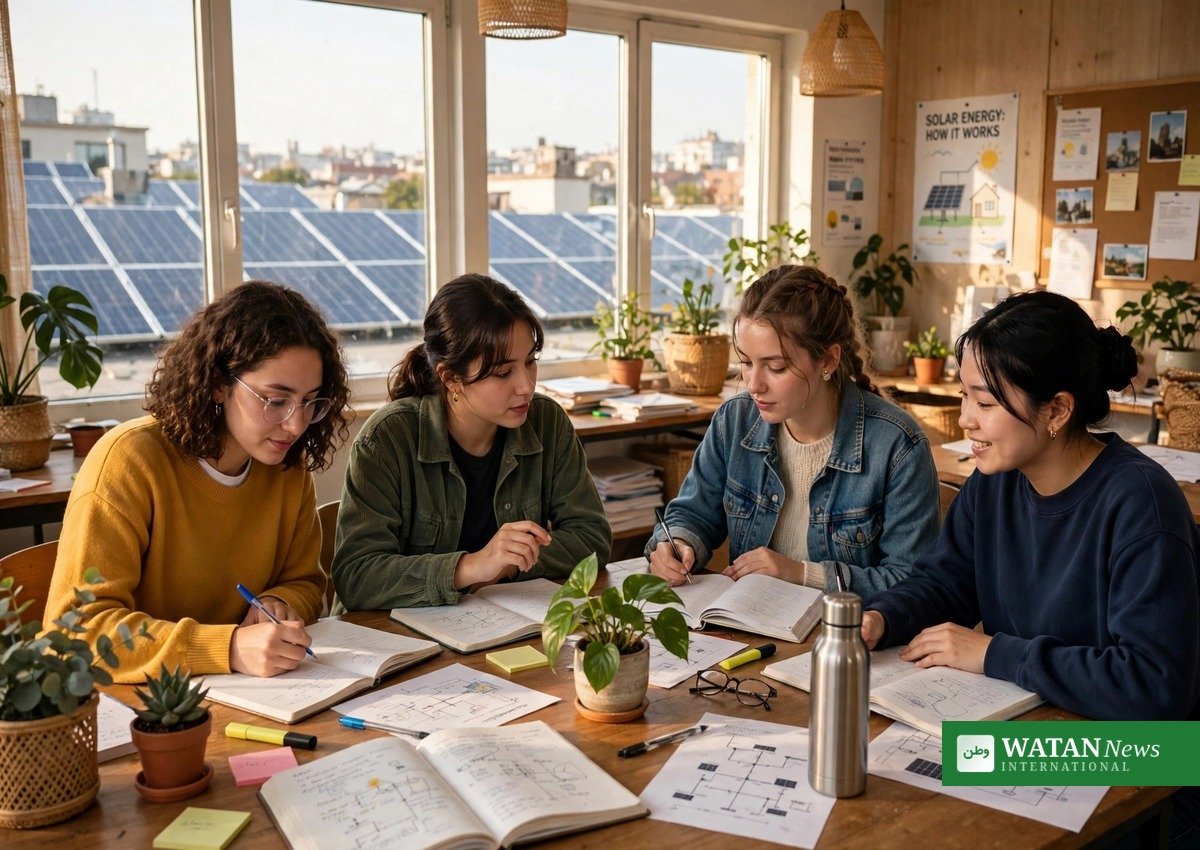
The second demand is an ambitious, implementable and properly resourced Action for Climate Empowerment (ACE) plan. Climate education, the declaration argues, must go beyond awareness: young people need reliable information, practical skills, confidence, safe spaces and resources to turn knowledge into action. It calls for strong climate and disaster education in schools, universities and communities, youth leadership and green-skills training, youth-led climate clubs and campaigns, and dedicated funding for girl- and youth-led awareness initiatives.
3. A just transition that creates opportunities for girls
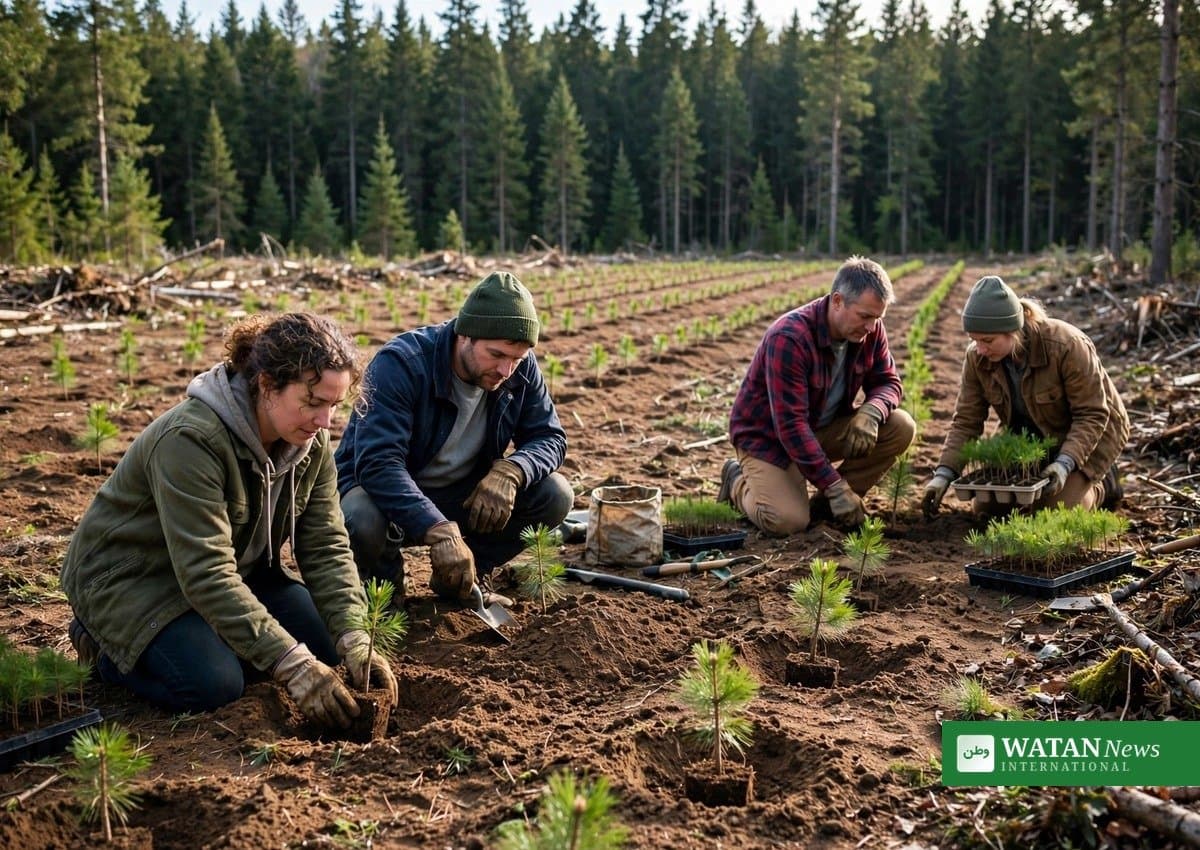
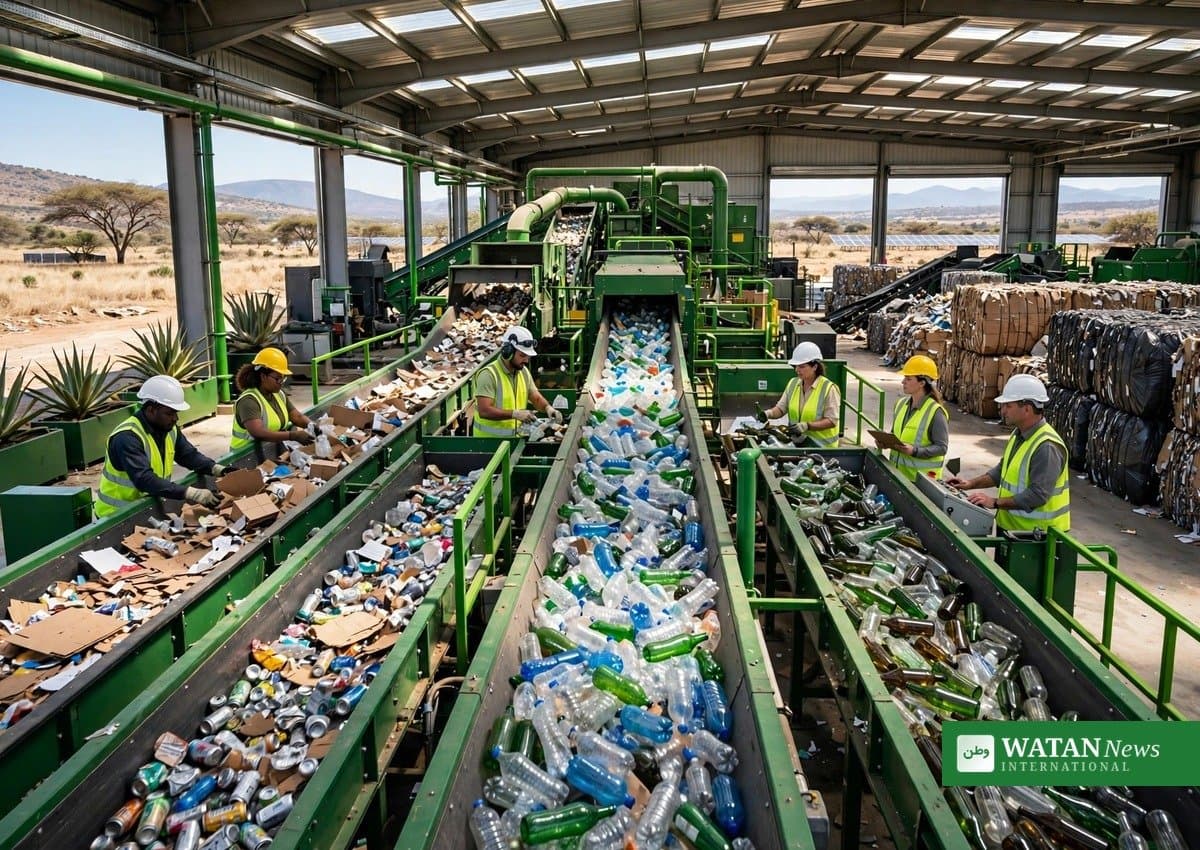
The third priority is a just transition that does not reproduce existing inequalities. The ambassadors demand equal access to STEM, digital learning, vocational training (TVET) and green skills — particularly for girls facing barriers — alongside safe, decent and inclusive green jobs, apprenticeships and pathways to long-term work. They call for support for youth- and women-led green enterprises through finance, grants, technology, markets and networks, and investment in renewable energy, climate-smart agriculture, waste management and circular economy initiatives.
A vision for 2035
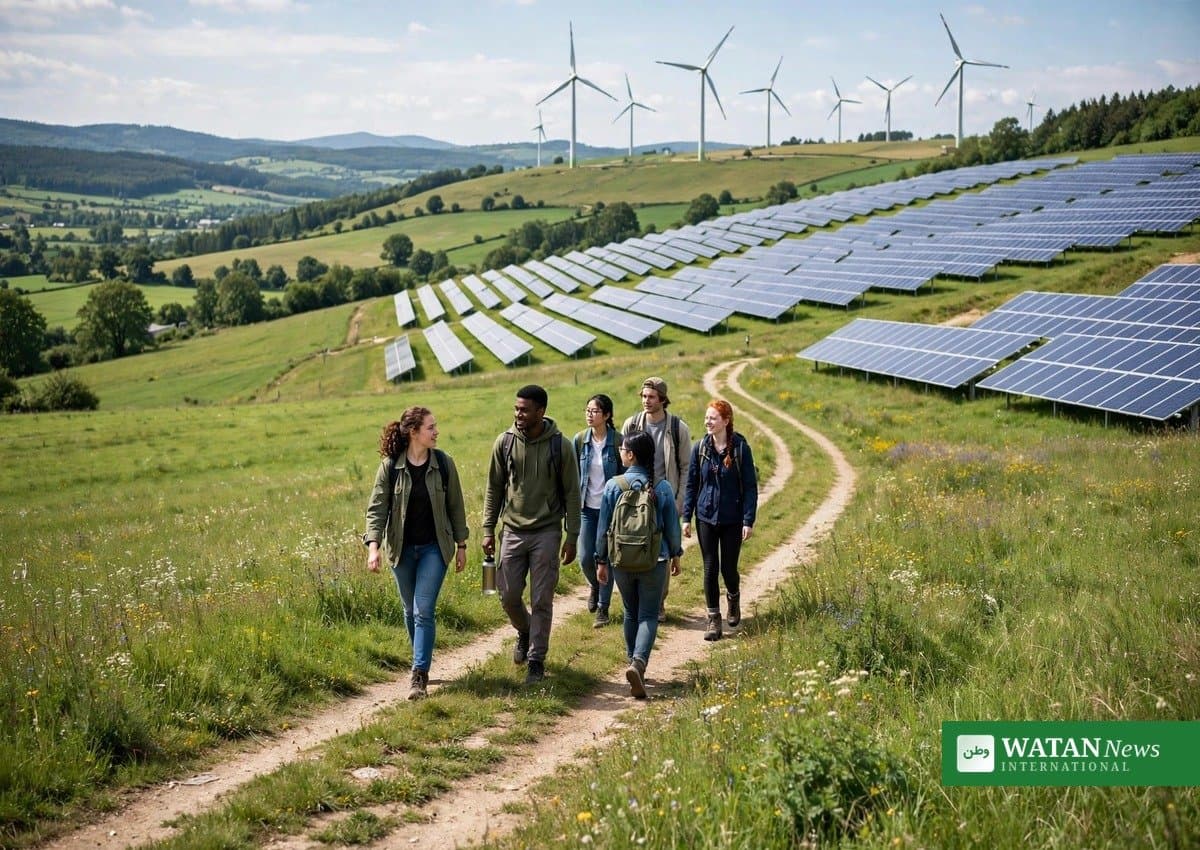
The declaration closes with a shared vision: by 2035, the ambassadors want to live in climate-resilient communities where girls keep learning, stay healthy and remain safe when climate emergencies strike — where schools stay open, clean water and health care keep working in a crisis, and young people’s solutions receive the resources they need to grow.
The central message, the document states, is clear: COP31 must move from commitments to implementation, put children and girls at the centre of implementation, advance gender equality and recognise young people as partners.
FAKTA: The declaration at a glance
- Who: Plan International’s 2025 Global Youth Ambassadors, aged 16–24, from eight countries across Africa, Asia and Latin America.
- What: The GYA Youth Declaration 2026 — young people’s priorities for COP31.
- Published: 16 October 2026.
- Three priorities: gender-responsive adaptation and anticipatory action; a resourced Action for Climate Empowerment plan; a just transition with opportunities for girls and young women.
- Audience: governments, climate negotiators, donors, development partners, civil society and youth organisations.
Why it matters
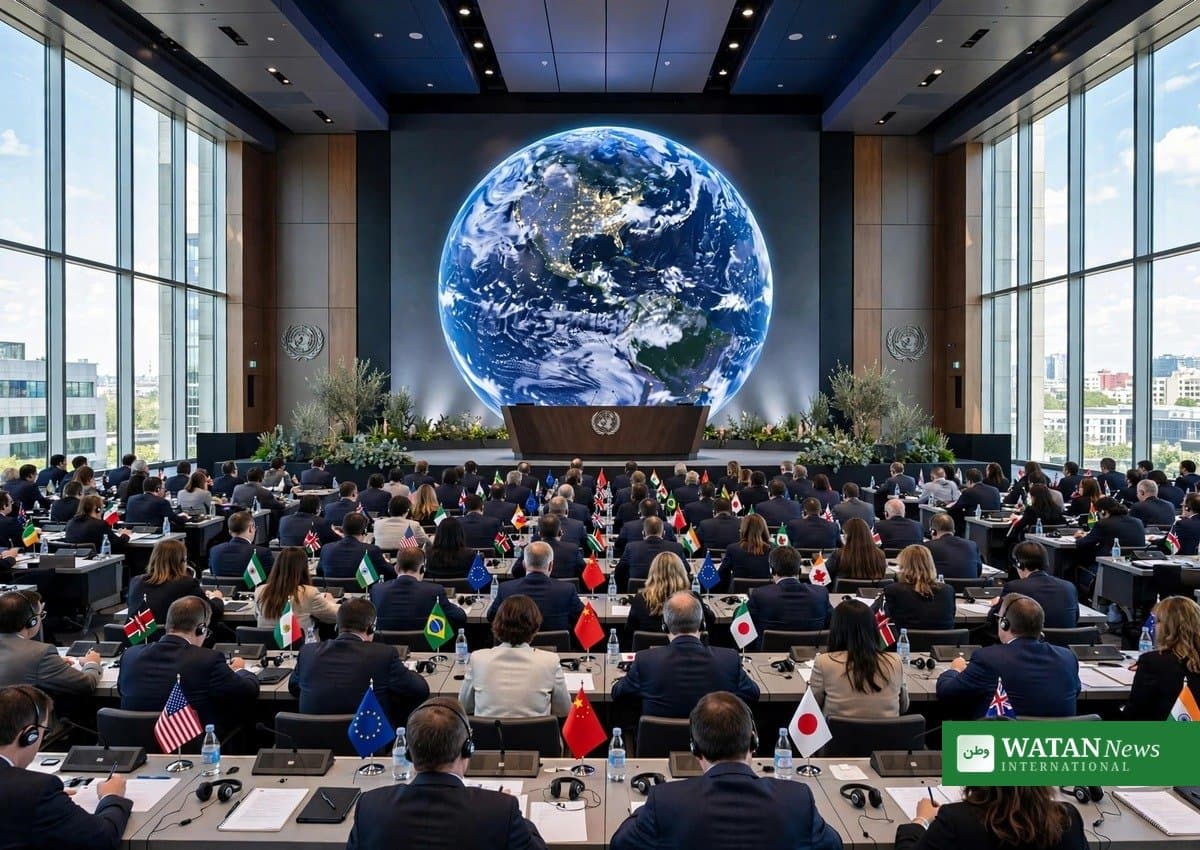
The declaration lands three weeks before COP31, the UN climate conference taking place in Antalya, Türkiye, from 9 to 20 November 2026. Youth voices traditionally arrive at COP through COY — the Conference of Children and Youth — with COY21 scheduled in Antalya from 5 to 7 November as the formal preparatory space organised by YOUNGO, the official children and youth constituency of the UNFCCC. The ambassadors say they will bring their priorities, proposals and solutions directly to the negotiating table. Read more of our climate coverage on Watan News International’s English climate pages.
Conclusion
The message from the young ambassadors is consistent throughout the document: young people are not only experiencing climate change — they are already organising communities, developing local solutions and strengthening climate resilience. What they ask of COP31 is to be included before disasters happen, not only after, and to be resourced as the partners they already are.