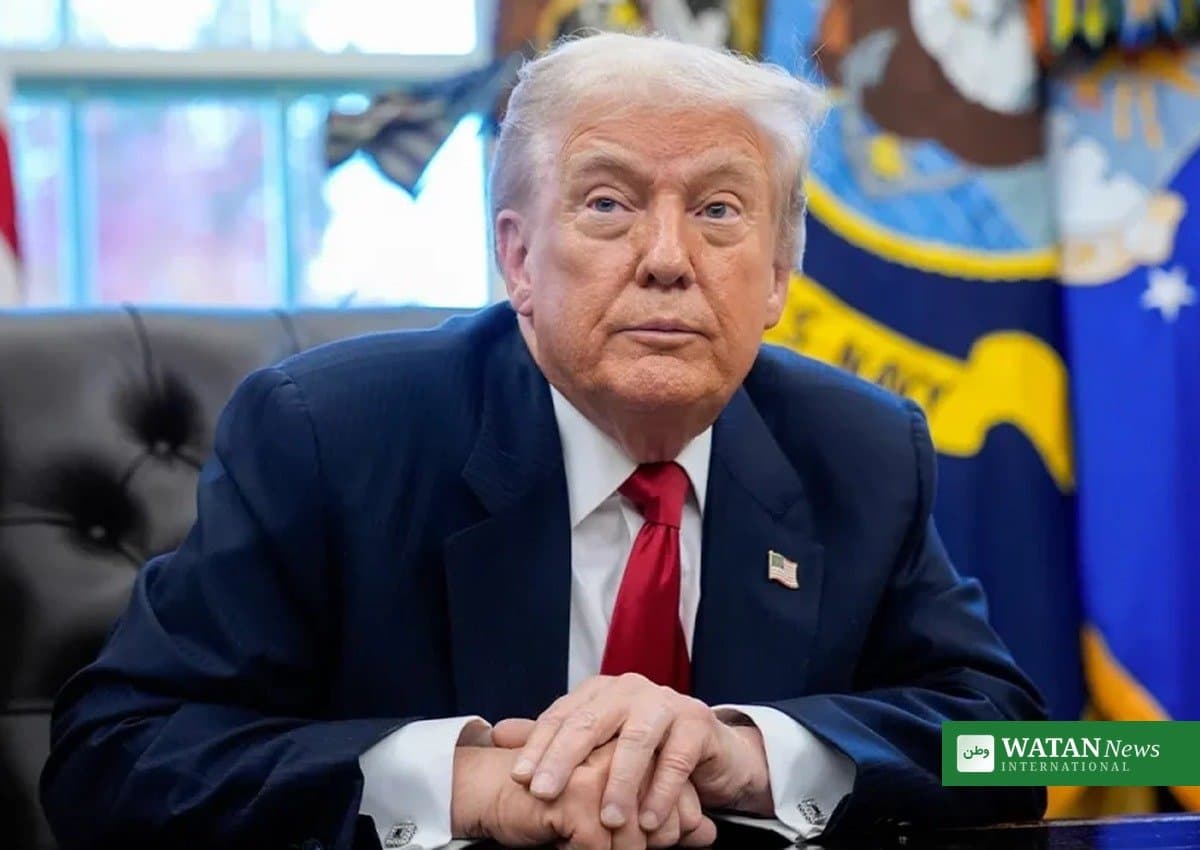
US President Donald Trump said on Friday that he is waiving many of the sanctions, restrictions and duties that were days away from taking effect under the Lindsey O. Graham Sanctioning Russia and Iran Act of 2026 — the sweeping Russia sanctions law he himself signed in mid-September. The executive order means Trump waives Russia sanctions before the law’s toughest penalties could bite.
FAKTA
- The order: an executive order issued on October 16 waiving many sanctions, restrictions and duties under the Lindsey O. Graham Sanctioning Russia and Iran Act of 2026, days before they were to take effect.
- The law: signed in mid-September; it would have imposed tariffs of up to 100% within 30 days on all goods imported into the United States from the five largest importers of Russian crude oil or gas, as well as on any country that knowingly bought Russian oil or gas after the law took effect or ranked among the top five countries helping Russia evade sanctions.
- Stated reason: Trump certified to Congress that the waiver “is in the national interests of the United States.”
- Reaction: a bipartisan group of 12 senators, including six Republicans, wrote to Trump on October 13 urging him to enforce the law. India — among the biggest buyers of Russian oil — had earlier raised concerns about the bill.
Trump Waives Russia Sanctions Before Graham Act Tariffs Take Effect
The White House released the executive order on Friday. In it, Trump wrote: “I have submitted to the Congress a certification that the issuance of such a waiver at this time is in the national interests of the United States.”
The waiver shelved the steepest measures of the legislation, whose primary backer in Congress was the late Senator Lindsey Graham. The move came as Trump has publicly warmed toward Russia and stepped up criticism of Ukrainian President Volodymyr Zelenskiy, including suggesting that Ukraine needs a new leader.
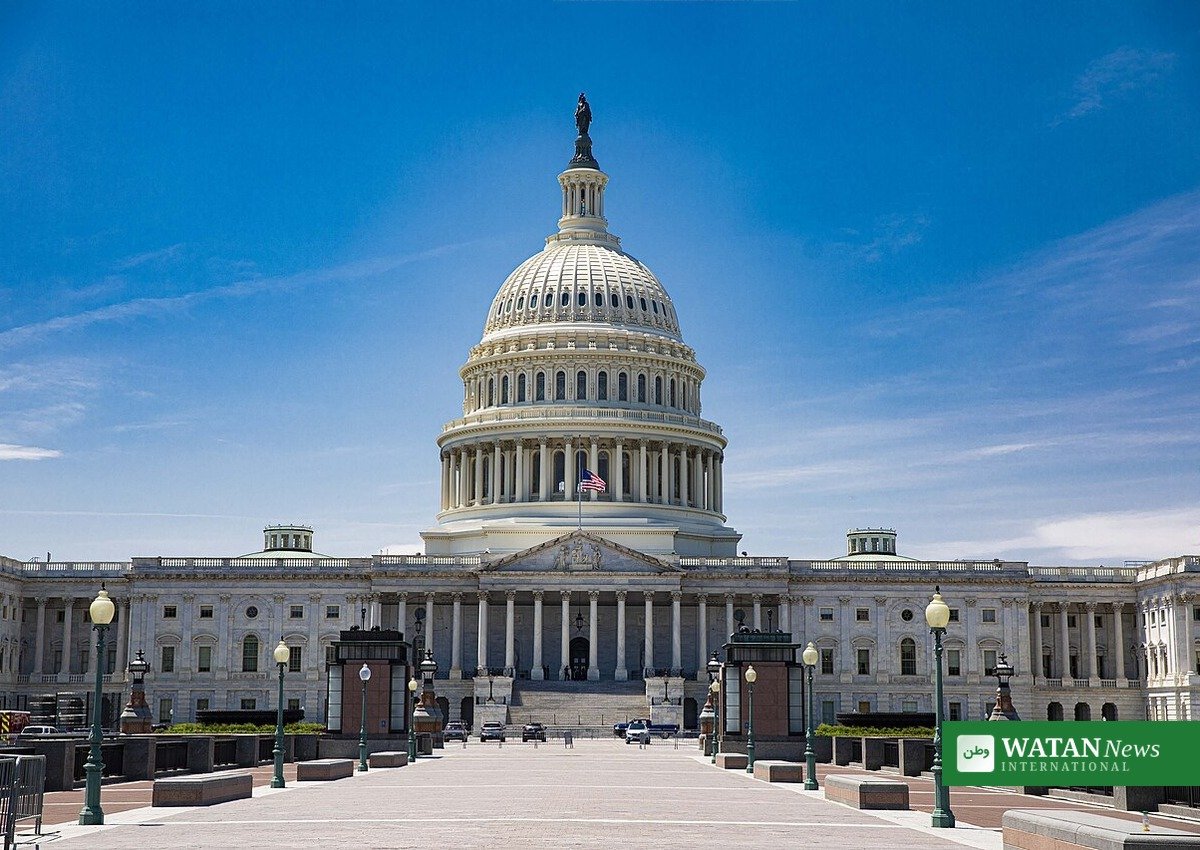
What the Graham Sanctions Law Would Have Done
The Lindsey O. Graham Sanctioning Russia and Iran Act of 2026 was designed to hit the finances behind Russia’s war effort by targeting the buyers of Russian energy. It would have placed tariffs of up to 100% on goods from the five largest importers of Russian crude oil or gas, and targeted countries that bought Russian fossil fuels within 30 days of the law taking effect.
The legislation passed the House with a majority of Republicans and 58 Democrats, reflecting broad bipartisan support for Ukraine in Congress. Trump signed it into law in mid-September.
Diesel Deal and Congressional Criticism
In recent days, Trump struck a deal with Russian President Vladimir Putin to import Russian diesel into the United States in a bid to lower US fuel prices ahead of the November midterm elections. The agreement has faced sharp criticism from lawmakers on both sides, who urged Trump to back out of the deal and enforce the new sanctions package against Russia instead.
A bipartisan group of 12 senators, including six Republicans, said in an October 13 letter that Trump should enforce the Graham Act and apply economic pressure on Russia and the chief enablers of its war effort.
Wider Context: Ukraine, Energy Prices and India
Trump has blamed Ukrainian strikes on Russian oil refineries for rising prices at the pump in the United States, which he is trying to lower ahead of the midterm elections. Zelenskiy has defended the strikes as part of Ukraine’s strategy to put pressure on Russia’s economy, and has criticized Trump’s willingness to strike business deals with Moscow.
Countries such as India, which is among the biggest buyers of Russian oil, had raised concerns about the sanctions bill before the waiver was announced. Read more world coverage at watannews.dk/en/category/world.
What Comes Next
The waiver removes the immediate deadline for the 100% tariffs on major Russian-oil importers. Lawmakers on both sides of the aisle are expected to respond to the executive order, and the fate of the broader sanctions package remains uncertain.