The United States Environmental Protection Agency (EPA) has quietly retracted its long-standing public claim that the “forever chemicals” PFOA and PFOS had been phased out of US production, acknowledging on its website that these substances may still be manufactured, imported and used by companies.
The change followed a complaint filed on 25 October 2025 by the nonprofit Public Employees for Environmental Responsibility (PEER) under the Information Quality Act, which requires federal agency information to be complete and accurate. Douglas M. Troutman, EPA’s Assistant Administrator for Chemical Safety and Pollution Prevention, responded on 18 September 2026 confirming the website updates — nearly 11 months after the complaint was filed. PEER notes that the Act requires a response within 90 days.
FAKTA
- EPA removed the sentence “The manufacture and import of PFOA has also been phased out in United States” from its website.
- The replacement text reads: “Quantities of PFOA may be produced, imported, and used by companies…”
- The 2015 phase-out was a voluntary agreement with eight PFAS producers — never an industry-wide legal ban.
- Houston-based Inhance manufactures up to 200 million plastic containers a year; EPA found PFOA leaches from those containers into their contents.
- EPA issued orders in 2022 and 2023 to stop the manufacture of PFOA-leaching containers; a federal appeals court vacated the late-2023 directive, and PEER’s lawsuit was dismissed on standing grounds.
- Inhance says it was not among the eight 2015 agreement participants, that PFOA is an impurity rather than intentional, that it has cut impurities by about 90%, and that third-party risk assessments found no unreasonable risk.
What EPA changed on its website
According to PEER, the agency’s website long carried the assurance that PFOA manufacture and import had been “phased out” in the United States. That text has now been removed and replaced with the admission that “Quantities of PFOA may be produced, imported, and used by companies…” PEER says EPA confirmed the updates in Troutman’s 18 September 2026 response. The Guardian broke the story on 18 October 2026, followed by reporting from nefogo.com the same day.
The 2015 phase-out was voluntary, not a ban
A key part of the story, as documented by PEER, is that the 2015 PFOA phase-out was a voluntary stewardship agreement with eight PFAS producers — it was never an industry-wide legal ban. That distinction is why the website’s original claim was, in PEER’s view, inaccurate: production outside that agreement was never legally prohibited.
Plastic containers that leach PFOA
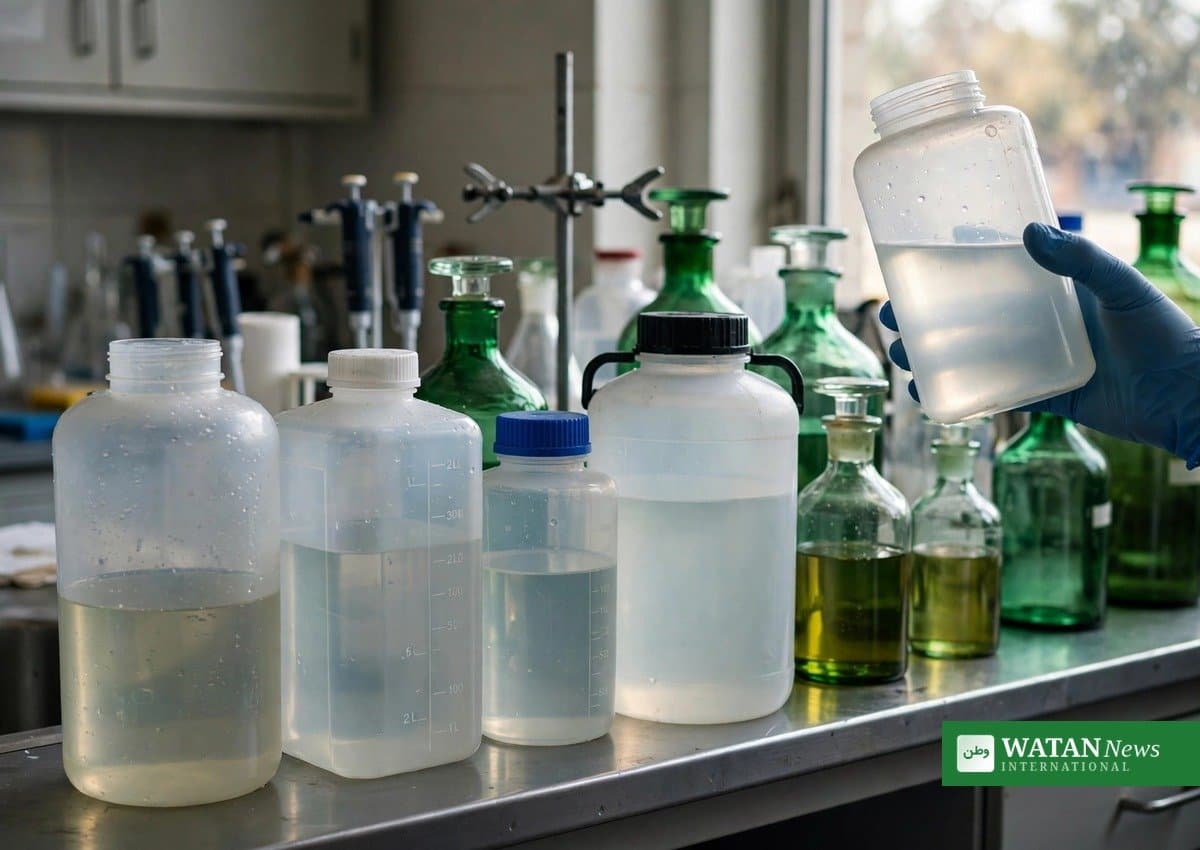
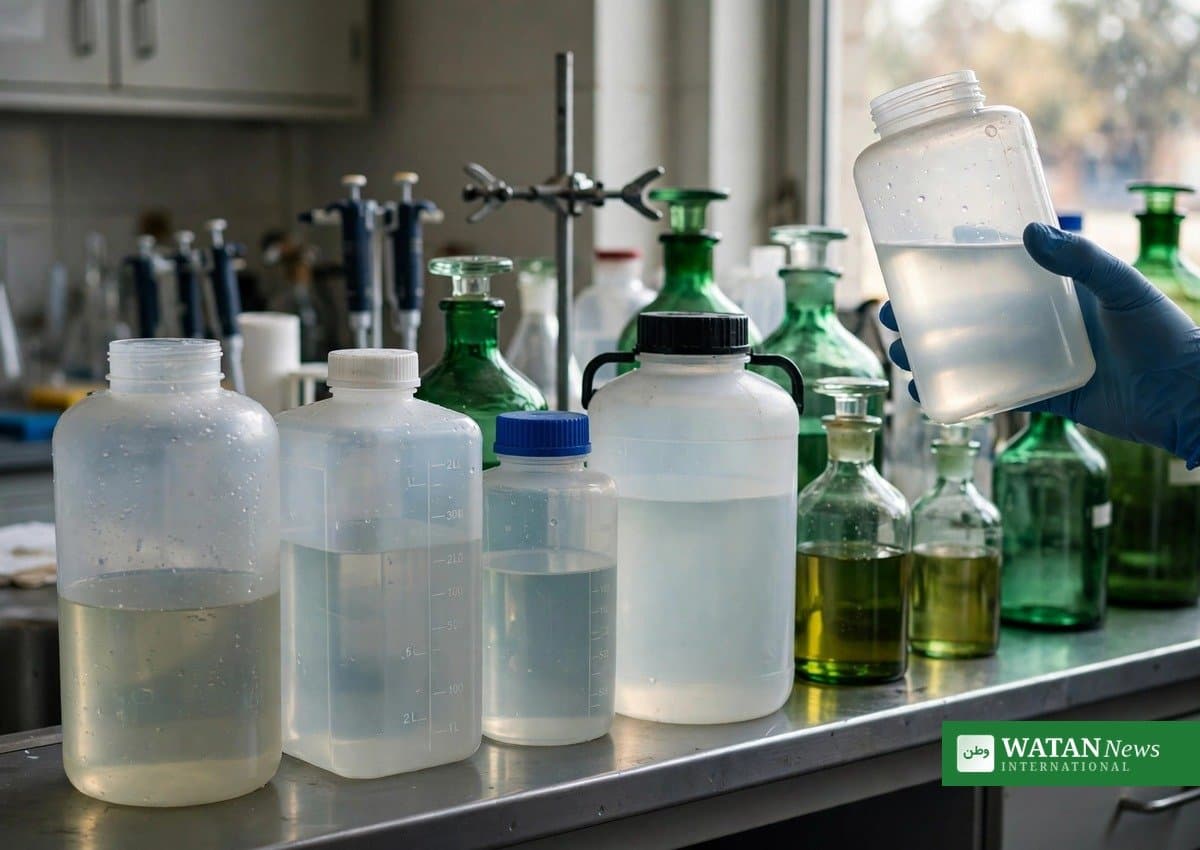
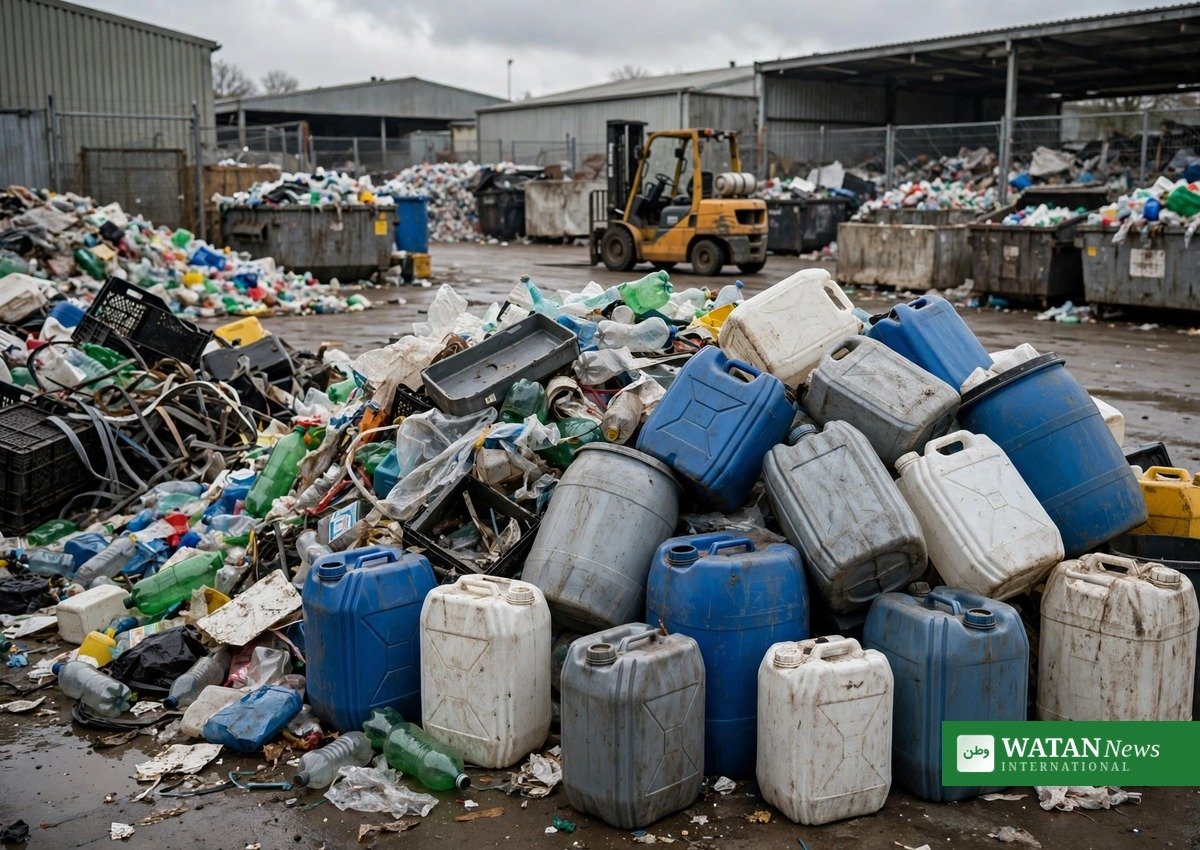
The complaint arose alongside a separate dispute over fluorinated plastic containers. EPA has found that PFOA leaches from containers made by Inhance, a Houston-based company that manufactures up to 200 million plastic containers a year, into the products they hold. EPA issued orders in 2022 and again in 2023 to stop the manufacture of PFOA-leaching containers. A federal appeals court later vacated the late-2023 directive, and PEER’s own lawsuit was dismissed on standing grounds.
Inhance’s response
Inhance has said it was not one of the eight producers covered by the 2015 voluntary agreement, that PFOA appears as an impurity rather than an intentionally added substance, that it has cut impurities by about 90%, and that third-party risk assessments found no unreasonable risk.
Why “forever chemicals” are so hard to eliminate
PFAS — per- and polyfluoroalkyl substances — are called “forever chemicals” because they do not break down in the environment and can accumulate in living organisms over time. EPA has said there is virtually no safe level of PFOA or PFOS in drinking water, and the International Agency for Research on Cancer classifies PFOA as carcinogenic to humans and PFOS as possibly carcinogenic.
PEER’s Science Policy Director Kyla Bennett, a former EPA scientist, called the website correction “a rare touch of candor by EPA” but said, in her words, “it does not address the free flow of toxic PFAS saturating our food, water, and soil.” She argues EPA should regulate the thousands of PFAS as a family of chemicals and ban non-essential uses. PEER also claims EPA has pushed enforcement of drinking-water limits (MCLs) for PFOA and PFOS back to 2031.
The zero-waste connection
This story sits squarely in zero-waste territory: high-volume plastic containers are a central target of waste-reduction efforts, and the leaching findings add a chemical-safety dimension to the case for cutting plastic container use. The issue also intersects with global efforts to curb plastic pollution, including the treaty negotiations covered in Watan News’ report on the Jakarta plastics treaty talks.
Sources
PEER press release, 24 September 2026; The Guardian, 18 October 2026; nefogo.com, 18 October 2026.
Conclusion
The EPA’s quiet website correction does not resolve the underlying disputes — over container leaching, over how PFAS should be regulated, or over the pace of drinking-water enforcement. But it removes one long-standing public claim that, according to PEER, was never accurate.