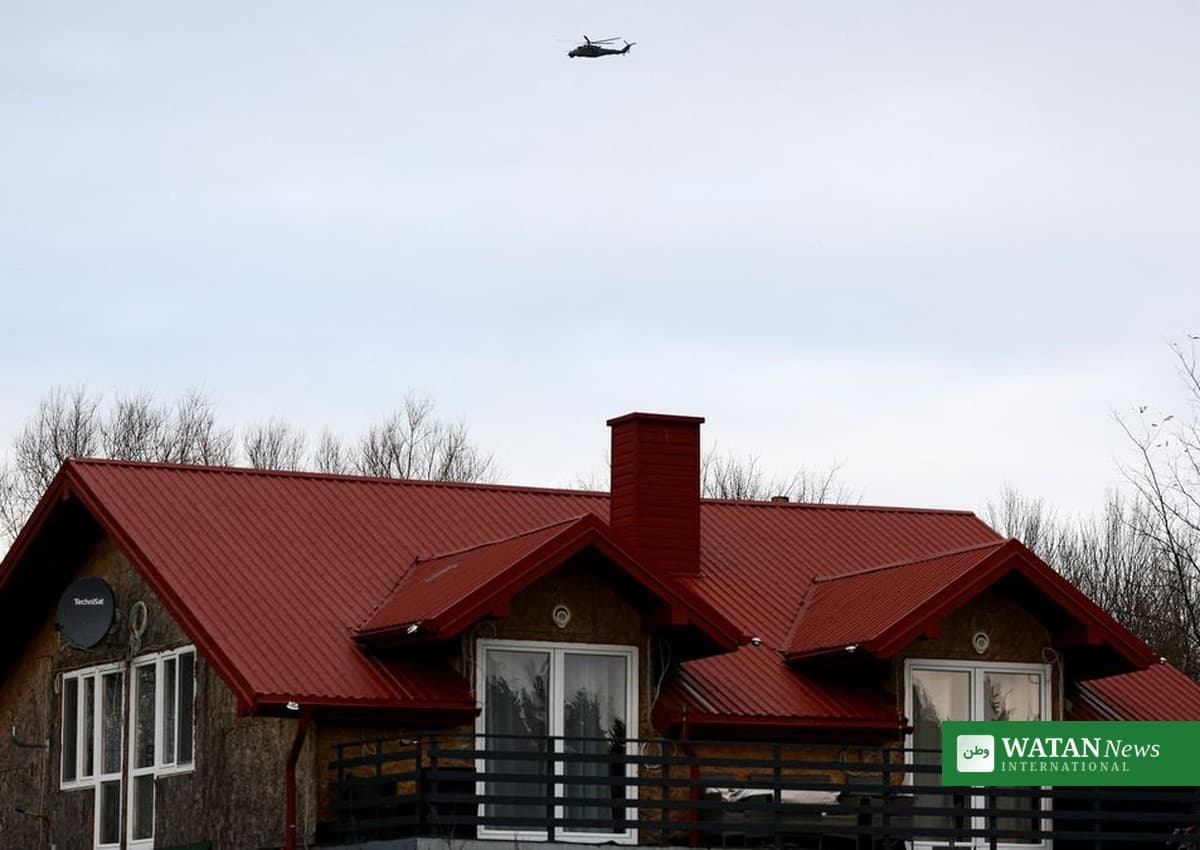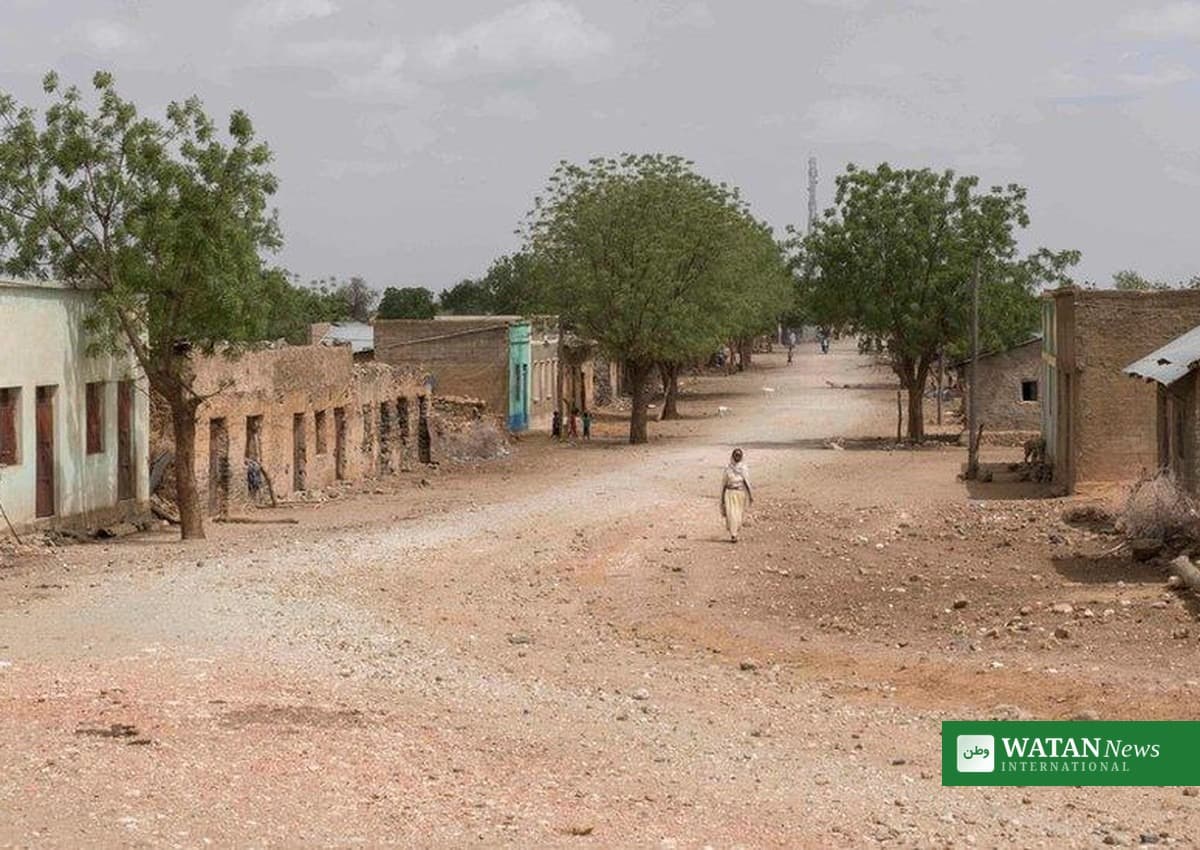
Badme — Intense drone strikes and heavy artillery bombardments were reported overnight around Badme, the disputed border town at the centre of rising tensions between Ethiopia and Eritrea, forcing residents to flee and raising fears of a direct confrontation between the two neighbours. The Ethiopia Eritrea Badme strikes mark the sharpest escalation yet in weeks of military build-up along the frontier.
FAKTA
- Overnight drone and artillery strikes were reported around Badme from Wednesday night into the early hours of Thursday, 19 November 2026.
- Conflict monitor ACLED said an Ethiopian army drone struck Badme town early on 19 November, forcing an unknown number of residents to flee.
- Three Tigray Defence Forces units were reported to have joined Eritrean troops near Badme, according to local sources cited by ACLED.
- Both armies have massed forces along the border, and monitors warn the risk of a full-scale confrontation is high.
- Badme was the flashpoint of the 1998–2000 Ethiopia-Eritrea border war, which killed tens of thousands of people.
The Ethiopia Eritrea Badme strikes
Two local residents told Addis Standard by phone that the bombardment continued throughout Wednesday night into the early hours of Thursday, with the sounds of explosions and heavy artillery fire subsiding later on Thursday morning.
ACLED, the conflict monitor, said an Ethiopian army drone struck the border town of Badme early on 19 November and forced residents to flee, after a night of reported drone and artillery fire around the town. The monitor said the consequences of the strike were not yet known.
Pro-government social media accounts claimed Ethiopian forces had carried out repeated air and drone strikes around Badme overnight, destroying munitions, fighters and military supplies they said were stockpiled in the area. Those claims could not be independently verified, and neither the Ethiopian nor the Eritrean military had publicly given an account of the strikes when they were first reported.
Troops mass on both sides
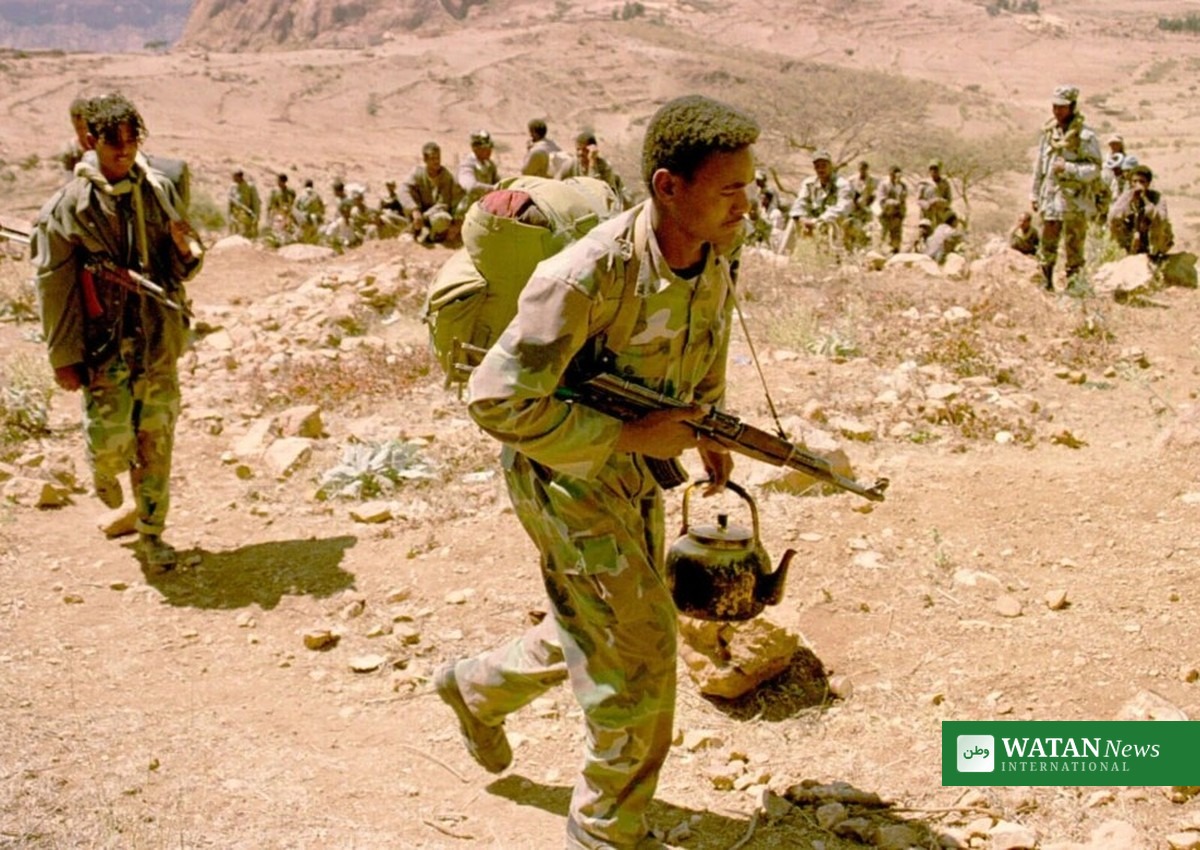
A foreign diplomat in Addis Ababa with access to military intelligence told Addis Standard that Eritrean forces had significantly reinforced positions across areas stretching from Shambiko to Gemhalo and Sembel, while Ethiopian military deployments were concentrated around Geza Tegaru and nearby Lama hamlets.
ACLED said local sources indicated that three Tigray Defence Forces units, the 35th, 11th and 17th, had joined Eritrean troops at Gual Gemhalo, near Badme. The monitor also said Eritrean forces retook Badme town around 15 November and moved troops and heavy equipment towards Gual Gemhalo and Sembel to set up defensive positions.
The strikes follow days of escalation on the frontier. On 16 November, a drone hit a truck near Biara, about 15 kilometres from Badme, wounding four civilians who had gone back for food and belongings, according to the monitor. A day earlier, Reuters reported that Ethiopia and Eritrea had amassed substantial military forces along their shared border, bringing the two armies within striking distance of each other. Watan News reported on that military build-up on 18 November.
Why tensions are rising
The latest escalation follows months of deteriorating relations and mounting mutual accusations of military interference. In February 2026, Ethiopia formally accused Eritrea of occupying Ethiopian territory along their shared border, supporting armed groups operating inside Ethiopia and conducting military manoeuvres that Addis Ababa described as violations of its sovereignty.
Tensions intensified further in October after reports of Eritrean troops entering parts of Tigray, including areas around Adigrat and along the road towards Idaga Hamus and Mekelle. Ethiopian officials subsequently accused Eritrea of supporting Tigrayan forces during renewed fighting in the region, allegations Asmara has repeatedly rejected.
Hostile rhetoric has accompanied the mobilisation. On 18 November, the Eritrean government issued a strongly worded statement accusing Ethiopia’s ruling Prosperity Party of pursuing an expansionist agenda and attempting to provoke a confrontation over Eritrean territory. The statement followed remarks by Ethiopian Chief of General Staff Field Marshal Birhanu Jula during a 13 November address, in which he reportedly identified the Eritrean localities of Dogali, Gundet and Adulis, as well as Somaliland’s port city of Zeila, as historically belonging to Tigray or Ethiopia.
A town with a bloody history
Badme lies at the centre of the long-standing territorial dispute between the two countries and was the principal flashpoint of the 1998–2000 border war, which killed tens of thousands of people. An independent boundary commission later awarded Badme to Eritrea, a ruling Ethiopia accepted in 2018 as part of a peace deal that ended two decades of stalemate.
That deal has frayed as relations have deteriorated, and the renewed fighting around the town has raised fears that the two historical rivals could slide back into open war. Neither government has publicly commented on the latest reported strikes, and there has been no word yet from the African Union or the United Nations on the escalation.
What happens next is likely to depend on whether either side confirms the strikes and whether regional and international mediators can open a channel between Addis Ababa and Asmara before a miscalculation turns the build-up into a wider conflict.