Washington — A senior official in US President Donald Trump’s administration suggested that Guyana consider ceding part of the Guyana Essequibo territory to Venezuela, Reuters reported on Thursday, citing three people familiar with the matter. The proposal alarmed officials in Georgetown, who quickly sought clarification from Washington. The US State Department said its position on the Venezuela-Guyana boundary had not changed.
FAKTA
- What happened: Reuters reported that Jeremy Lewin, then the State Department’s director of policy planning, floated the idea of Venezuela taking partial control of the Essequibo region during a meeting with Guyanese officials in Washington in September.
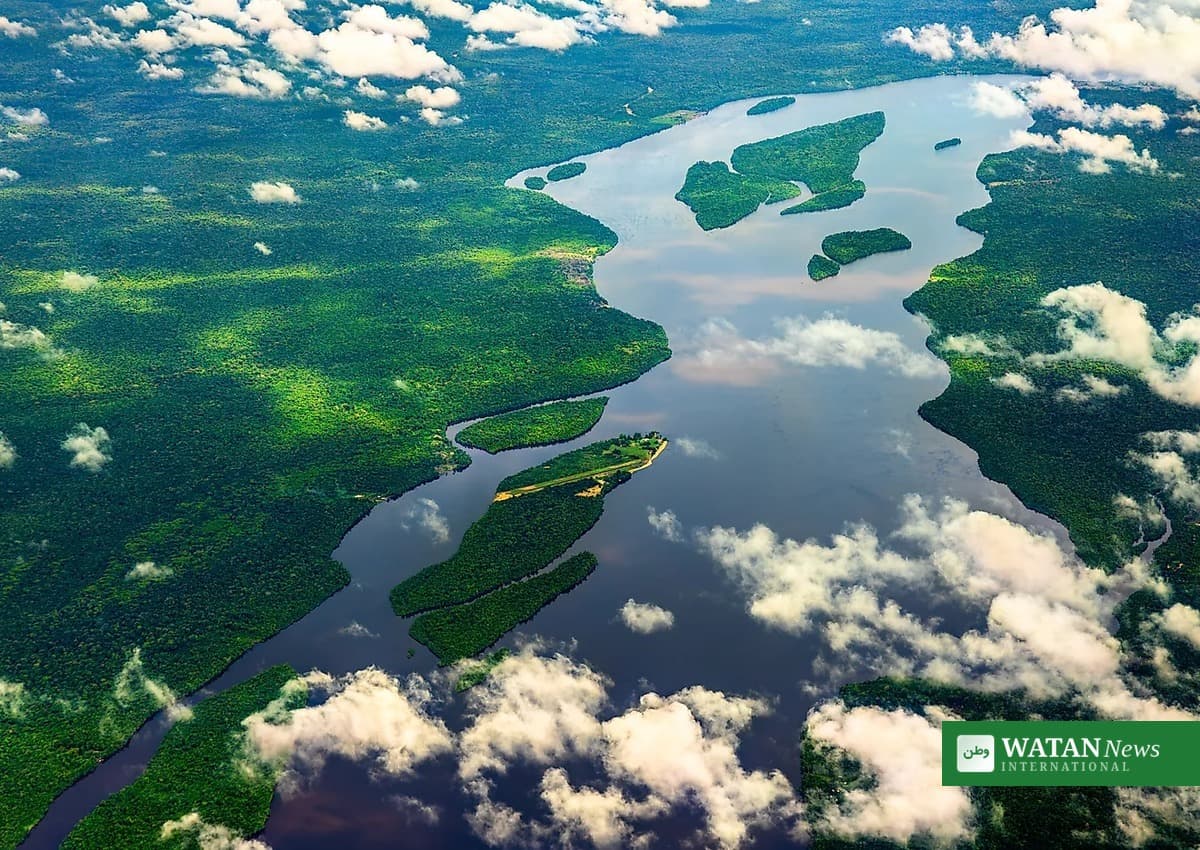
- Where: The Essequibo region covers the western two-thirds of Guyana and is rich in gold, diamonds and bauxite.
- When: The meeting took place in Washington in September 2026; Reuters reported the account on 19 November 2026.
- Response: Guyana’s Foreign Ministry said on 19 November that the United States had assured it that Washington’s position on the border controversy had not changed.
- Status: No agreement or boundary change has been announced. The dispute is before the International Court of Justice, whose ruling is pending.
What was proposed in Washington
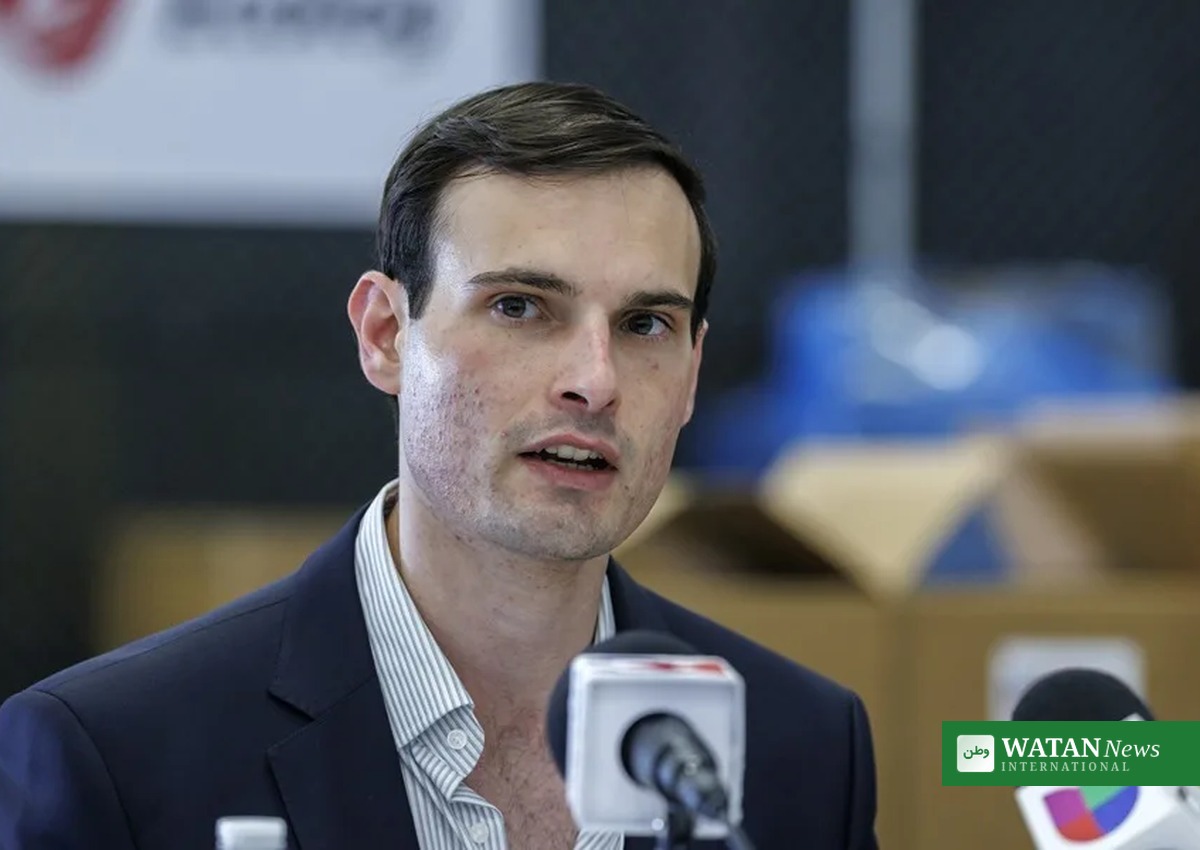
State Department policy chief Jeremy Lewin told Guyanese Foreign Secretary Robert Persaud during a September meeting in Washington that he could help broker territorial talks with Venezuela’s acting President Delcy Rodriguez, one of the people familiar with the matter told Reuters.
Two other people said Lewin floated the possibility of Venezuela taking partial control of the Essequibo region, which comprises the western two-thirds of Guyana. Sources differ on the exact wording used by Lewin during the meeting, Reuters reported.
Guyanese officials were concerned enough that they quickly sought clarifications from other State Department officials. In response, those officials assured their Guyanese counterparts that the US position regarding the Essequibo had not changed, two of the people said.
Lewin became the State Department’s director of policy planning in August and held the post for about two months before leaving the department at the end of October.
The Guyana Essequibo territory dispute
Venezuela has claimed the Essequibo region on and off for more than 180 years. The area is rich in gold, diamonds and bauxite, and massive oil finds by ExxonMobil in nearby waters in 2015 turned Guyana into the world’s fastest-growing economy.
Faced with increasingly aggressive Venezuelan threats, Guyana brought the dispute to the International Court of Justice in The Hague in 2018, asking it to reaffirm the border laid down in an 1899 arbitration between Venezuela and the then-colony of British Guiana.
The court found in 2020 that it could hear the case on the validity of the 1899 award. Hearings ended on 11 May, and the court had not announced its ruling as of 19 November. A December 2023 interim order told Venezuela not to change the situation in the territory Guyana administers and called on both sides to avoid aggravating the dispute.
Guyana, a nation of one million people on South America’s Caribbean coast between Venezuela and Suriname, is a close US ally. The United States and essentially every other country recognise the Essequibo as Guyanese in practice.
Lewin says the talks were authorised
In an interview with Reuters, Lewin said he held “preliminary” talks with Guyanese and Venezuelan officials about the longstanding territorial dispute. He said the talks came after Rodriguez wrote a letter to US President Donald Trump in May seeking US mediation to facilitate direct talks with Guyana on the status of the territory.
Rodriguez also raised the issue directly with Lewin during a meeting in Caracas in July, he said. Lewin added that the conversations were fully directed and authorised by the White House. A person familiar with US dealings with Venezuela also said Lewin was tasked on the issue by the White House.
In the May 11 letter, seen by Reuters, Rodriguez sought support from Trump to help create conditions for a rapprochement with Guyana, with the aim of addressing what she described as the “historic territorial controversy” regarding the Essequibo. Reuters said it was not able to independently confirm the authenticity of the letter, which Lewin provided to the news agency.
The White House referred questions to the State Department, without addressing whether it had directed any talks over the future of the Essequibo or whether it had received any letter from Rodriguez. A State Department official said in an email that the department is “pitched different ideas and policy options from outside parties everyday,” but that its position on the Venezuela-Guyana boundary had not changed.
Closer ties between Washington and Caracas
The episode comes as relations between Washington and Caracas have improved markedly since the United States captured former president Nicolas Maduro in a January operation and brought him to New York to face narcoterrorism charges. Rodriguez, who was Maduro’s vice president before the operation, has repeatedly and publicly pressed Venezuela’s claims over the Essequibo in recent months, including at the United Nations General Assembly in September, where she called on Guyana to enter into negotiations over the legal status of the region.
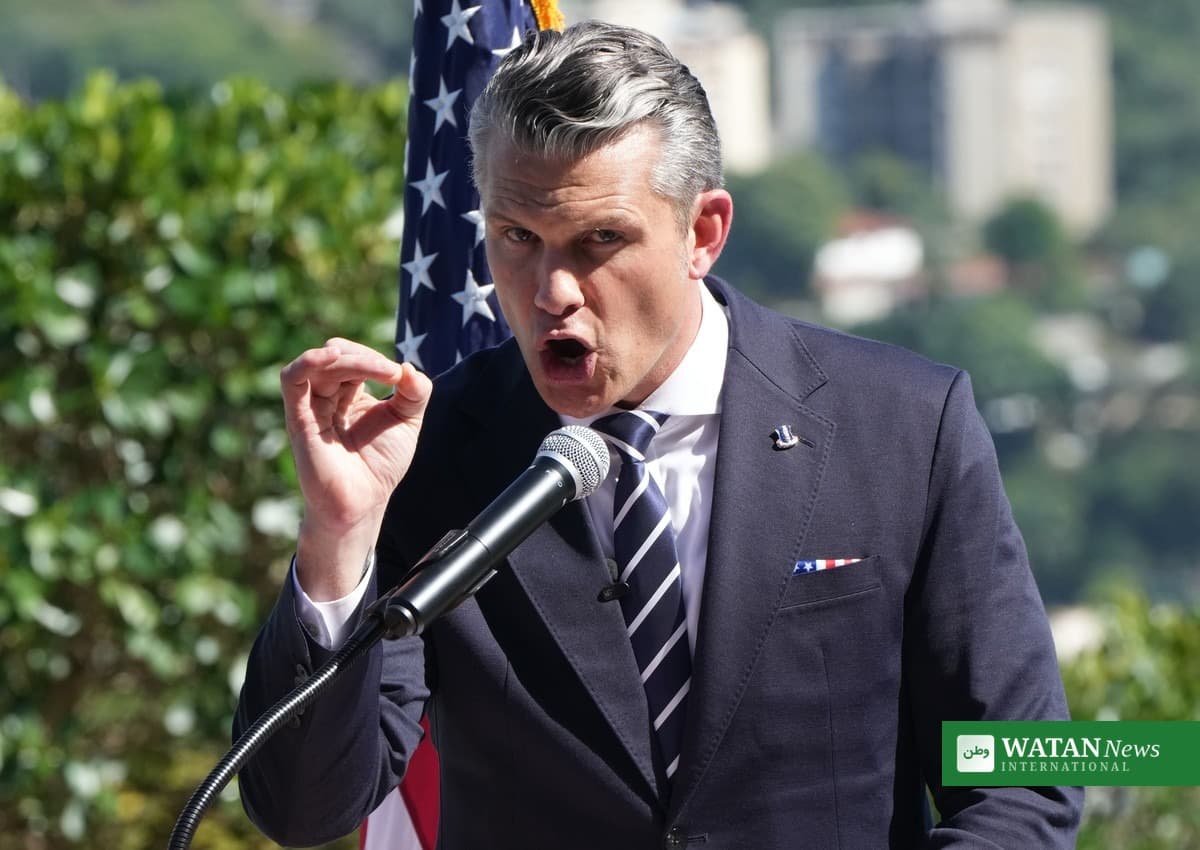
On Wednesday, Pentagon chief Pete Hegseth met Rodriguez in Caracas and signed an agreement to boost military cooperation between the two nations.
Guyana says the territory is not negotiable
Guyana’s Ministry of Foreign Affairs and International Cooperation said on 19 November that it had received assurances from the United States government that its position on the Guyana-Venezuela border controversy had not changed.
“The focus was on the pending International Court of Justice ruling, and on reaffirming the United States’ support on the process,” the ministry said. “Guyana has received the assurance of the United States Government that nothing has changed since.”
The ministry’s statement did not directly address Reuters’ account that Lewin had suggested territorial concessions to Venezuela. Guyana has consistently maintained that the Essequibo’s status is not negotiable and that the matter should be resolved through the Court rather than through negotiations over ownership of its territory.
Read this story on our main site: Trump Official Floated Ceding Guyanese Territory to Venezuela