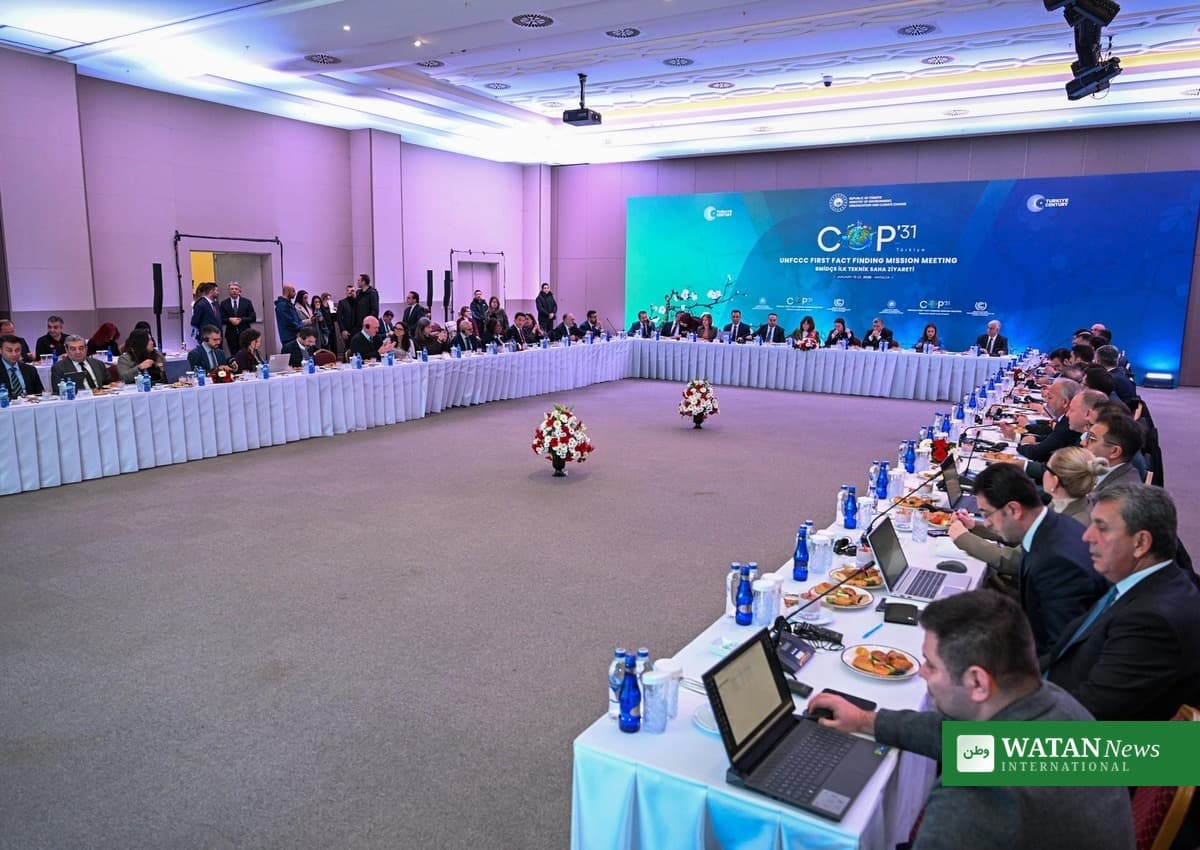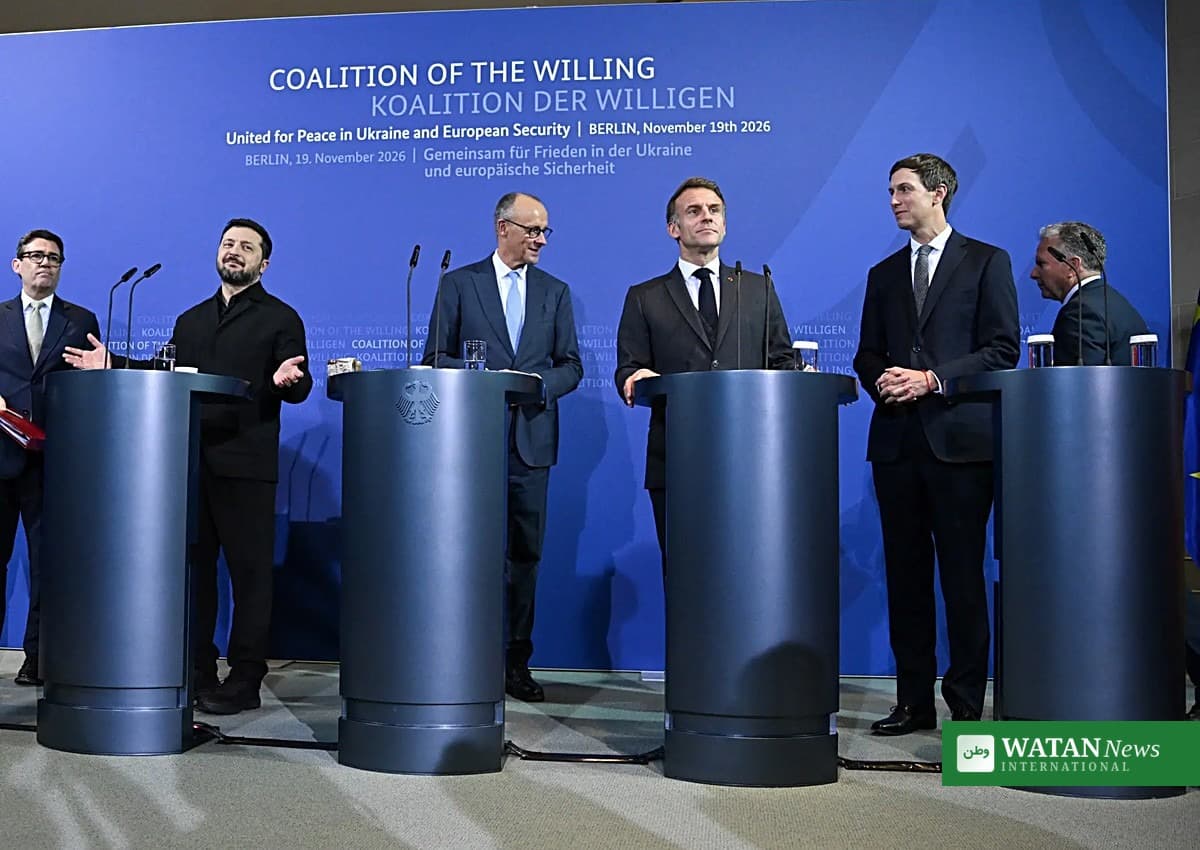
European leaders have said Europe is ready to enter negotiations to end the war in Ukraine, after a meeting of the Coalition of the Willing in Berlin brought together Ukraine’s allies and envoys of United States President Donald Trump.
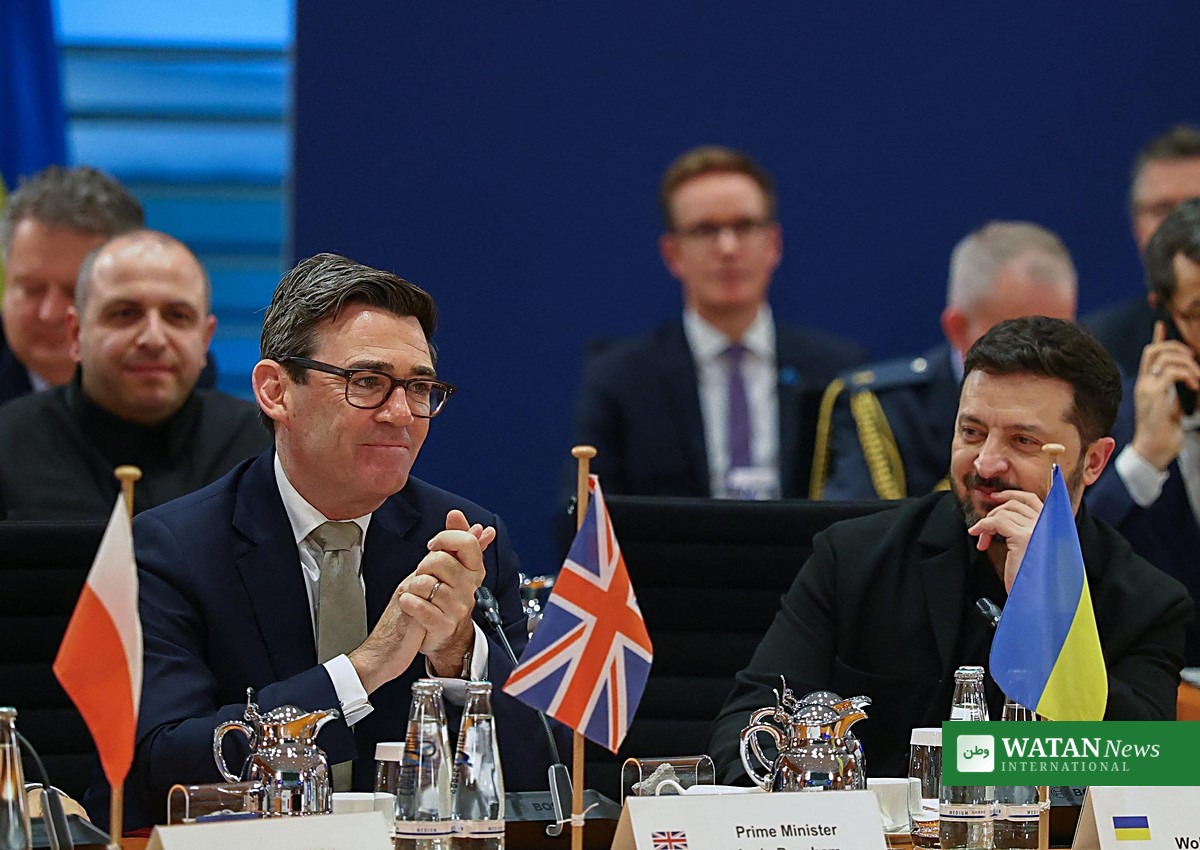
British Prime Minister Andy Burnham said Europe was “strong and organised” and “ready to enter negotiations”, while stressing that a peace agreement between Ukraine and Russia must come before any discussion of Russia’s security demands. German Chancellor Friedrich Merz, who hosted the meeting at the Federal Chancellery, said peace talks could only succeed with Ukraine and Europe at the table.
FAKTA
- What: A meeting of the Coalition of the Willing, the group of Ukraine’s allies, in Berlin on Thursday, 19 November 2026.
- Who attended: German Chancellor Friedrich Merz, British Prime Minister Andy Burnham, French President Emmanuel Macron and Ukrainian President Volodymyr Zelenskyy, with US envoys Steve Witkoff and Jared Kushner.
- Key message: Europe is “ready to enter negotiations” on ending the war, but a peace deal between Ukraine and Russia must come first.
- Next step: European, Ukrainian and American advisers were due to meet at the Chancellery on Thursday evening for a further round of talks.
- Context: The meeting came hours after the first trilateral summit of the US, Chinese and Russian presidents in Shenzhen.
Europe “ready to enter negotiations” on Ukraine peace talks
Speaking alongside the other leaders after the meeting, Mr Burnham said Europe had “a clear and consistent and united negotiating position”.
“It is not for the aggressor in this conflict to set out wide-ranging and unrealistic security demands,” he said. “However, we are ready to enter serious discussions on European security, as long as it is matched with a serious discussion, and crucially, only first if there is a peace agreement between Ukraine and Russia.”
Mr Merz said Europe wanted to contribute to the negotiations “together in a team with Kyiv and Washington”, adding that preparations were well under way. He described the earlier summit in Shenzhen as a “photo op” and warned that any deal made without Europe at the table would fail.
Mr Zelenskyy said how long the war dragged on would depend on “the readiness of the US to mediate and pressure Russia”. “We do not want Russia to drag all of this out into the winter,” he said. “Pressure is needed. Europe is ready with new sanctions and new steps to support Ukraine and the Ukrainian people.”
US envoys at the table
US special envoy Steve Witkoff and Jared Kushner, the US president’s son-in-law, took part in the Berlin meeting, and Mr Kushner said President Trump had dialled into the talks. “We do believe that Russia having Europe at the table will be essential for ending the war,” Mr Kushner said.
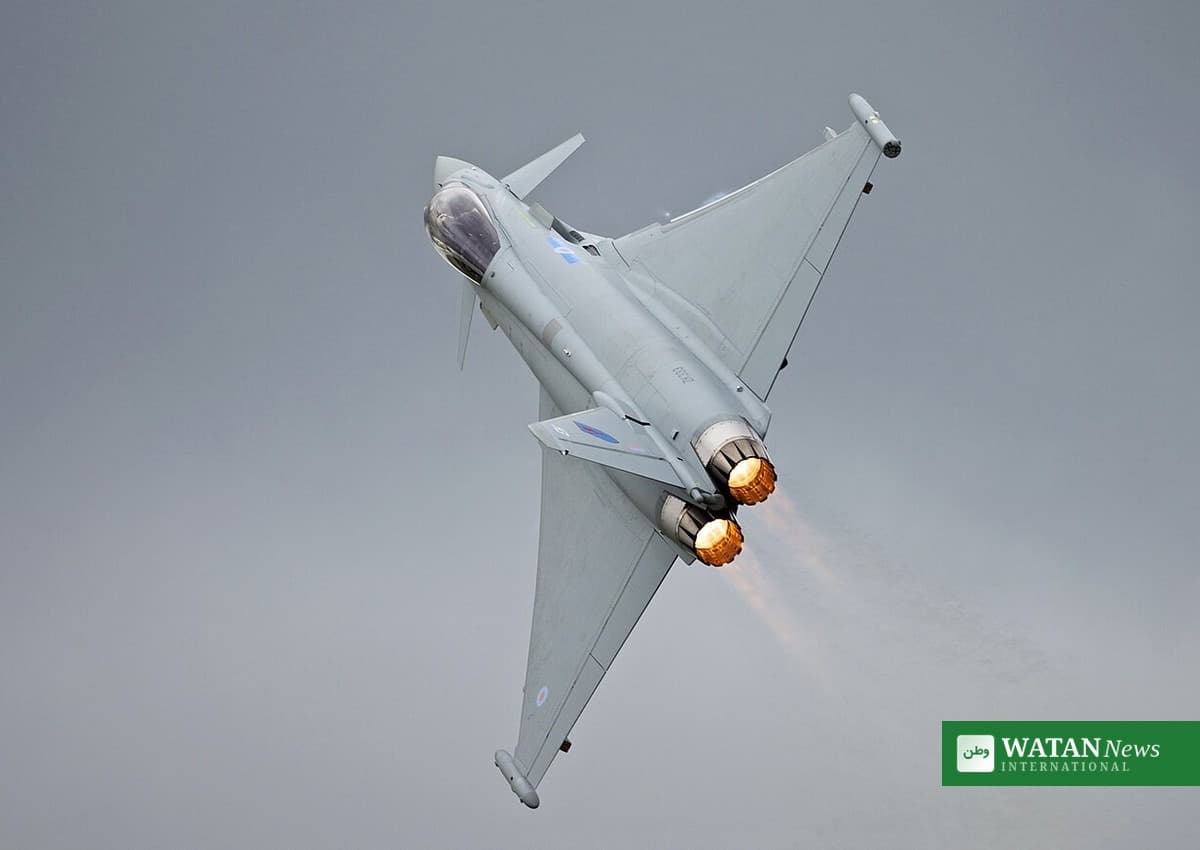
Mr Burnham also confirmed in Berlin that Britain would supply more than 1,000 British-built long-range strike drones to Ukraine as part of a £260 million package, with some of the drones able to fly more than 1,000 kilometres. Germany pledged to buy jointly produced medium- and deep-strike drones, and Norway promised $300 million to buy Ukrainian drones, according to a Ukrainian defence ministry readout.
What happens next
Mr Merz said European, Ukrainian and American advisers would gather at the Chancellery on Thursday evening for a next round of talks. No date has been set for a further round of negotiations between Ukraine, Russia and the United States, following US-brokered talks in Abu Dhabi last week.
Moscow has not agreed to include European representatives in the next round of direct negotiations, Kremlin aide Yuri Ushakov said, and President Vladimir Putin has expressed scepticism about European involvement in the US-mediated peace talks.
The Shenzhen backdrop
The Berlin meeting came hours after Mr Trump met Russian President Vladimir Putin and Chinese President Xi Jinping in Shenzhen for the first trilateral summit of the three leaders, ending with a four-point peace declaration that did not mention Ukraine. Speaking afterwards, Mr Putin ruled out ceasefire talks after Ukrainian strikes on the Crimea Bridge and warned that Russia’s response would be “far more painful”.