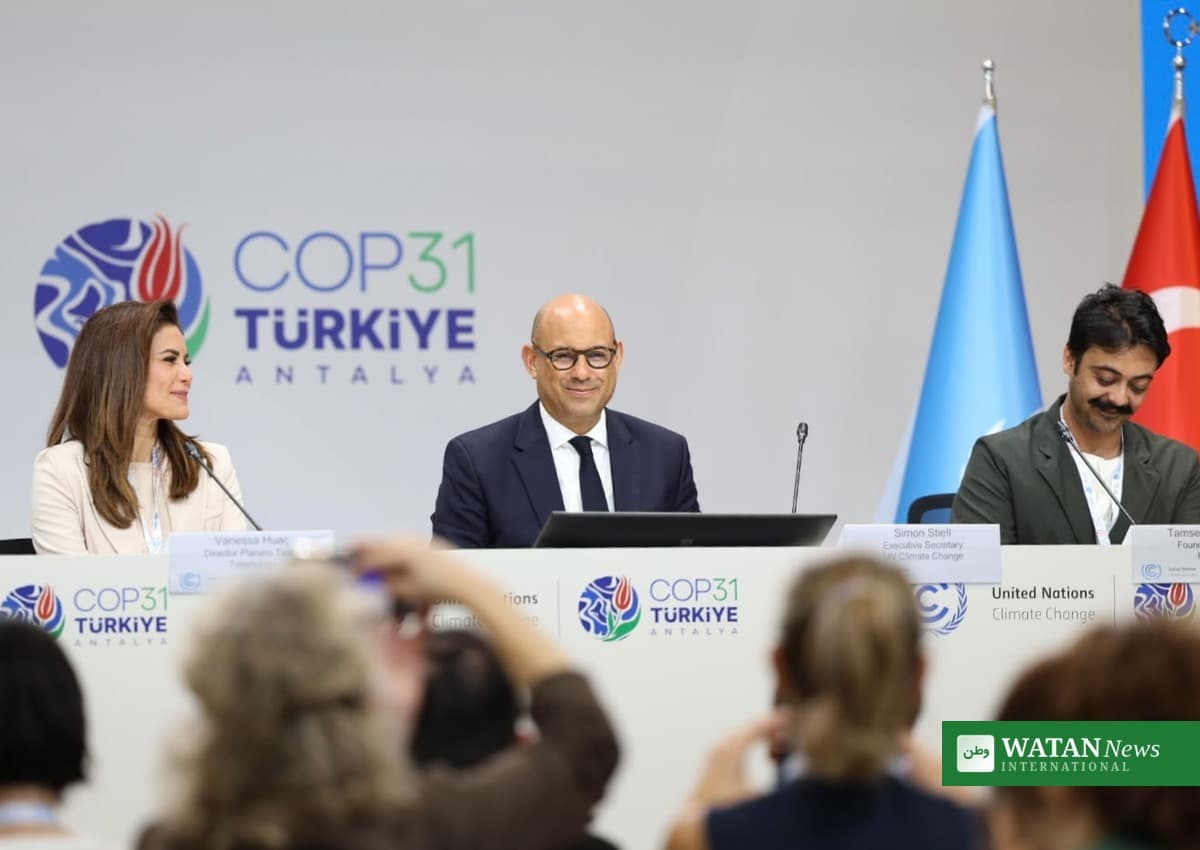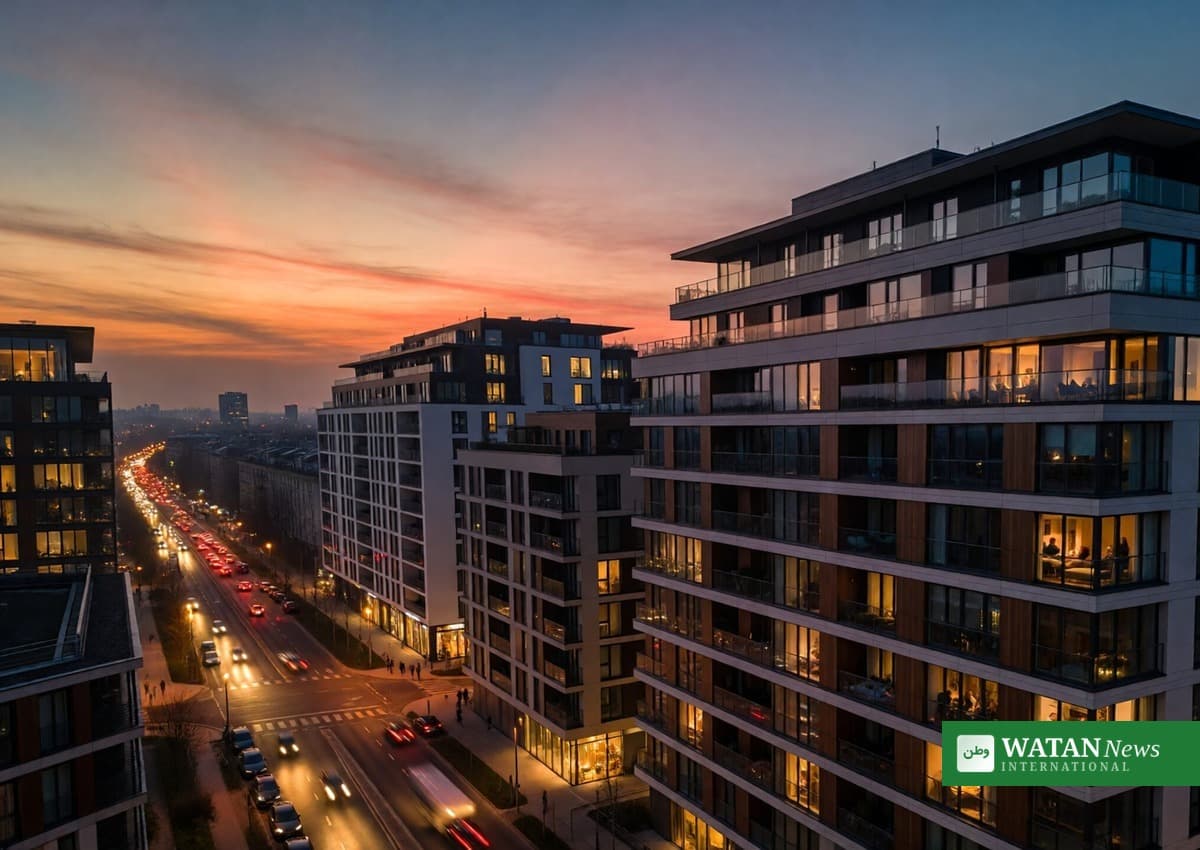
ANTALYA — COP31 has put homes at the centre of the climate talks. But as the conference enters its final day, the question hanging over its housing agenda is a simple one: will the money follow?
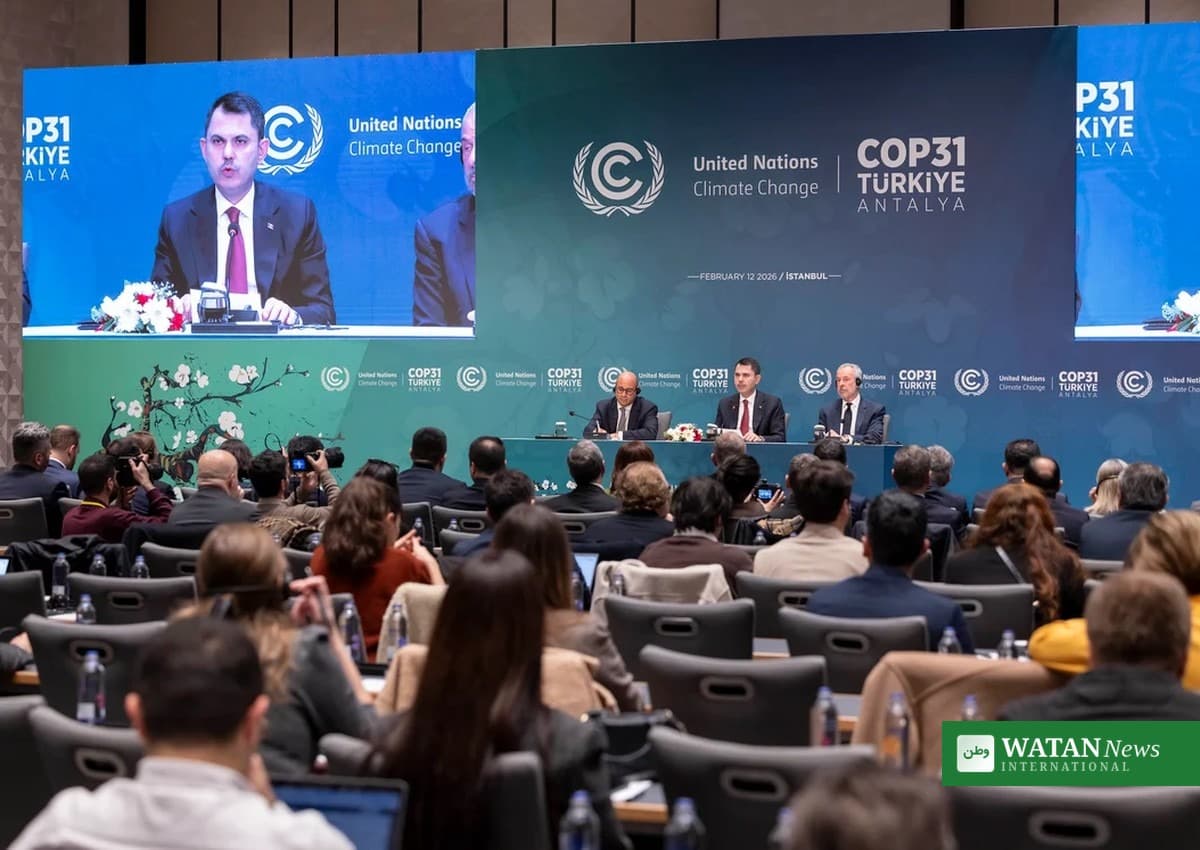
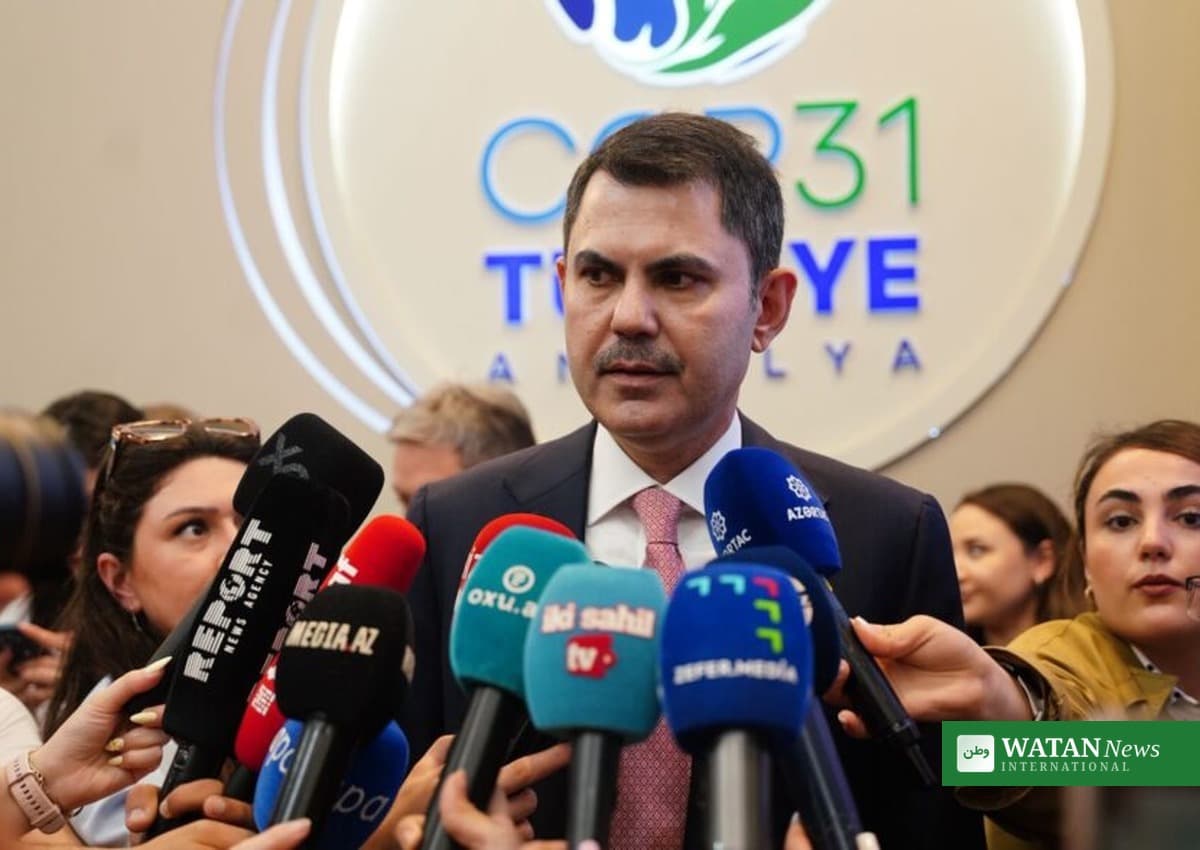
On Resilient Cities and Built Environment Day, part of the Leaders Summit, COP31 President Murat Kurum said climate action “has to deliver where people live” — in “the homes people live in, the infrastructure they depend on and the energy they use every day”. Kurum, who is also Türkiye’s environment and urbanisation minister, pointed to his country’s post-earthquake reconstruction as an example of resilient urban development.
What COP31 promised for homes
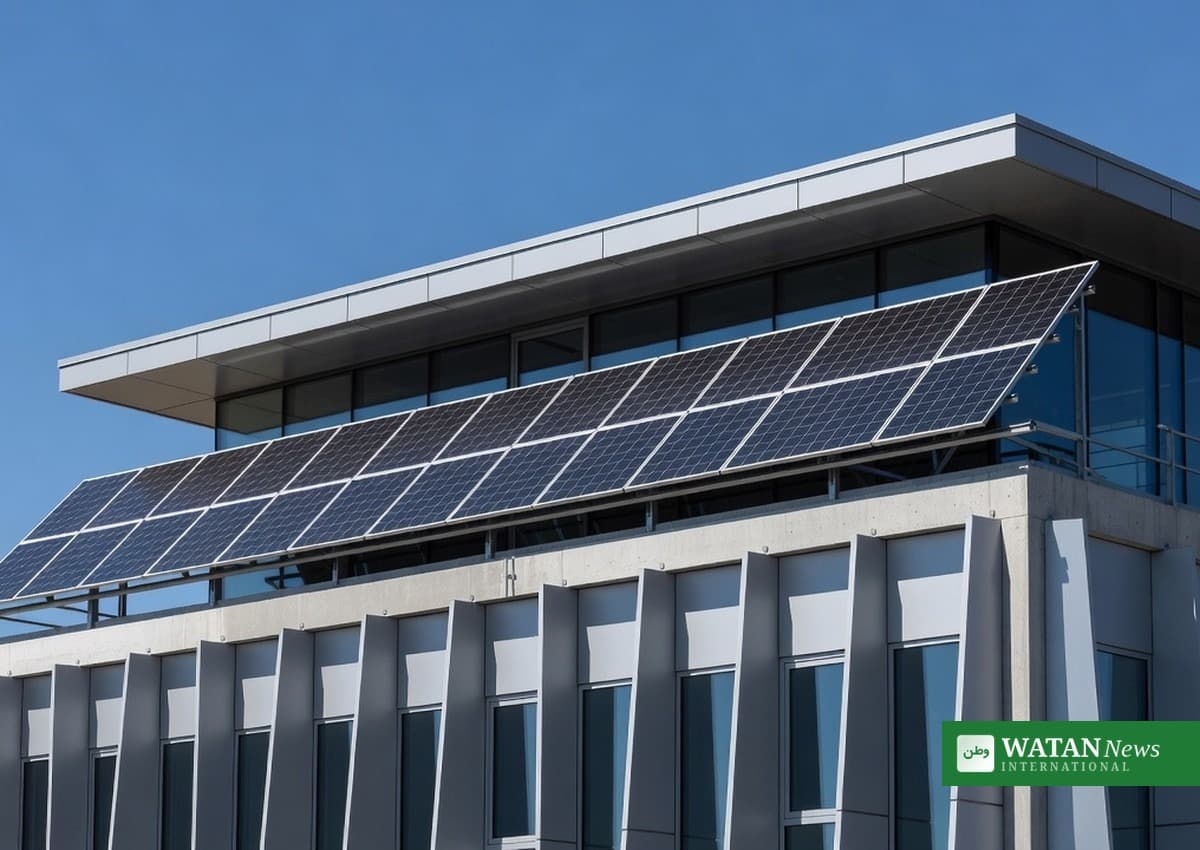
The Presidency announced two initiatives for cities and buildings. The Antalya Compact for Energy Efficient Buildings, launched on 29 October and put before ministers at the Intergovernmental Council for Buildings and Climate meeting on 12 November, is a voluntary framework that aims to cut the operational energy intensity of the world’s building stock by at least 25 percent by 2035, compared with 2020 levels. It was developed under the COP31 Presidency of Türkiye with support from the secretariat of the UN Environment Programme-hosted Global Alliance for Buildings and Construction.
The second initiative is the Sustainable Urban Resilience Financing Facility, known as SURFF, which is intended to help cities turn their climate plans into investment-ready projects. No budget or timeline was announced for the facility.
The stakes are large. According to the UN Environment Programme’s Global Status Report for Buildings and Construction 2025–2026, buildings are responsible for almost 40 percent of energy-related carbon dioxide emissions and energy demand.
The financing gap
Cities are now part of the climate plans, but the money has not kept pace. UN-Habitat found that 80 percent of new national climate plans submitted in 2025–2026 have well-developed urban components, up from 49 percent in 2020–2021. Yet only 47 of 128 plans identify a specific urban financing mechanism.
India shows the scale of the gap. The World Bank estimates that India’s cities will need around US$2.4 trillion by 2050, while private finance accounts for only about 5 percent of urban infrastructure investment. WRI India estimates annual urban adaptation needs at US$67 billion. India’s 2031–35 climate plan supports resilient urban planning and efficient buildings, but it sets no specific targets for cities.
Aravind Unni, an urban practitioner and policy researcher, welcomed the attention to cities but cautioned against treating declarations as outcomes. “Declarations are meant to signal the direction in which we may move,” he said. He described the 25 percent building energy-intensity target as something India “would have anyways endorsed”.
Unni was less convinced that new financing mechanisms alone would reach the cities that need them most. Much of the work required, he argued, is “not really bankable”. “Adaptation and betterment of people’s lives cannot be dependent on private finance. It can be a part of the programme, but the huge section has to be reinvestment in cities through public finance.”
For Unni, money alone is not enough. “Decentralisation is the key. Actual transfer of powers to the cities,” he said, arguing that local governments need the authority to plan and carry out climate action themselves.
Housing takes the floor in Antalya
The financing question was put directly to COP31 on Wednesday 19 November, when a session titled “Delivering Climate Action Through Housing: Financing Resilient, Low-Carbon Urban Futures” met in Side Event Room Purple from 11:30 to 13:30. Organised by Build Change, the Government of France, Habitat for Humanity International and the Lincoln Institute of Land Policy, it examined financing tools for resilient, low-carbon housing, including public subsidies, climate finance for retrofits, land-based financing and approaches to decarbonising real estate. The session built on the Belém Call to Action on Sustainable and Affordable Housing, which links climate action directly with housing affordability.
A day earlier, a session called “Building for All: Centering Informality in a Resilient Built Environment” heard that 1.1 billion people live in informal settlements, and that most housing across the Global South is built incrementally by homeowners and informal labourers. Its message was that the most affordable and scalable path to safe, low-carbon housing is to support the people who already build, so they can upgrade existing homes and build new ones resiliently.
India’s flagship housing scheme, Pradhan Mantri Awas Yojana, was held up as an opportunity: homes built through public investment could incorporate designs that lower indoor temperatures by three or four degrees at night, allowing residents to recover from daytime heat. For Unni, that is “more of a justice and a comfort issue rather than an efficiency issue”. “We can’t build our way out of this,” he added. Existing housing schemes and urban master plans, he said, must incorporate climate considerations from the outset.
A long climb up the agenda
Cities have climbed the COP agenda step by step. COP26 in Glasgow in 2021 emphasised multilevel climate action and launched the Race to Resilience. COP27 in 2022 held the first-ever urban ministerial and launched the SURGe initiative. COP28 in 2023 introduced CHAMP, through which 64 countries agreed to involve cities in developing national climate plans, and launched the Buildings Breakthrough, a 27-country initiative for near-zero-emission and resilient buildings by 2030. COP29 in 2024 established the Baku Continuity Coalition on Urban Climate Action and the MAP Declaration for resilient and healthy cities. COP30 in 2025 held the fourth Urbanisation Ministerial and introduced a heat-resilience initiative linked to the Global Cooling Pledge.
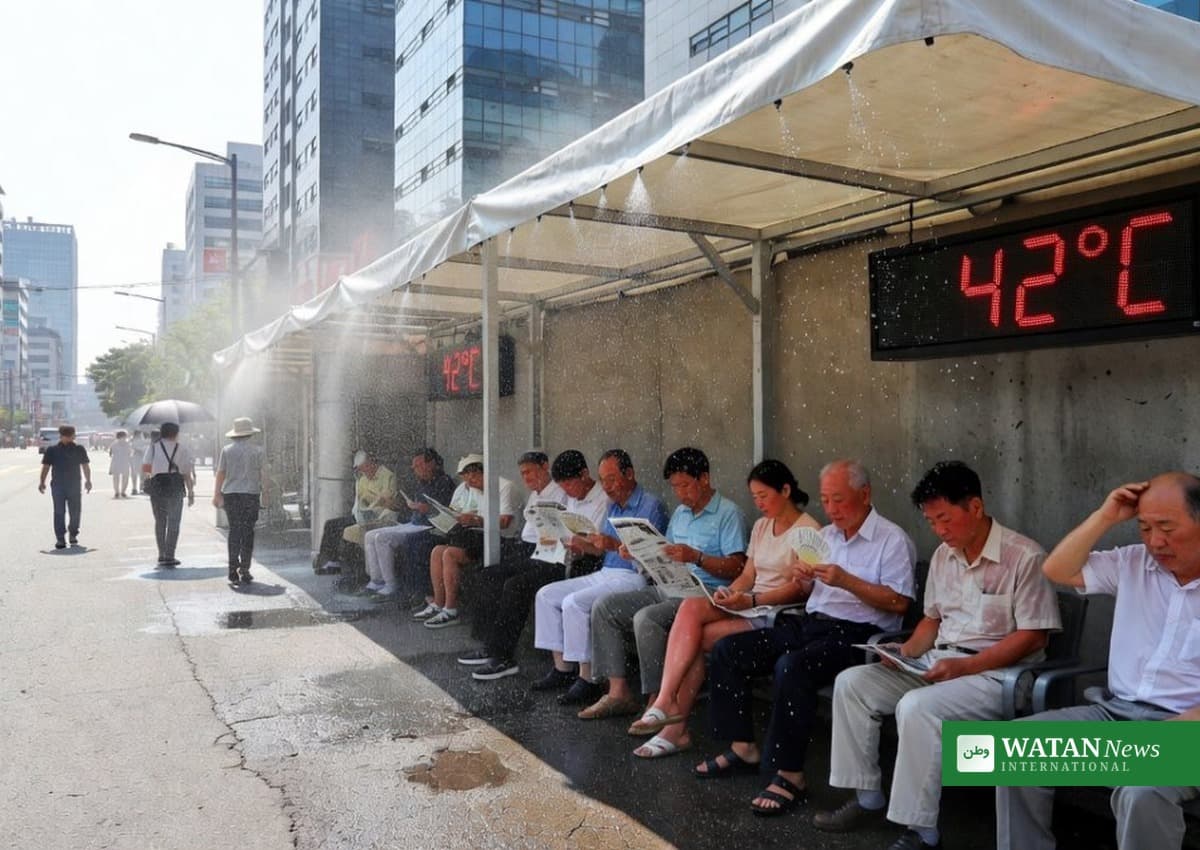
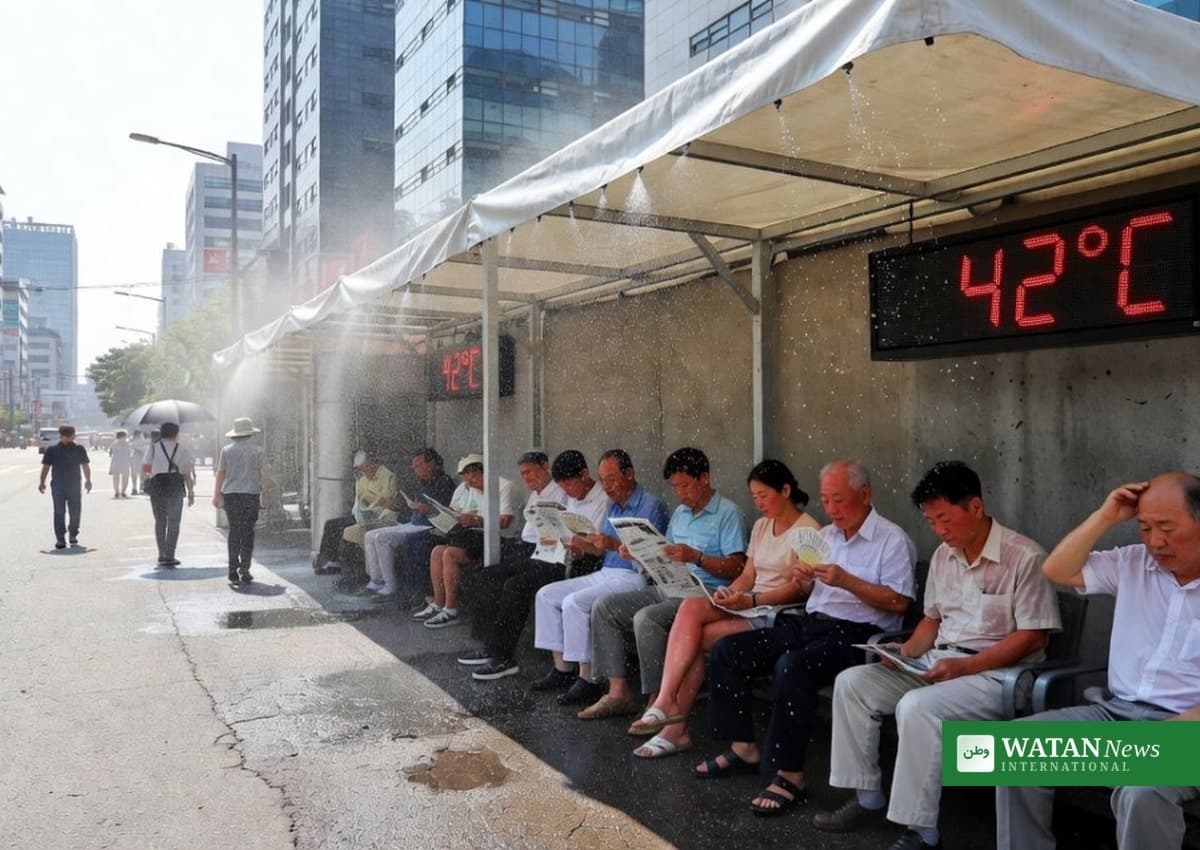
Heat shows what money and planning can do. After a 2010 heatwave associated with 1,344 excess deaths, the Indian city of Ahmedabad introduced the country’s first heat action plan. A study supported by the Natural Resources Defense Council found that the plan contributed to approximately 1,000 fewer deaths annually on hot days after its full implementation in 2013. According to the Indian government, heat action plans have now been prepared by 23 states, 195 districts and 64 cities, and heatwaves have been added to the country’s list of notified natural disasters, so disaster mitigation funds can now support heat action plans.
What to watch on the final day
COP31 is scheduled to close on Friday 20 November, when the negotiated outcomes on adaptation and finance are expected. Whether cities get money, or simply more recognition, will become clearer then.
For now, the housing agenda has something it lacked at earlier COPs: a target, a proposed financing facility and a full day of sessions on how homes are financed and built. What it does not yet have is the funding to match. That is the test the final day must pass.
Read more: COP31: Haier’s Five Pathways Show Climate Action Starts at Home and COP31 Day Two: Resilient Cities Take Centre Stage as Leaders’ Summit Closes in Antalya.
Key facts
- What: COP31’s housing agenda — the Antalya Compact, the SURFF financing facility and housing finance sessions in Antalya.
- Antalya Compact target: cut the operational energy intensity of the global building stock by at least 25 percent by 2035, compared with 2020 levels.
- SURFF: a new facility to help cities turn climate plans into investment-ready projects — no budget or timeline announced.
- Buildings: almost 40 percent of energy-related carbon dioxide emissions and energy demand, according to UNEP.
- Informal settlements: 1.1 billion people live in them, according to the COP31 “Building for All” session.
- Final test: negotiated outcomes on adaptation and finance expected when COP31 closes on 20 November 2026.