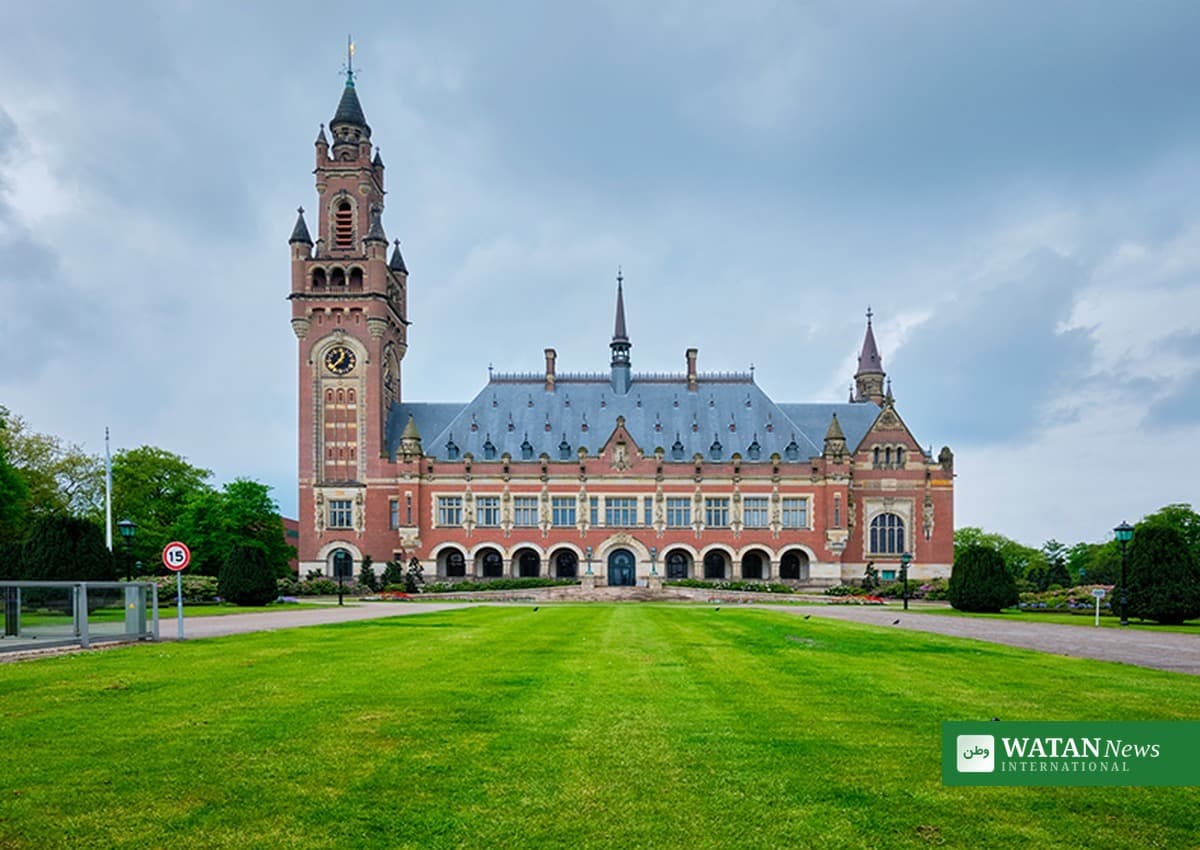
The International Court of Justice began delivering the Myanmar Rohingya genocide verdict on Thursday, finding that Myanmar’s security forces killed around 10,000 Rohingya civilians in the 2017 military crackdown and committed widespread sexual violence. The court’s final decision on whether Myanmar committed genocide is still to come, as the reading of the judgment continues at the Peace Palace in The Hague.
FAKTA
- The International Court of Justice began reading its judgment in The Gambia v. Myanmar on Thursday, 19 November 2026, at the Peace Palace in The Hague
- The court found that Myanmar’s security forces killed around 10,000 Rohingya civilians in 2017, committed widespread sexual violence and exceptionally brutal crimes against children, and attacked Rohingya as they fled
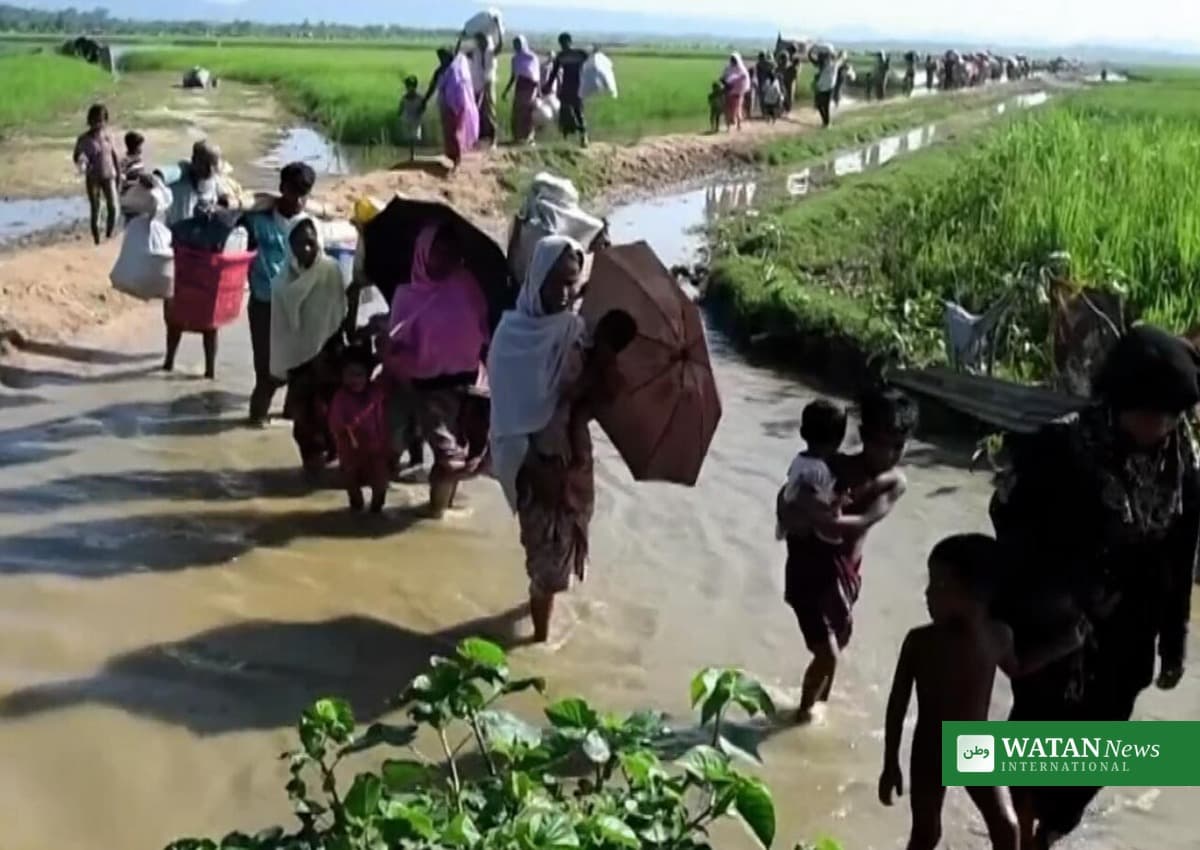
- More than 700,000 Rohingya fled to Bangladesh during the 2017 crackdown; around 1.2 million now live in the Cox’s Bazar refugee camps
- The Gambia brought the case in November 2019 with the backing of the 57-member Organisation of Islamic Cooperation
- The court heard the merits of the case from 12 to 29 January 2026, including closed-door testimony from Rohingya witnesses
- The judgment is final and cannot be appealed, but the court has no means of enforcing it beyond reporting non-compliance to the United Nations Security Council
- It is the court’s first ruling on the merits of a genocide case in more than a decade; it has never before found a state responsible for genocide
Myanmar Rohingya genocide verdict: what the court has found so far
Court President Judge Yuji Iwasawa read the court’s findings at a public sitting that began at 10:00 local time and was expected to last around three hours. “The Court finds that Myanmar’s security forces killed thousands of Rohingya civilians, perpetrated widespread acts of sexual violence as well as acts of extreme violence against children and attacked fleeing Rohingya as they sought to flee in large numbers to Bangladesh,” the court said.
The figure of around 10,000 people killed was presented at the start of the session, as the court set out the evidence from the military operations in Rakhine State in 2017. The violence forced hundreds of thousands of members of the predominantly Muslim minority to flee across the border to Bangladesh, where most remain in sprawling refugee camps.
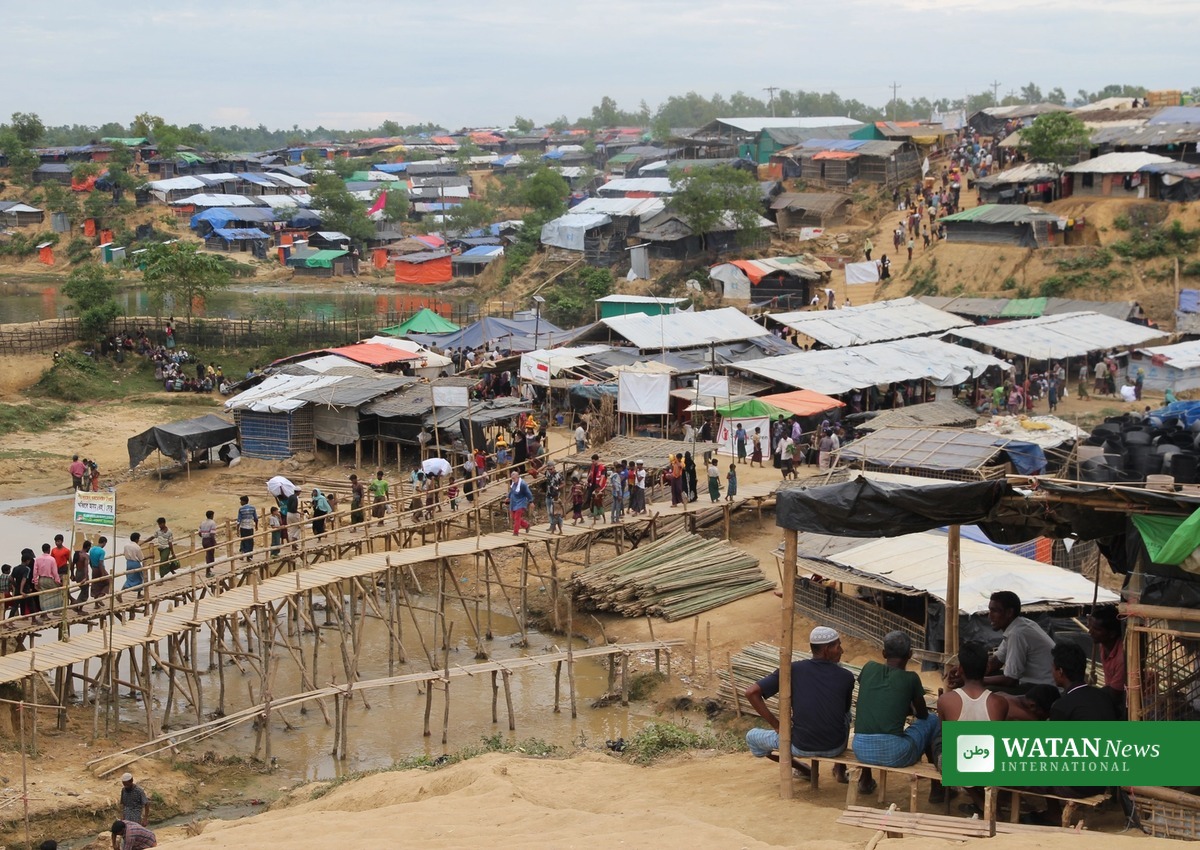
Rohingya refugees in the Cox’s Bazar camp in Bangladesh, where more than a million people fled after Myanmar’s 2017 military crackdown. File photo.
A case seven years in the making
The Gambia filed the case on 11 November 2019, arguing that Myanmar had breached the 1948 Convention on the Prevention and Punishment of the Crime of Genocide through its campaign against the Rohingya. It was the first time a country with no direct connection to the alleged crimes had brought a genocide case to the court. The case was announced in a preview of the verdict date earlier this month.
Myanmar’s military began what it called clearance operations in Rakhine State in October 2016, followed by a far larger campaign from 25 August 2017, after attacks by the Arakan Rohingya Salvation Army on police posts. United Nations investigators found that soldiers razed hundreds of villages, carried out mass killings and routinely raped Rohingya women, girls and boys. The United States has described the 2017 campaign as genocide.
In January 2020 the court unanimously ordered Myanmar to take all measures within its power to prevent genocidal acts against the Rohingya, preserve evidence and report on its compliance. The court rejected Myanmar’s objections to its jurisdiction in July 2022, and eleven states — including the United Kingdom, Canada, Denmark, France, Germany and the Netherlands — intervened in support of The Gambia. Myanmar’s then leader Aung San Suu Kyi personally defended the country at the court in December 2019; she was overthrown in a military coup in February 2021.
What the judgment will decide
The central question before the judges is whether Myanmar, as a state, committed genocide against the Rohingya and thereby breached its obligations under the Genocide Convention. To establish genocide, the court must find that the acts were committed with the specific intent to destroy the Rohingya in whole or in part — a test no state has ever been found to meet at the court.
The Gambia has asked the court to order Myanmar to cease any continuing violations, punish those responsible, and pay reparations to Rohingya victims, including granting them full citizenship and the right to return home. The ruling is being watched closely for its bearing on other pending genocide cases, including South Africa’s case against Israel over Gaza.
Myanmar’s defence
Myanmar has denied committing genocide, saying its forces were responding to attacks by armed groups as part of a legitimate counterterrorism operation. It has argued that the evidence does not meet the legal threshold for genocide and that the campaign was a response to the insurgent attacks on police posts in August 2017, in which 12 security personnel were killed.
Read more on watannews.dk.