LIVE
BREAKING
Aspen Youth Ambassador Grant Offers Up to $1,500 for Youth Climate ProjectsEurope Heat Deaths Top 50,000 in Deadliest Summer on Record25 Youth-Led Groups Named Emerging Climate Champions, Awarded $1 Million EachFrance Braces for Weekend Protests as Museums and Events CloseGreece Bans Social Media for Children Under 15 From 2027COP17 Finance Fight: Who Should Pay to Save Nature as Yerevan Talks Reach Decisive WeekSouth Korea Renews Call for Military Talks with North Korea to Ease Border TensionsNew Zealand Defence Chief Tony Davies Resigns Over Undisclosed RelationshipEuromed Climate Education Survey Extended to 30 October Ahead of COP31 in AntalyaIrene Dankelman Young Ecofeminist Award 2026: Three Young Leaders Honoured at COP17US Bans BYD Cars From Kadena Air Base in Japan Over Security ConcernsPacific Tourism Climate Action Plan Advances in HoniaraSwissport and NCBA Plant 5,000 Trees in Kiambu as 10,000-Tree Drive BeginsSouth Africa Joins $60 Million Circular Electronics ProgrammeChina Urges COP31 to Put Implementation and Climate Finance FirstTom Skerritt, ‘Alien’ and ‘Top Gun’ Star, Dies at 93Luxury Destinations 2026: Banff, Florence, Rote, London, Rome and Austin Lead October’s New OpeningsDown Syndrome Education Awards 2026: $75,000 for 10 Community ProgrammesShilla Monogram Hanoi Westlake Opens 23 October With 319 Rooms Overlooking West LakeGhana Moves to Standardise Mining Pay Ahead of December Contractor ShiftAspen Youth Ambassador Grant Offers Up to $1,500 for Youth Climate ProjectsEurope Heat Deaths Top 50,000 in Deadliest Summer on Record25 Youth-Led Groups Named Emerging Climate Champions, Awarded $1 Million EachFrance Braces for Weekend Protests as Museums and Events CloseGreece Bans Social Media for Children Under 15 From 2027COP17 Finance Fight: Who Should Pay to Save Nature as Yerevan Talks Reach Decisive WeekSouth Korea Renews Call for Military Talks with North Korea to Ease Border TensionsNew Zealand Defence Chief Tony Davies Resigns Over Undisclosed RelationshipEuromed Climate Education Survey Extended to 30 October Ahead of COP31 in AntalyaIrene Dankelman Young Ecofeminist Award 2026: Three Young Leaders Honoured at COP17US Bans BYD Cars From Kadena Air Base in Japan Over Security ConcernsPacific Tourism Climate Action Plan Advances in HoniaraSwissport and NCBA Plant 5,000 Trees in Kiambu as 10,000-Tree Drive BeginsSouth Africa Joins $60 Million Circular Electronics ProgrammeChina Urges COP31 to Put Implementation and Climate Finance FirstTom Skerritt, ‘Alien’ and ‘Top Gun’ Star, Dies at 93Luxury Destinations 2026: Banff, Florence, Rote, London, Rome and Austin Lead October’s New OpeningsDown Syndrome Education Awards 2026: $75,000 for 10 Community ProgrammesShilla Monogram Hanoi Westlake Opens 23 October With 319 Rooms Overlooking West LakeGhana Moves to Standardise Mining Pay Ahead of December Contractor Shift
Europe

Europe Heat Deaths Top 50,000 in Deadliest Summer on Record

News Desk 6Published October 23, 2026
Europe Heat Deaths Top 50,000 in Deadliest Summer on Record
Share this story

More than 50,000 people died in Europe’s cities during the summer of 2026 as repeated heatwaves scorched the continent, according to a new study published on Friday — making it the deadliest summer for heat on record in Europe. The Europe heat deaths study finds that nearly two-thirds of those deaths would not have happened without the extra warming caused by burning fossil fuels.

FAKTA: Europe heat deaths in summer 2026

  • 50,391 people are estimated to have died from heat in 854 cities across 30 countries between June and August 2026.
  • 32,619 of those deaths — nearly two-thirds — are attributed to human-caused climate change, the study finds.
  • The toll is 71 percent higher than the previous deadliest summer, 29,480 deaths in 2022, according to the same researchers.
  • The study covers the 27 European Union member states plus the United Kingdom, Norway and Switzerland — about 173 million people, or roughly 40 percent of Europe’s population.
  • Italy, France, Spain and Germany recorded the highest death tolls, the researchers report.
  • The figures are likely underestimates: they exclude a deadly heatwave in May and cover only the 854 cities studied, not whole countries.

The deadliest summer in the records

The research, led by Imperial College London and the London School of Hygiene and Tropical Medicine and published in the journal Nature Health, models heat-related deaths for different age groups across the 854 cities. Its records run back to 2000, and no earlier summer comes close to 2026.

The summer was the hottest on record for western Europe, with temperatures about 2.9 degrees Celsius above the 1991–2020 average, according to the study’s reporting. On individual days, some cities recorded temperatures 12 degrees Celsius above normal.

About one-third of all the deaths fell in a single intense spell, from June 17 to July 1, when temperatures ran 5.3 degrees Celsius above normal, said study co-author Garyfallos Konstantinoudis, a biostatistician at Imperial College London.

Official figures compiled by health authorities point in the same direction: France reported more than 8,000 heat-related deaths during the summer’s heatwaves, and Germany more than 16,000, according to Le Monde’s account of the study.
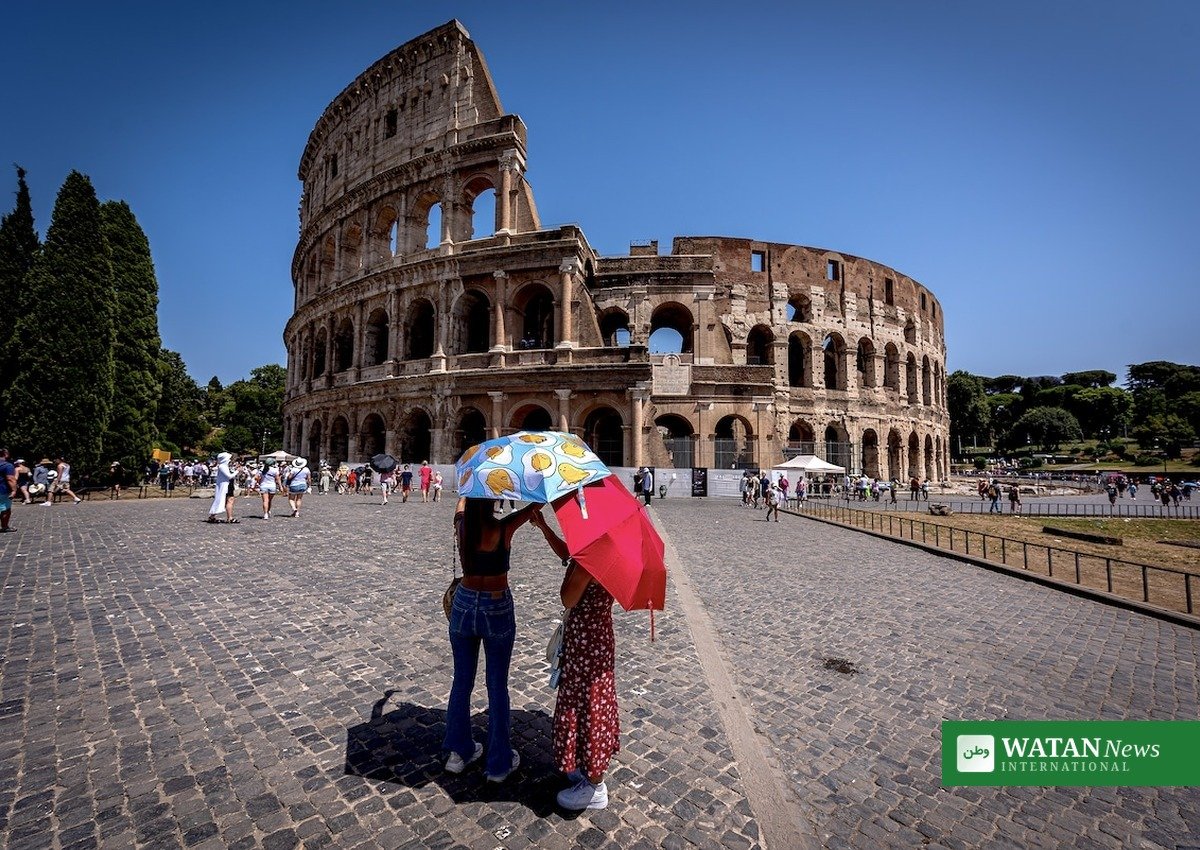
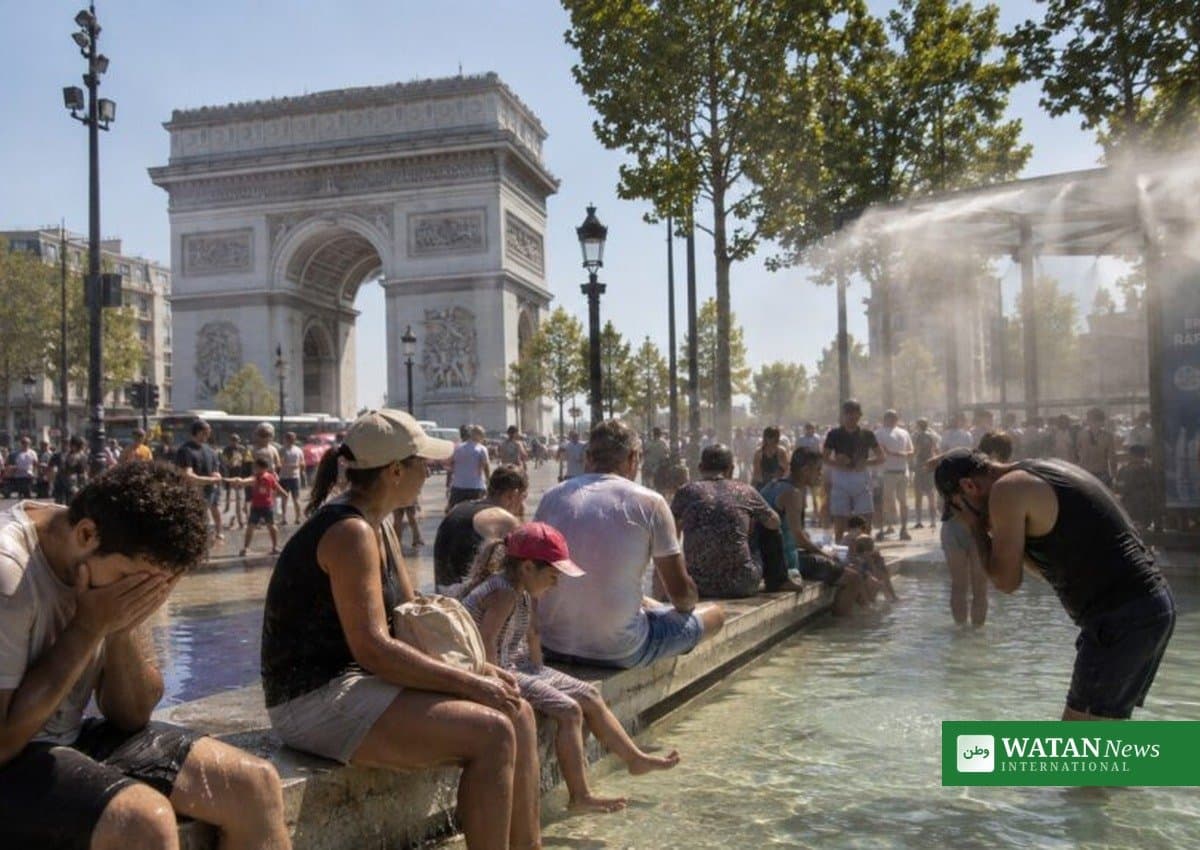
Europe heat deaths: tourists sheltering from the sun with umbrellas in Rome
People shelter from the sun in a European city during a summer heatwave. The study covers 854 cities across 30 countries.

Why the Europe heat deaths were so high

Lead author Clair Barnes, a climate scientist at Imperial College London, said Europe is the fastest-warming continent and is now 2.5 degrees Celsius hotter than in pre-industrial times. That underlying warming, she said, is what tips temperatures “from uncomfortable to dangerous and potentially deadly” for many people.

“Until we kick the fossil fuel habit, we will continue to see increasingly hot and dangerous summers,” Barnes said.

The share of heat deaths blamed on human-caused warming has itself grown, from about 45 percent in the early 2000s to about 65 percent now, Barnes said — a measure of how far the climate has already shifted.

The findings land just weeks before world leaders gather in Türkiye for the annual United Nations climate talks, and days after a UN report warned that the chance of holding global warming to 1.5 degrees Celsius above pre-industrial levels has now vanished.

Older people hit hardest

Older people bore the heaviest toll. People aged 75 and over accounted for nearly three-quarters of the deaths, and those aged 85 and over for about 22,500 of them, the study finds. But working-age adults were not spared: around 6,000 of the dead were aged between 20 and 64, including more than 800 aged between 20 and 44.

Of all European capitals, Rome had the highest heat death total over the period from 2000 to 2025, according to the team’s earlier study this month — a reminder that the danger is concentrated in cities, where concrete and asphalt trap the heat.

Barnes warned that much of western and northern Europe is simply not built for the temperatures now arriving. “Much of Western and Northern Europe, our infrastructure is just not designed to cope with the sort of temperatures that we are seeing now because of the effects of human-caused warming,” she said.

How the toll was calculated

Heat deaths are often underreported and rarely listed on death certificates, even when heat is a major factor, so the team used statistical modelling rather than death certificates alone. They ran simulations of a world without climate change and compared them with what actually happened this summer; the difference is the toll attributed to global warming.

The researchers checked their calculations against real-time government estimates, and they mostly matched closely: for heatwaves in Britain in May and June, the model calculated 2,700 excess deaths while the UK health statistics agency reported 2,800. Outside experts who were not part of the study described the methods as state of the art.

What researchers say must happen next

Doctors outside the study said preparation is now urgent but not sufficient on its own. Canadian emergency physician Dr. Courtney Howard called for heat early-warning systems, fair access to low-carbon cooling, and neighbourhood check-in systems for the people most at risk — alongside rapid cuts in fossil fuel use.

“We can’t just be mopping up the mess on the floor without thinking about turning the faucet off,” said Dr. Jonathan Patz of the University of Wisconsin-Madison, who was not part of the research. “We need better cooling and protecting vulnerable populations from inevitable increased frequency and extreme heat waves. But we also need to go to the root of the problem and absolutely address the burning of fossil fuels.”

For more coverage of Europe, see Watan News Europe coverage.
Related Stories

France Braces for Weekend Protests as Museums and Events CloseEurope

France Braces for Weekend Protests as Museums and Events Close

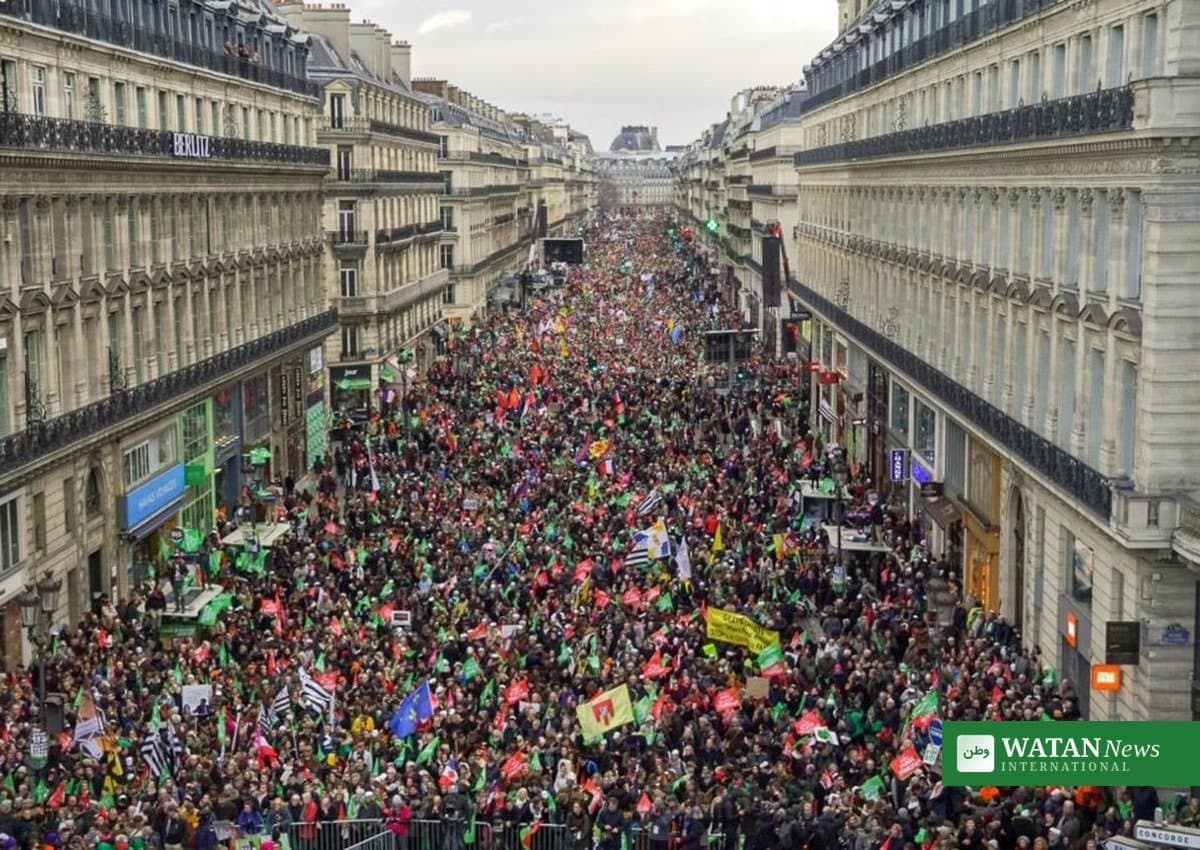
France is heading into another tense weekend as the France weekend protests continue, with businesses, museums and cultural events planning to close on Saturday despite new curbs on demonstrations. Authorities in Marseille and Lyon have banned all protests planned for Saturday, while Paris museums and the Art Basel Paris fair are among the venues shutting

Read full story
Greece Bans Social Media for Children Under 15 From 2027Europe

Greece Bans Social Media for Children Under 15 From 2027

Greece's parliament has approved a landmark law barring children under the age of 15 from using social media, making it one of the first European countries with a hard age limit for online platforms. The measure was passed on Friday, 23 October 2026, and will come into force on 1 January 2027, giving technology companies

Read full story
Canada’s Carney Makes Historic First Bilateral Visit to TürkiyeEurope

Canada’s Carney Makes Historic First Bilateral Visit to Türkiye

Canadian Prime Minister Mark Carney received a formal state welcome in Ankara on Thursday, opening the first dedicated bilateral visit by a Canadian leader to Türkiye. President Recep Tayyip Erdoğan greeted him at the Presidential Complex, where talks began on deepening cooperation between the two NATO allies in defence, energy and trade. FAKTA Who: Canadian

Read full story
International Criminal Court Wins EU’s 2026 Sakharov PrizeEurope

International Criminal Court Wins EU’s 2026 Sakharov Prize

The International Criminal Court has won the European Union’s 2026 Sakharov Prize, the European Parliament announced on Thursday, giving the Hague-based war crimes court its second major international honour in a single month. The ICC Sakharov Prize award was announced in Strasbourg by European Parliament President Roberta Metsola, who said the prize recognises the court’s

Read full story

Planet & environment

Climate & Sustainability

News, stories and solutions driving change towards a greener and more sustainable planet for future generations.

Aspen Youth Ambassador Grant Offers Up to $1,500 for Youth Climate Projects
Featured story

Aspen Youth Ambassador Grant Offers Up to $1,500 for Youth Climate Projects

The Aspen Youth Ambassador Grant is offering young people in Aspen, Colorado, up to $1,500 in funding plus mentorship to design and carry out their own community climate projects. Run under the City of Aspen's Commit to Tomorrow campaign, the programme turns young residents into local climate ambassadors: instead of only learning about climate change,

Read full story

GREEN JOURNALISM

EITB’s ‘Bizi Natura’ Wins Basque Environmental Communication Award 2026
Green Journalism

EITB’s ‘Bizi Natura’ Wins Basque Environmental Communication Award 2026

The Basque Association of Journalists and the Basque College of Journalists have announced that EITB’s wildlife programme “Bizi Natura” is the winner of the Basque environmental communication award 2026, the environmental section of the 15th Basque Journalism Awards. The announcement was made on 16 October 2026, honouring a programme that brought the Urdaibai Biosphere Reserve

Read full story
Forest Governance Media Workshop: EJN to Train 30 Journalists on Forest Reporting
Green Journalism

Forest Governance Media Workshop: EJN to Train 30 Journalists on Forest Reporting

The Earth Journalism Network (EJN) is bringing around 30 journalists together for a two-day forest governance media workshop on 21–22 October 2026, held virtually under its Forest Governance Media Initiative (FGMI) and with funding from UK International Development. The training aims to strengthen reporting on deforestation, community rights and sustainable forest management across Africa and

Read full story

Every Action Counts

Small steps today, big impact tomorrow.

Explore more stories