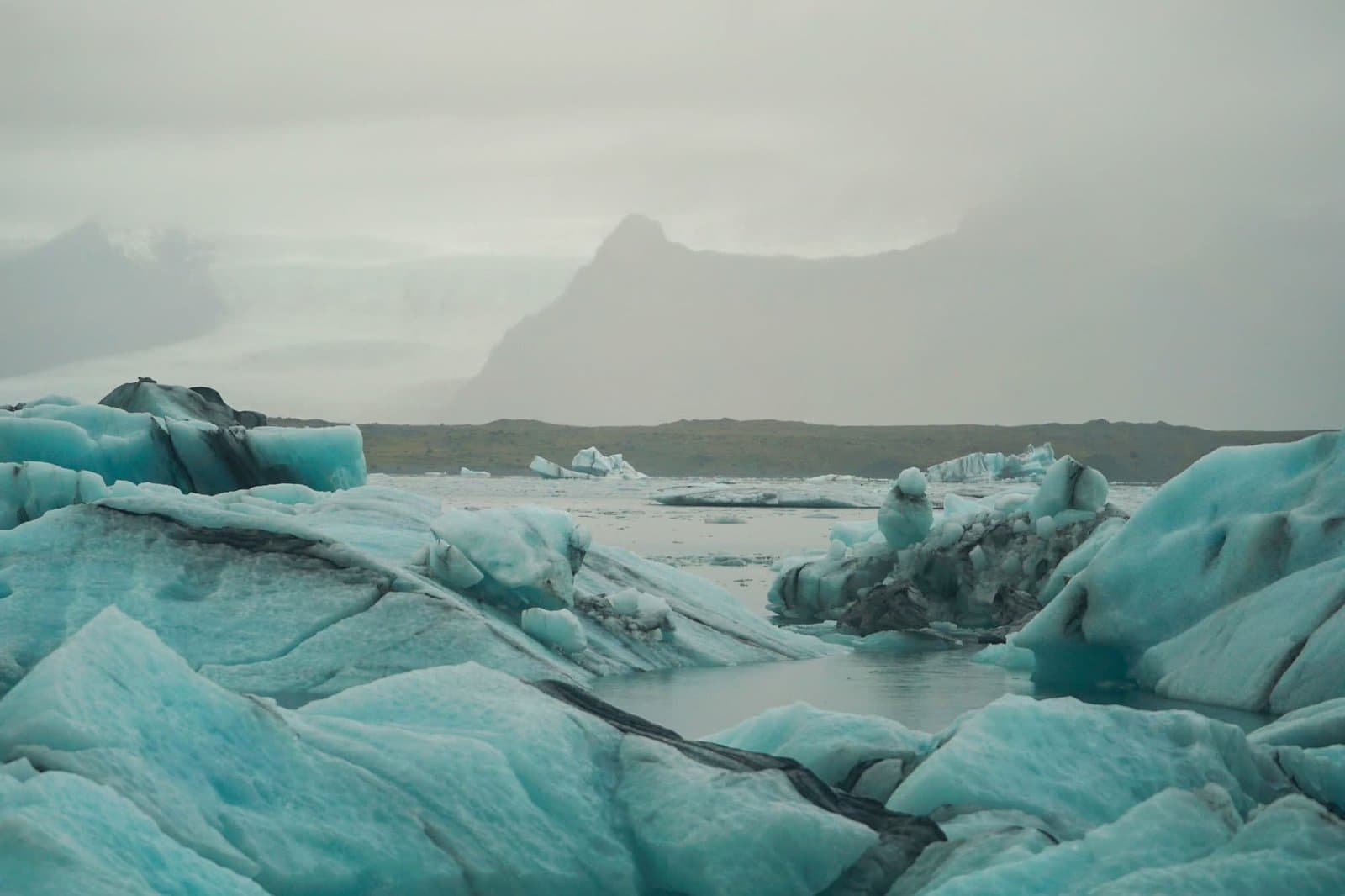
Global warming is one of the most pressing issues of our time, and its impact on glaciers in Iceland is a significant concern. The country’s glaciers have been melting at an alarming rate, contributing to rising sea levels and posing a threat to the environment.
The glaciers in Iceland are not only a natural wonder but also play a crucial role in regulating the Earth’s climate. However, due to global warming, these glaciers are melting at an unprecedented rate, causing sea levels to rise and posing a threat to coastal communities and ecosystems.
Key Takeaways
- The melting of glaciers in Iceland is a significant contributor to sea level rise.
- Global warming is the primary cause of glacier melting in Iceland.
- The impact of glacier melting on sea levels has severe implications for coastal communities and ecosystems.
- Reducing greenhouse gas emissions is crucial to mitigating the effects of global warming on glaciers and sea levels.
The Impact of Glacier Melting on Sea Levels
The melting of glaciers in Iceland has a significant impact on sea levels. As the glaciers melt, the water flows into the ocean, causing sea levels to rise. This, in turn, poses a threat to coastal communities and ecosystems, which are vulnerable to flooding and erosion.
The Causes of Glacier Melting in Iceland
Global warming is the primary cause of glacier melting in Iceland. The increase in temperature is causing the glaciers to melt at an unprecedented rate, contributing to sea level rise.
Consequences of Glacier Melting
The consequences of glacier melting in Iceland are severe. Rising sea levels pose a threat to coastal communities and ecosystems, and the loss of glaciers has a significant impact on the environment.
Mitigating the Effects of Global Warming
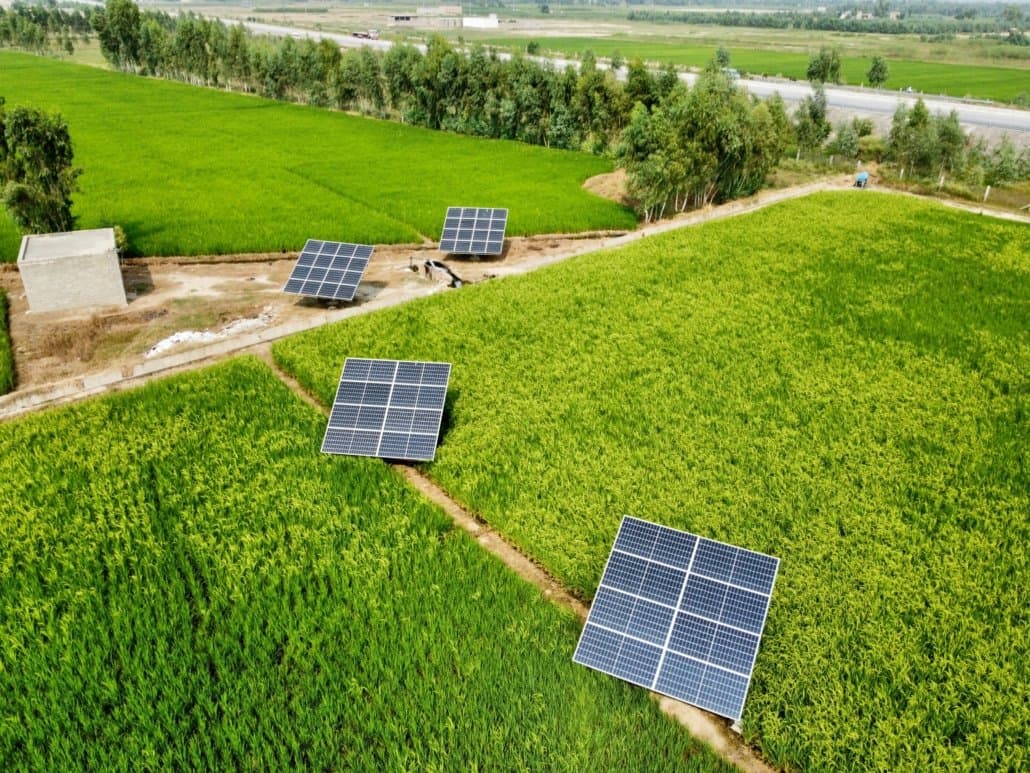
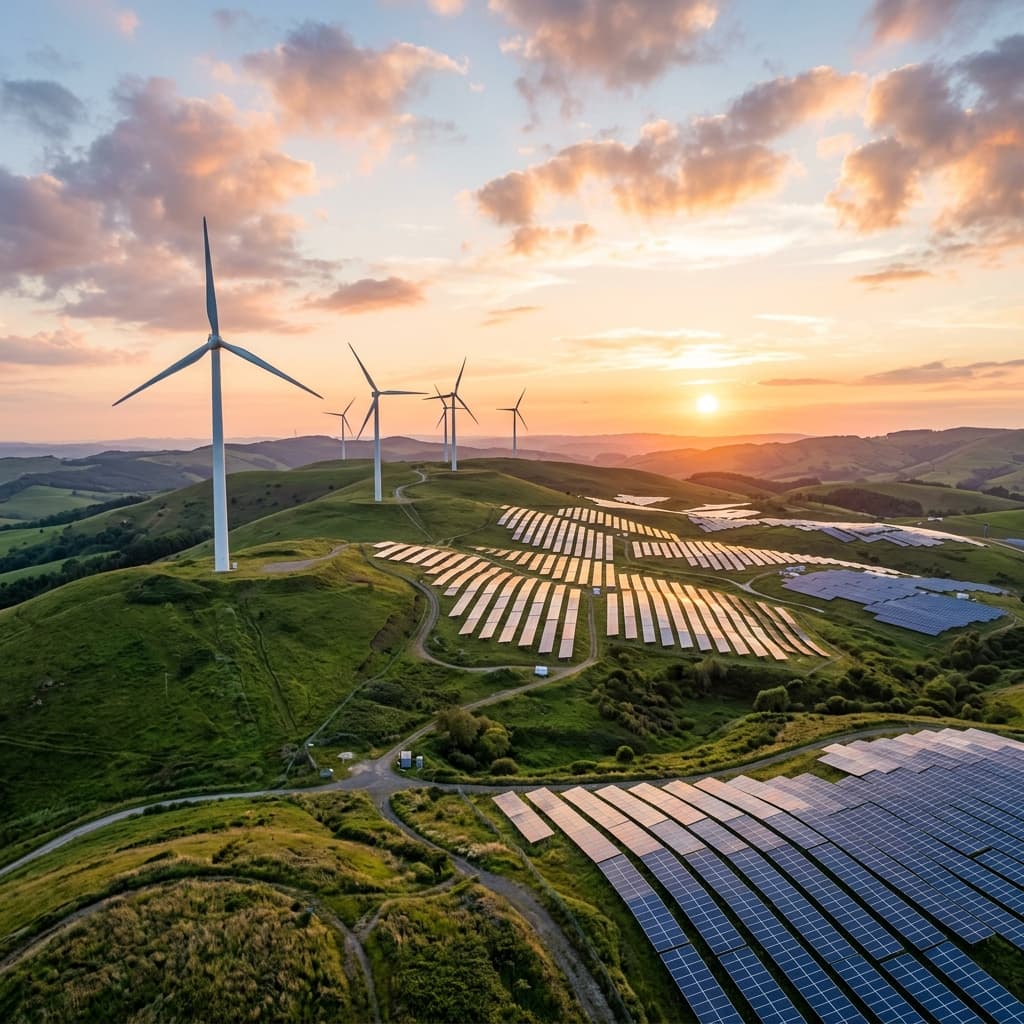
Reducing greenhouse gas emissions is crucial to mitigating the effects of global warming on glaciers and sea levels. Governments and individuals must take action to reduce their carbon footprint and transition to renewable energy sources.
Conclusion
The melting of glaciers in Iceland due to global warming has severe implications for sea levels. It is essential to take action to reduce greenhouse gas emissions and mitigate the effects of global warming on glaciers and sea levels.
Q1: What is the primary cause of glacier melting in Iceland?
A1: Global warming is the primary cause of glacier melting in Iceland.
Q2: What is the impact of glacier melting on sea levels?
A2: The melting of glaciers in Iceland contributes to sea level rise, posing a threat to coastal communities and ecosystems.
Q3: What can be done to mitigate the effects of global warming on glaciers and sea levels?
A3: Reducing greenhouse gas emissions is crucial to mitigating the effects of global warming on glaciers and sea levels.
Q4: Why is it essential to take action to reduce greenhouse gas emissions?
A4: Taking action to reduce greenhouse gas emissions is essential to mitigate the effects of global warming on glaciers and sea levels.
Q5: What is the significance of glaciers in regulating the Earth’s climate?
A5: Glaciers play a crucial role in regulating the Earth’s climate, and their melting has severe implications for the environment.