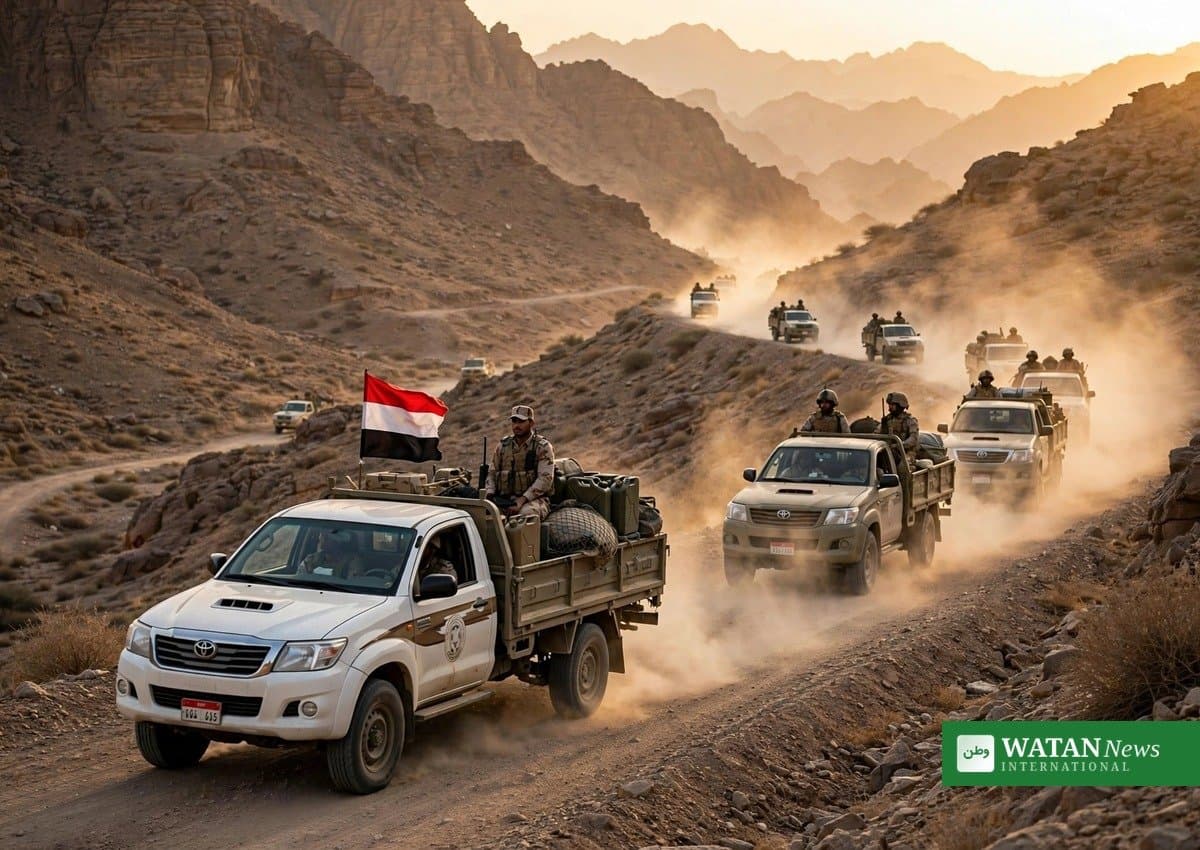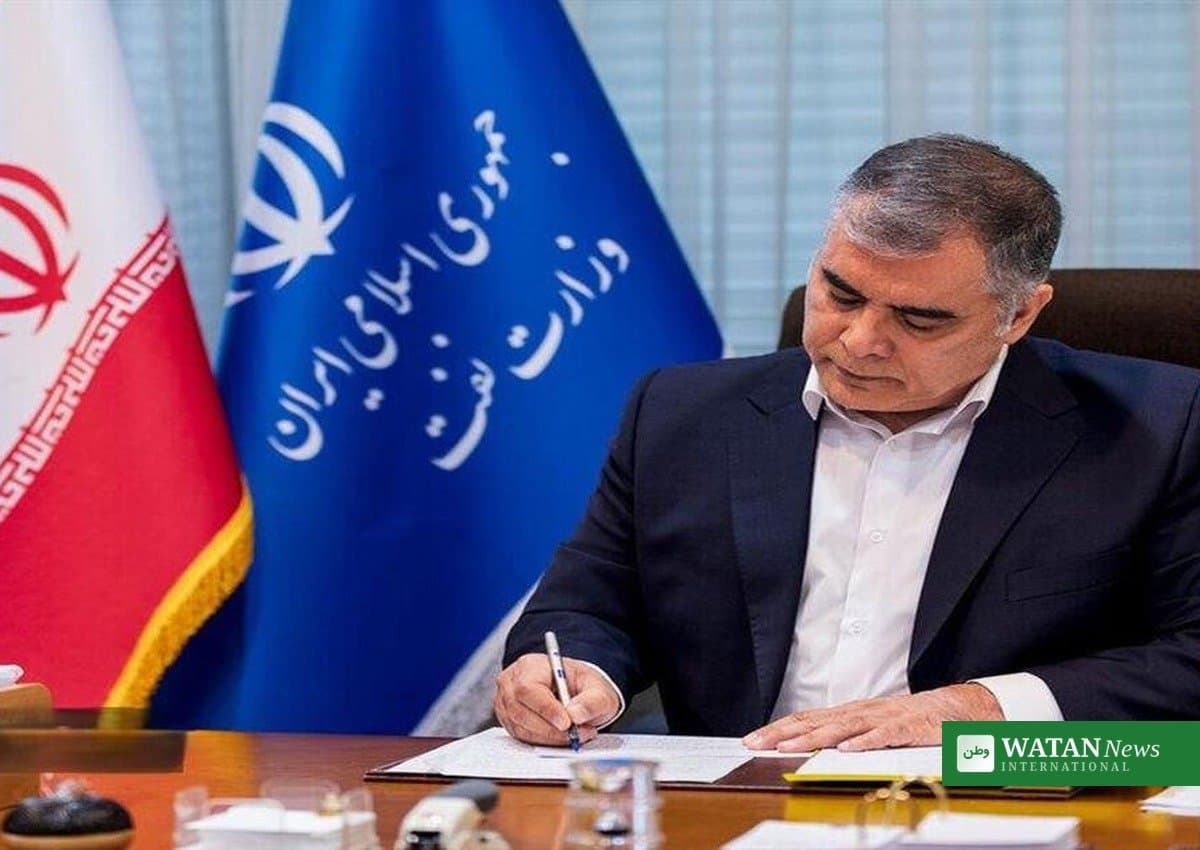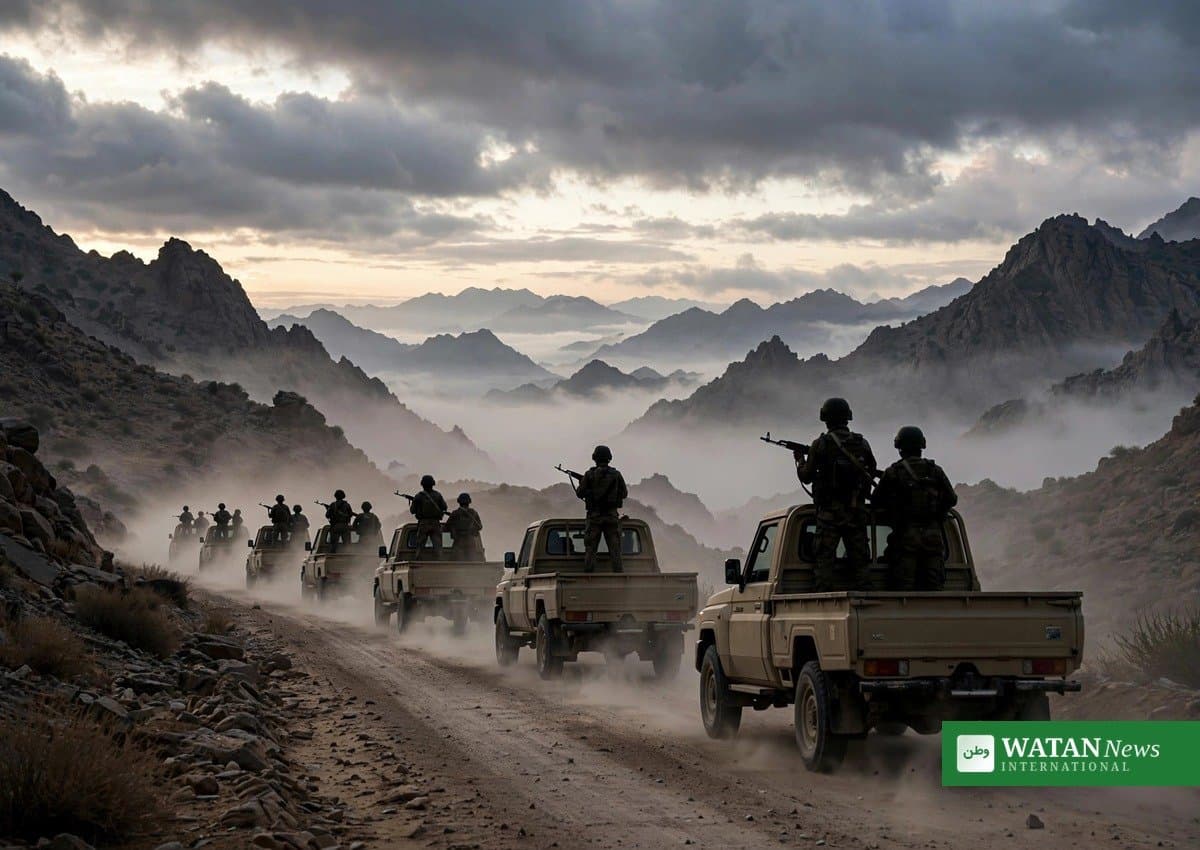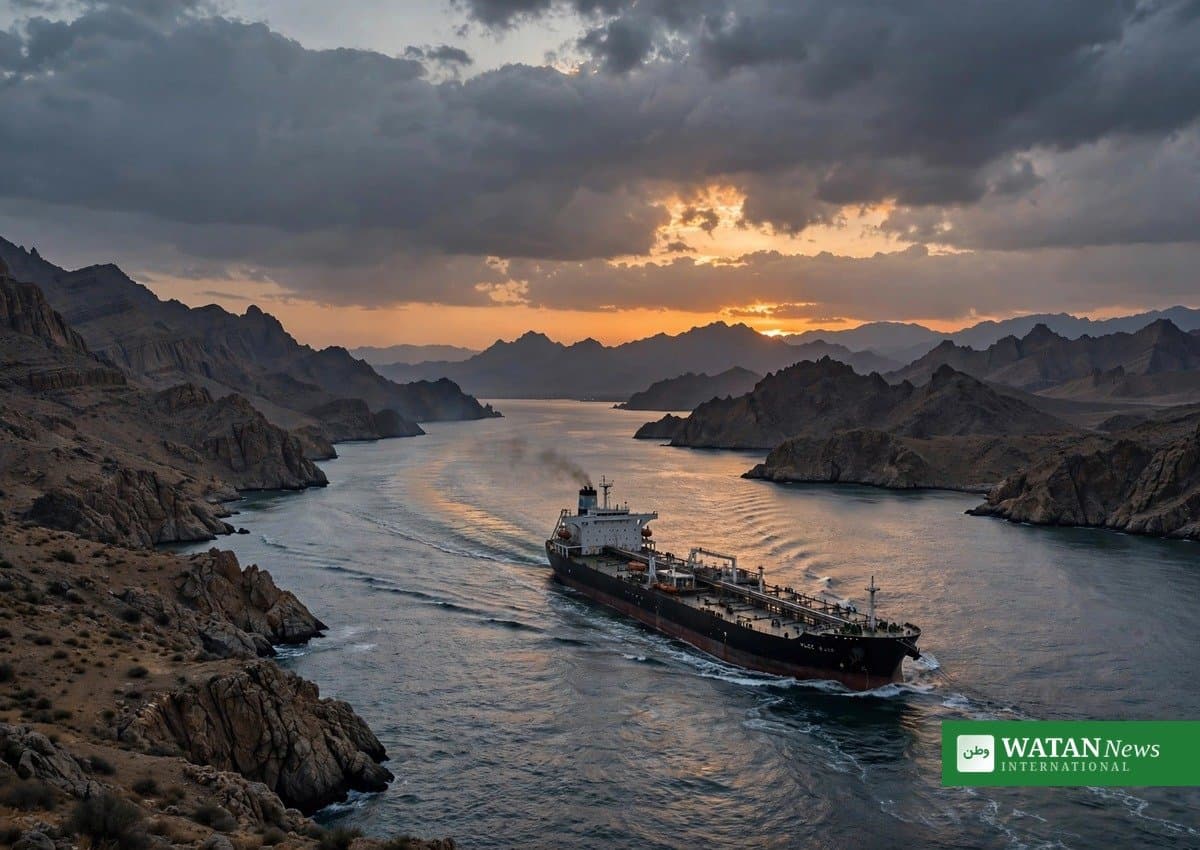

Saudi Arabia, Türkiye and Pakistan have agreed to rapidly deploy military forces to Saudi Arabia under the {{MIRROR_ANCHOR}}Makkah Joint Defence Agreement{{MIRROR_ANCHOR_CLOSE}}, activating the collective defence commitments of the new trilateral pact in response to escalating Houthi attacks on the kingdom. The decision emerged from an emergency meeting of the alliance’s Strategic Political and Defence Committee in Riyadh on Monday — the first time the Mecca pact Saudi deployment mechanism has been put into practice since the pact was signed on August 7, 2026.
The three countries said in a joint statement released by Pakistan’s Ministry of Foreign Affairs that they would “move immediately to the practical implementation of the collective defence commitments” and “ensure their rapid deployment” in the kingdom. The statement gave no troop numbers, named no units and set no timeline; the deployments will follow approved arrangements and each country’s national laws. It did not name the Houthis.
FAKTA
- Decision: Rapid deployment of agreed military forces and capabilities to Saudi Arabia under the Makkah Joint Defence Agreement
- When: Emergency meeting in Riyadh, Monday, October 5, 2026
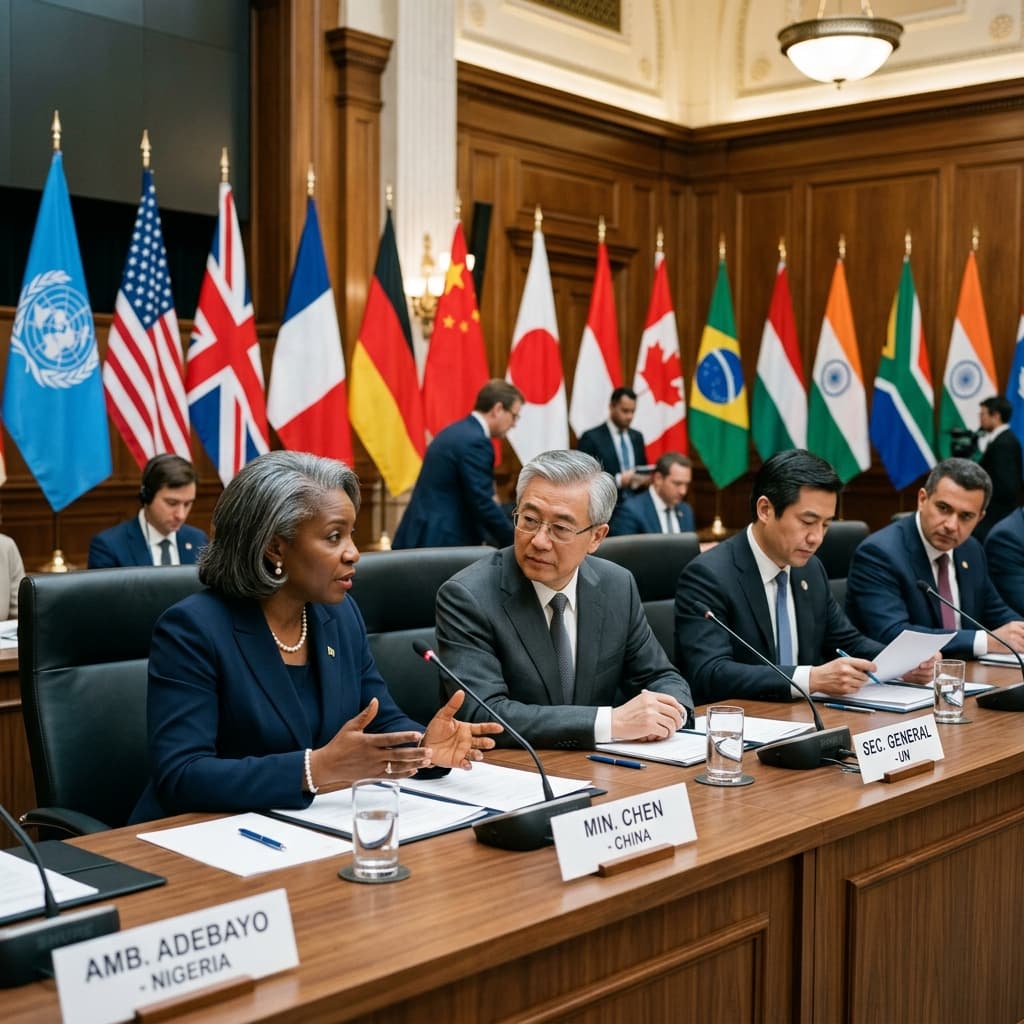
- Who attended: Saudi ministers Prince Faisal bin Farhan and Prince Khalid bin Salman, with Chief of General Staff Gen. Fayyadh bin Hamed Al-Ruwaili; Türkiye’s Hakan Fidan, Yasar Guler and Gen. Selcuk Bayraktaroglu; Pakistan’s Ishaq Dar, Khawaja Asif and Field Marshal Syed Asim Munir
- Also agreed: Activation of “collective deterrence measures” against those responsible for attacks on the kingdom
- What was condemned: Attempted targeting of Mecca and Madinah, attacks on Saudi cities and oil facilities
- The pact: Signed in Mecca on August 7, 2026 — an armed attack on one member is treated as an attack on all three
What the Mecca pact deployment involves
The three countries said the security of each was inseparable from their collective security. The committee agreed “to move immediately to the practical implementation of the collective defence commitments and to take the necessary measures to provide the agreed military forces and capabilities and ensure their rapid deployment in the Kingdom.”
The pact was signed in Mecca on August 7 by Saudi Crown Prince Mohammed bin Salman, Turkish President Recep Tayyip Erdoğan and Pakistani Prime Minister Shehbaz Sharif. It stipulates that an armed attack on any one member is treated as an attack on all three, and covers intelligence cooperation, training, logistics and defence industry ties — building on the Saudi–Pakistan defence accord of September 2025. The alliance’s first committee meeting was held in Istanbul on August 31, where the members agreed to establish a permanent secretariat in Riyadh.
“Collective deterrence measures” activated
Saudi Defence Minister Prince Khalid bin Salman said on X that the alliance had “reaffirmed the solidarity and unity of our countries in the face of heinous attacks targeting the Kingdom and the holy sites,” adding that the committee had decided to activate “collective deterrence measures” in response to the attacks and against “all those responsible for them.”
The three countries condemned “in the strongest terms” the attempted targeting of Mecca and Madinah. On September 15, Saudi air defences destroyed a Houthi drone south of Mecca before it could enter the holy city’s restricted airspace; coalition spokesman Maj. Gen. Turki al-Malki called the security of Islam’s holiest sites and their pilgrims a “red line.” The Houthis denied the claim — politburo member Hazem al-Assad called it “a worn-out lie.” The statement also condemned repeated strikes on Saudi cities and on civilian and economic infrastructure, including oil facilities.
Fidan: peaceful resolution also on the table
Turkish Foreign Minister Hakan Fidan said the meeting had been brought forward because of the situation in Yemen, and that the three had also discussed resolving the crisis peacefully through dialogue. “Saudi Arabia has adopted a very constructive approach to reaching a settlement,” Fidan told reporters.
The committee also appointed retired Pakistani Lieutenant General Nauman Mahmood — a Hilal-e-Imtiaz (Military) recipient — as the alliance’s first secretary-general for a three-year term. He will head the pact’s permanent General Secretariat in Riyadh.
Why the Mecca pact was invoked now
The decision follows weeks of escalation. Fighting in Yemen resumed in July, ending a de-escalation that had largely held since the 2022 truce, after a Saudi strike on Sanaa airport — aimed at blocking an Iranian plane — prompted the Houthis to declare the quiet period over. Since then, the Houthis have regularly struck Saudi targets while Saudi aircraft bomb Houthi-held territory in Yemen.
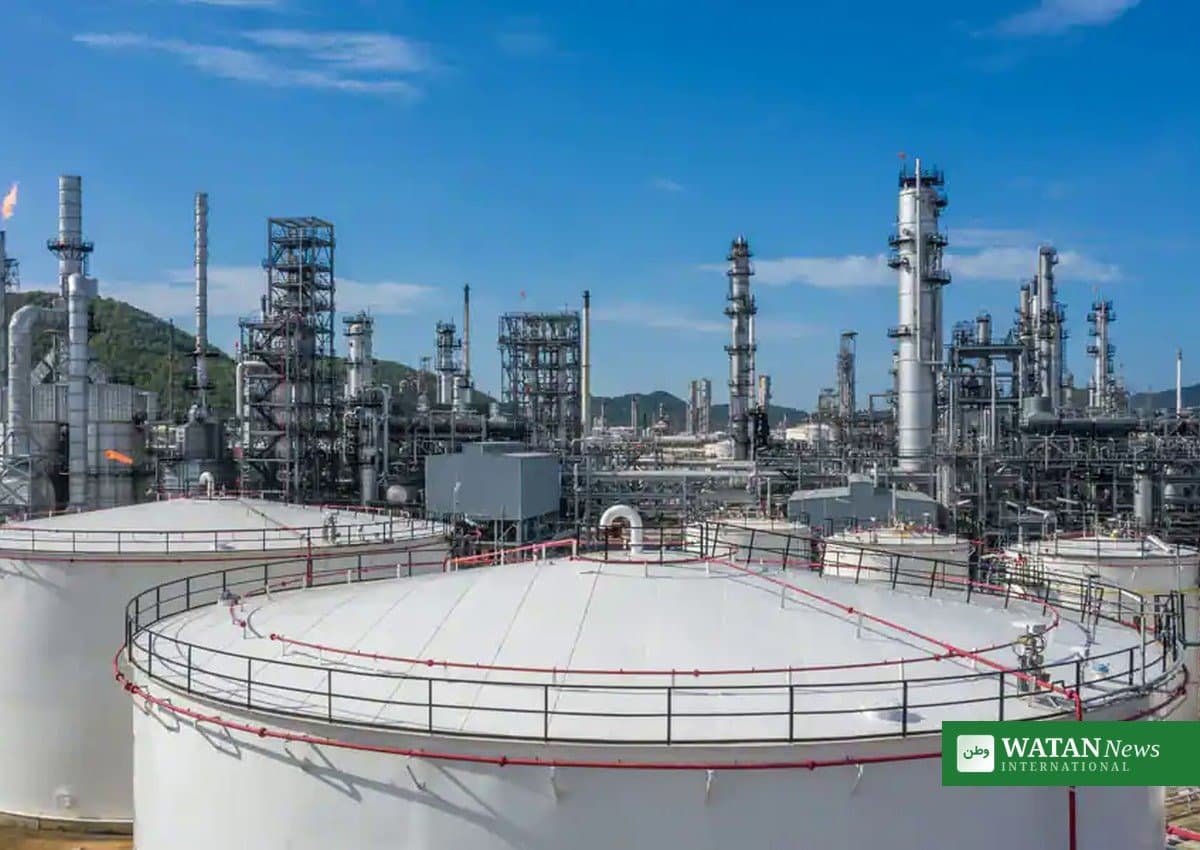
Houthi military spokesman Yahya Saree claimed the group had carried out operations targeting King Khalid International Airport in Riyadh, an Aramco refinery in Rabigh and the Khamees al-Mashait military base, involving what he described as “a large number of ballistic missiles, cruise missiles, and unmanned aerial vehicles.” Saudi authorities have not officially confirmed those specific claims. Saree framed the strikes as retaliation for Saudi-led airstrikes on Sanaa and other Houthi-held provinces in recent days.
The Houthi-run Humanitarian Operations Coordination Center separately warned airlines against flying through Saudi airspace, calling it unsafe while Saudi “aggression” continued.
United Nations Secretary-General Antonio Guterres’ spokesman said the UN remained “deeply concerned about the current military escalation in Yemen and its surroundings,” and reiterated the UN’s condemnation of continued Houthi cross-border attacks on Saudi Arabia.
Follow our {{CAT_ANCHOR}}Middle East coverage{{CAT_ANCHOR_CLOSE}} for continuing updates on the Mecca pact Saudi deployment and the Yemen conflict.