Baguio City: Government agencies in the Philippines are intensifying a public information campaign on El Niño as the country’s weather bureau warns that a very strong El Niño now present in the tropical Pacific could leave 87 provinces in meteorological drought by the end of March 2027.
The Philippine Atmospheric, Geophysical and Astronomical Services Administration (PAGASA) presented its latest El Niño outlook, covering November 2026 to April 2027, at a public forum in Baguio City on 17 November, urging people to prepare for months of below-normal rainfall, hotter days and possible water shortages.
A very strong El Niño, peaking before the year ends
PAGASA declared on 4 November 2026 that a very strong El Niño is present in the tropical Pacific and is expected to persist until the first half of 2027, with its peak likely before the end of 2026. In the Caraga region, PAGASA said the event was observed as of 6 November and is projected to reach its peak intensity between November and December 2026.
The classification is based on ocean temperatures. Sea surface temperatures in the central and eastern equatorial Pacific averaged about 2.5°C above the long-term average from August to October, according to PAGASA’s Climate Monitoring and Prediction Section, exceeding the 2.0°C threshold the bureau uses to classify an event as very strong — its highest intensity category.
El Niño increases the likelihood of rainfall deficits, which may result in dry spells and drought in several areas of the country, PAGASA said in its advisory. Its peak effect, however, is expected to arrive later: in Caraga, PAGASA chief meteorologist Ver Lancer Galanida said the peak of the impact is expected from March to June 2027, when a great reduction in rainfall would affect water sufficiency.
FAKTA
- Very strong El Niño is present in the tropical Pacific, PAGASA declared on 4 November 2026.
- Peak expected between November and December 2026; the event is expected to persist until the first half of 2027.
- 87 provinces are projected to be in meteorological drought by the end of March 2027, up from 26 in December, 48 in January and 68 in February.
- 39.5°C is the highest temperature forecast, in the lowlands of Mindanao in April 2027.
- 2 to 6 tropical cyclones are likely to develop in or enter the Philippine Area of Responsibility from November 2026 to April 2027.
- 8.5 billion pesos in agricultural damage had been recorded by 21 October 2026, mostly to corn and rice.
The awareness campaign on the ground
In Baguio City, the Department of Health in the Cordillera region led a public forum, Kapihan sa Baguio, on 17 November, where PAGASA-Baguio engineer Mar Santos presented the outlook and explained what the phenomenon means for health, food security and water supplies. Health protection during El Niño and the region’s preparedness and response plans were also discussed at the forum.
In the Caraga region in Mindanao, the Office of Civil Defense moved to activate the Strategic Communication Cluster of the Regional El Niño Task Force, chaired by the Philippine Information Agency, to step up information, education and communication efforts. The agencies agreed to convene a special meeting to map out the immediate rollout of regional risk communication and water conservation campaigns, so that every household is ready and resilient, in the words of the Office of Civil Defense information officer who proposed the move.
The campaign is not a single event but a coordinated push across government offices, local media and disaster-preparedness bodies, aimed at making sure the warning reaches households before the driest months arrive.
What the outlook says
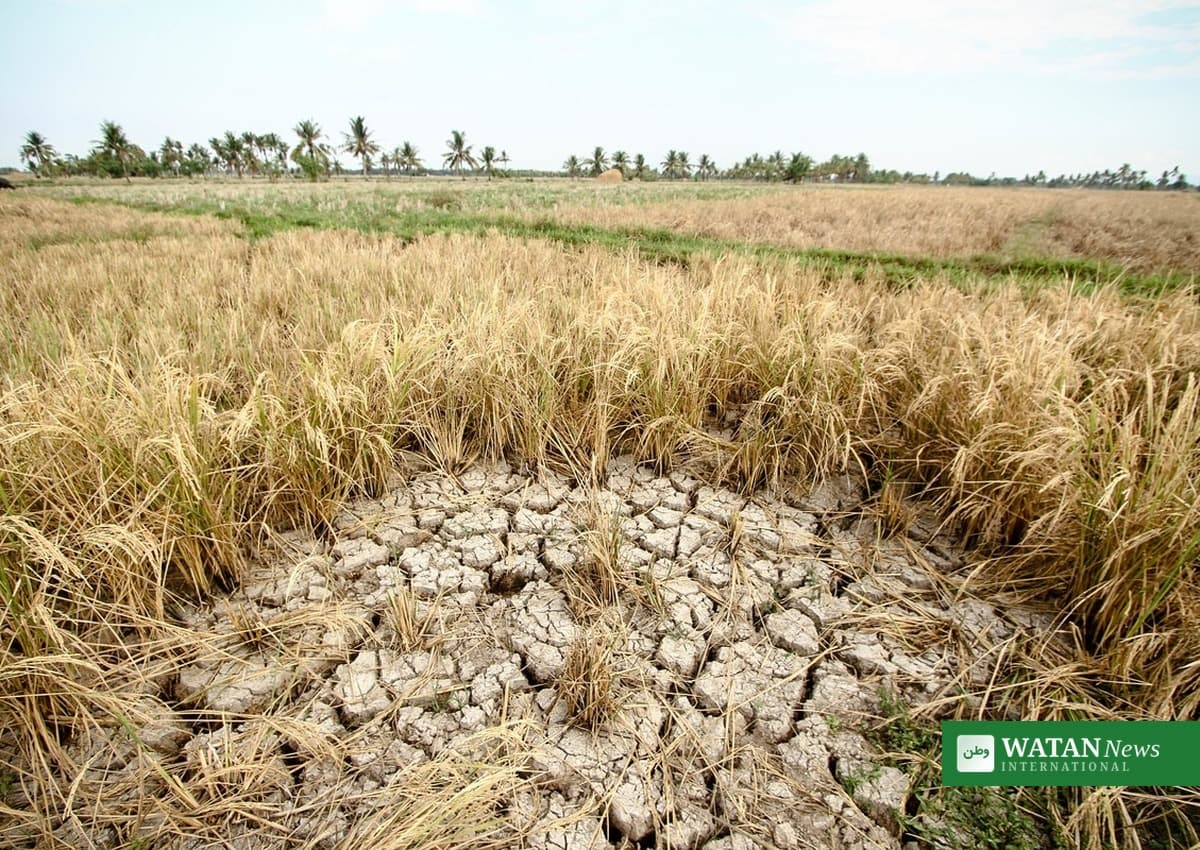
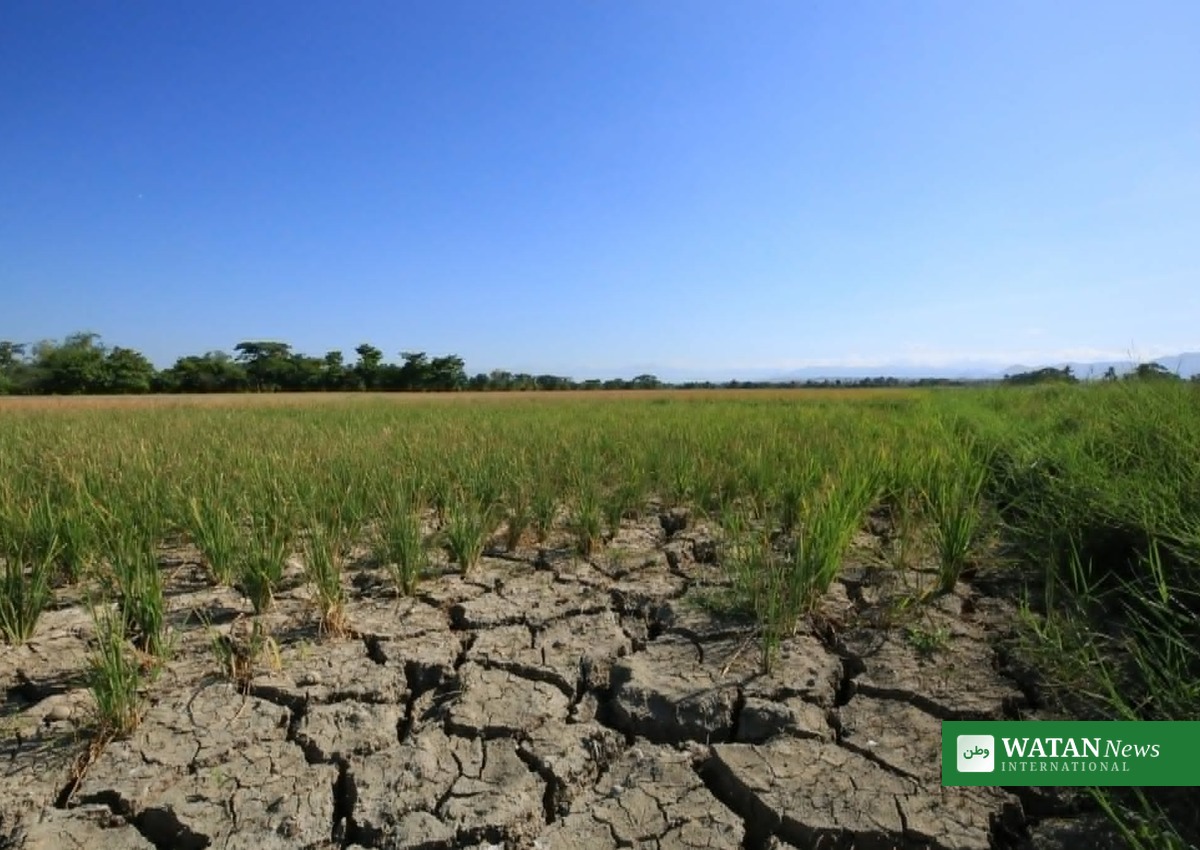
The main impact of El Niño is reduced rainfall. PAGASA expects below-normal rainfall in November, way below to below normal from December to January, and way below normal over most parts of the country from February to April. By the end of December, all six provinces of the Cordillera region are expected to be under a dry spell, and by the end of March 2027, PAGASA projects meteorological drought in 87 provinces nationwide.
The dry conditions are already visible. As of 31 October, five provinces were experiencing meteorological drought, while 11 provinces and highly urbanised cities were under dry-spell conditions and another 10 provinces were experiencing dry conditions. In Caraga, Agusan del Norte, Dinagat Islands and Surigao del Norte were already in a dry spell at the end of October, and the last two are expected to worsen into full drought by the end of December.
Hotter-than-usual conditions are expected across most of the country during the El Niño period. PAGASA forecasts the highest temperatures in the lowlands of Mindanao, potentially reaching 39.5 degrees Celsius in April 2027, while the lowest temperatures are expected in the mountainous areas of Luzon, which may reach 9.2 degrees Celsius in January 2027. PAGASA has also warned that the heat index — how hot it feels when humidity is combined with air temperature — may go beyond 52 degrees Celsius from late February to June 2027, a level the bureau classes as extreme danger.
One piece of relative relief is that fewer tropical cyclones are expected. PAGASA forecasts that two to six tropical cyclones are likely to develop in or enter the Philippine Area of Responsibility from November 2026 to April 2027. Santos stressed, however, that the public should remain prepared, as tropical cyclones may still affect the country during the period.
The northeast monsoon, known locally as amihan, officially started on 27 October and usually brings colder weather to Baguio and the Cordillera. With a very strong El Niño in the tropical Pacific, PAGASA said this year’s amihan season may be drier and warmer than usual.
Why awareness matters now
Part of the campaign is explaining what the warnings mean. PAGASA uses three classifications depending on how much rainfall is missing and for how long: a dry condition refers to two consecutive months of below-normal rainfall; a dry spell is three consecutive months of below-normal rainfall, or two consecutive months of way-below-normal rainfall; and drought means three consecutive months of way-below-normal rainfall, or five consecutive months of below-normal rainfall.
The stakes are already clear from the last episode. The Philippines has experienced seven notable El Niño episodes over the past decade, including in May 2023 and from April to mid-June 2024. During the 2024 episode, Butuan City suffered a severe water shortage from March to May after water levels at the Taguibo Watershed dropped to critical status.
Agricultural damage from the current El Niño had already reached 8.5 billion pesos by 21 October, with corn accounting for almost 5 billion pesos of the losses, followed by rice, according to BusinessWorld’s report of 4 November. The Department of Social Welfare and Development reported that 356,800 Filipinos had already been affected by the El Niño in October.
The need for public understanding extends beyond the Philippines. UNICEF’s Learning Interrupted analysis found that at least 171 million students — about one in ten students worldwide — had their schooling disrupted by climate-related events in 2025. When people understand the risk early, schools, farms and households can prepare instead of reacting after the damage is done.
What happens next
PAGASA is set to issue El Niño Advisory No. 6, containing updated assessments and impact forecasts, while the regional communication clusters roll out their water conservation and risk communication campaigns. The coming weeks will show whether the warnings reach the households that need them most — before the driest months of March to June 2027 arrive.
The campaign’s message is simple, and it is the same one weather bureaus give before every El Niño: save water, protect health in the heat, and stay ready for the cyclones that may still come.
Read more: ASEAN Leaders Back One Billion Trees Plan to Restore Southeast Asia’s Forests and COP31 Risks Ending With No Deal as Saturday Overtime Drags On.