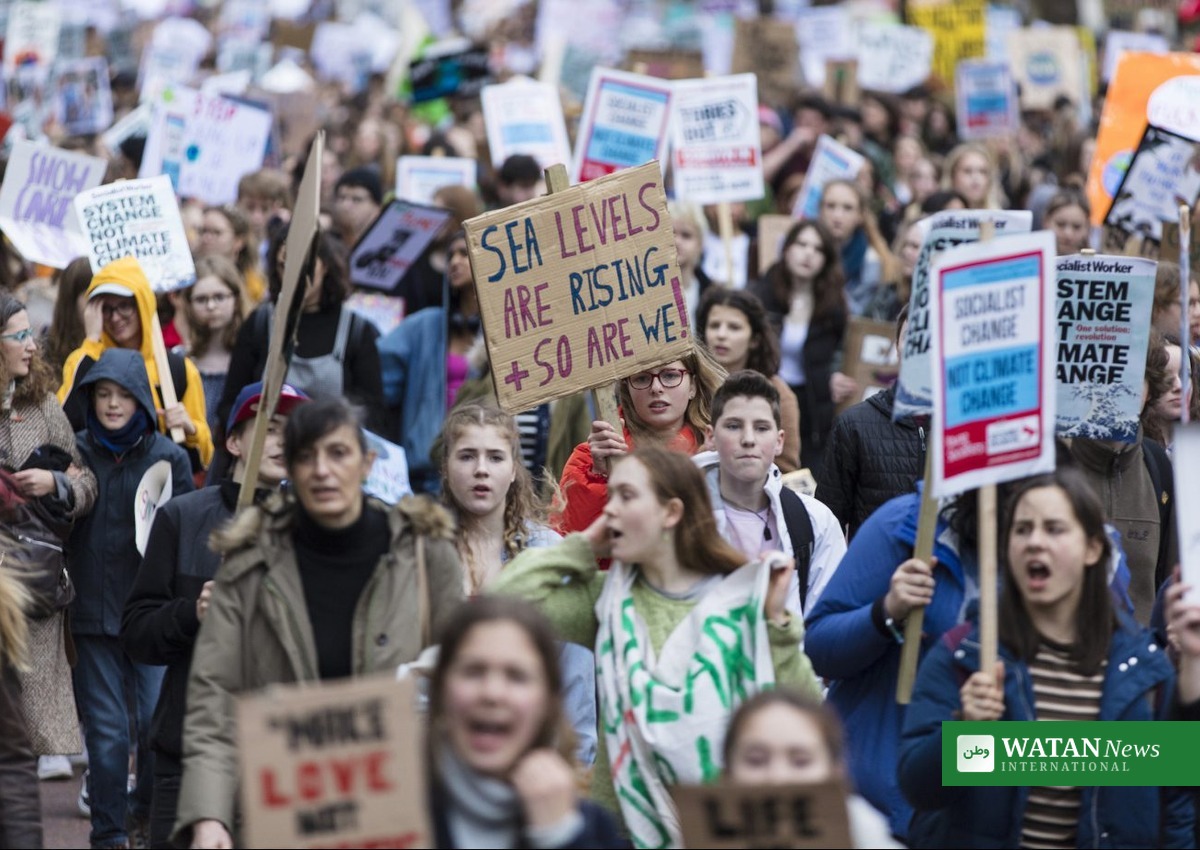
Tens of thousands of students and young workers walked out of classrooms and workplaces across more than 25 European countries on Friday, 20 November 2026, in a coordinated “international youth strike” — and climate justice was among the demands they carried into the streets.
The walkouts, organised by student groups across the continent, ranged from school funding and the cost of living to climate action, with young people saying the decisions taken today will shape the future they inherit.
A strike that stretched across a continent
Organisers said the action took place in at least 25 countries, including Britain, Germany, Spain, Italy and Croatia, according to Reuters. In Germany, the campaign group “Gen Z regelt” — “Gen Z takes charge” — said it was organising protests in 73 cities and towns.
In Italy, the country’s largest trade union, CGIL, said protesters demonstrated in more than 100 squares, including Milan’s Piazza del Duomo, and tens of thousands marched across the country. In Britain, students from more than 350 schools, colleges and universities were expected to walk out, and hundreds gathered at Parliament Square in London.
Police put the Berlin protest at roughly 4,000 people in Alexanderplatz, while the Cologne protest drew thousands, fewer than the 5,000 expected. Protests continued in several European cities on Saturday, CNN reported, and a strike by transport workers in Italy was expected to disrupt train lines.
What the young strikers are demanding
The demands varied from country to country, but the list reported by Reuters and CNN included more funding for education, climate justice, an end to conscription, lower living costs, fair wages and affordable housing. In Italy, demonstrators demanded higher wages and more spending on public services, while in Rome protesters chanted “Money for schools, not war” and “We want to live life without the high cost of living.”
“I’m certainly not happy that there are cutbacks everywhere, not at my university, nor in the broader education system or in schools. That’s why I’m here: to take a stand and push for a change, because things cannot go on like this,” university student Jasmin Hamadi said at a protest in Cologne.
In Paris, 25-year-old American student Evelyn linked the cost of living directly to the climate crisis: “A lot of us who are Gen Z are kind of looking at our futures, both in terms of the cost of living, the climate crisis that is impending, the fact that we could be seeing billions of people dying from climate change. If we leave decisions up to the people who are making decisions now, it’s a future of death.”
According to CNN, students also cited what they described as leaders’ complicity in Israel’s war in Gaza, and Reuters reported that many of Friday’s protesters waved Palestinian flags.
Climate at the heart of the walkout
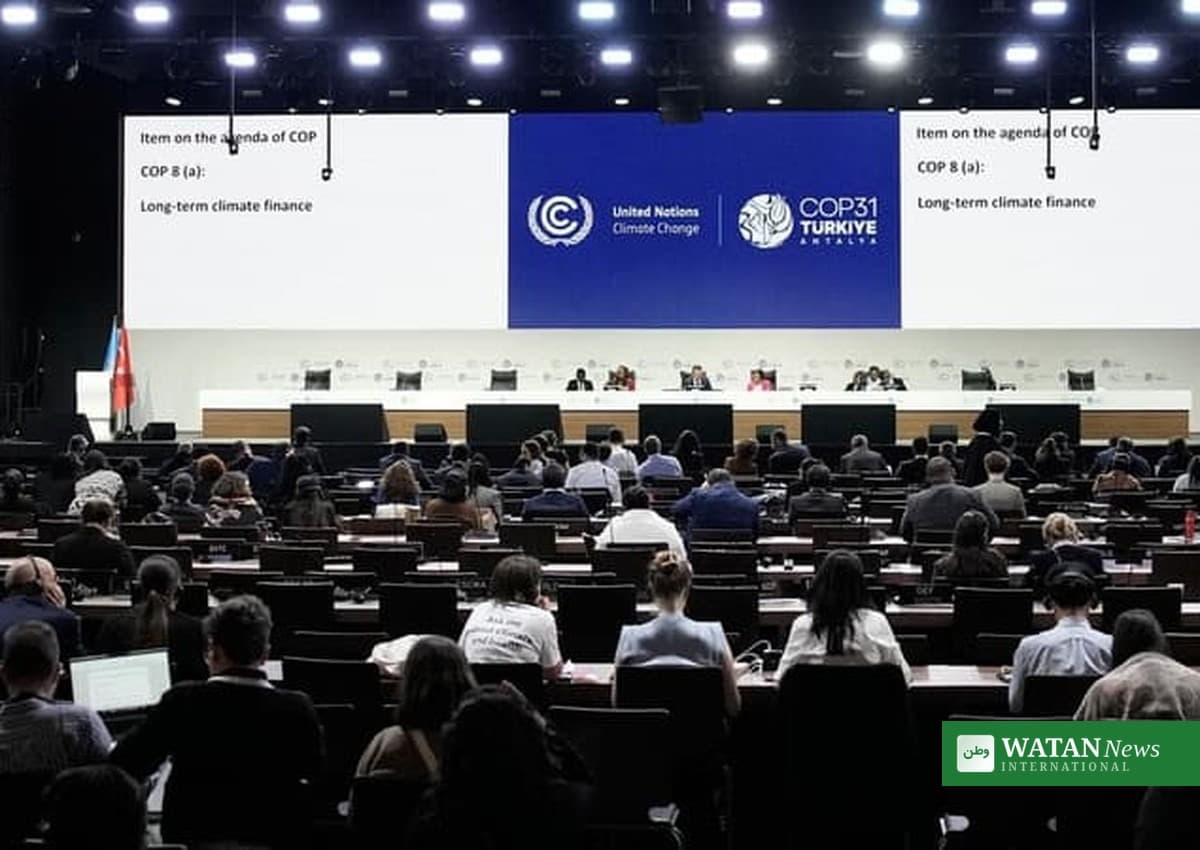
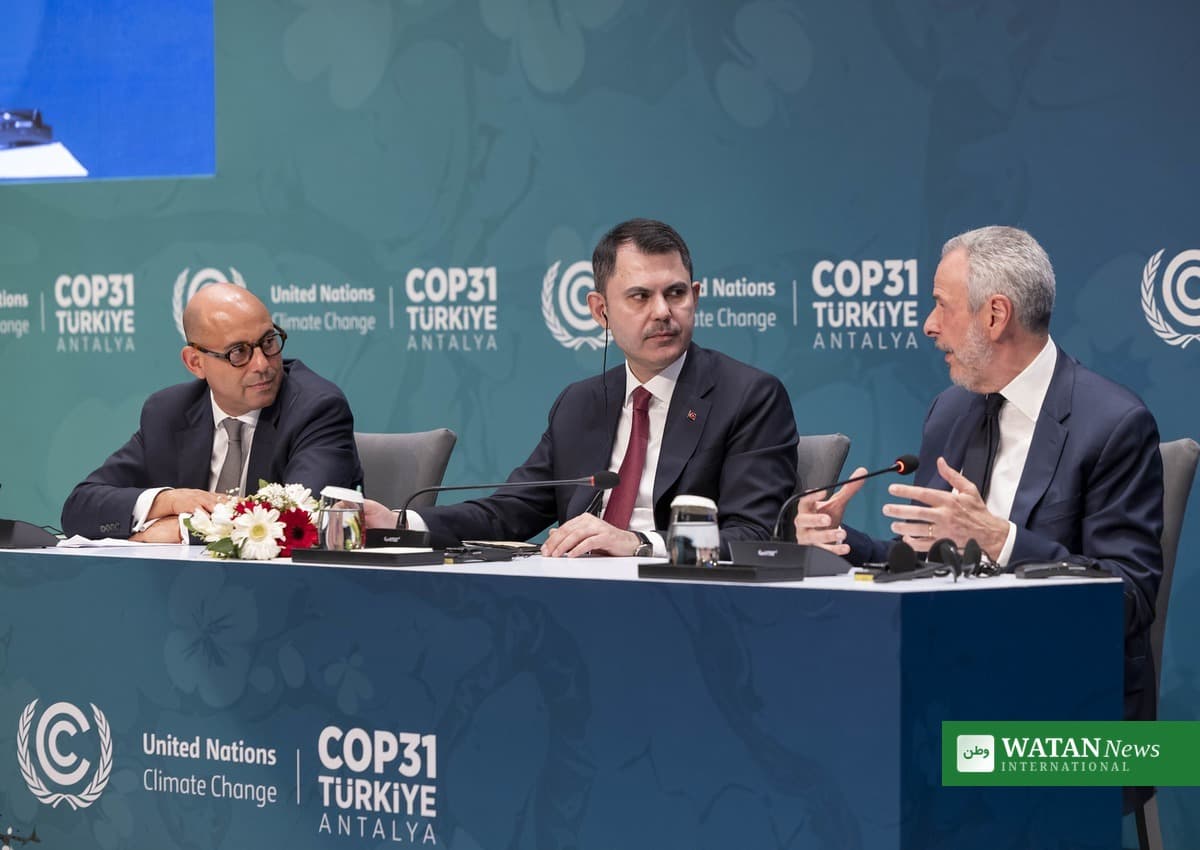
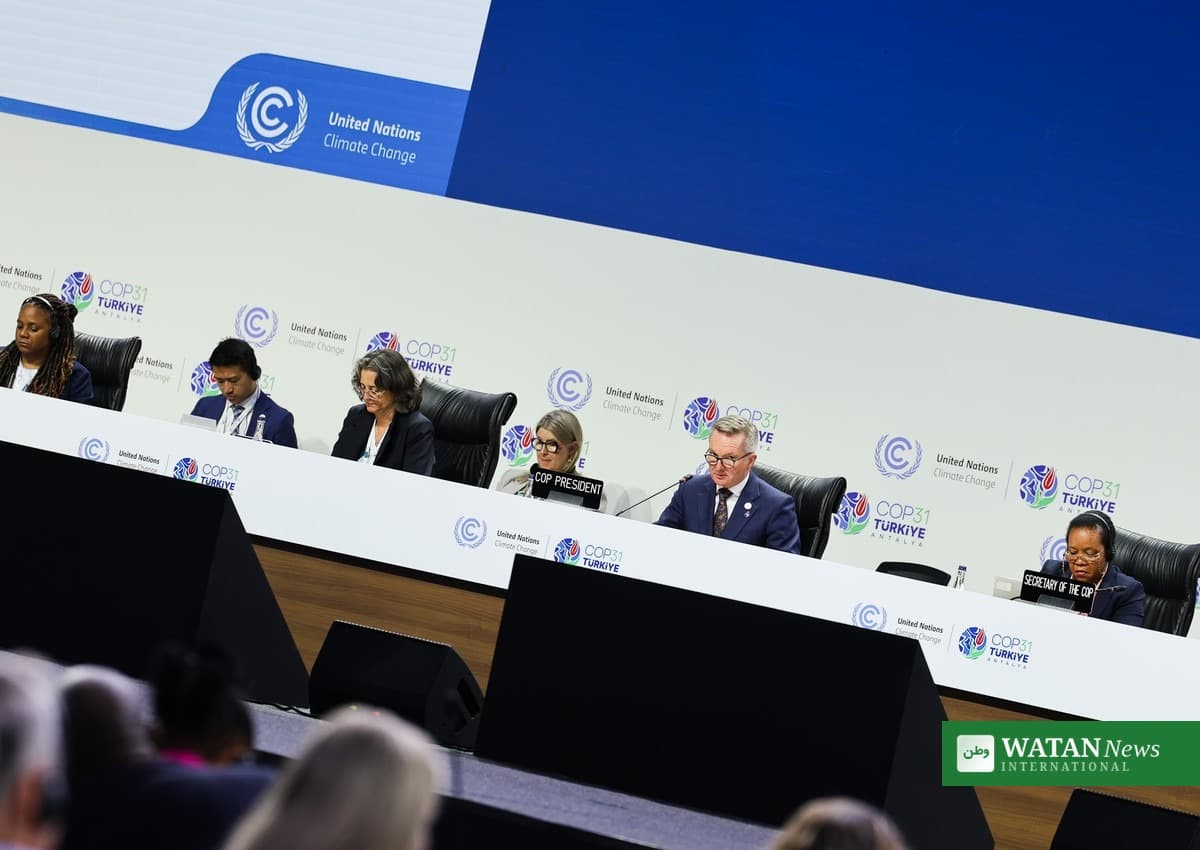
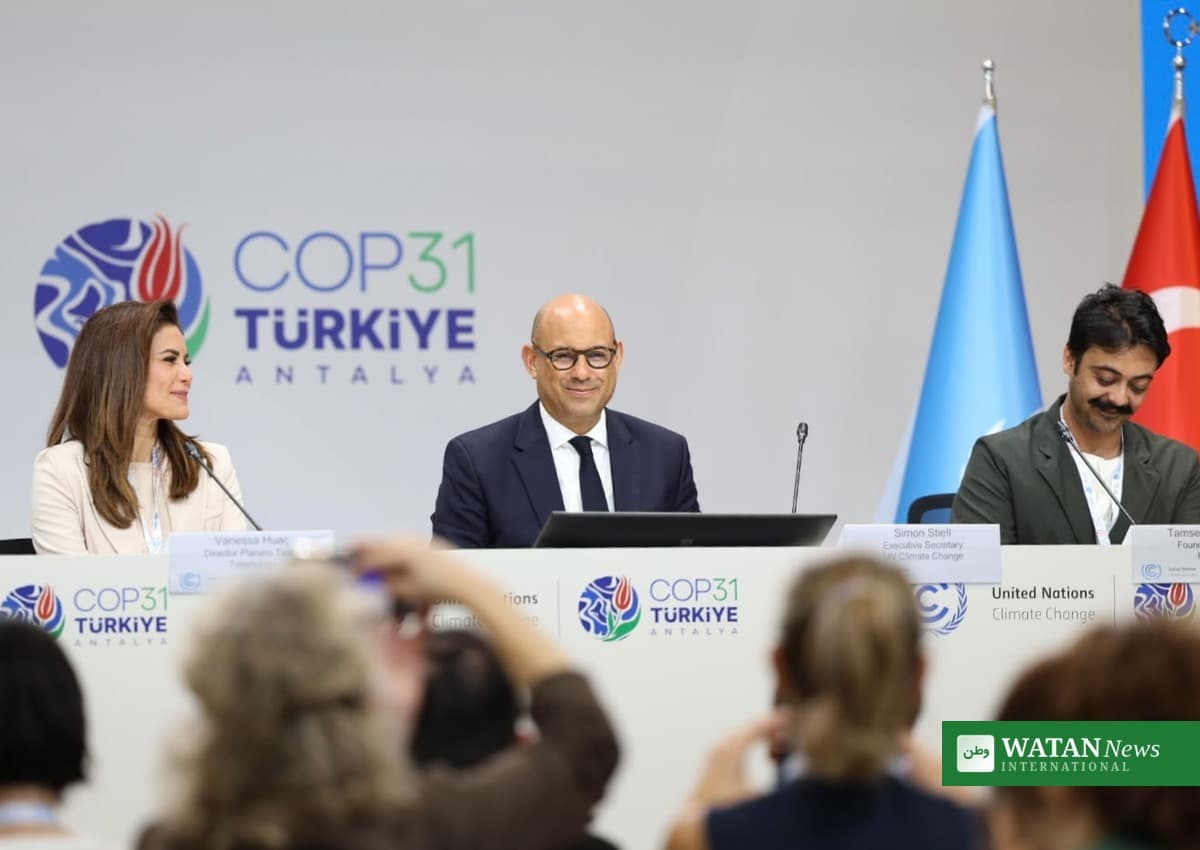
The strike came as COP31 climate talks in Antalya ran into overtime, with negotiators deadlocked over fossil fuels and climate finance. Young people have been central to the summit: youth negotiators and envoys spent the two weeks pressing for decision-making power rather than token seats, and children’s protections became one of the contested points in the draft agreement.
The same week, a 17-year-old climate activist was recognised on the world stage when Francisco Vera of Colombia won the International Children’s Peace Prize for putting children’s rights at the heart of climate justice.
A generation that keeps returning to the streets
The marches were largely peaceful, according to Reuters, though larger protests in France have at times been marred by violent confrontations and looting. The wave of action was inspired by demonstrations that rocked France, and over the past year Gen Z-led protests have touched parts of Europe, the Global South and the Americas, CNN reported.
In Serbia, student-led protests preceded an election last month that removed the country’s long-time leader, Aleksandar Vucic, Reuters reported. CGIL leader Maurizio Landini said: “Today is also a very important day because young people are taking to the streets not just in Italy but across Europe. Across Europe and among ordinary people, the demand for change is growing.”
FAKTA: The international youth strike at a glance
- Date: Friday, 20 November 2026, with protests continuing in some cities on Saturday
- Scale: at least 25 countries; 73 cities and towns in Germany; more than 100 squares in Italy; 350+ schools, colleges and universities in Britain
- Main demands: more funding for education, climate justice, lower living costs, fair wages, affordable housing and an end to conscription
- Turnout: tens of thousands across Europe; about 4,000 in Berlin, thousands in Cologne, hundreds in London
- Organisers: student groups across Europe; “Gen Z regelt” in Germany; Italy’s CGIL trade union joined the action