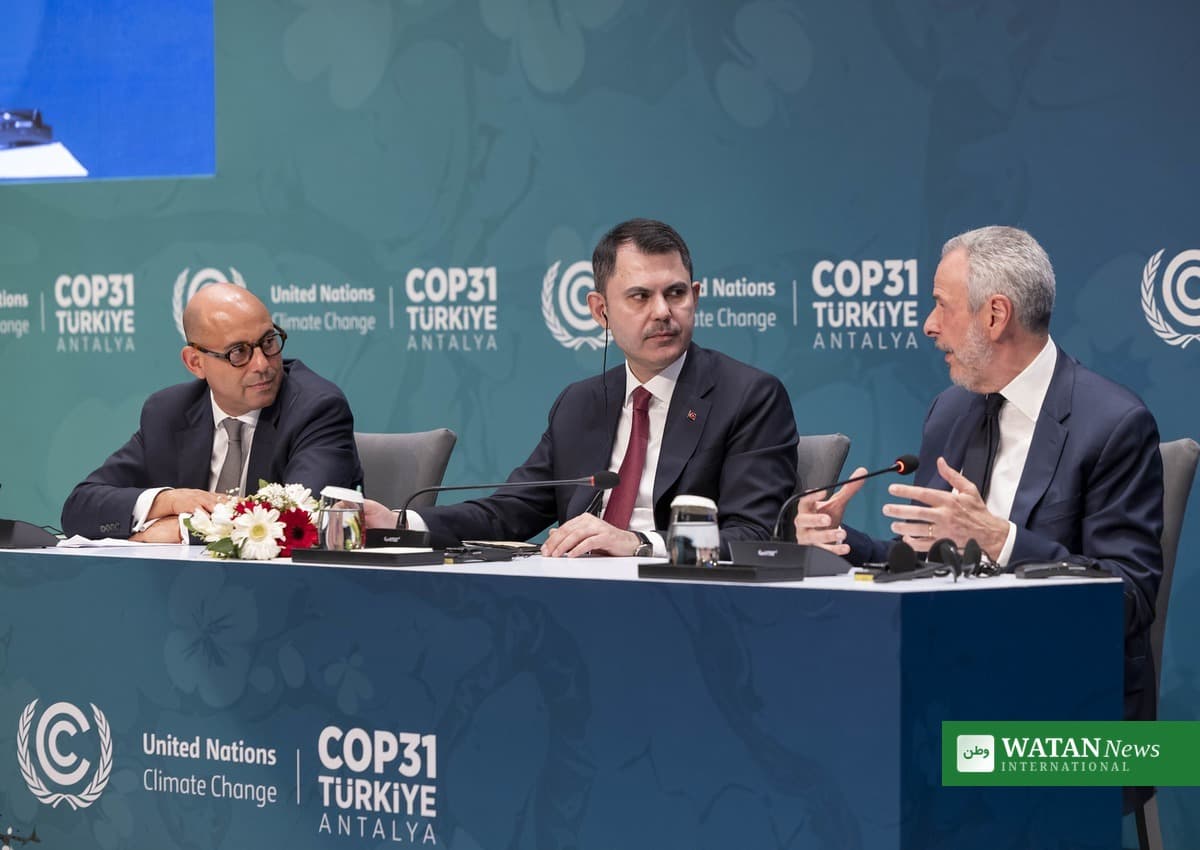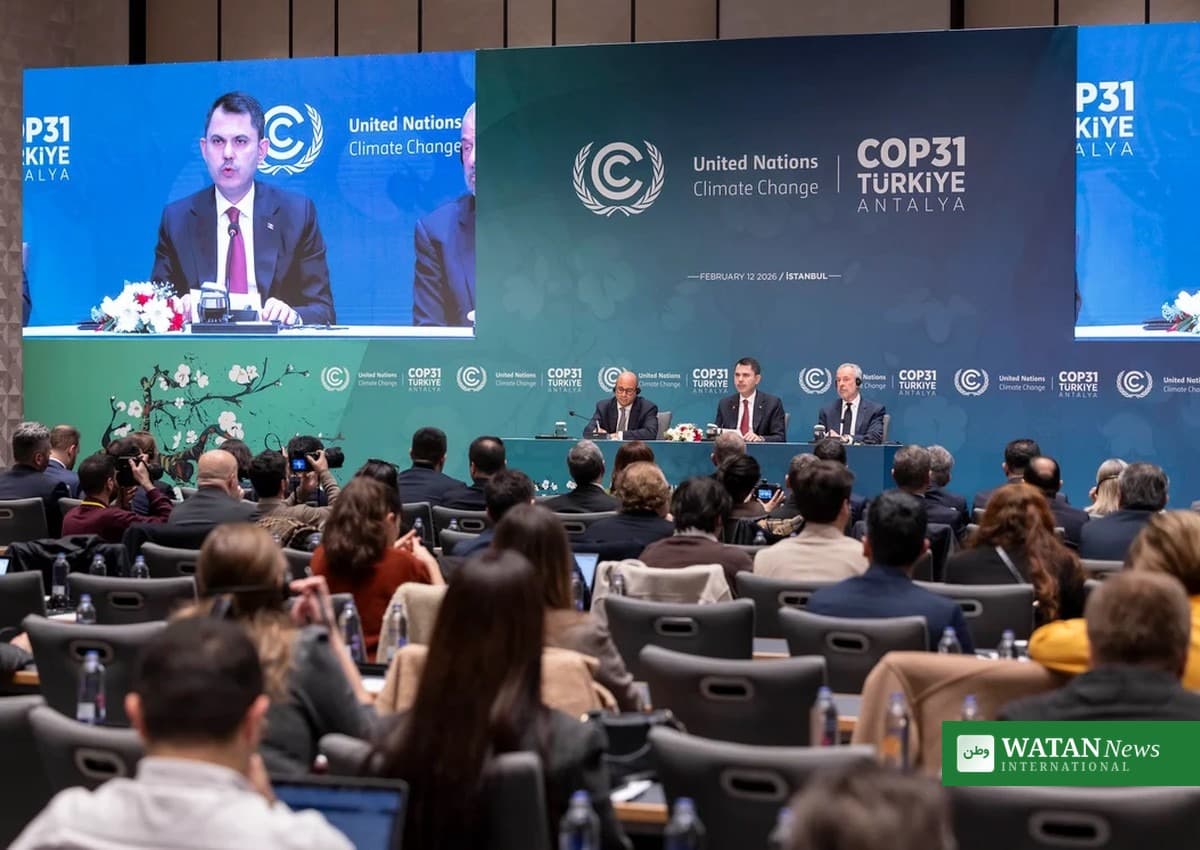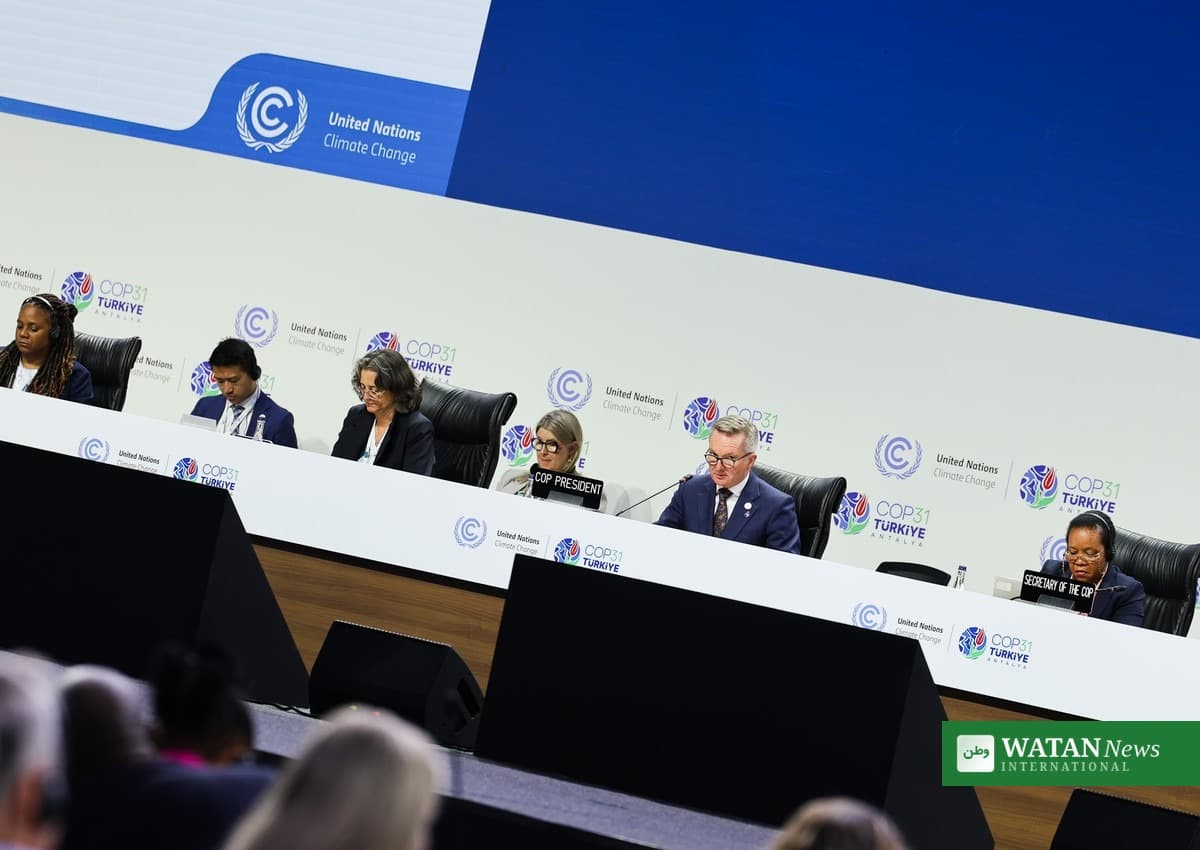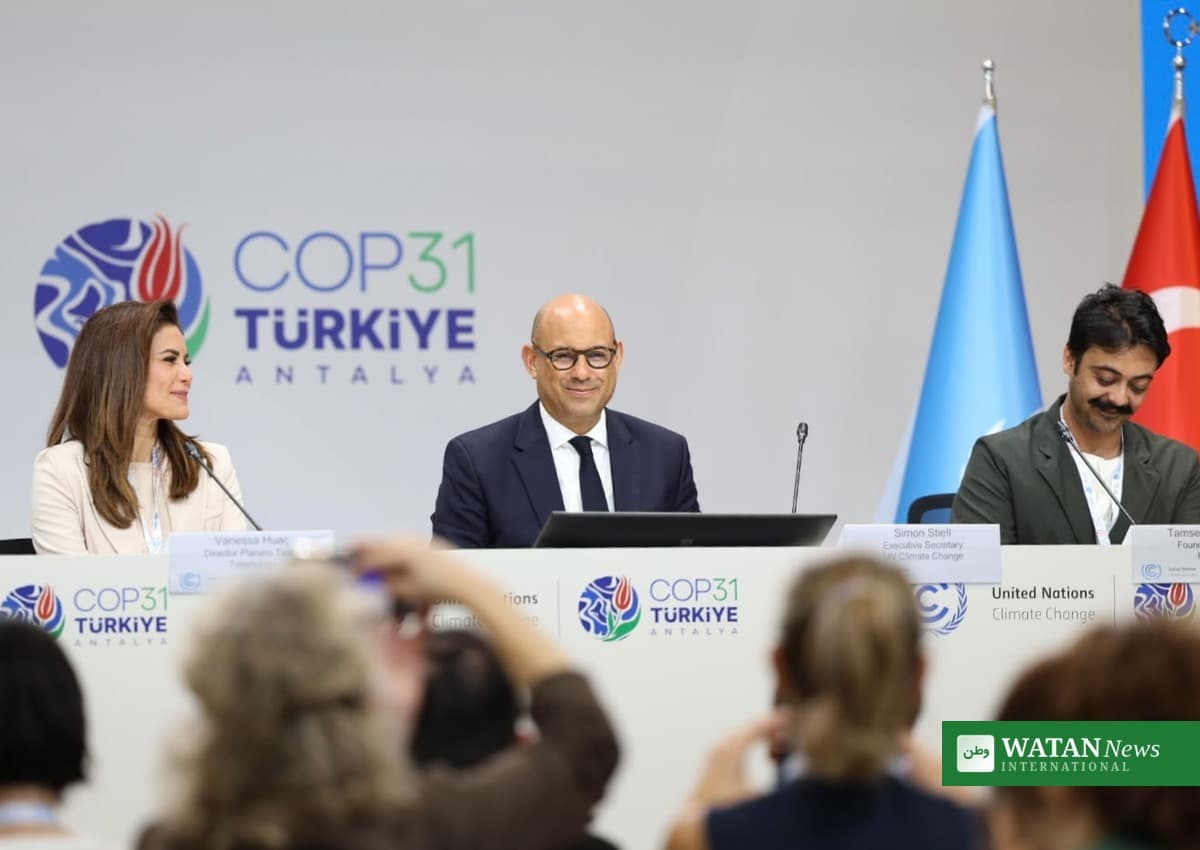
Antalya: As climate talks in Antalya run past their scheduled end, fact-checkers are working to separate viral claims about COP31 from the facts. A fact-checking site published a piece on 21 November doing exactly that, claim by claim. But behind the daily headlines lies a quieter problem for climate journalism itself: the audience for climate news has stopped growing.
This is an awareness article, not a breaking-news report. It looks at what research says about how people follow climate news, why many switch off, and what good climate journalism can do about it.
That is the central finding of the Reuters Institute’s Climate Change and News Audiences report, now in its third edition. Based on survey data from eight countries — Brazil, France, Germany, India, Japan, Pakistan, the United Kingdom and the United States — the report finds that about half of people follow news about climate change every week, and that share has barely moved since 2022. The report’s lead author, Dr Waqas Ejaz, calls the pattern “climate perception inertia”: concern is real, but engagement is flat, even as extreme weather becomes more frequent and more intense.
The audience that stopped growing
Across the eight countries surveyed, 50 per cent of people say they follow climate news at least once a week, showing little change from 2022. The differences between countries are large. France has the highest weekly use, at 60 per cent. The United States has the lowest, at 34 per cent, after a fall of 16 points since 2023.
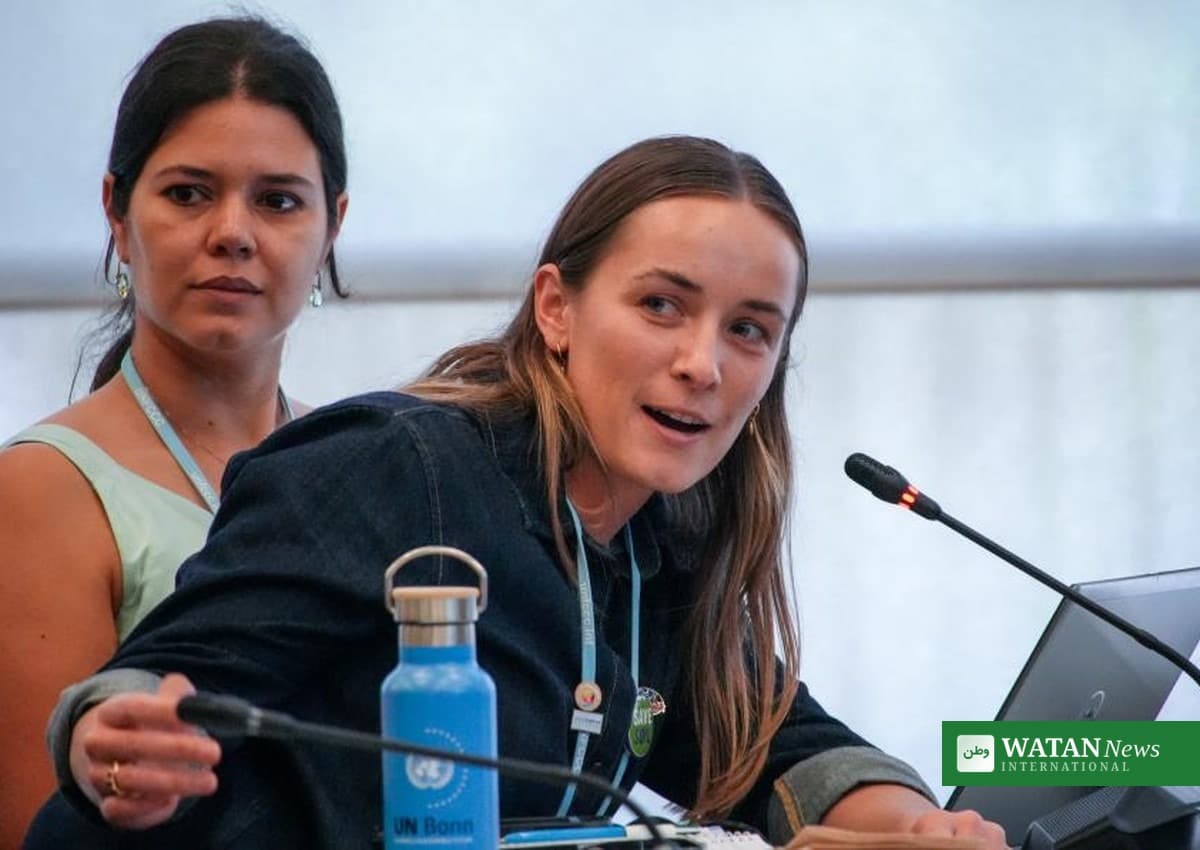
Television remains the most common way people reach climate information: 31 per cent name TV news as their main route, ahead of online news sites at 24 per cent. Video is the format people prefer, ahead of text. The findings were discussed at a Reuters Institute event chaired by acting director Mitali Mukherjee, with Ejaz, Katherine Dunn of the Oxford Climate Journalism Network, and Ivan Couronne, Future of the Planet Global Editor at AFP.
About one person in four — 25 per cent — believes they see misleading information about climate change every week, a share that has also changed little since 2022.
Why people switch off
The research points to two main reasons people avoid climate news. The first is that it affects their mood. The second is that they do not see any new information that feels relevant to them. That gap matters: audiences say they want climate news that is useful to their lives, while much coverage still feels distant and repetitive.
Declining trust in news in general plays a part too. Ejaz notes that the news media is dealing with falling trust and rising news avoidance across all topics, not only climate. Climate reporters must therefore fight a wider tide as well as the specific difficulties of their subject.
What France did differently
France shows that the trend is not inevitable. After the major heatwaves of 2022, attitudes towards climate news in the country shifted, and large newsrooms adopted full corporate-editorial climate strategies. They appointed climate editors and restructured their newsrooms. Now, Couronne explains, every night on the top two French channels, the 8pm evening news carries good-quality climate content every single day.
The French example is the report’s clearest proof that supply shapes demand: when newsrooms treat climate as a daily story rather than an occasional special, audiences follow it.
Summer, not COP, is the real test
For newsrooms, Couronne argues, the most important climate event of the year is not the COP summit but the summer. Heatwaves and wildfires are when audiences most actively seek climate information, and newsrooms should prepare for them in advance: written guidelines for the whole newsroom, not only climate reporters; training for business and political editors; and practical planning for safety, transport, food, water and charging batteries when covering fires and disasters.
Dunn makes the same point in practical terms: “Develop a heat strategy. Climate might feel really bad, big, political, complex, but start with heat.” Heat is the most regular and dangerous climate problem for millions of people each year, and it is where good reporting can help most directly.
The local angle is the key. When people say they want local news, Dunn explains, they mean news that is useful: can I take my dog for a walk, and how worried should I be if I am pregnant and it is 40 degrees? “Most stories can be a climate story,” she says. “Sometimes all you need is a line.”
The same thinking applies to COP coverage. Audiences say they want the bigger picture and the local impact, not the daily detail of leaders and negotiations. The report’s advice is to trade some COP stories for local stories — for example, a local biodiversity story about somebody restoring a local park — because that is what audiences say they value.

The supply of climate news is shrinking too
While audiences stand still, the supply of climate reporting is under pressure. The SEAL Awards, which announced the twelve winners of its 2026 Environmental Journalism Awards on 12 November, warned of a downtrend in environmental reporting by mainstream and major publications. Its impact lead, Safa Bee Wesley, called on major publications to reinvest in their environmental news departments, and called on the New York Times and the Washington Post specifically to give unlimited, ungated access to environmental reporting.
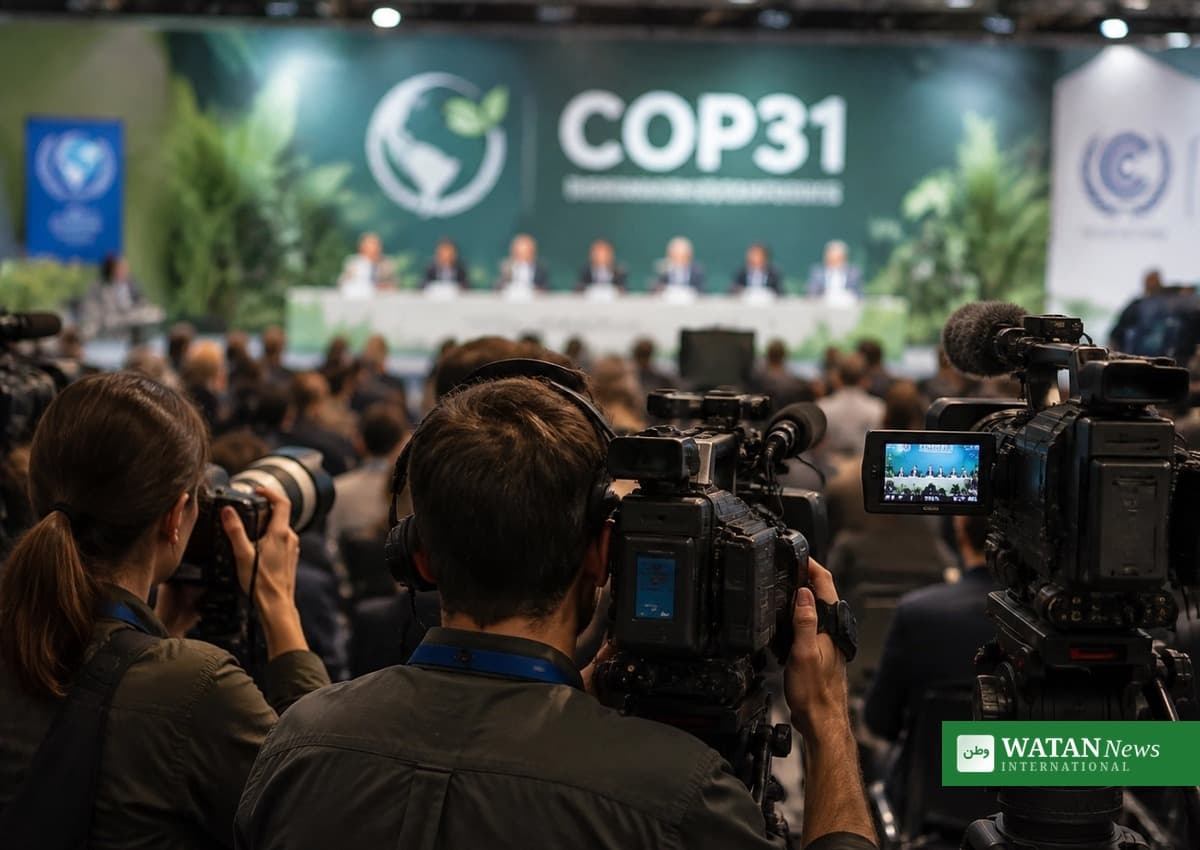
The risks for the reporters themselves are real. According to UNESCO, more than 70 per cent of environmental journalists surveyed report attacks, threats or pressure linked to their work. At COP31 itself, 3,645 journalists are covering the talks in Antalya — the second-biggest press corps in COP history — yet the press corps itself is changing, as established outlets shrink and new storytellers take their place.
Online harassment is part of the problem. Climate reporters are often targeted by trolls who spread misinformation and harass them. But Dunn cautions against letting a small, loud minority set the agenda: the data shows that large proportions of news audiences are interested in climate news and concerned about its impact on their lives. “We know people care,” she says. “We know it’s hard for them to think about, we know it can be depressing and lack novelty, but they do care, and they do believe in this stuff.”
FAKTA
- About 50 per cent of people in eight countries follow climate news weekly, with little change since 2022 (Reuters Institute).
- Weekly use is highest in France (60 per cent) and lowest in the United States (34 per cent), after a 16-point fall since 2023.
- TV news (31 per cent) and online news sites (24 per cent) are the main routes to climate information; video is the preferred format.
- One in four people (25 per cent) believes they see misleading climate information every week.
- More than 70 per cent of environmental journalists surveyed report attacks, threats or pressure (UNESCO).
- 3,645 journalists are covering COP31 in Antalya, the second-largest press corps in COP history.
What readers can do
The research carries a message for readers as well as newsrooms. Climate news works best when it is local, practical and regular — and readers can ask for exactly that: coverage that explains what a heatwave means for their street, their health and their bills, not only what happened in a negotiating hall. Checking a claim against a second source, and favouring outlets that keep a dedicated climate desk, are small habits that push back against the misinformation one person in four now encounters every week.
Climate journalism is not short of stories. The question the research raises is whether newsrooms will keep telling them in ways that reach the people who need them most.