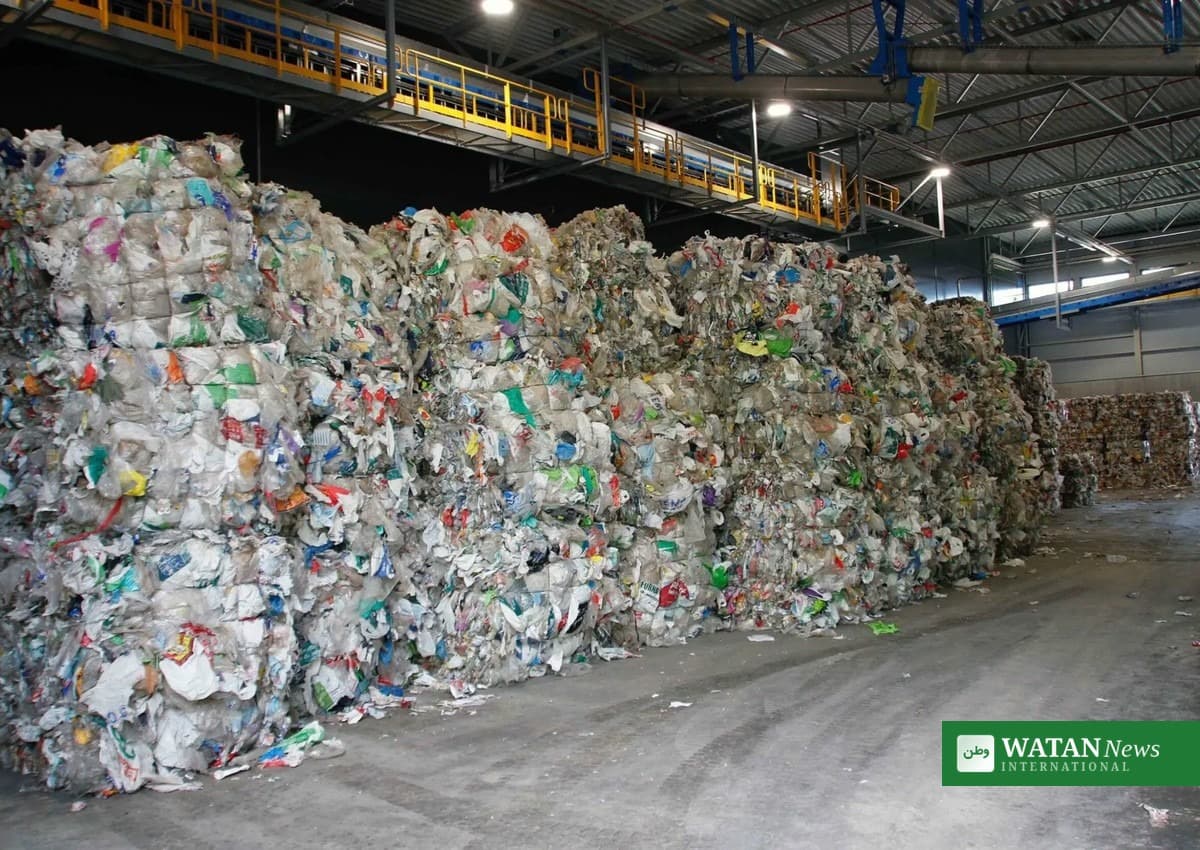
The European Union’s ban on plastic waste exports to countries outside the OECD takes effect today, 21 November 2026, closing one of the world’s largest trade routes for discarded plastic and forcing the bloc to deal with more of its own waste at home.
The prohibition applies under the EU’s revised Waste Shipment Regulation, adopted in 2024. From today, no plastic waste — including clean, non-hazardous material that could otherwise be sent abroad for recycling — may be exported from the EU to a non-OECD country. The ban will remain in place until at least 21 May 2029.
What changes from today
The ban covers all plastic waste exports to non-OECD destinations, and it closes the last remaining channel for eligible plastic waste. Since 21 May 2026, all plastic waste exports to third countries have already required prior notification and consent, processed through the EU’s Digital Waste Shipment System.
The restriction is part of a wider tightening. From 21 May 2027, exports of all types of waste — not only plastic — to non-OECD countries will be banned, and exporters will have to demonstrate that destination facilities have passed independent audits. EU Environment Commissioner Jessika Roswall confirmed the measure to reporters on Friday, and the European Commission is expected to present a Circular Economy Act in December.
Intra-EU shipments for recycling are unaffected: plastic waste can still move legally between EU member states for recovery.
The numbers behind the ban
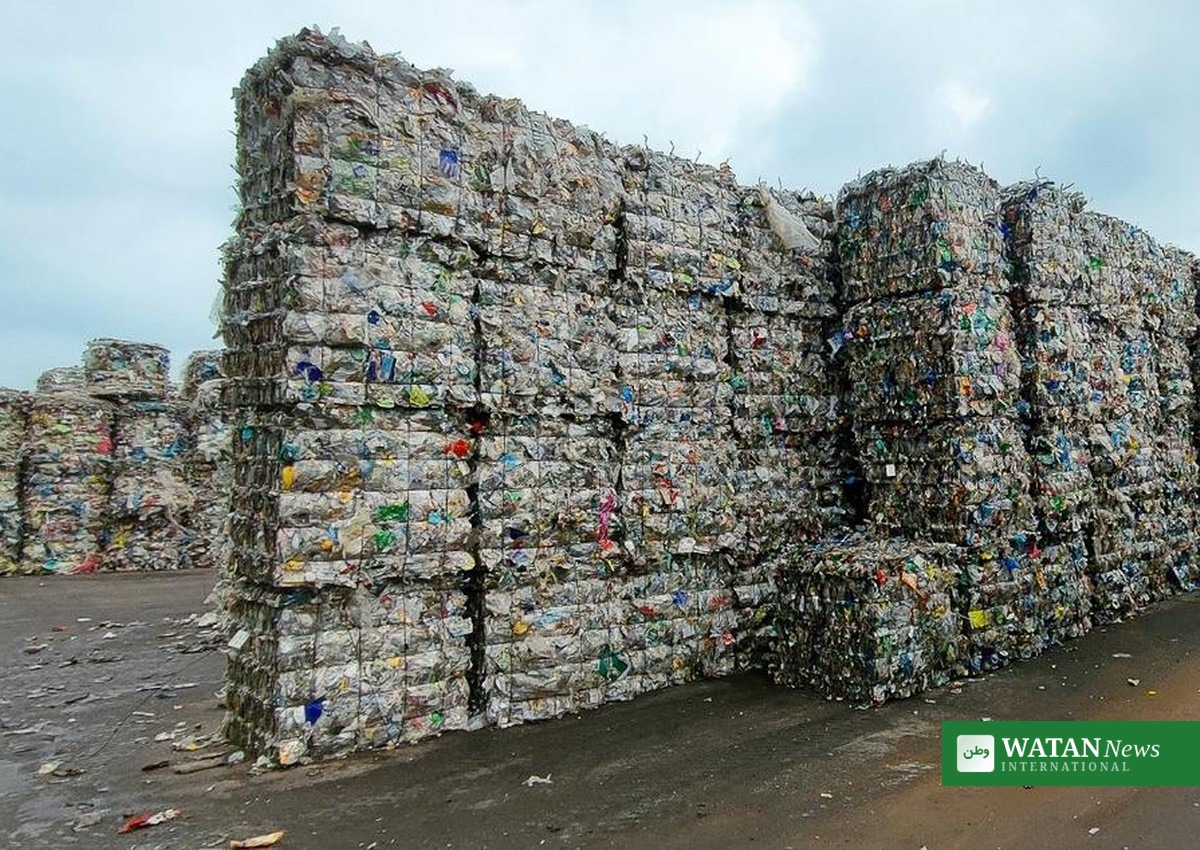
The European Commission says the EU generates roughly 40 million tonnes of plastic waste each year and exports between one million and 1.5 million tonnes of it. About half of the plastic waste the EU currently exports outside the bloc will now have to find a new destination.
The largest recipients have been Türkiye, Britain and the non-OECD countries Malaysia, Indonesia and Vietnam. Türkiye, the largest single recipient with 510,000 tonnes in 2025, is an OECD member, so exports there continue — under stricter controls. On 18 September 2026 the Commission published its assessment of plastic waste exports to Türkiye, noting that Ankara had strengthened its import controls but highlighting a lack of transparency in waste data, insufficient information on enforcement and unclear governance. Exports were kept open, with monitoring to continue.
Where the waste goes now
The Commission expects part of the redirected waste to be absorbed by EU recovery capacity and part to be diverted to treatment in OECD countries outside the EU. The ban does not by itself guarantee that more plastic will be recycled at home: sufficient domestic capacity and viable demand for recycled polymers are still required, and recyclers in non-OECD countries that depended on EU plastic waste will need to find alternative feedstock.
That is the point of the measure, according to the Commission: to make the EU take greater responsibility for the waste it generates rather than shifting the environmental burden to countries with weaker controls. The regulation’s stated aim is to ensure EU waste does not harm the environment or human health elsewhere and to strengthen the circular economy inside the EU.
The change arrives in the same week that the European Week for Waste Reduction opened with a focus on living well with less — and it follows the announcement that the Los Angeles 2028 Olympic and Paralympic Games will be plastic-free, a sign that waste prevention is moving from the margins to the mainstream of climate policy.
Why it matters for the climate
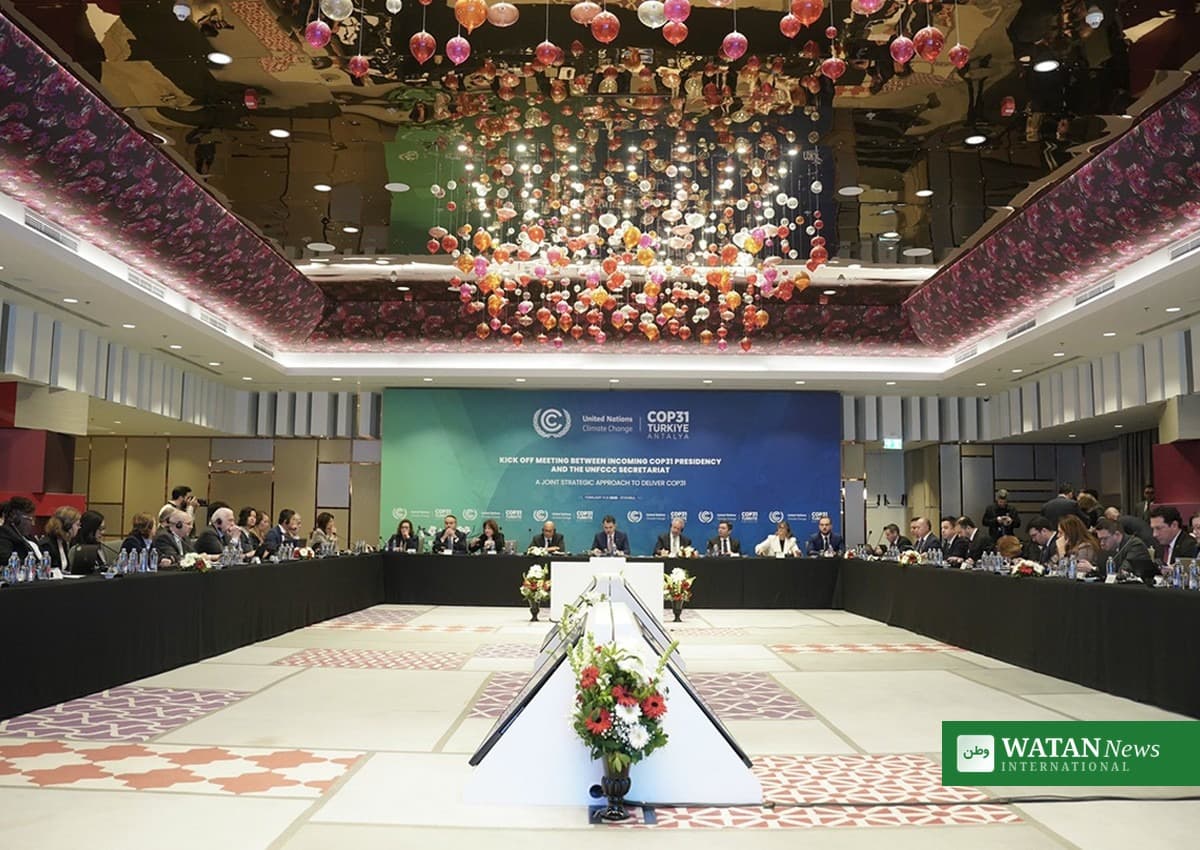
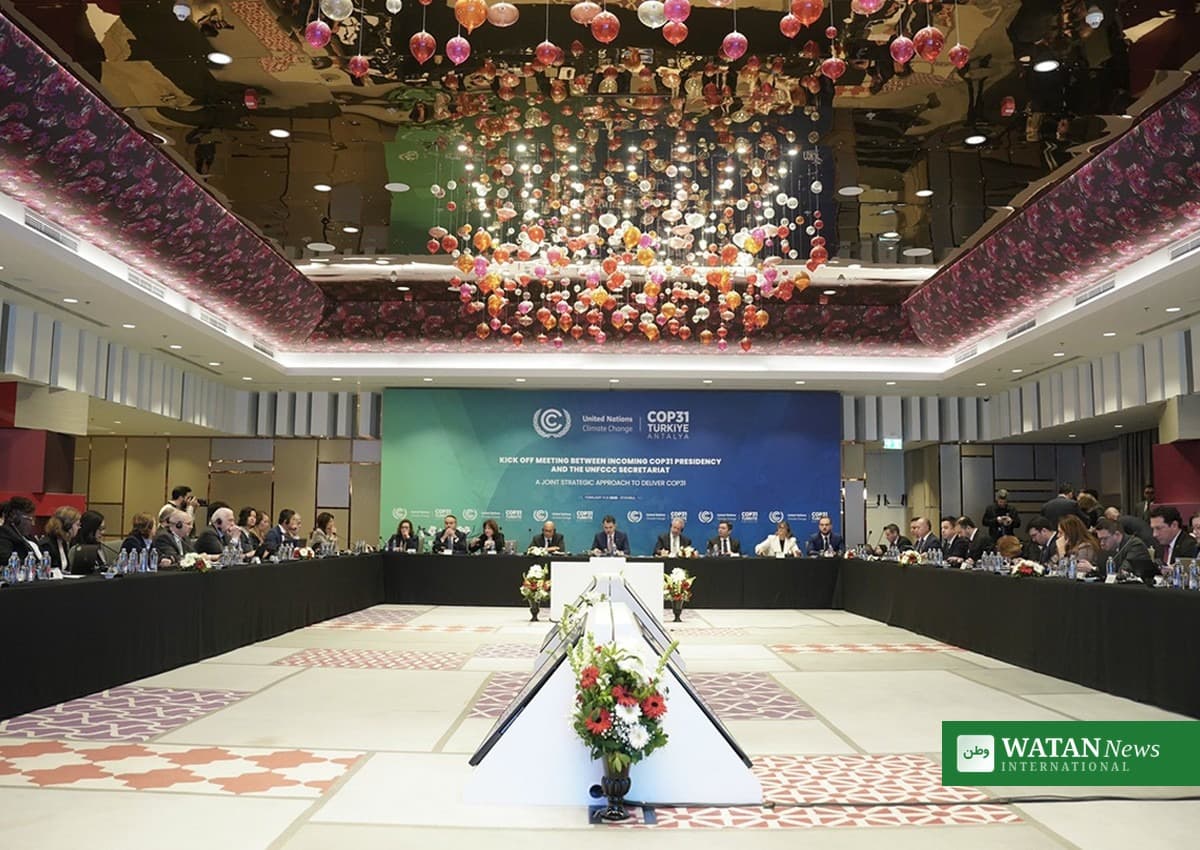
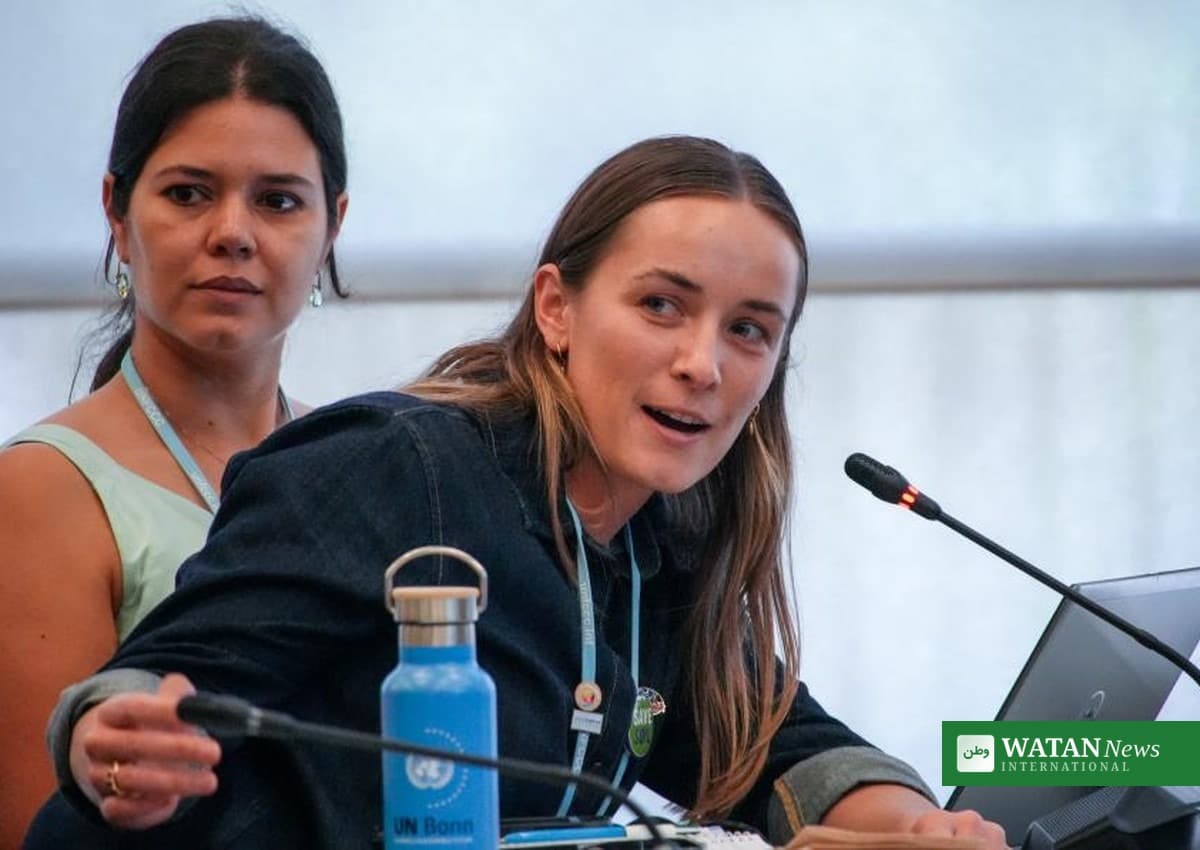
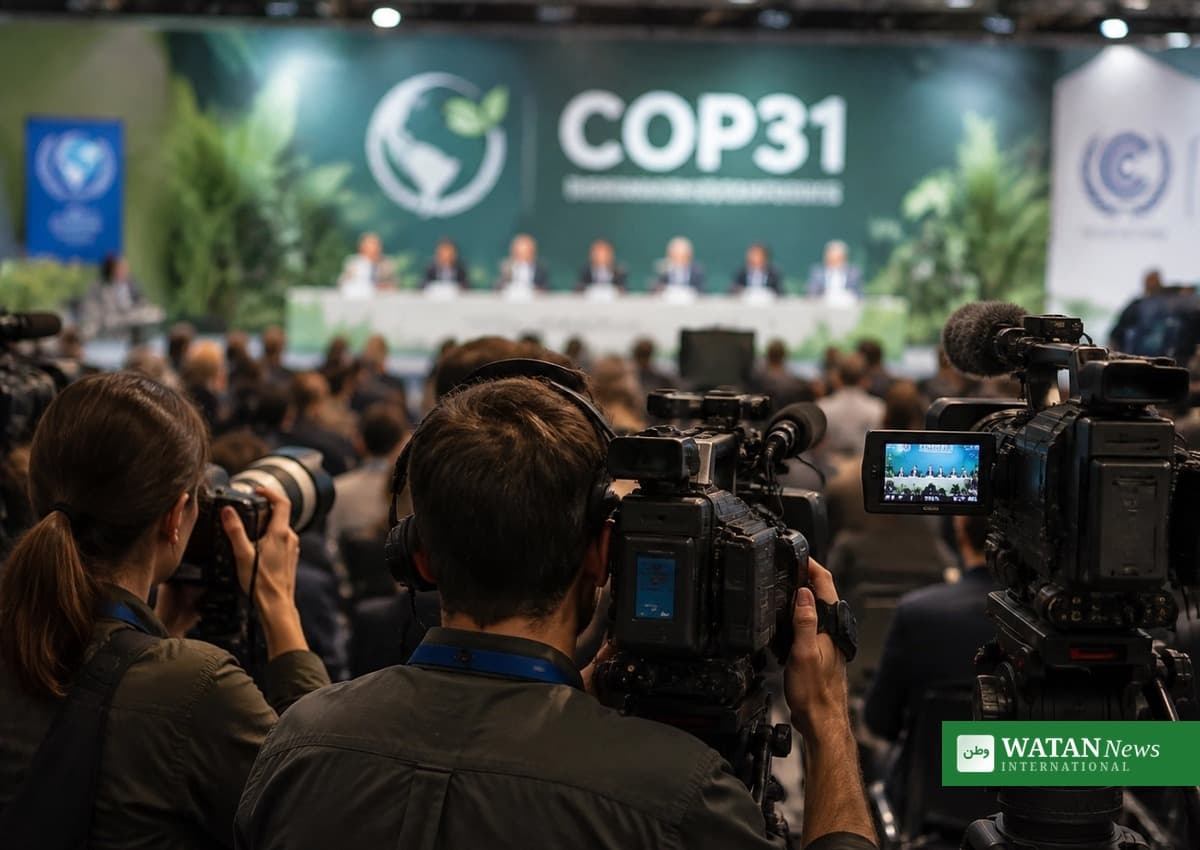
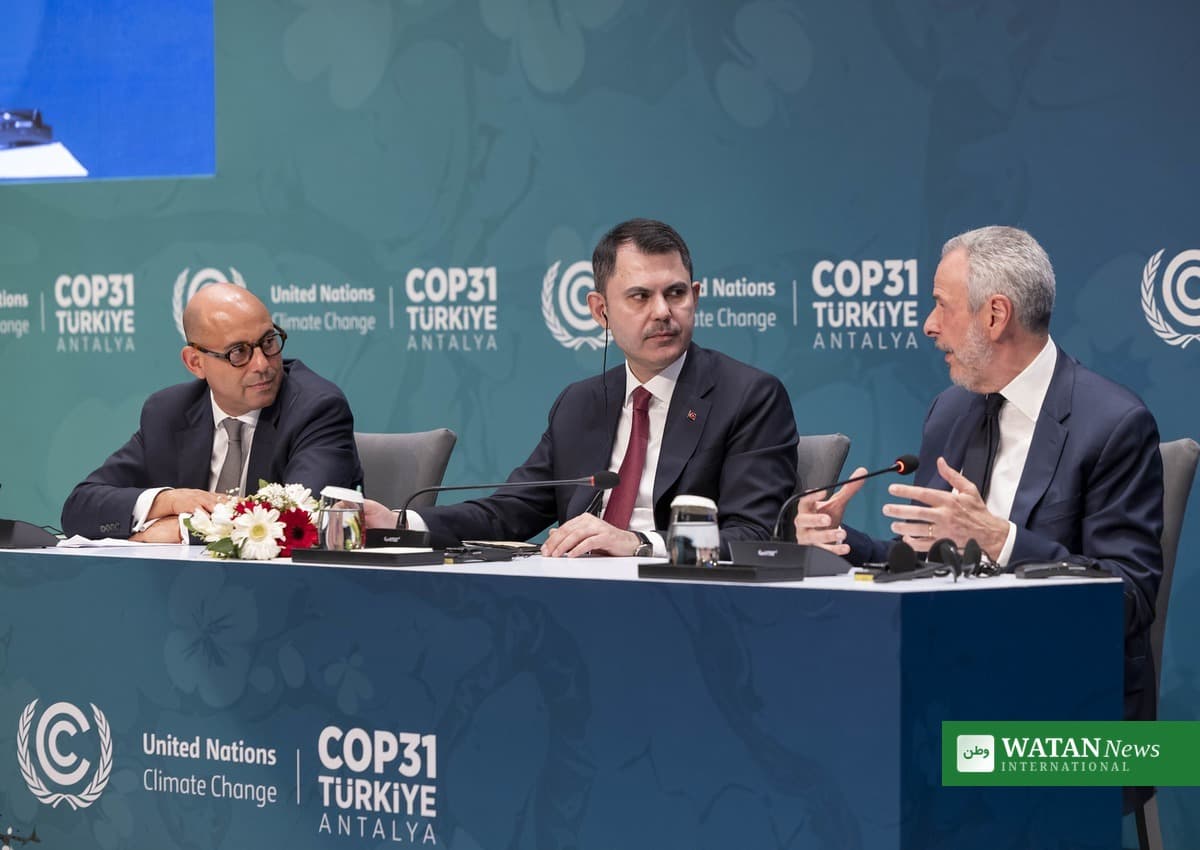
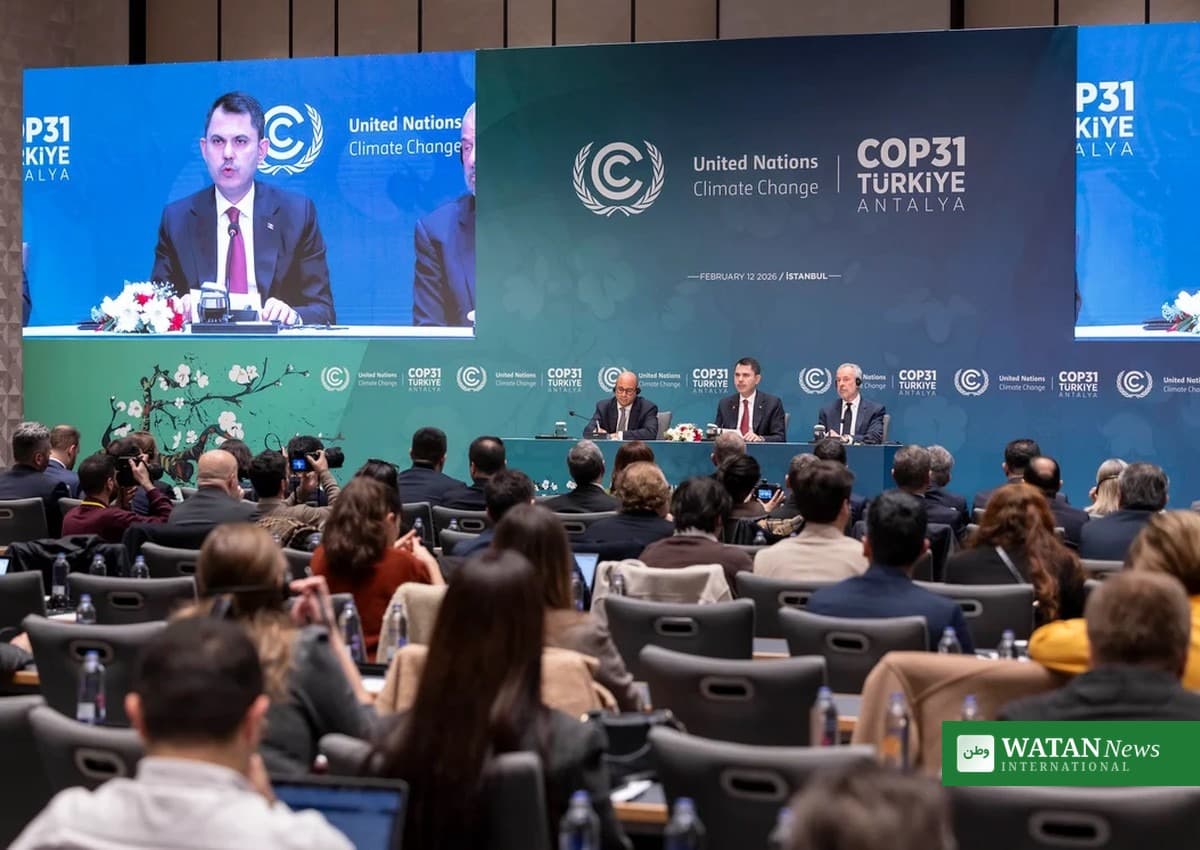
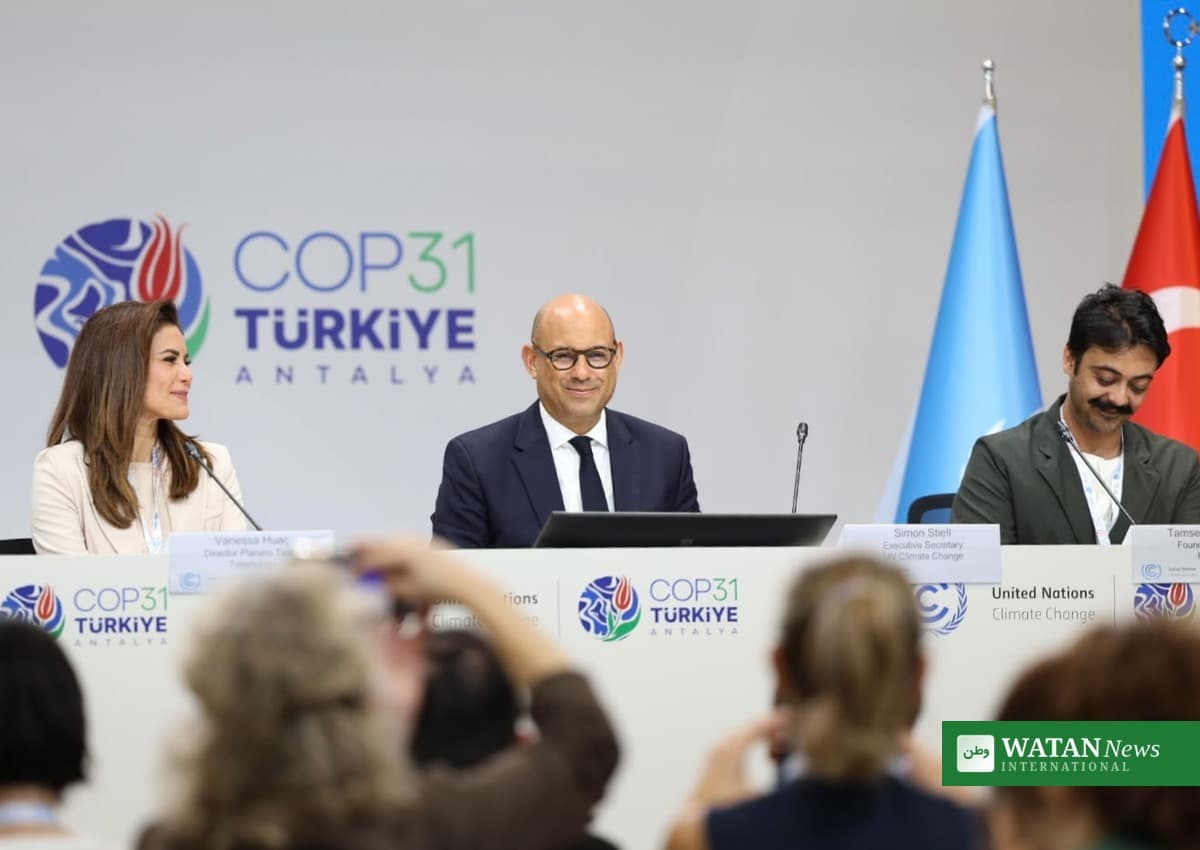
Plastic waste is a climate issue as well as a pollution issue: most plastic is made from fossil fuels, and poorly managed waste adds to emissions, harms ecosystems and, in coastal communities, can worsen flooding by blocking drainage. At COP31 in Antalya this week, small island states launched a policy paper, The Plastic-Climate Nexus for SIDS, calling for plastic pollution and climate resilience to be treated as connected challenges. The paper, convened by Common Seas with island partners, notes that small island developing states account for less than one per cent of worldwide greenhouse-gas emissions while facing exceptional exposure to climate change and marine plastic pollution, and it estimates an annual adaptation-finance shortfall of $10 billion for those states.
The EU ban is a first, concrete step in the direction those island states are asking for: waste handled where it is produced, under rules that can be checked, rather than shipped to wherever it is cheapest to dispose of.
FAKTA: The EU plastic waste export ban
- From 21 November 2026, exports of plastic waste from the EU to non-OECD countries are prohibited under the Waste Shipment Regulation, Regulation (EU) 2024/1157.
- The ban applies until at least 21 May 2029; after that, non-OECD countries may apply to receive certain non-hazardous plastic waste if they demonstrate environmentally sound management.
- The EU generates around 40 million tonnes of plastic waste a year and exports 1 to 1.5 million tonnes of it annually.
- Türkiye was the largest recipient in 2025 with 510,000 tonnes; as an OECD member, exports there continue under stricter controls.
- From 21 May 2027, exports of all waste types to non-OECD countries will be banned, with independent audits required for destination facilities.