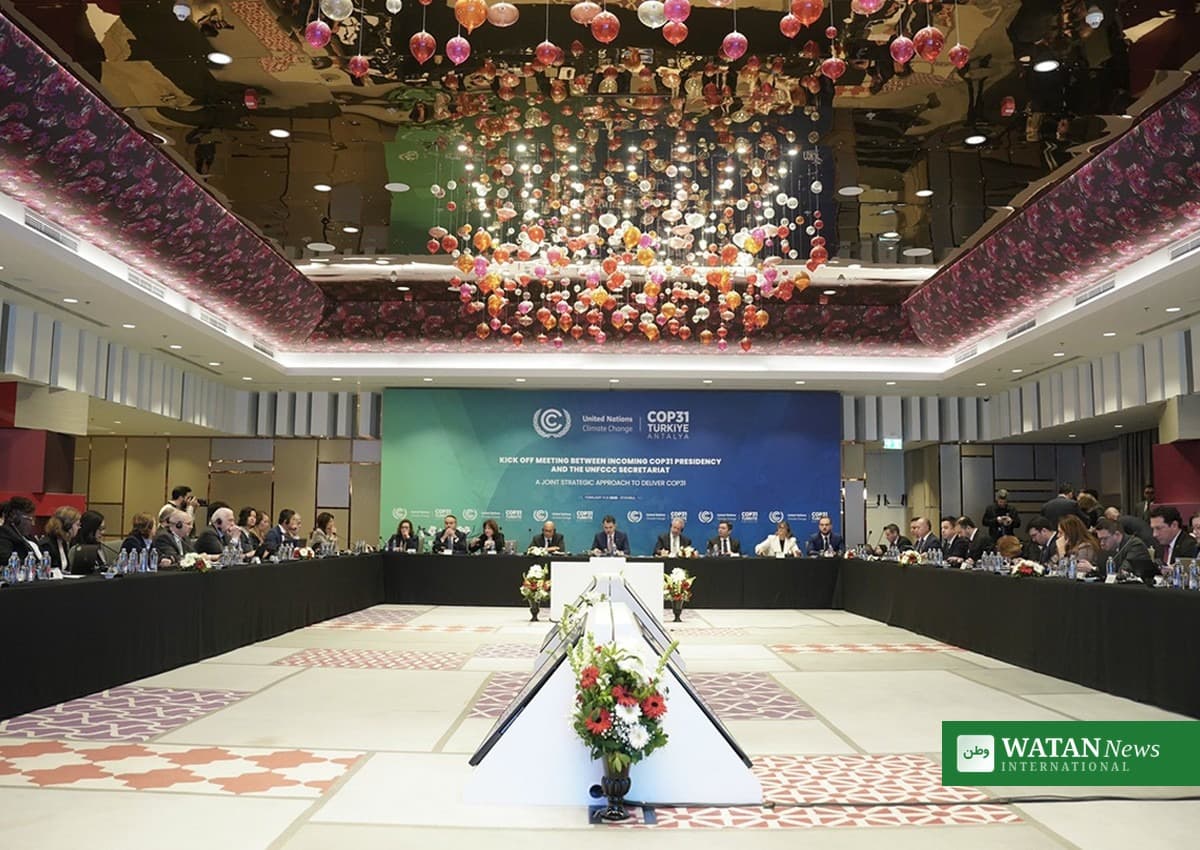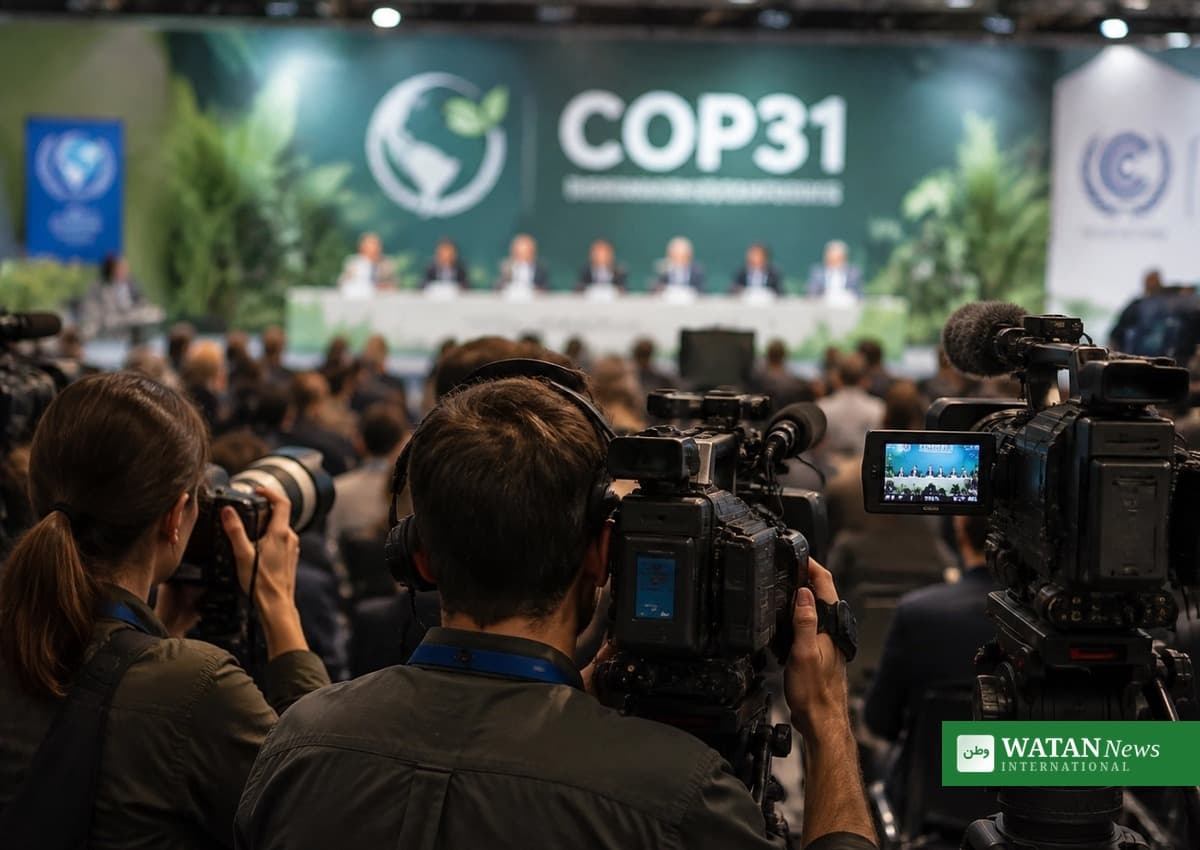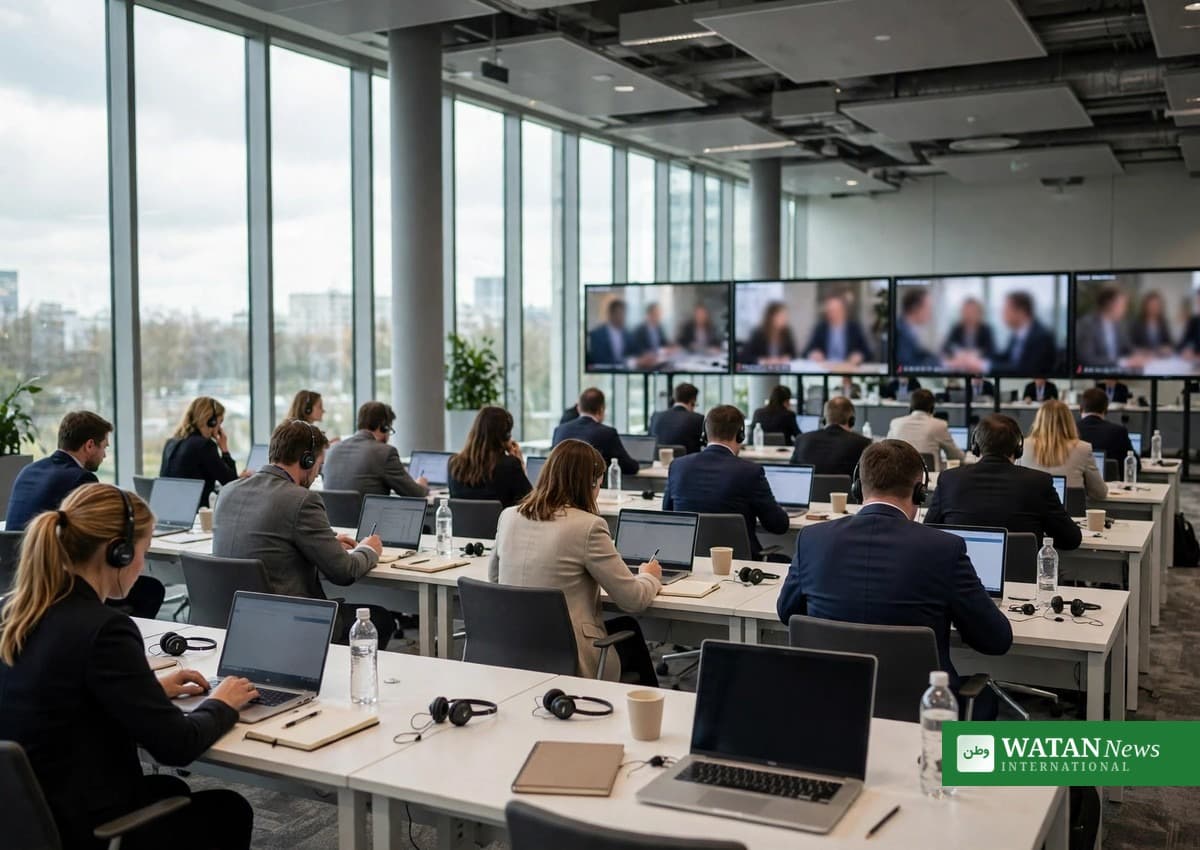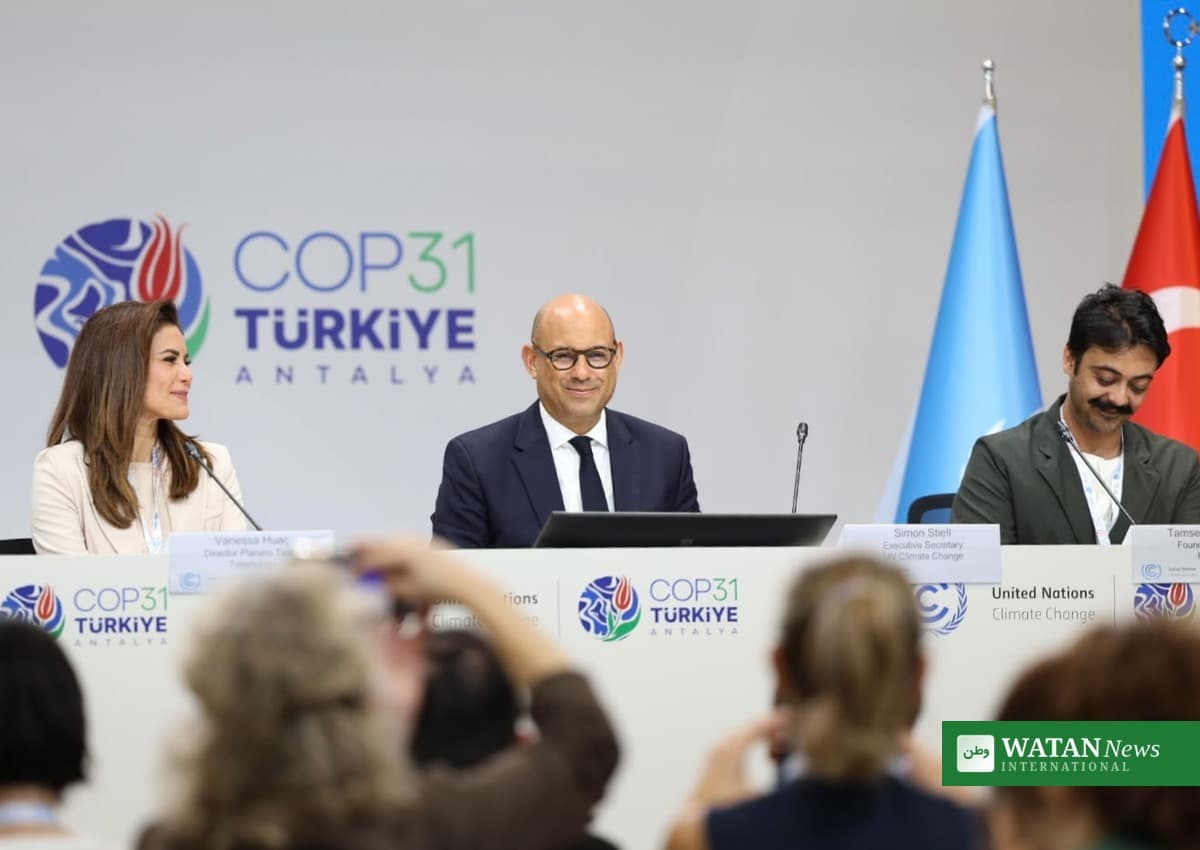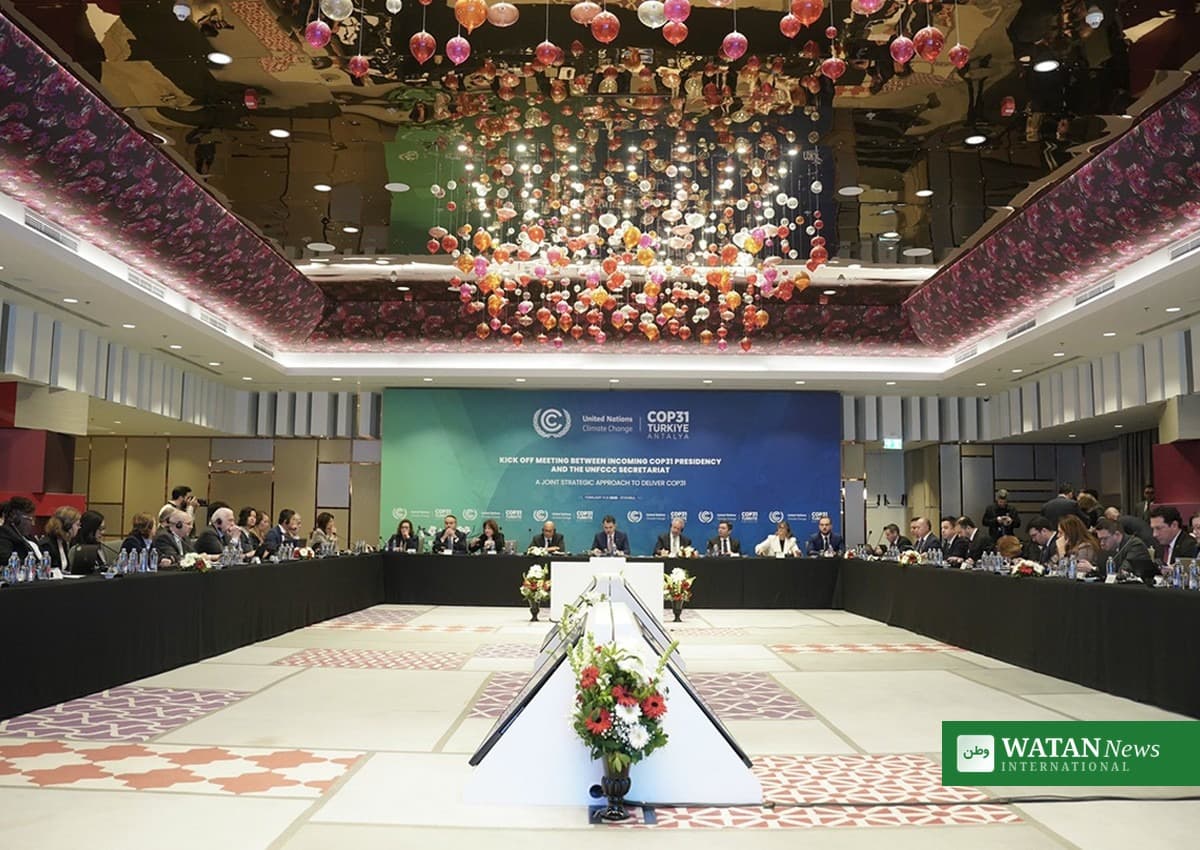
The COP31 climate summit in Antalya has gone deep into overtime with no final agreement, and the European Union’s top climate official warned on Saturday that the talks will either produce a good deal — or no deal at all.
Negotiators from nearly 200 countries missed the summit’s scheduled close on Friday 20 November. The closing plenary was suspended late on Friday night with the biggest political questions still open, and talks resumed on Saturday — but by Saturday afternoon there was still no new draft text on the table, and by Saturday evening delegations remained deadlocked over fossil fuels and climate finance.
A summit that missed its deadline
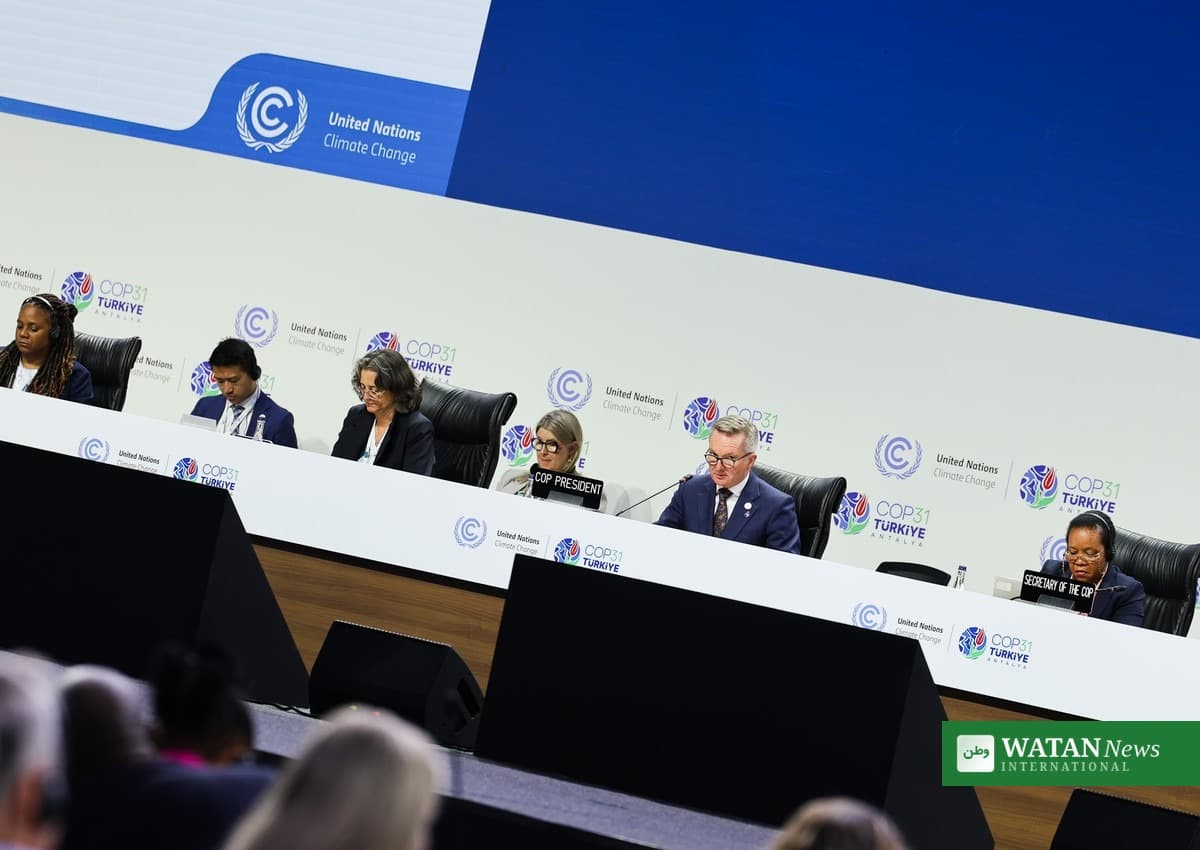
The closing plenary eventually convened on Friday evening and adopted a series of technical decisions, including guidance for Article 6 of the Paris Agreement, which governs international carbon-market cooperation, and decisions on matters relating to least developed countries. It was suspended at 10:29 p.m. local time, with the political package still open.
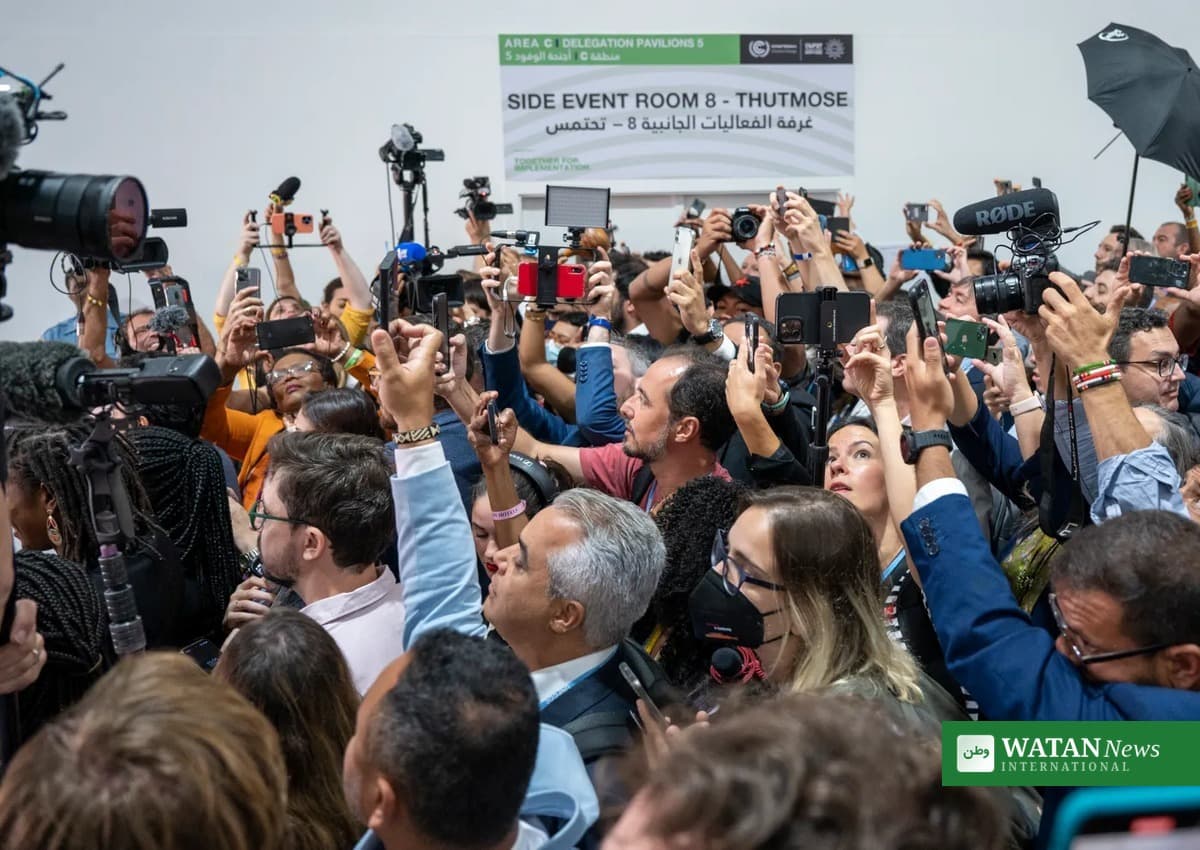
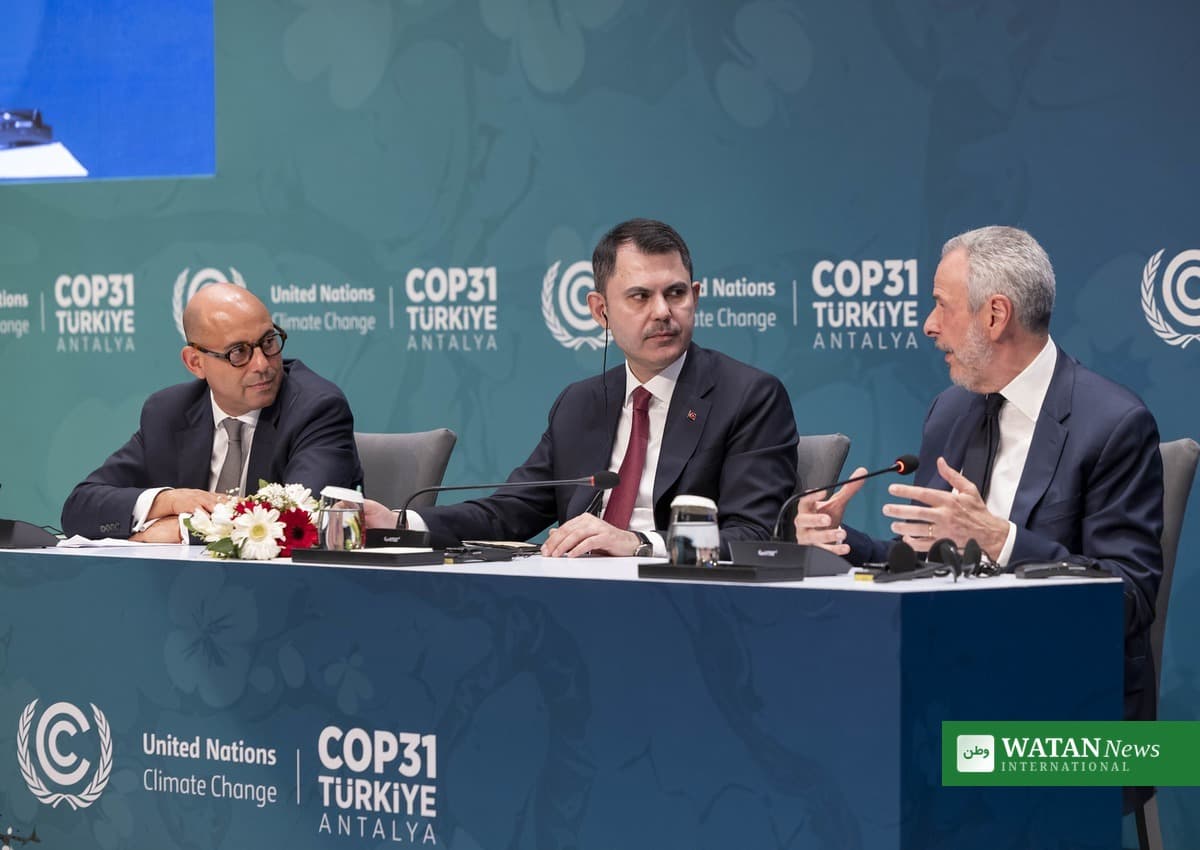
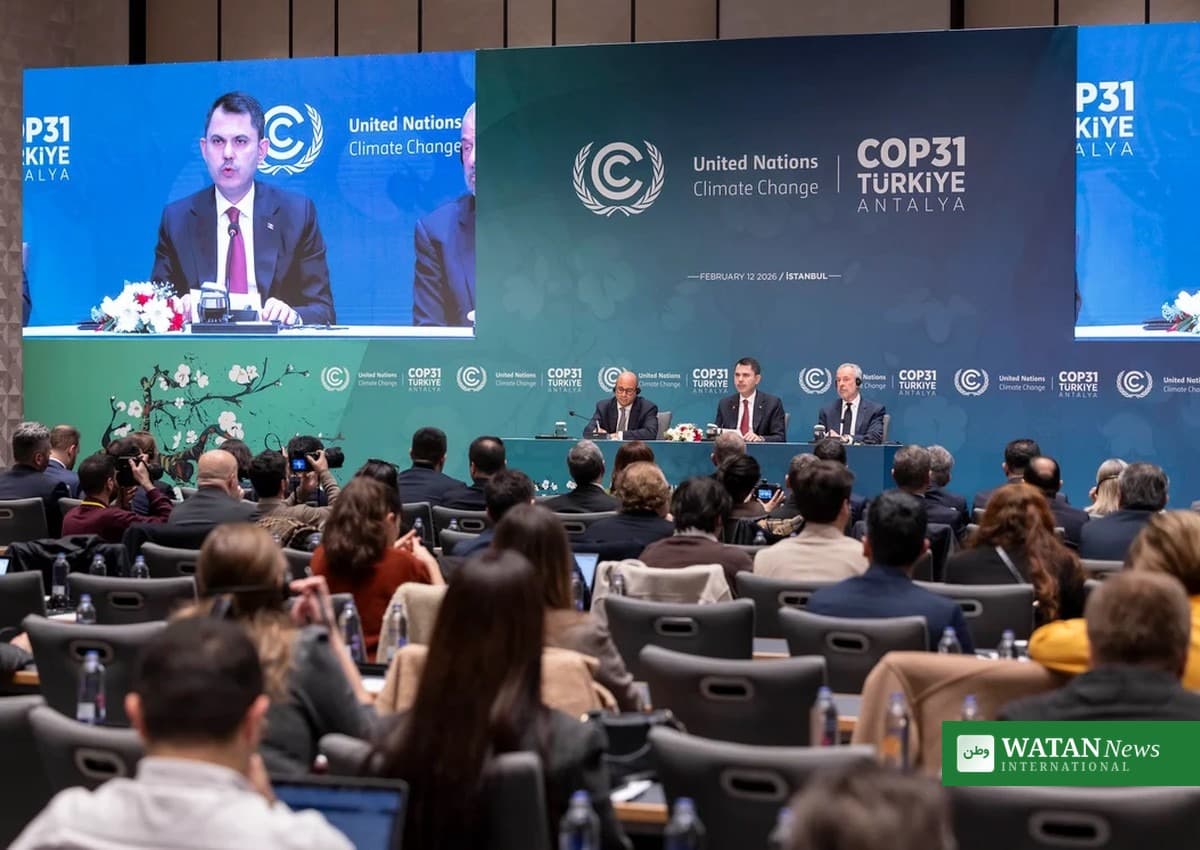
On Saturday, as workers dismantled catering stands and exhibits around the negotiators, delegations shuttled between meeting rooms awaiting a revised text. COP31 President Murat Kurum of Türkiye met officials from the EU, Australia and Saudi Arabia in an effort to break the deadlock, but acknowledged a deal could prove elusive.
“It’s either going to be a good deal or it’s going to be no deal,” EU Climate Commissioner Wopke Hoekstra told reporters on Saturday. Asked about the chances of no deal emerging, he said: “We will find out.”
“I call on every country to act responsibly,” Kurum told reporters. “There is no benefit for anyone to ruin this process by getting hung up on words, phrases.”
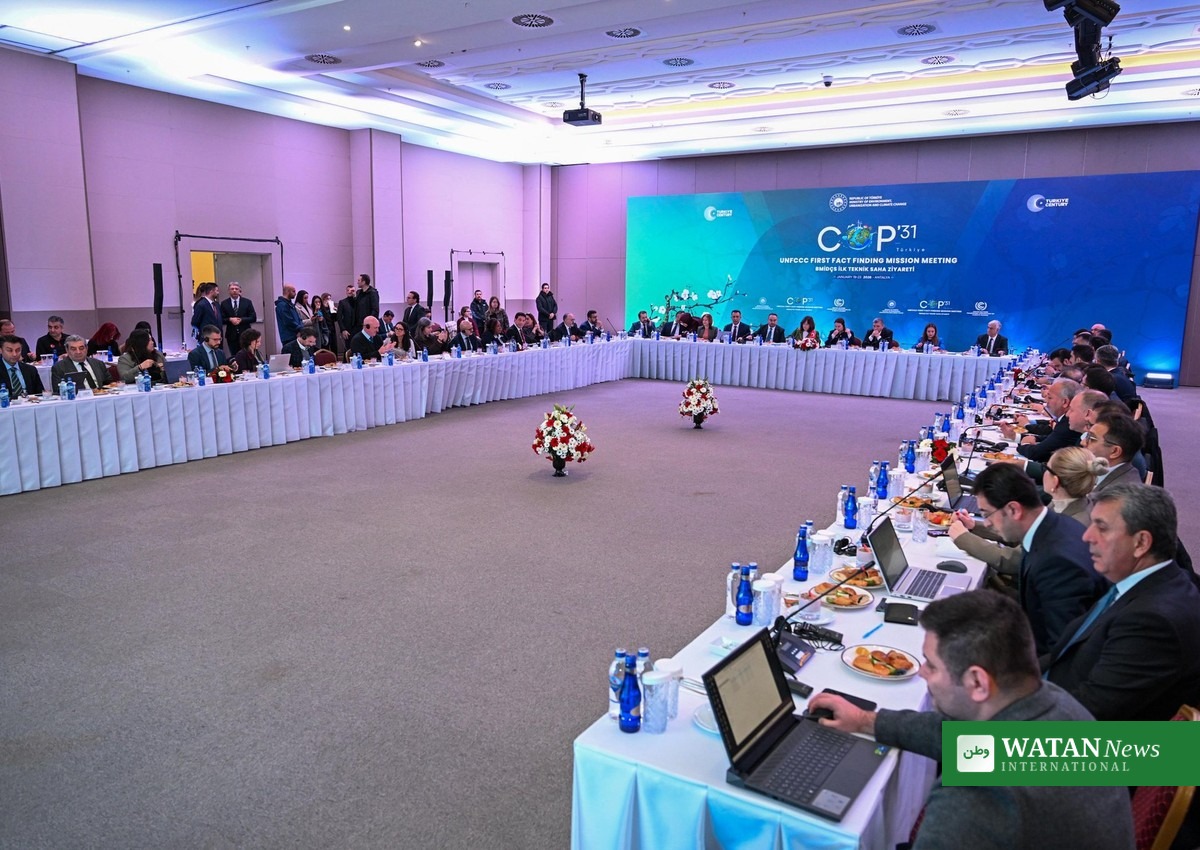
What the draft says — and what it leaves out
The central dispute is over words that are missing. A draft of the final agreement published on Thursday contains no reference to fossil fuels at all. An earlier draft had included proposals for faster action on phasing them out, but the slimmed-down version stripped out every mention, following objections from Saudi Arabia and other major oil and gas producers.
The same draft dropped a proposed target of $120 billion a year in finance to help developing countries adapt to climate change by 2035. It keeps a call to at least triple adaptation finance by 2035, but names no dollar figure. The presidency had promised a third version of the text on Saturday, followed by the second part of the closing plenary.
The draft does set out one big energy goal: raising electricity’s share of global final energy consumption to 35 per cent by 2035, from roughly 21 per cent today. It also gives prominent place to carbon capture and storage, with an ambitious target of capturing 500 million tonnes of carbon dioxide a year by 2035 — a choice several delegations criticised as an unproven substitute for cutting fossil-fuel use.
The draft acknowledges that the world is on track to overshoot the 1.5°C warming limit agreed under the Paris Agreement, and notes that full implementation of current national climate plans would still leave the world heading for around 2.6°C of warming. A UN report last month found the same overshoot is now expected. The United States, the world’s largest historical greenhouse gas emitter, is absent from the talks for a second year.
The red lines
The European Union, Panama, Vanuatu and Guatemala have refused to sign off on a text without explicit language on transitioning away from fossil fuels, and around a dozen countries have demanded a clear “transition away from fossil fuels” phrase. Panama’s Environment Minister, Juan Carlos Navarro, published an open letter vowing to block any outcome that fails eight demands, including a cap on oil production.
African negotiators, meanwhile, have pressed for a stronger commitment on adaptation finance after the $120 billion target was dropped. Isatou Camara, Gambia’s finance negotiator, said some countries appeared to be using delay tactics to pressure others into accepting a weaker outcome. Brenda Mwale, Malawi’s loss and damage negotiator, asked whether the summit faced a leadership crisis. The Climate Action Network branded COP31 “the worst COP ever”, criticising the lack of new public finance commitments and the removal of fossil-fuel language.
What has been agreed so far
Not everything in Antalya is stuck. Alongside the Article 6 decisions adopted on Friday, Ethiopia was announced as the host of COP32 in 2027, with its capital, Addis Ababa, as the host city. Around 25 countries now have roadmaps for moving away from fossil fuels under way or completed, and nearly 90 countries have joined the COP31 electrification pledge. COP31 also saw $24.4 billion in climate action pledges announced on its final scheduled day, and $30 million pledged to protect coral reefs. Eight agenda items, including just transition, finance, mitigation and adaptation, were explicitly deferred or left incomplete.
What happens next
Everything now depends on the third draft and the resumed closing plenary, which the presidency scheduled for Saturday evening. If no agreement emerges, COP31 would be the first UN climate summit to end with no agreement on any decision document since COP6 in The Hague in 2000. The last major breakdown in UN climate talks came in Copenhagen in 2009, when countries failed to adopt the Copenhagen Accord by consensus.
Recent summits have regularly overrun without collapsing, eventually producing agreements — and COP31 still has that path open. But as Saturday night wore on in Antalya, the choice facing nearly 200 countries was the one Commissioner Hoekstra put bluntly: a good deal, or no deal at all.
FAKTA: COP31 at a glance
- COP31, the UN climate summit, was held in Antalya, Türkiye, from 9 to 20 November 2026, co-hosted by Türkiye and Australia.
- The closing plenary was suspended at 10:29 p.m. on Friday 20 November with no final political agreement; talks continued into Saturday.
- The draft final decision contains no mention of fossil fuels and drops a proposed $120 billion annual adaptation-finance target for 2035.
- The draft keeps a goal of electricity reaching 35 per cent of global final energy use by 2035, and a 500-million-tonne annual carbon-capture target.
- Article 6 carbon-market decisions were adopted on Friday; COP32 will be held in Addis Ababa, Ethiopia, in 2027.