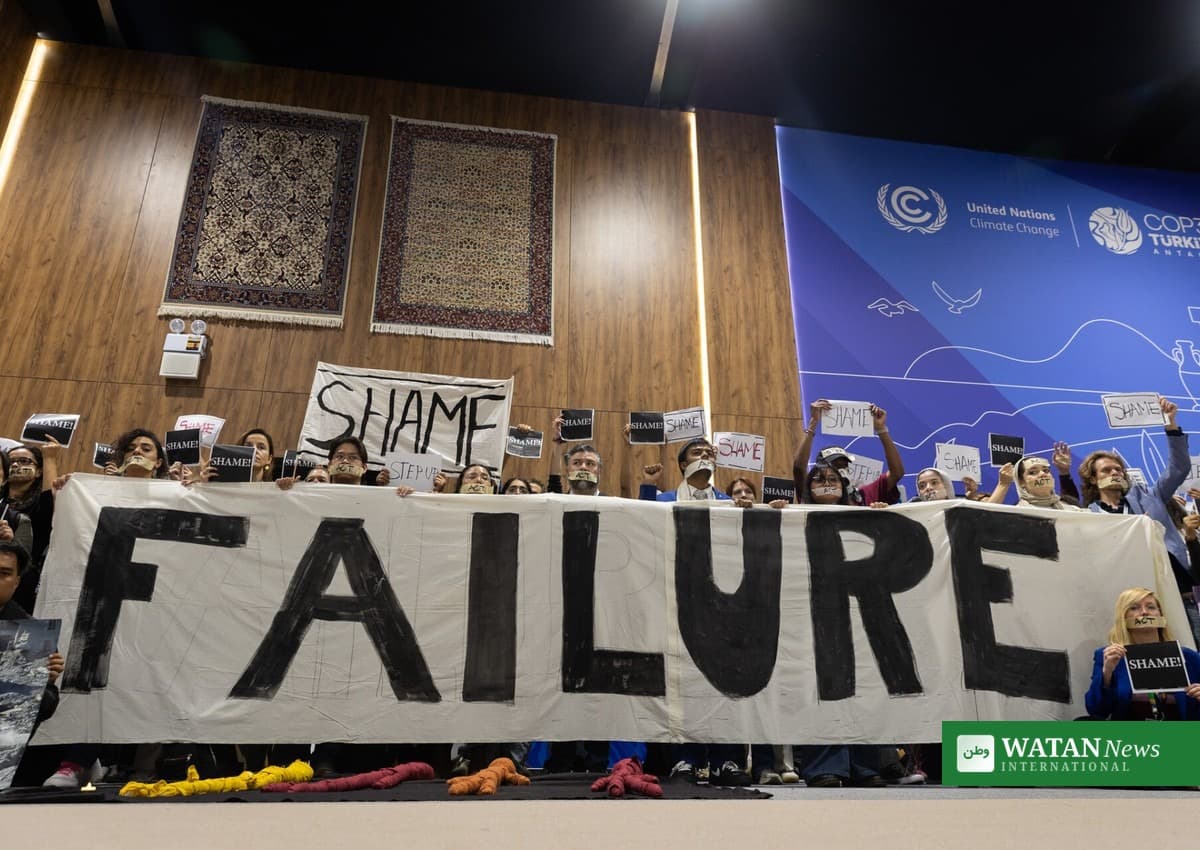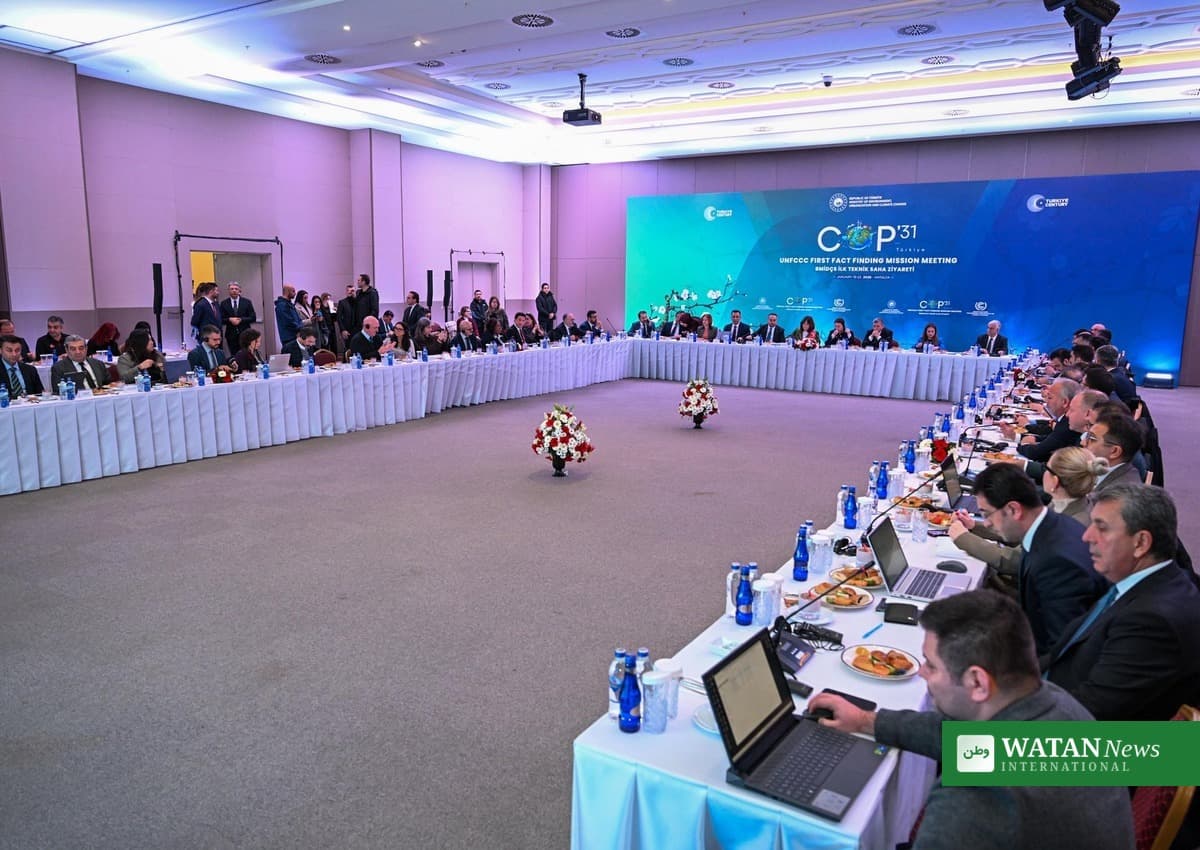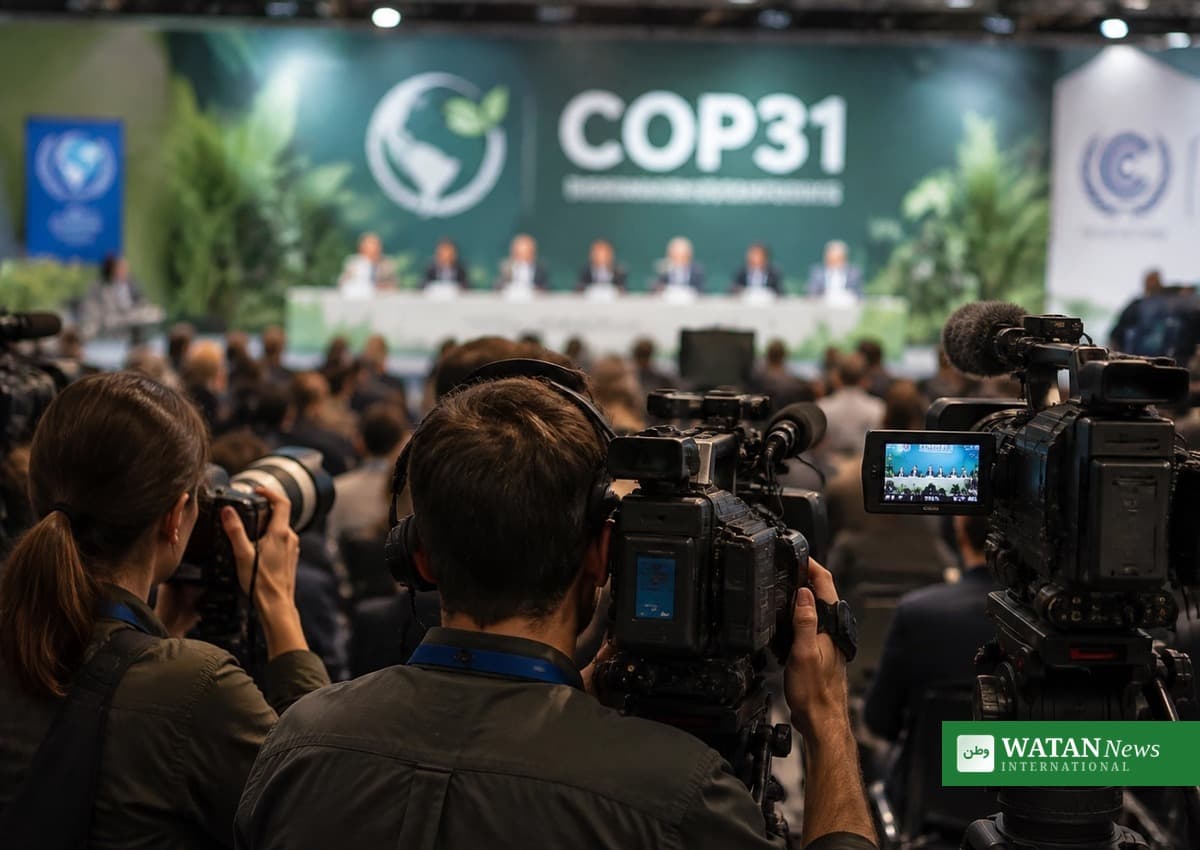
Pakistan has urged the world to put communities at the heart of the clean energy transition, presenting a model in which neighbours share solar power with each other instead of every household standing alone. The call came at the COP31 climate conference in Antalya, where Pakistan’s climate minister said community-led electricity sharing could make renewable energy cheaper, fairer and within reach of far more people.
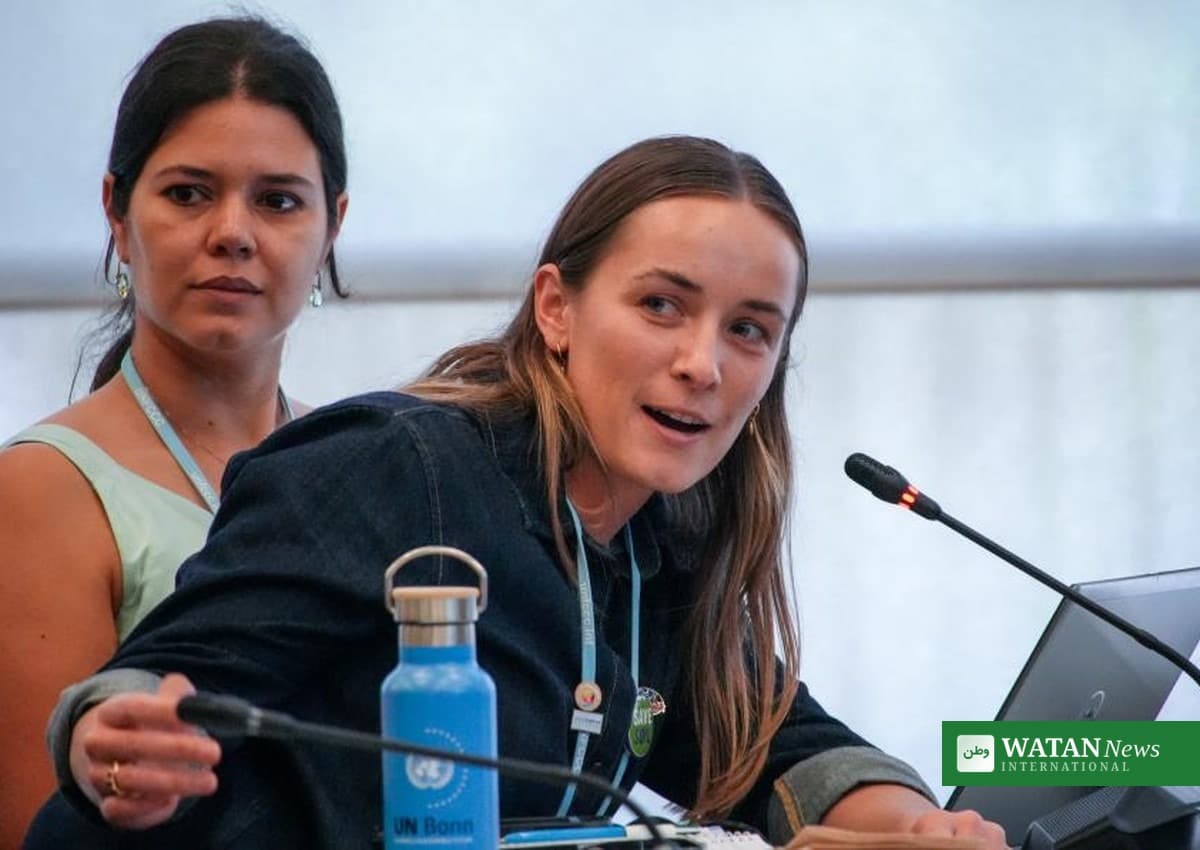
Dr Shezra Mansab Ali Khan Kharal, Pakistan’s Minister of State for Climate Change and Environmental Coordination, made the case on 20 November at the Pakistan Pavilion, at an event on swarm electrification and a just energy transition. She said energy reforms must reflect people’s everyday needs, and that communities should receive protection, recognition and a real say in how new systems are built.
FAKTA
- What: Pakistan presented community-led “swarm electrification” at COP31 in Antalya.
- Who: Dr Shezra Mansab Ali Khan Kharal, Minister of State for Climate Change; researcher Amina Shahab of the Policy Research Institute for Equitable Development (PRIED).
- When and where: 20 November 2026, Pakistan Pavilion, COP31, Antalya.
- The idea: Link rooftop solar panels, batteries and inverters so households and businesses can share surplus electricity with neighbours.
- The obstacle: Peer-to-peer electricity trading is restricted under current rules; new regulations are needed.
Power shared between neighbours
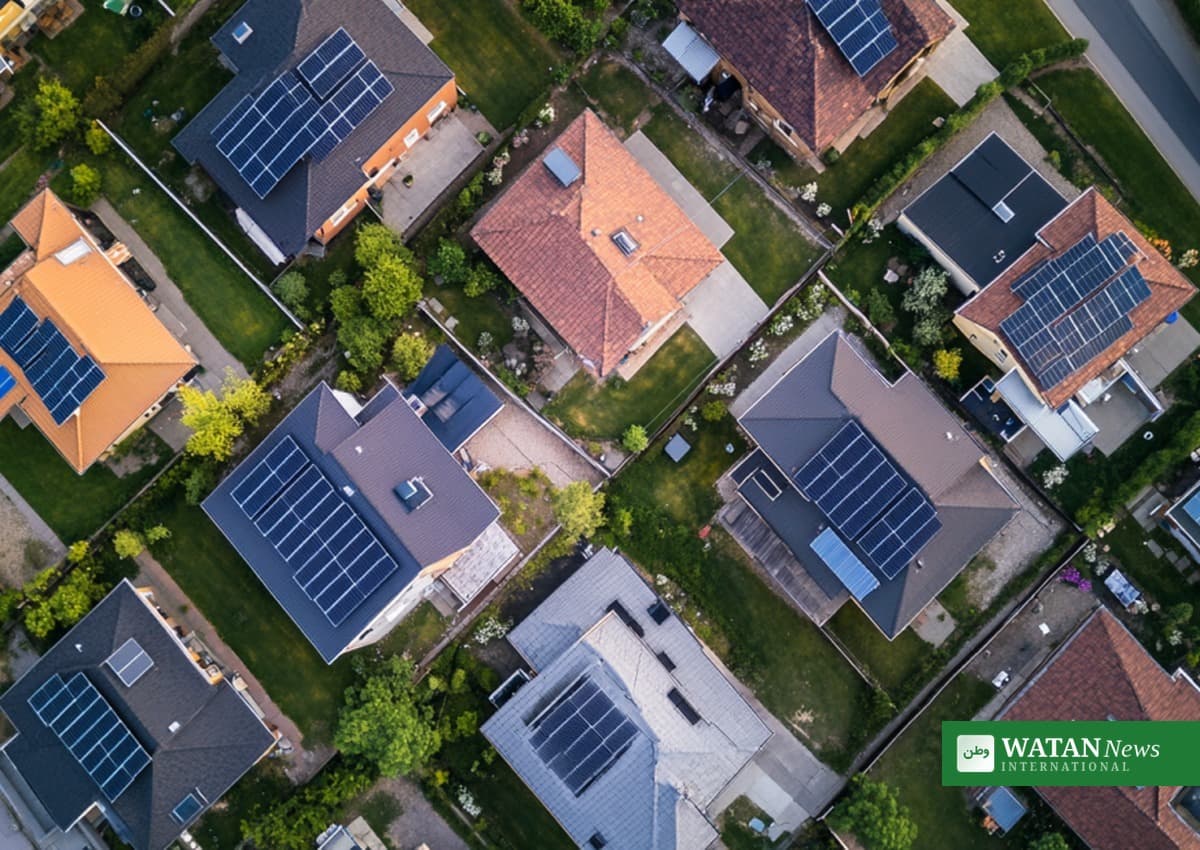
Swarm electrification connects existing rooftop solar systems, batteries and inverters into a small local network. A household can use its own solar power, store what it does not need, sell the surplus to a neighbour, or buy power from a nearby home that has extra to spare. The national grid stays in place as a backup.
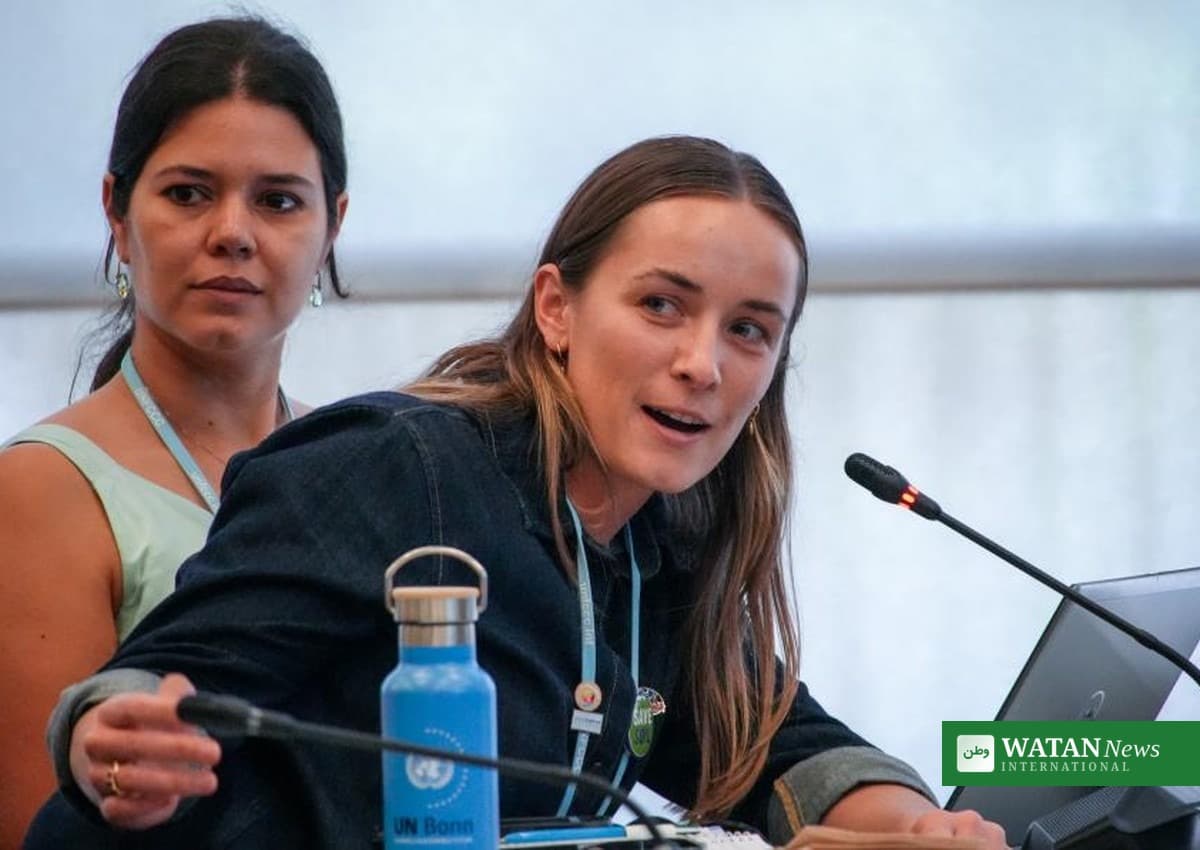
Researcher Amina Shahab presented PRIED’s study, “Swarm Electrification in Pakistan: Unlocking Community-Led Energy Sharing”, at the event. The institute tested the model in two contrasting settings — dense urban Islamabad and scattered rural Tharparkar in Sindh — and found it technically workable in both, although the economics differ. Urban networks could work as commercially viable, privately financed businesses; rural ones would need upfront investment and local training.
Rules are the missing piece
The study identified regulation as the biggest shared obstacle. Today households cannot freely trade electricity with each other, and third-party sales inside a distribution company’s area are restricted. New rules would have to settle who may sell power, at what price, and through which payment system.
Dr Shezra urged policymakers to put in place the regulations, coordination and financial arrangements that would make such sharing fair in practice, while strengthening energy systems, economic development and the environment.
A boom built by households
Pakistan’s case rests on a shift already under way: Prime Minister Shehbaz Sharif told COP31 that nearly 22 gigawatts of rooftop solar had been added in two years, a quiet revolution driven by ordinary citizens seeking affordable power.
The minister said countries facing energy security, development and climate pressures at the same time should look for approaches that tackle those challenges together. More coverage of COP31 and the global energy transition is available on Watan News.