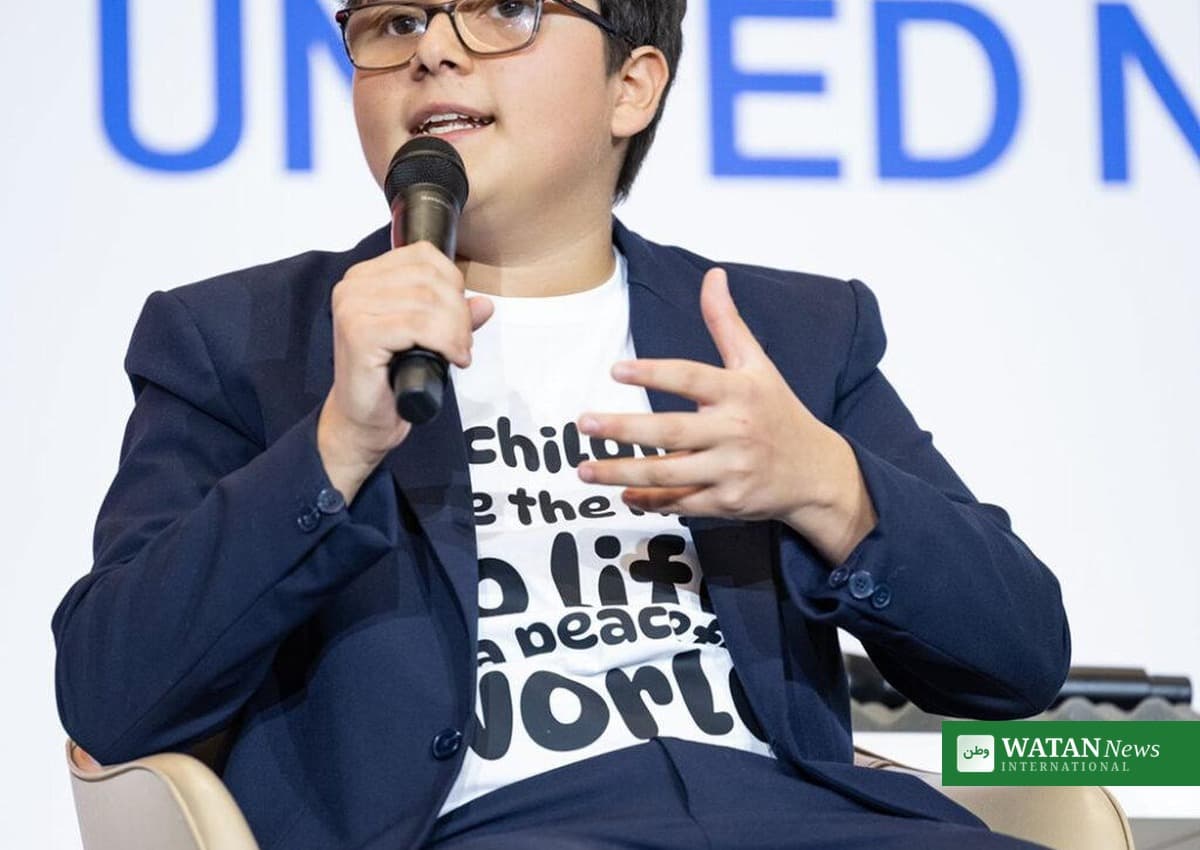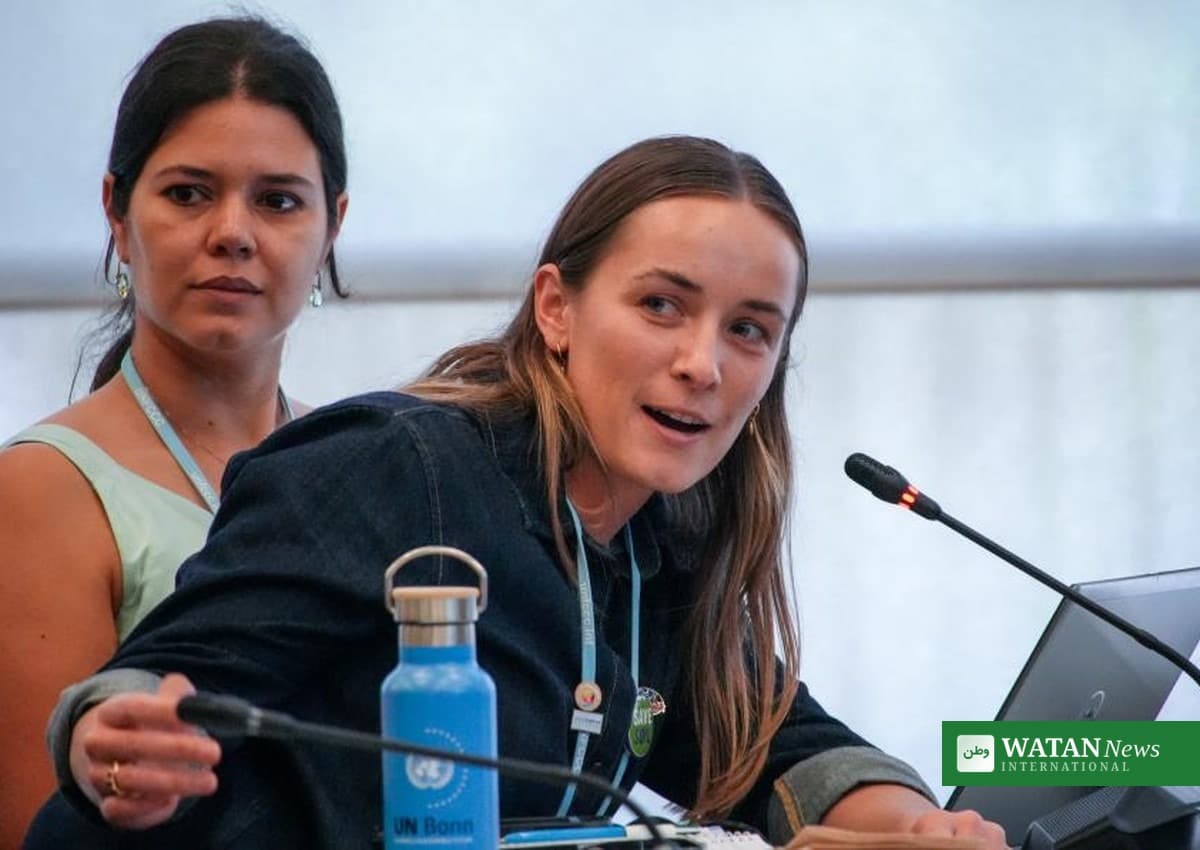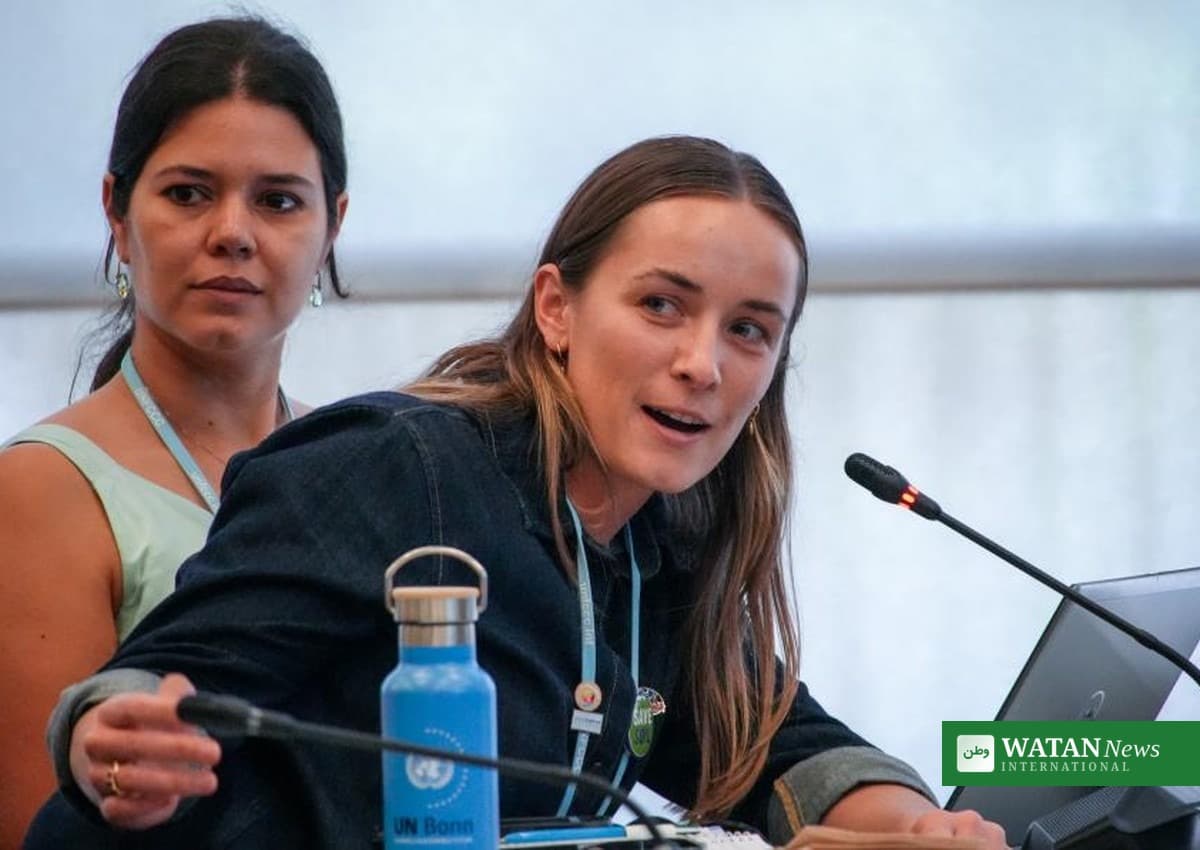
Antalya: COP31 Presidency Youth Climate Champion Sally Higgins has warned that global food systems are “really exposed” to geopolitical shocks, because they depend on fossil-fuel-based fertilisers and other synthetic inputs — and she wants food, farming communities and young people placed at the centre of the COP31 outcome.
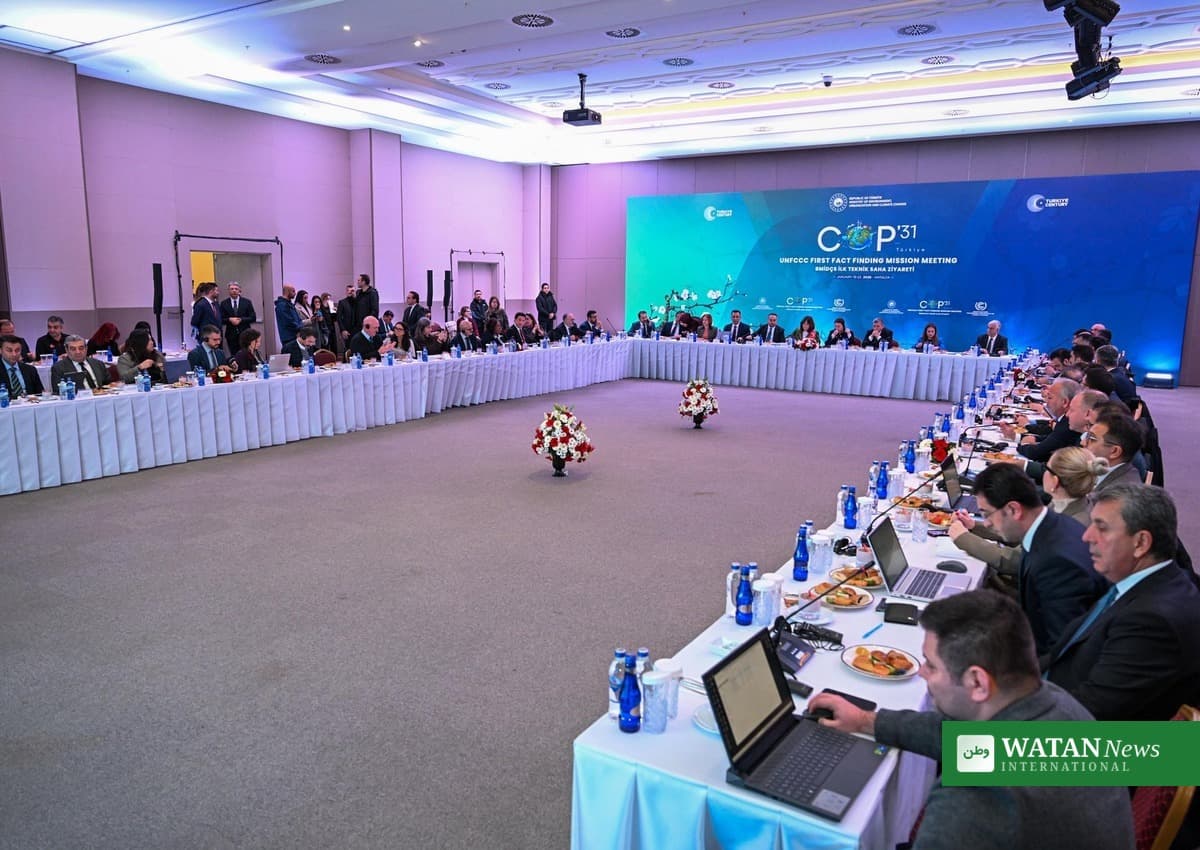
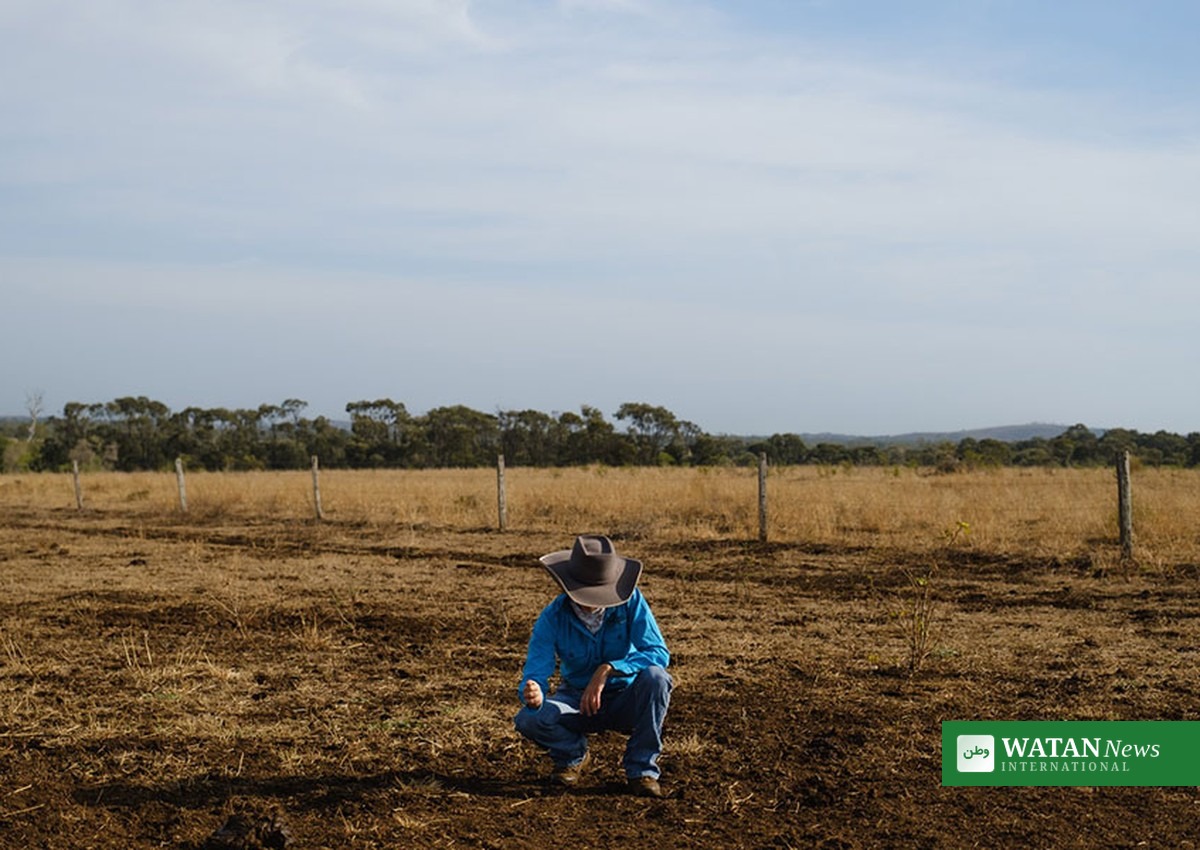
Higgins, a young cattle and cropping farmer from Allora in Queensland, Australia, gave the warning in an interview with the Anadolu news agency during COP31 in Antalya on 20 November, the day the conference had been scheduled to close.
Food security “a crisis all around the world”
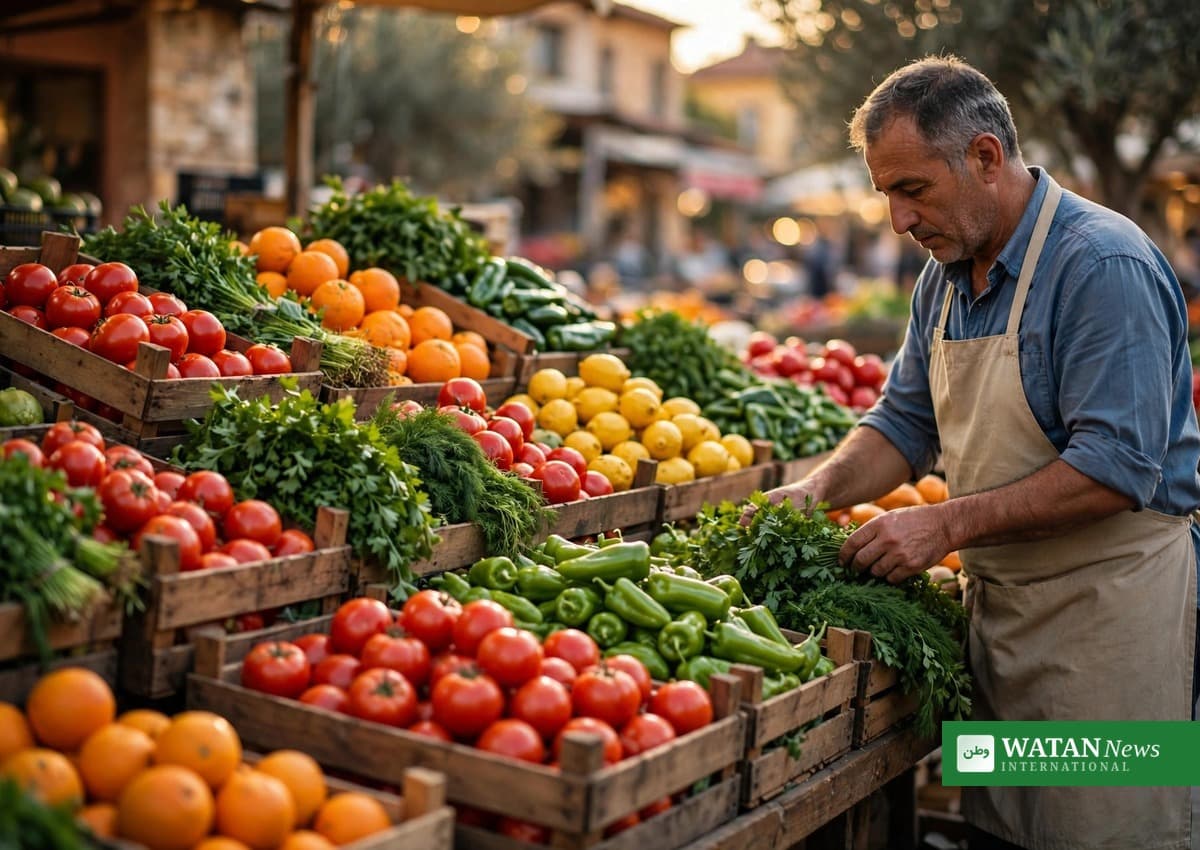
“Food security is a crisis all around the world, and we’ve seen with the war in Iran that the vulnerabilities our food systems have to the inputs of fossil fuel-based synthetic inputs in food production leaves us really exposed,” Higgins said.
She said the crisis showed why food security, nutritious food and farming communities must sit at the “front and centre” of climate policy, not at its edges — and that COP31 should be the platform that makes that happen.
The same warning had surfaced earlier in the conference. In an edie podcast recorded on 12 November, Higgins said spiking fuel and fertiliser prices, driven by the war in Iran, were squeezing farm margins just as climate change was making farming riskier.
Young farmers have ideas — but lack finance and markets
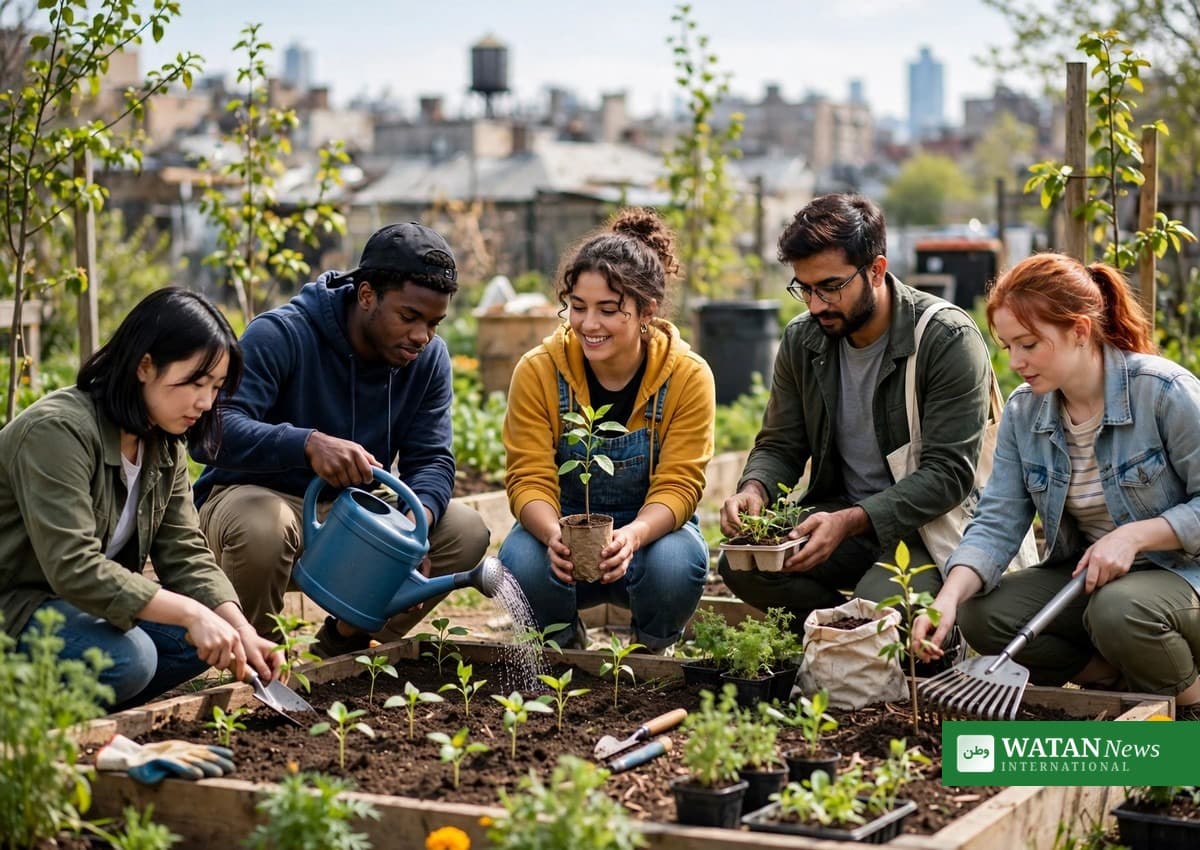
Higgins said young people around the world are not short of ideas for food systems. What they lack, she said, is access to finance and to the market pathways that let them take part in supply chains, use best-practice methods and still make a living.
“What I heard from young people all around the world is that there’s no shortage of ideas and ambitions in food systems,” she said. “Young people want to produce nutritious food using best practice technology and methods. But what they told me they lack is actually access to finance and those market pathways that help them to participate in supply chains and to use the best practices while being profitable and having a good life.”
She pointed to two practical fixes: concessional financing, and repayment arrangements that fit the realities of farming — including outcome-based schedules that reflect the fact that a farm’s income is seasonal and a monthly repayment is not always possible when rain and harvests are unpredictable.
She also underlined the role of the private sector, particularly through off-taker agreements that guarantee young producers a market, so they can invest in the long-term future of their businesses and their land.
Back Future Farmers
Higgins is launching Back Future Farmers, a global campaign to identify and promote pathways that let young farmers build businesses that are both commercially viable and sustainable.
The initiative brings together international farming organisations, private-sector partners, philanthropic funders, government policymakers and young farmers to identify successful financing models and expand opportunities for the next generation of agricultural producers.
What Higgins wants in the final COP31 text
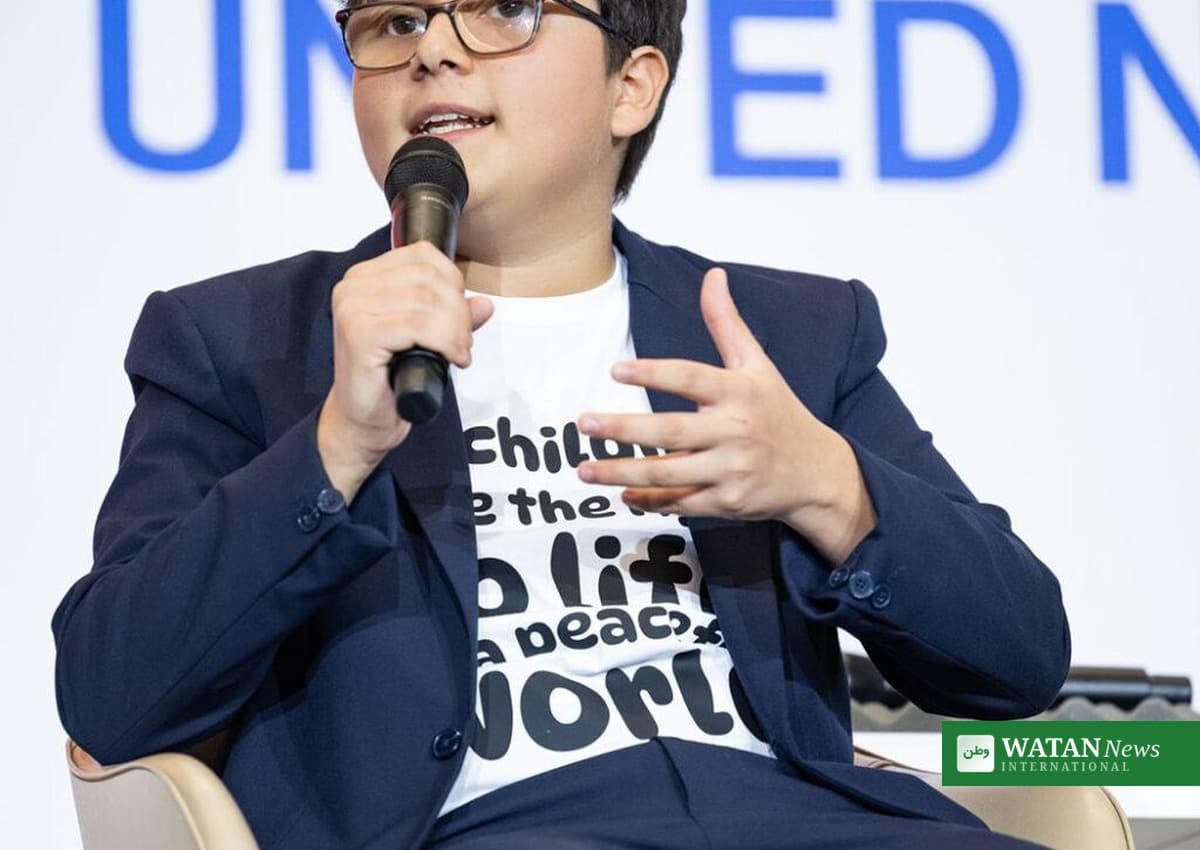
Turning to the negotiations, Higgins said young people want an ambitious final outcome that sends a message of hope and optimism about global climate action — and that children and young people should be explicitly included in the final statements, with recognition of their role and the resources they need to contribute in their communities.
She also called for agricultural policies that reflect the different circumstances of farming communities in each country, rather than a one-size-fits-all approach.
“Our farmers are on the front lines of climate change in Australia, in Türkiye, and all around the world,” she said. “Farming is different in Türkiye than it is in my community in regional Australia,” she added, stressing that communities, individuals and agricultural businesses should remain at the centre of international climate policymaking.
Her overarching message, she said, was that international cooperation remains essential: that multilateralism is working, that countries continue to see the climate crisis as an important priority, and that young people are key implementers and partners in acting on it.
Food on the COP31 agenda
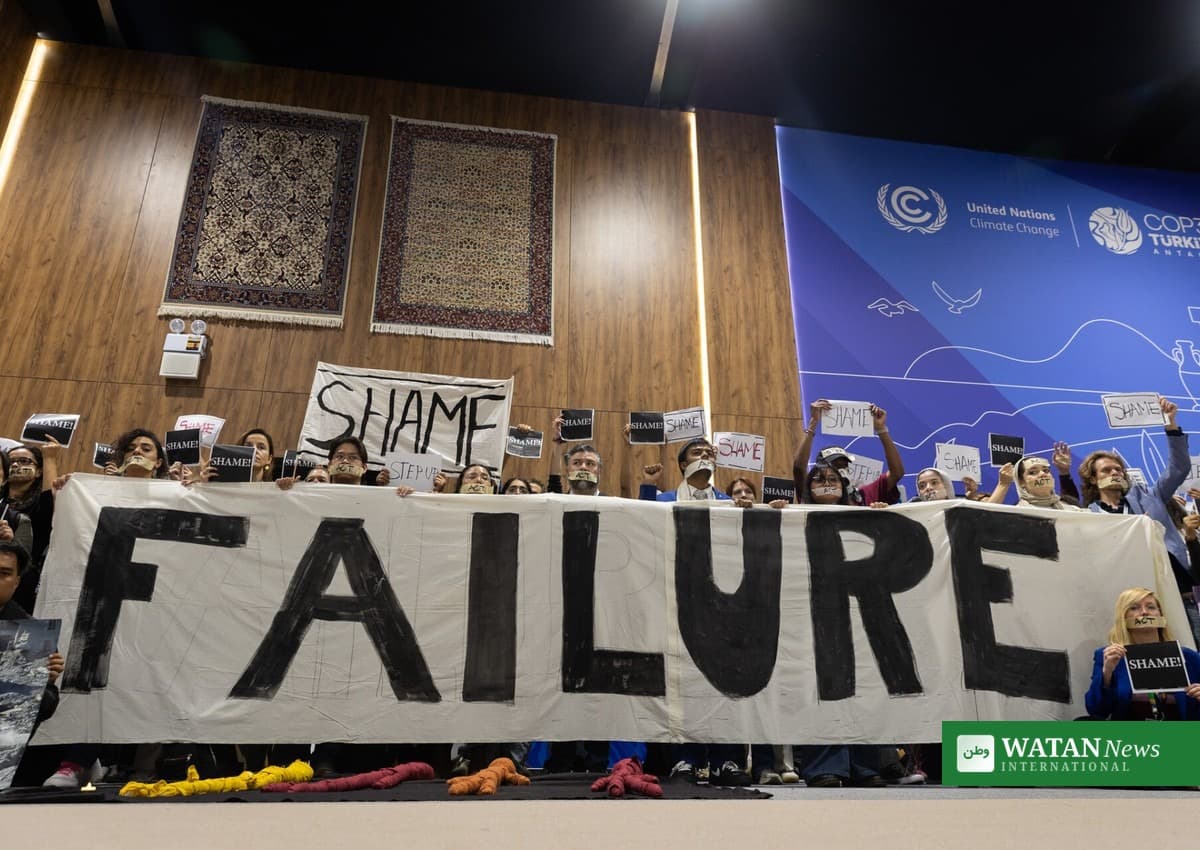
The warning lands as food and farming have become one of the most contested issues at COP31. Talks under the Sharm el-Sheikh joint work on agriculture collapsed without consensus and were sent to the Bonn intersessional, as Watan News reported in its COP31 food-systems verdict.
The conference itself was suspended into Saturday, with a third draft of the cover decision expected and the resumed closing plenary scheduled for 8pm on Saturday 21 November in Plenary Anadolu.
Higgins serves as COP31 Presidency Youth Climate Champion, a role created at COP28 to give young people a meaningful voice in United Nations climate decision-making. She works between the Australian Government and the Turkish Presidency, and is a Nuffield Farming Scholar.
FAKTA
- Who: Sally Higgins, COP31 Presidency Youth Climate Champion — a young cattle and cropping farmer from Allora, Queensland, Australia.
- What she said: Global food systems are “really exposed” because they depend on fossil-fuel-based synthetic inputs, a vulnerability laid bare by the war in Iran.
- When: In an interview with Anadolu during COP31 in Antalya on 20 November 2026; the same warning appeared in an edie podcast on 12 November.
- Her campaign: Back Future Farmers, launched at COP31, seeks finance and market pathways so young farmers can build viable, sustainable businesses.
- Her ask: Food systems, nutritious food and farming communities at the “front and centre” of climate policy — and young people named as key implementers in COP31’s final text.