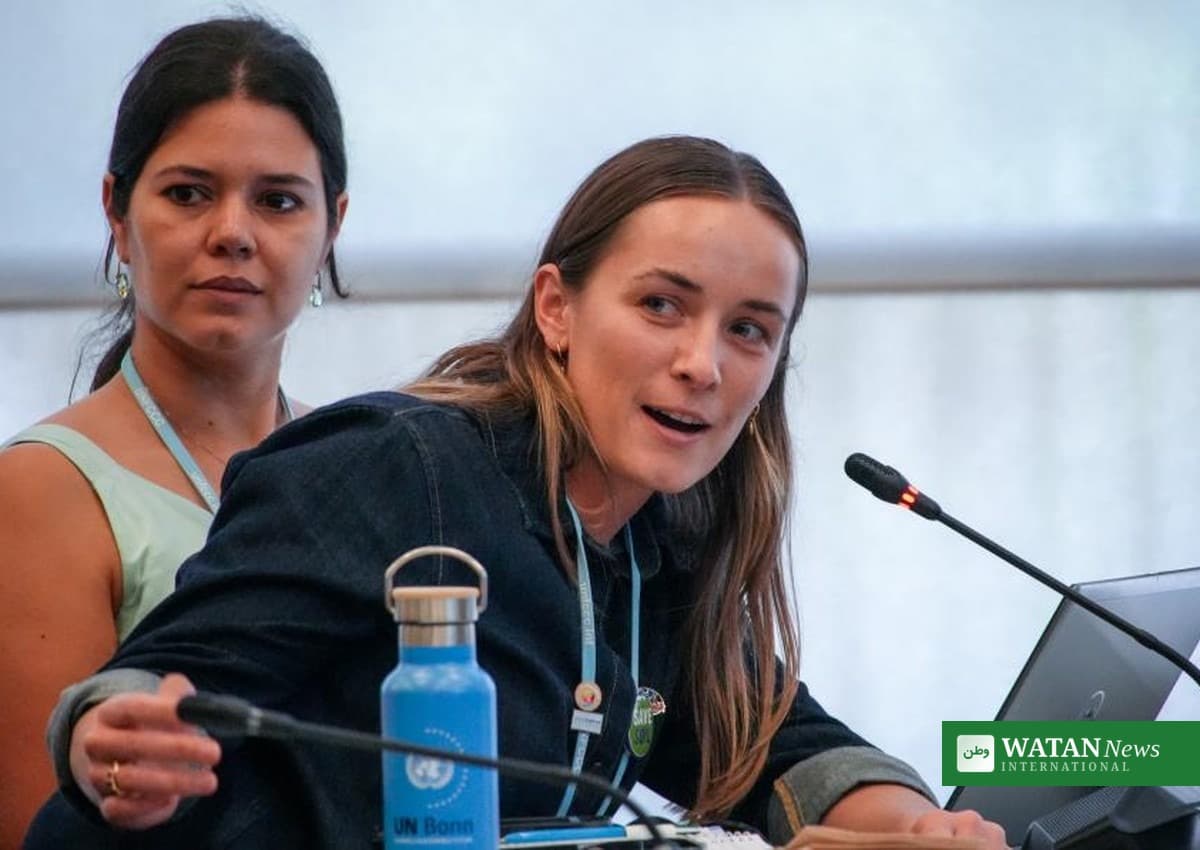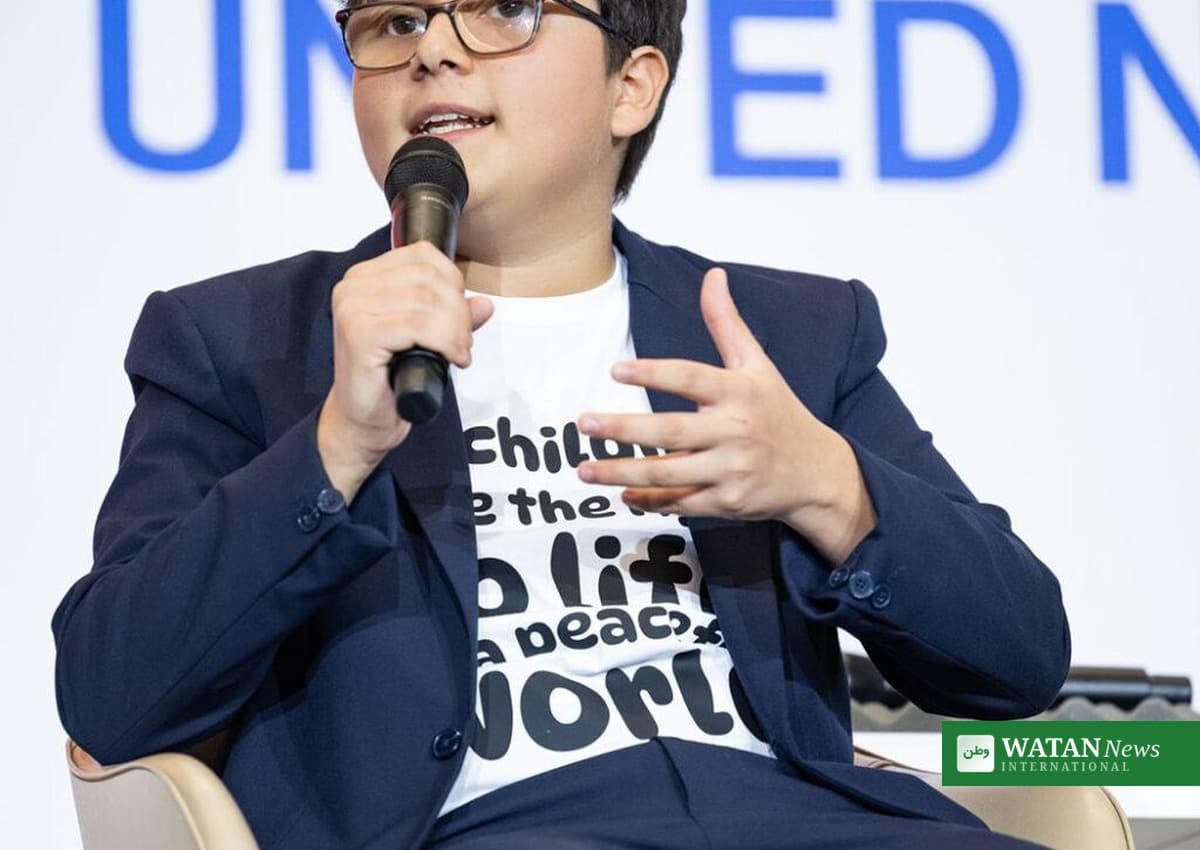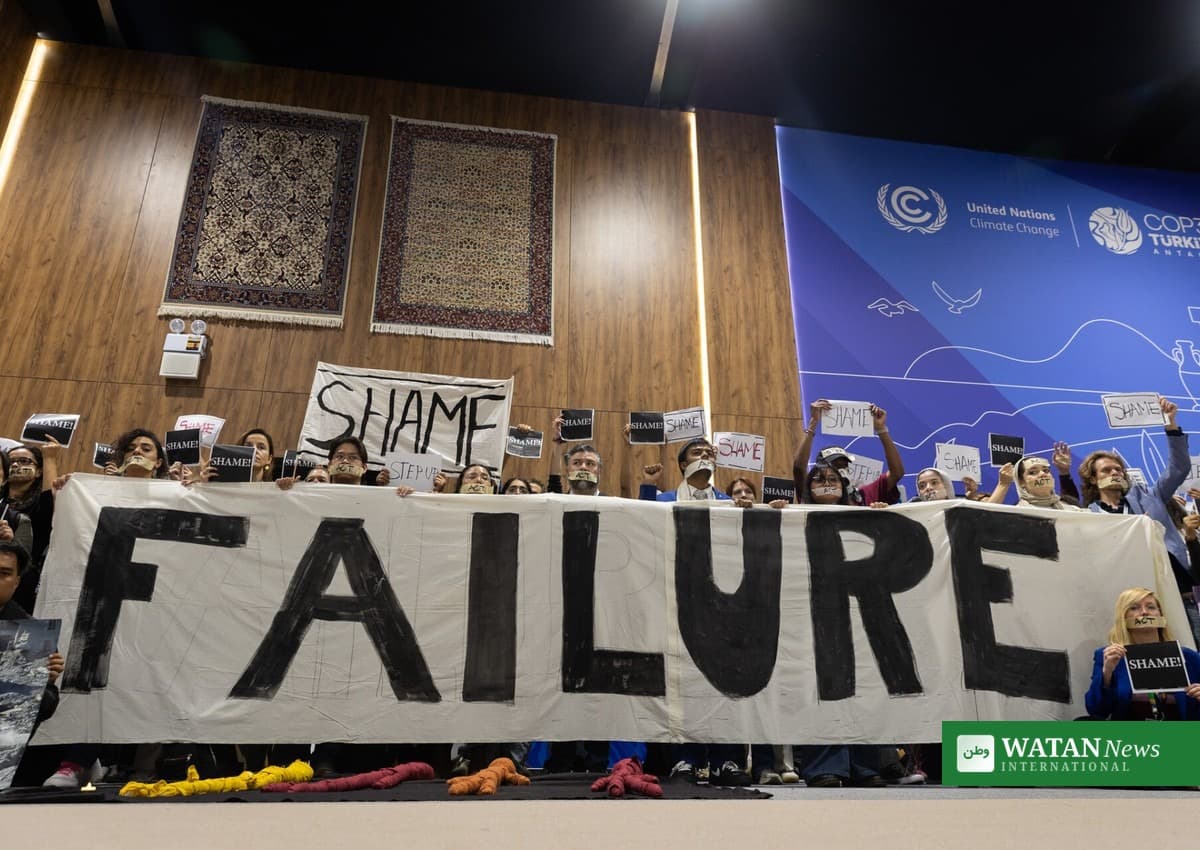
Antalya, Türkiye — The Peoples’ Climate Summit in Antalya closed on 18 November with a final declaration titled “Defending Life, Rebuilding the World”, calling for a rapid and binding phase-out of fossil fuels, an end to nuclear expansion and the recognition of ecocide as a crime — as the official COP31 negotiations nearby stalled and were suspended into Saturday.
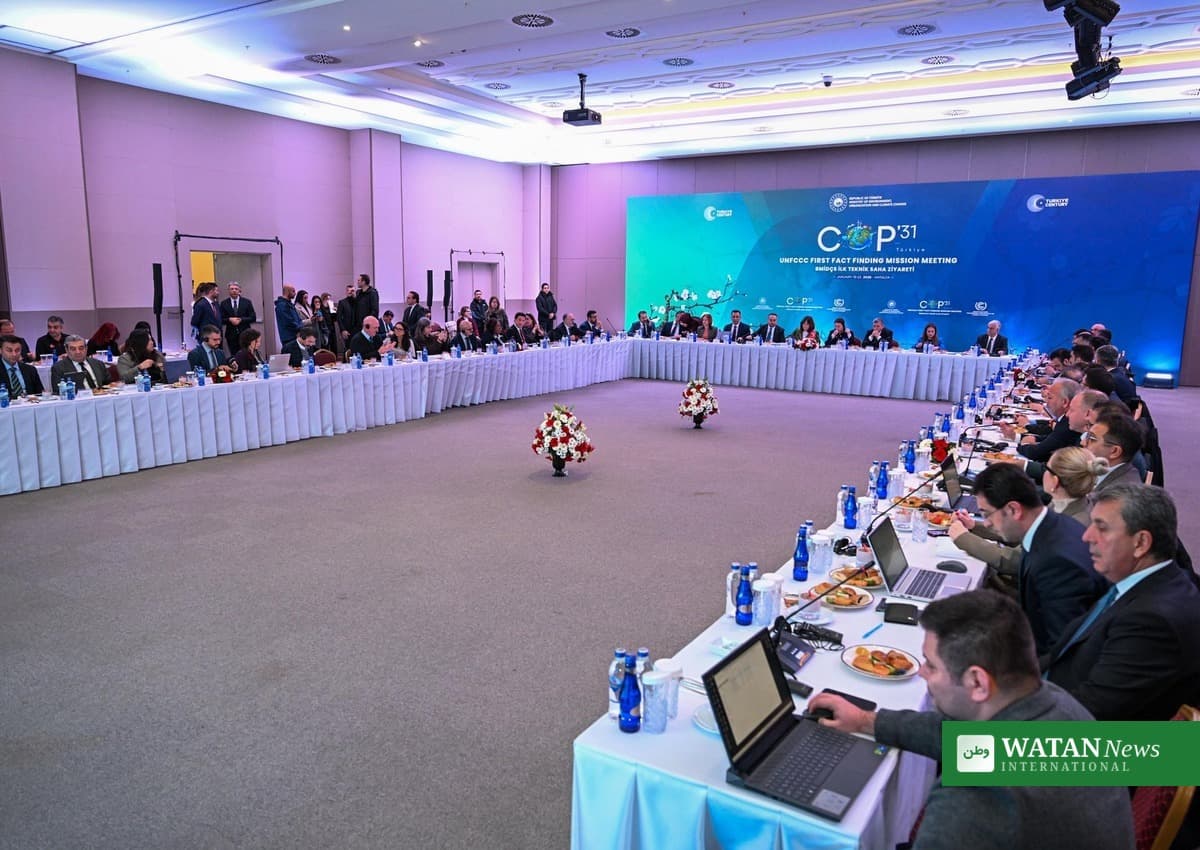
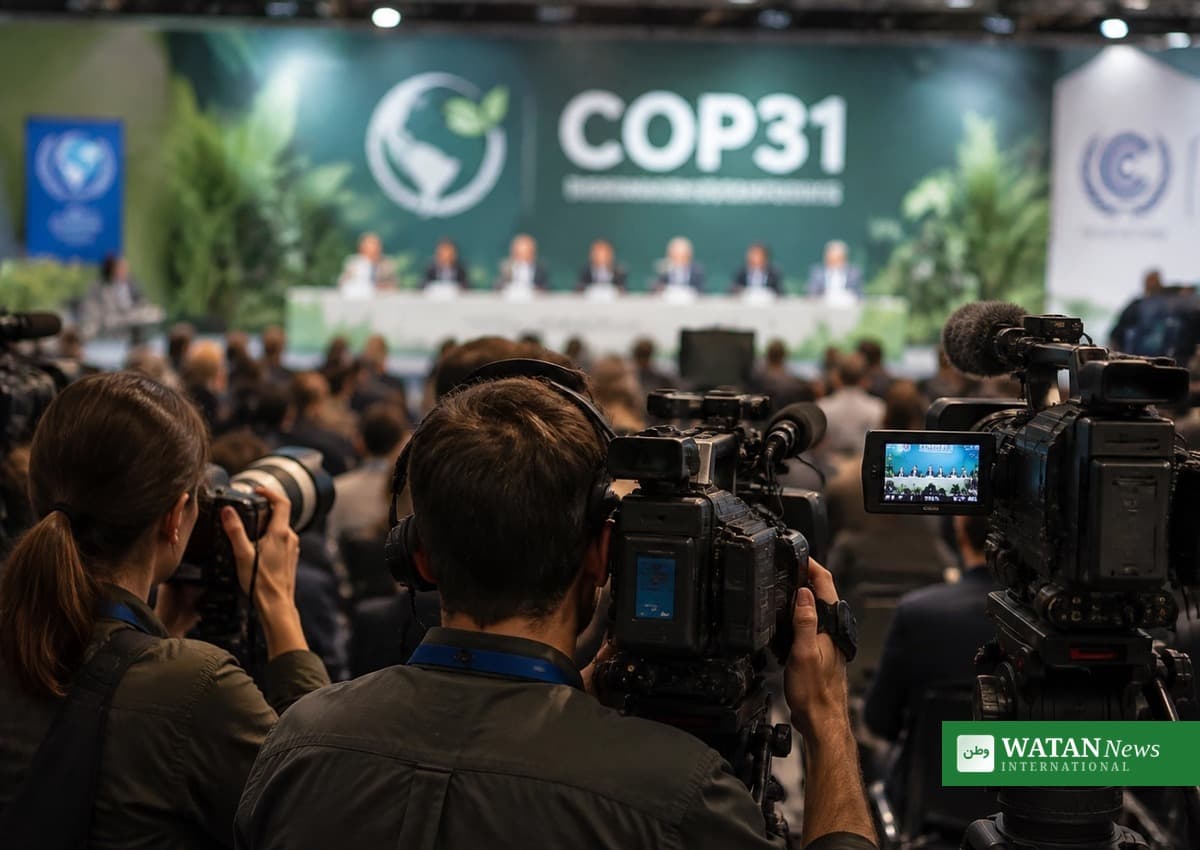
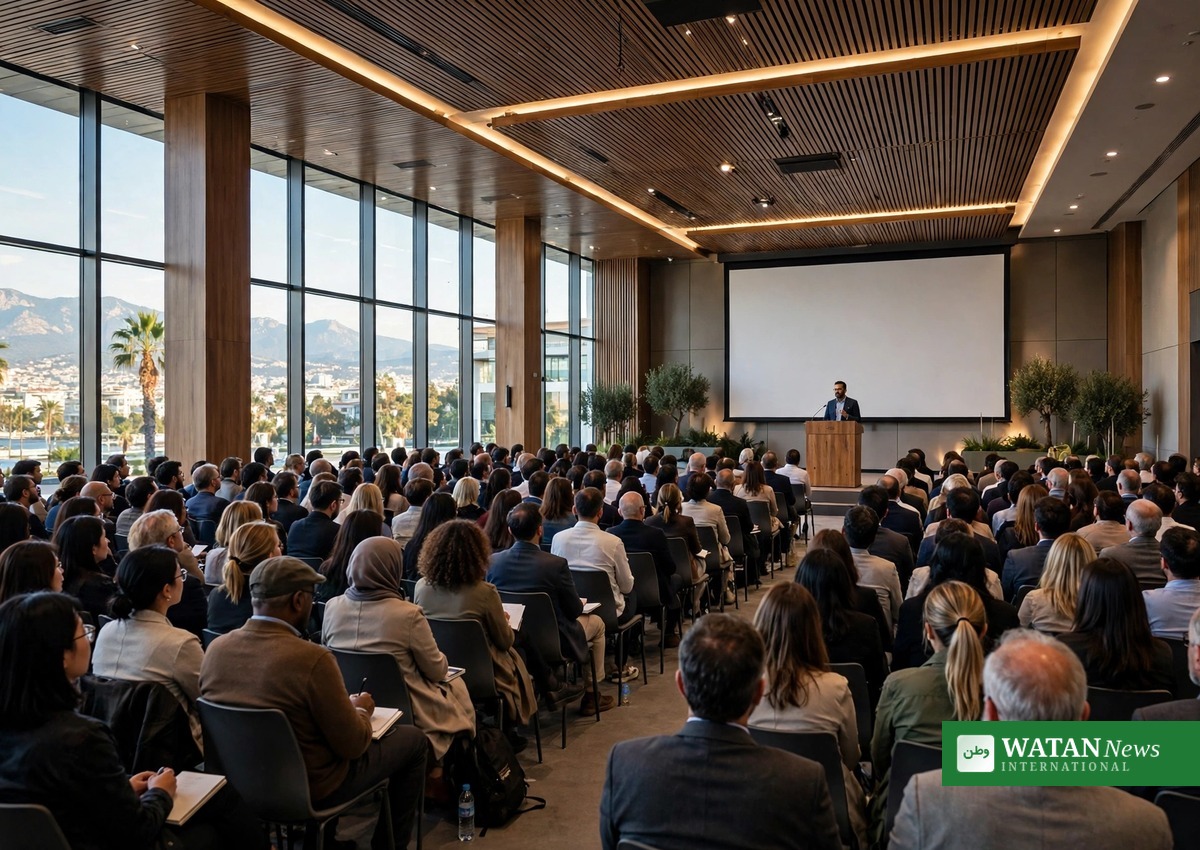
The summit ran from 14 to 18 November at the Mimar Sinan Congress Centre in Kepez, Antalya, as a parallel civil-society gathering beside the UN climate conference. It was organised by Friends of the Earth International member groups, allies and Turkish movements, and, according to the organisers, brought together more than 130 organisations, with participants from more than 30 countries and around 150 events across the five days.
A parallel summit beside COP31
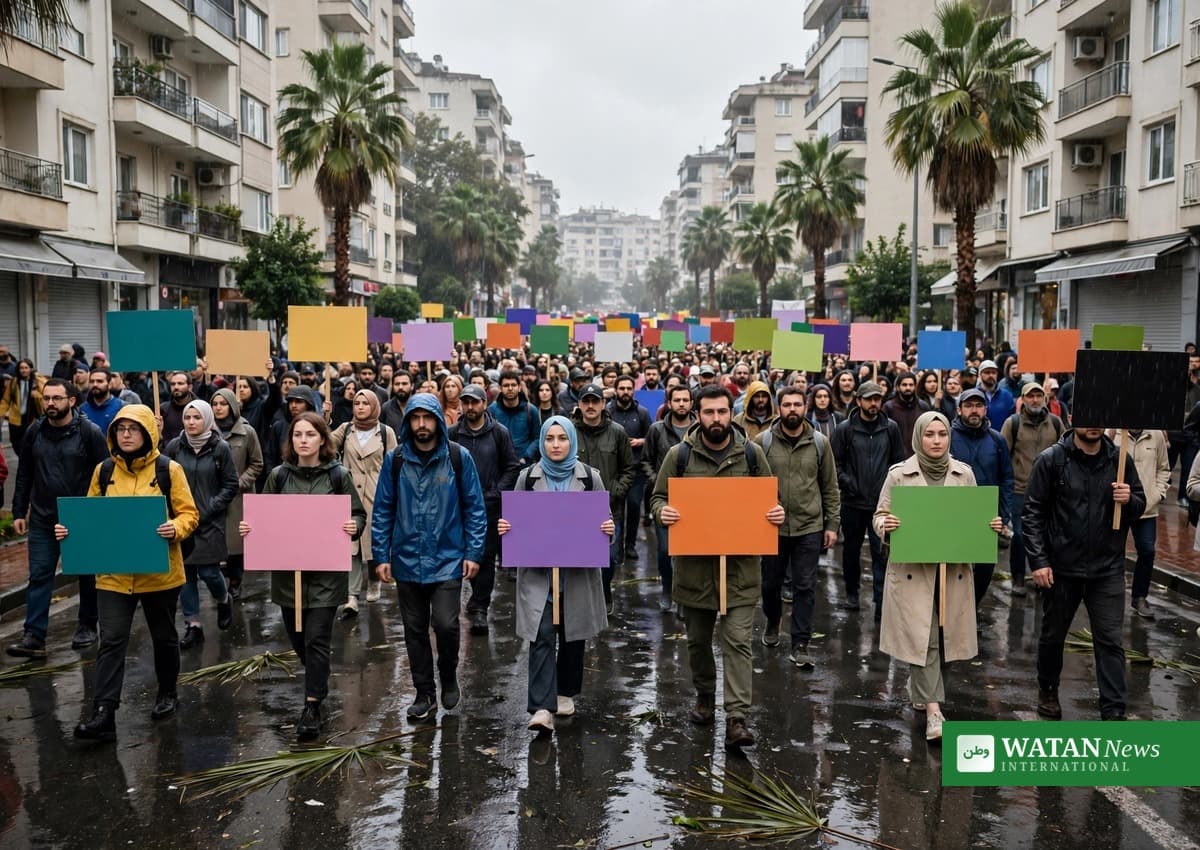
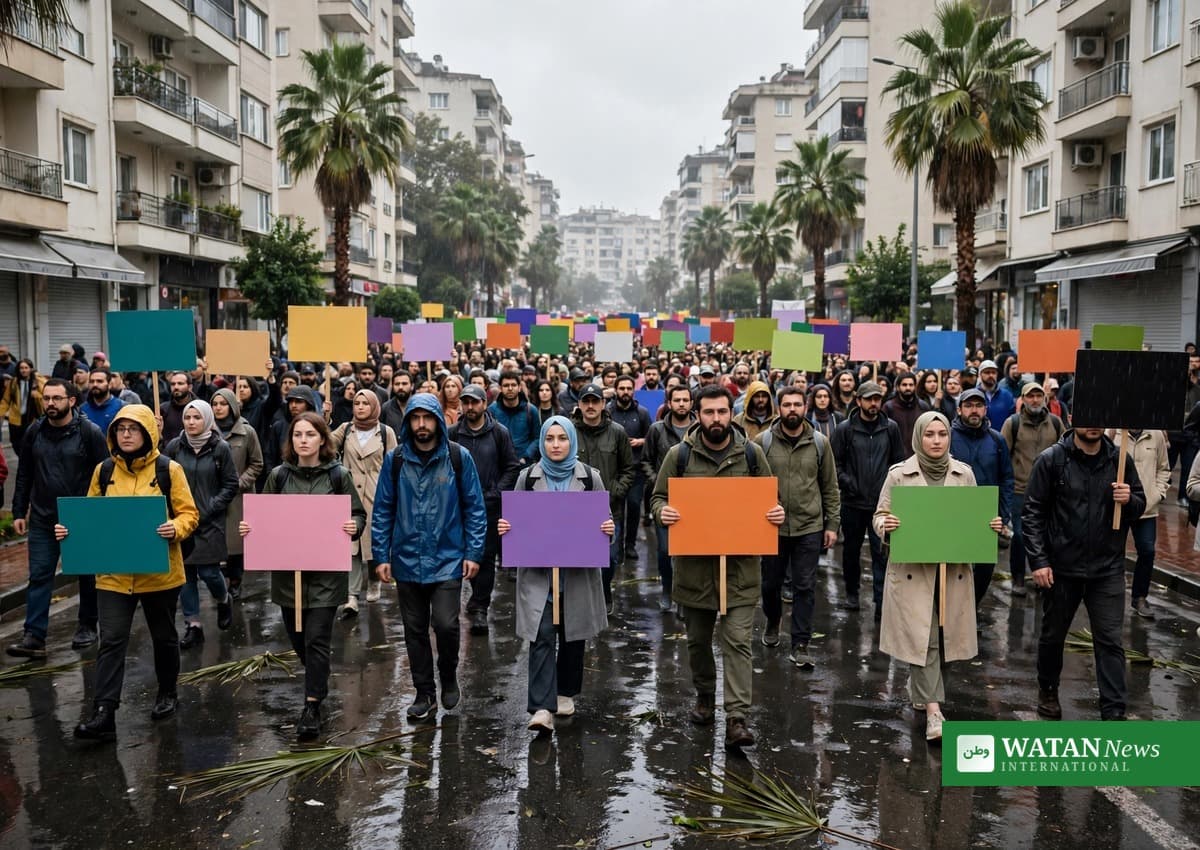
The gathering opened on 14 November with a Global Day of Action march through the streets of Antalya, in which thousands of people took part despite rain, according to the Earth Journalism Network. Demonstrators linked the push to cut emissions with demands on corporate power, land rights, workers’ protections and funding for communities already facing climate impacts.
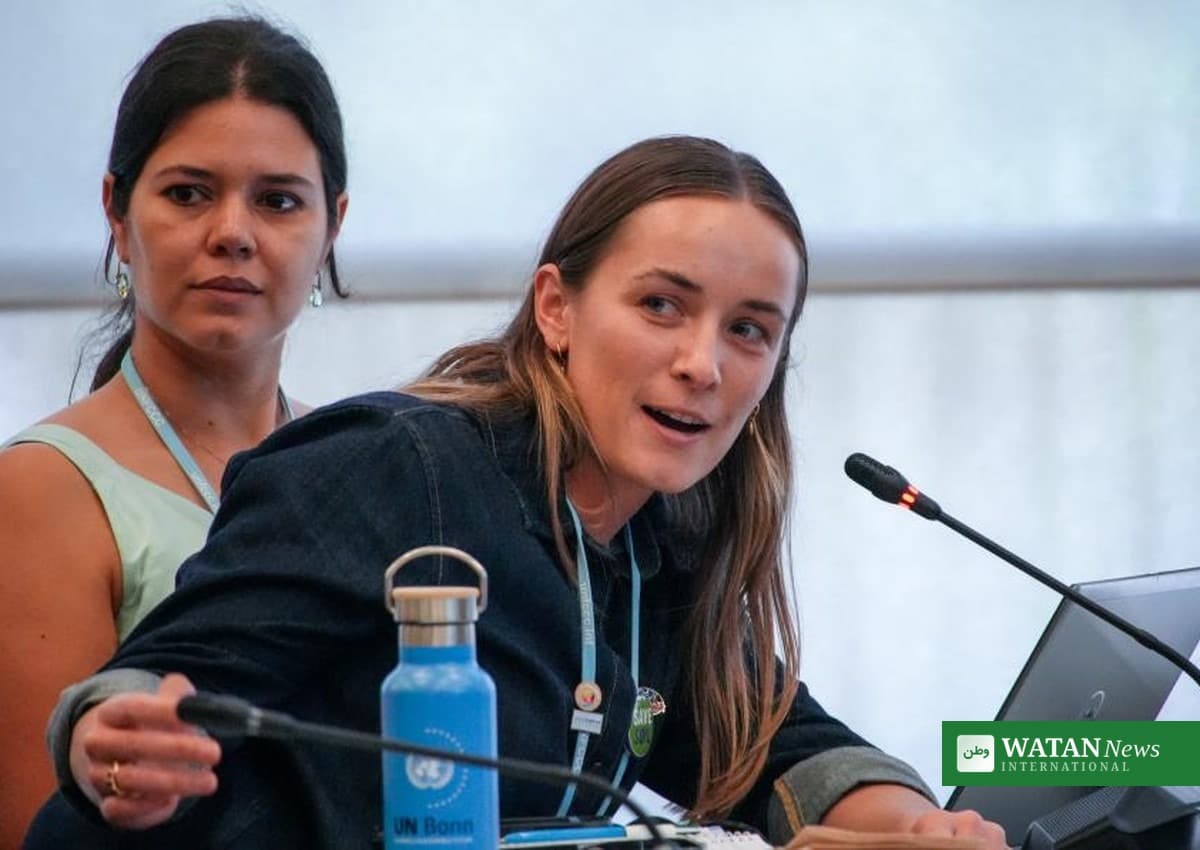
Friends of the Earth International’s Kirtana Chandrasekaran said at the opening: “We’re coming together to build solidarity and advance real, community-based solutions.” The summit’s sessions covered food sovereignty, feminist approaches to the energy transition, labour rights, peace and ecological justice.
Key facts
- Dates: 14–18 November 2026
- Venue: Mimar Sinan Congress Centre, Kepez, Antalya, Türkiye
- Organisers: Friends of the Earth International member groups, allies and Turkish movements
- Scale: around 150 events, speakers from 32 countries, more than 130 organisations
- Final declaration: “Defending Life, Rebuilding the World”, issued 18 November
- Context: COP31 suspended into Saturday, with a third draft text expected and a resumed closing plenary scheduled for 8pm on Saturday 21 November
What the declaration demands
The declaration’s central demand is a rapid, binding and planned phase-out of fossil fuels, with no new exploration or extraction projects. It says countries historically responsible for the highest emissions must move faster and provide the necessary finance and technological support.
It rejects what it calls false solutions. Carbon dioxide removals, it says, are “not climate action” but “a licence to keep polluting”, and nuclear power is “dangerous at any scale” — the declaration demands a halt to construction at the Akkuyu plant, cancellation of the planned plant at Sinop and an end to nuclear expansion worldwide.
On nature, the declaration calls for legally binding recognition of the rights of nature, for ecocide to be recognised as a crime under national and international law, and for Indigenous Peoples’ right to free, prior and informed consent to be respected. It also warns that the rapid expansion of data centres could become one of the defining ecological problems of our time, because their demand for electricity can delay the closure of fossil-fuel power plants, their cooling systems draw large volumes of freshwater, and the minerals needed to build them can damage ecosystems in the Global South.
The declaration further calls for food sovereignty, a feminist and just energy transition, public and community control of energy, and workers’ rights — including the right to stop work in dangerous climate conditions without loss of pay. On finance and peace, it calls for public, non-debt-inducing climate finance, for military spending to be cut and redirected to climate finance, and for military emissions to be included in climate policies. It contrasts NATO members’ pledge to spend 5% of GDP on defence by 2035 with the shortfall in climate finance.
On Palestine, the declaration condemns Israel’s genocide in Gaza, demands an immediate and permanent end to the violence, an end to the occupation, accountability for those responsible, and recognition of the Palestinian people’s right to self-determination, with Palestinian communities leading ecological restoration and reconstruction.
The 1.5°C warning
The declaration says COP31 “has already gone down in history as the summit at which governments accepted that the Paris Agreement’s 1.5°C target would be exceeded” and sought to postpone meeting it until the end of the century. It calls that unacceptable, says warming of 1.5°C “is the disaster we are already living through”, points to the floods and landslides in Nepal, and demands that emissions targets be revised and warming progressively brought back below 1.5°C.
That criticism matches the state of the official talks: according to Reuters, the COP31 draft deal published on 20 November dropped references to fossil fuels and removed a $120 billion target for adaptation finance, while keeping a goal of raising electricity’s share of global final energy consumption to 35% by 2035. COP31 has been suspended into Saturday, with a third draft text expected.
What happens next
The resumed COP31 closing plenary is scheduled to open at 8pm on Saturday 21 November in Plenary Anadolu, where negotiators will try once more to agree a final text. The Peoples’ Climate Summit’s organisers say their declaration is a starting point, not a programme: an analysis by the Turkish platform Bilgi Müşterekleri notes that it sets out positions but names no priorities, timetable or responsible organisations, and that turning it into action will depend on carrying its demands into workplaces and unions.
For now, the two summits in Antalya have told two different stories about the same week: inside the official conference, governments could not agree on fossil fuels; outside it, movements from more than 30 countries agreed on a declaration that puts the phase-out first.