Sanya, China — Coastal destinations can keep growing their tourism without destroying the nature and culture that visitors come to see. That is the message of a new guide from the Pacific Asia Travel Association (PATA), launched on 18 November 2026 at the Coastal Tourism Destination Exchange Event in Sanya, China.
Titled Pathways to Sustainability – A Guide for Coastal Tourism Destinations, the report brings together 15 case studies from coastal and island destinations, including eight from Sanya itself. It is organised into four categories — natural, cultural, urban and resort destinations — and offers practical frameworks that governments, businesses and communities can adapt to their own places.
A guide built on 15 real places
The report was launched at an event hosted by the Sanya Tourism Board in partnership with PATA, bringing together tourism representatives from 16 countries and regions from 18 to 20 November. Alongside the guide, organisers launched an initiative to establish an international Coastal Tourism Destination Alliance, with a preparatory framework for cooperation between coastal destinations.
“Tourism destinations are built upon natural ecosystems, cultural heritage, and local communities, which are not simply attractions for visitors but the foundations upon which tourism economies depend,” said PATA CEO Noor Ahmad Hamid. “As tourism continues to expand, destinations must look beyond visitor numbers and consider how to create greater economic value while safeguarding the resources and communities that sustain the industry.”
Nature first: the coral example
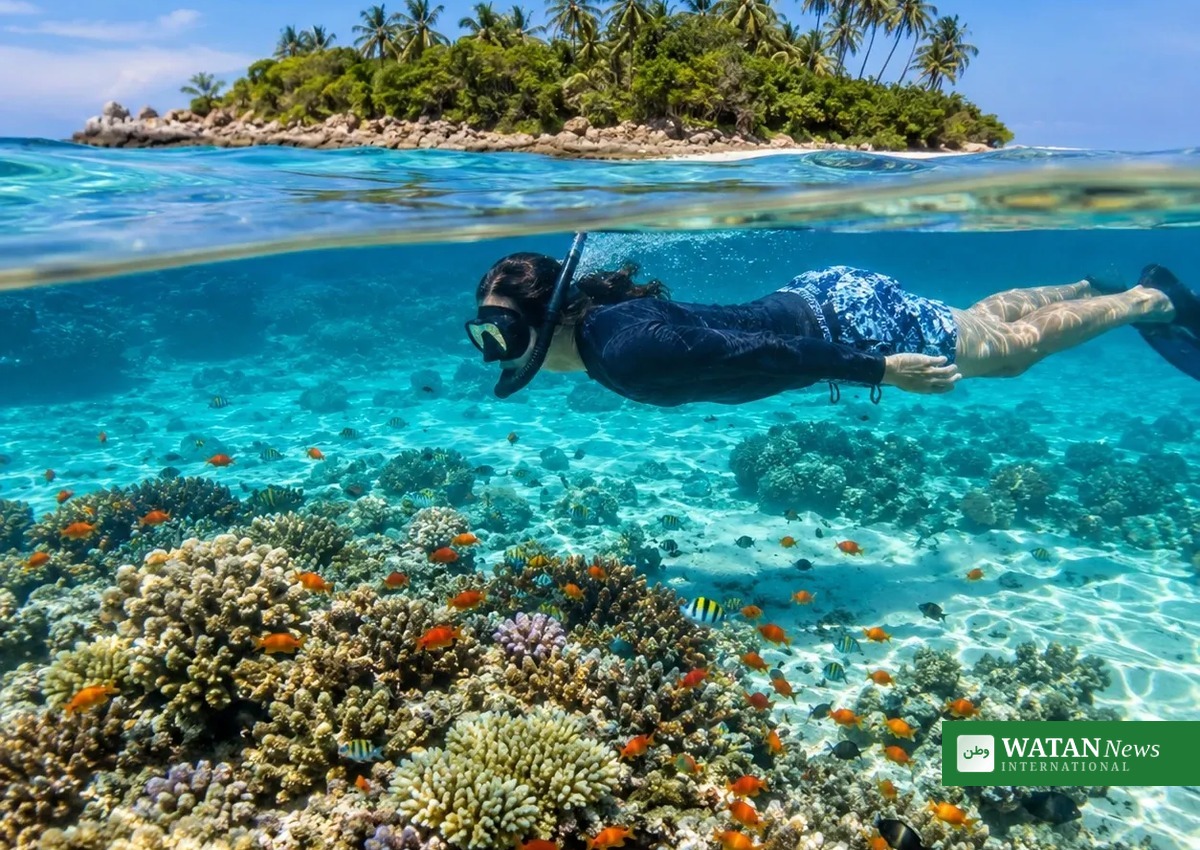
The natural-destination cases show how visitor flows can be managed, ecosystems conserved and climate resilience strengthened. They include the Cook Islands, Koh Mak in Thailand and Wuzhizhou Island in Sanya, with approaches ranging from destination stewardship plans and community-led environmental charters to coral reef restoration, visitor reservation systems and integrated land-use planning.
The strongest example is Wuzhizhou Island, which has transplanted more than 66,000 coral colonies and restored approximately 61,000 square metres of reef, increasing nearshore live-coral cover from below 15 percent to 37.08 percent. Its conservation-led approach makes ecological restoration and continuous monitoring prerequisites for tourism activities.
Culture at the centre
The cultural cases highlight community ownership, cultural authenticity and making sure tourism benefits reach the people who safeguard local heritage. The report features Sarawak’s longhouse tourism in Malaysia, Papua New Guinea, West Island (Xidao) Fishing Village and Yazhou Ancient City in Sanya.
These examples show how communities can retain authority over how their traditions and everyday lives are shared with visitors, while benefiting economically from tourism — through community consent for cultural visits, customary custodianship, regulated visitor access, heritage conservation and the integration of local businesses into tourism value chains.
Cities and resorts: doing more with less
Urban destinations face growing pressure on land, water, energy and public infrastructure. The case studies — Jeju in Korea, Yas Island in Abu Dhabi, the CDF Sanya International Duty Free Shopping Complex and Sanya Joy City — examine energy-efficient building design, renewable energy, improved cooling systems, waste management, digital monitoring and strategies that encourage visitors to explore beyond concentrated tourism areas.
Resort destinations show how sustainability can become part of business operations, property design and the guest experience. Featured cases include El Nido Resorts in the Philippines, the Maldives, Ascott Dadonghai Bay in Sanya and Sunshine Yi Hotel in Sanya, with dedicated sustainability management teams, marine conservation, responsible supply chains, energy-efficient design, water reuse and workforce development.
Value, not volume
Across the 15 cases, several common lessons emerge. Destinations that set up management measures early are better placed to protect their resources than those that respond after pressures have grown. Local communities must be recognised as decision-makers, with a say in tourism development, cultural representation and the distribution of economic benefits.
The report also argues for measuring tourism success through value rather than volume — attracting visitors who stay longer, spend more locally and respect local customs and the environment. Reliable data, continuous monitoring and coordination across government departments and industry stakeholders are equally important.
The stakes are high: UN Tourism reported 1.4 billion international tourist arrivals in 2024, 99 percent of pre-pandemic levels and 11 percent more than in 2023. With travel volumes back at record levels, the guide argues that the question for coastal destinations is no longer how many visitors they can attract, but how much value each visit creates — and how much nature and culture survive it.
Read more: COP31 Tourism Day: Hotels on the Turkish Coast Show How Zero Waste Travel Works and COP31: The Race to Make Green Fuel for Flying — From China’s Refineries to Africa’s First SAF Plants.
FAKTA
- 15 case studies from coastal and island destinations, including eight from Sanya, China.
- 18 November 2026: the guide Pathways to Sustainability was launched at the Coastal Tourism Destination Exchange Event in Sanya.
- 66,000+ coral colonies transplanted at Wuzhizhou Island, restoring about 61,000 square metres of reef; live-coral cover rose from below 15% to 37.08%.
- 16 countries and regions took part in the Sanya exchange event, 18–20 November 2026.
- 1.4 billion international tourist arrivals worldwide in 2024, according to UN Tourism — 99% of pre-pandemic levels.