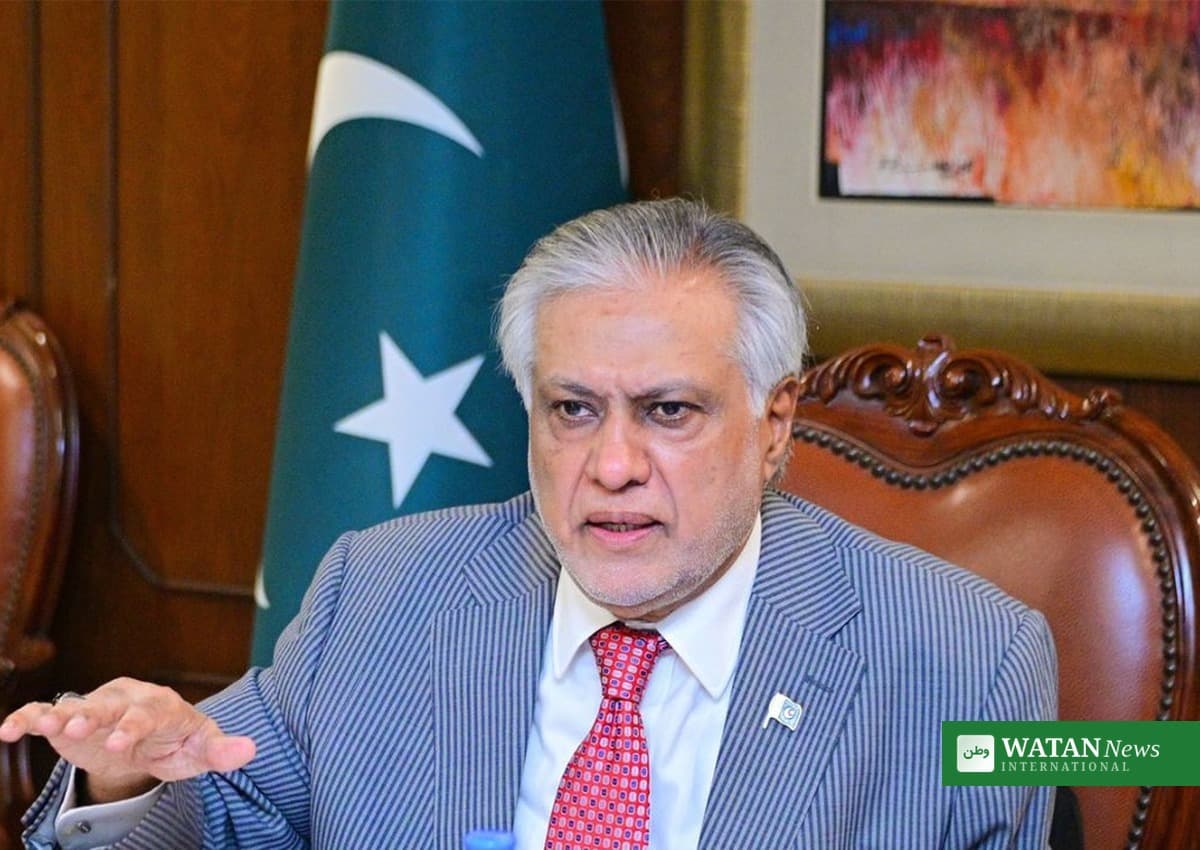
Pakistan has not given up hope of a peaceful settlement between the United States and Iran, Deputy Prime Minister and Foreign Minister Ishaq Dar has said, calling talks the best way out of a conflict disrupting shipping through the Strait of Hormuz. In an interview with Euronews in Islamabad, Dar said Pakistan was still working with regional and international partners to bring the two sides back to the table.
FAKTA
- Who: Mohammad Ishaq Dar, Pakistan’s Deputy Prime Minister and Foreign Minister.
- What: said Pakistan has not given up hope of a United States–Iran peace deal.
- Where: Euronews interview in Islamabad; direct talks hosted in Pakistan.
- When: war began 28 February 2026; peace memorandum signed 18 June 2026.
- Key point: 21 hours of marathon talks in April led to the June deal; Hormuz passage free of tolls and permits.
- Next step: Pakistan awaits a United States reply to Iran’s latest proposals.
A phone call on the first morning of the war
Dar said the mediation began on the first day of the war. In the early morning of 28 February, he telephoned Iranian Foreign Minister Abbas Araghchi and urged him to show restraint. “The entire diplomatic process began on that day,” he told Euronews. Pakistan then hosted the first round of direct talks in Islamabad in April.
The talks ran about 21 hours, with only short breaks. After the fifth round, Dar said, the parties had covered so much ground that agreement was within reach. That produced a memorandum of understanding, signed on 18 June, to end the war. Its core point, Dar said, was no tolls, permits, fees or permissions for Hormuz passage, a point he said almost every country supported.
A wider security framework
Dar also argued for a lasting regional security arrangement in the Middle East. He called the Mecca Pact, a mutual defence agreement signed by Pakistan, Turkey and Saudi Arabia in August, a possible start. Britain, France and Germany are already engaging with it, he said, and Italy has shown interest. Pakistan and China have also put forward a five-point plan to ease regional tensions.
At a meeting of the Economic Cooperation Organization in Islamabad this week, attended by Araghchi, Dar said Pakistan would keep pressing for talks. The group backed mediation by Pakistan and Qatar and an Iranian initiative to end the war. Dar said Islamabad was awaiting a United States response to Iran’s latest proposals, which build on the June deal, blaming the delay on American officials being busy with midterm elections. He added that Prime Minister Shehbaz Sharif and army chief Field Marshal Asim Munir remain engaged.
Why the talks matter
The Strait of Hormuz carries nearly a fifth of global crude oil supplies, and its closure has pushed oil prices higher and hurt Pakistan’s economy. Shipping through the waterway has faced repeated disruption since February. For Islamabad, a durable settlement is therefore both a diplomatic goal and an economic necessity.
For more international news, visit the Watan News English edition.