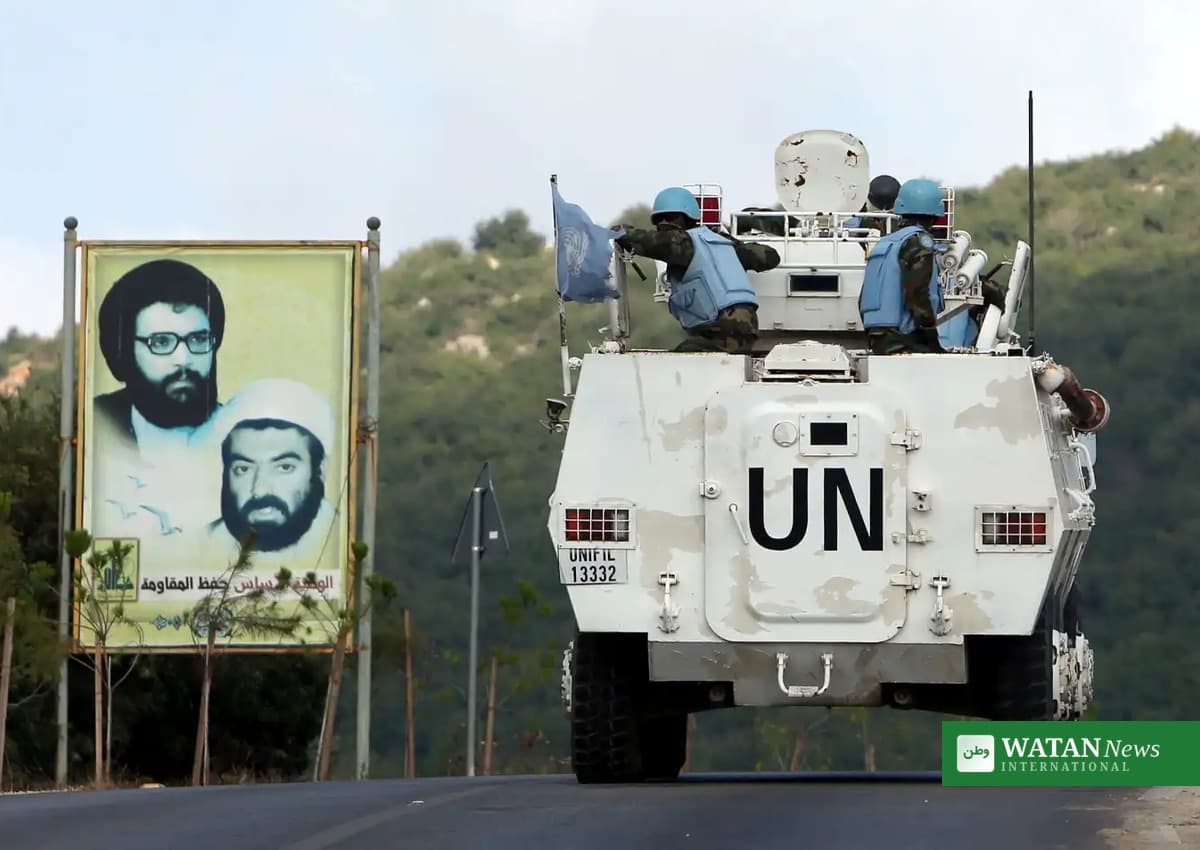
France is working with the United States on a plan for security in southern Lebanon once the United Nations peacekeeping force UNIFIL leaves at the end of the year. French diplomats have begun preparing a draft United Nations resolution on what should follow the mission, with Washington.
The force has patrolled Lebanon’s border area with Israel for nearly five decades. With no agreed replacement in place, diplomats warn the coming weeks will decide whether the south faces a security gap when the peacekeepers go home.
FAKTA
- UNIFIL mandate ends: 31 December 2026, with withdrawal during 2027.
- Force created: 1978, to oversee the withdrawal of Israeli troops from southern Lebanon.
- Strength: around 7,500 troops from about 45 countries.
- Final mandate: UN Security Council Resolution 2790, August 2025.
- Stated aim: the Lebanese government as sole security provider south of the Blue Line.
A mission winding down
The Security Council voted in August 2025 not to renew UNIFIL beyond the end of 2026, giving the force one year from 31 December 2026 to withdraw its personnel and equipment, with limited activities in the meantime.
At a Security Council meeting this week, members repeated their support for Lebanon’s sovereignty and borders, and called on all sides to protect UN staff and buildings, stressing peacekeepers must never become targets of attacks.
Two competing visions for what follows
France and Italy have offered to help build a multinational force to succeed UNIFIL, and Paris is leading the draft resolution work with Washington. US Ambassador to the UN Mike Waltz raised the issue during his visit to Beirut this month, calling for control in the south to pass to the government through the Lebanese Armed Forces and urging Hezbollah to disarm by choice.
Washington, however, opposes extending the mission and has argued against another traditional UN peacekeeping force. US Secretary of State Marco Rubio has suggested a future arrangement could use civilian staff instead of soldiers to monitor compliance in pilot areas where the Lebanese Army deploys. Any new mechanism would need the approval of both Lebanon and Israel, he has said. No formula has yet won support from all sides.
The June deal and its problems
The search for a successor follows direct talks between Lebanon and Israel under US mediation. A framework agreement announced on 26 June set out plans for the Lebanese Army to enter selected areas and oversee Hezbollah’s disarmament, with Israeli troops withdrawing in stages.
Progress has been limited. Israel says the Lebanese Army has failed to remove Hezbollah fighters from the selected areas, while Lebanon says Israel continues military operations. Hezbollah has rejected the deal. France is also pressing for Hezbollah’s disarmament and a full Israeli withdrawal from occupied land in Lebanon.
The departure has raised concerns about security checks, aid deliveries and support for communities in the south. The coming weeks will determine whether an international presence of some kind remains, or whether the Lebanese Army takes over alone. More on international news is available at Watan News.