LIVE
BREAKING
Lakers’ $12.5 Billion Sale Terms Agreed as Walter and Kushner Finalise DealRooftop Solar Powers a New Era of Sustainable Homes in AmericaMasdar to Explore NZ$1 Billion Renewable Investment in New ZealandCongo Ebola Deaths Pass 5,000 as Outbreak Becomes Second Deadliest EverBangladesh Dengue Death Toll Reaches 418 as October Becomes Deadliest Month of 2026EU Climate Finance Reaches €41.6 Billion in 2025 as Public Funding Rises Ahead of COP31Iran Says US Forces Attacked Fishing Boats Near Qeshm IslandUN Western Sahara Mission Left Without a Mandate as MINURSO Term ExpiresJordan Border Guards Stop 14 Armed Men Crossing From SyriaQatar Sustainability Week 2026 Opens With Sustainability Ambassadors RacePakistan Warns UN Over Terror Groups Operating From Afghan SoilCanada and EU Launch ‘Alliance for the Future’ as Ties Move Closer Than EverUS Steps Up Alaska Senate Election Probe Days Before MidtermsMaryam Golnaraghi Named Climate and Sustainability Champion of the Year 2026Poland Court Crisis: President Turns Plane Back as Tribunal Chief SuspendedEssaouira Hosts Seventh International Climate Change ConferenceFirst AI-Designed Virus Given to a Patient in Medical MilestoneSaudi Coalition Says It Downed Houthi Drones Over Medina and Eastern Region as Aden Palace HitBASF Kids’ Lab Brings Hands-On Climate Lessons to 1,150 Hyderabad SchoolchildrenUS Approves $2.1 Billion Sale of 500 Patriot Missiles to UkraineLakers’ $12.5 Billion Sale Terms Agreed as Walter and Kushner Finalise DealRooftop Solar Powers a New Era of Sustainable Homes in AmericaMasdar to Explore NZ$1 Billion Renewable Investment in New ZealandCongo Ebola Deaths Pass 5,000 as Outbreak Becomes Second Deadliest EverBangladesh Dengue Death Toll Reaches 418 as October Becomes Deadliest Month of 2026EU Climate Finance Reaches €41.6 Billion in 2025 as Public Funding Rises Ahead of COP31Iran Says US Forces Attacked Fishing Boats Near Qeshm IslandUN Western Sahara Mission Left Without a Mandate as MINURSO Term ExpiresJordan Border Guards Stop 14 Armed Men Crossing From SyriaQatar Sustainability Week 2026 Opens With Sustainability Ambassadors RacePakistan Warns UN Over Terror Groups Operating From Afghan SoilCanada and EU Launch ‘Alliance for the Future’ as Ties Move Closer Than EverUS Steps Up Alaska Senate Election Probe Days Before MidtermsMaryam Golnaraghi Named Climate and Sustainability Champion of the Year 2026Poland Court Crisis: President Turns Plane Back as Tribunal Chief SuspendedEssaouira Hosts Seventh International Climate Change ConferenceFirst AI-Designed Virus Given to a Patient in Medical MilestoneSaudi Coalition Says It Downed Houthi Drones Over Medina and Eastern Region as Aden Palace HitBASF Kids’ Lab Brings Hands-On Climate Lessons to 1,150 Hyderabad SchoolchildrenUS Approves $2.1 Billion Sale of 500 Patriot Missiles to Ukraine
Climate

Rooftop Solar Powers a New Era of Sustainable Homes in America

News Desk 2Published October 31, 2026
Rooftop Solar Powers a New Era of Sustainable Homes in America
Share this story

Electricity from small rooftop solar systems in the United States has grown from 18,812 gigawatt-hours a decade ago to 92,979 gigawatt-hours, according to the US Energy Information Administration (EIA) in an analysis published on 16 October 2026 — a fourfold rise that is quietly changing what a sustainable home looks like.
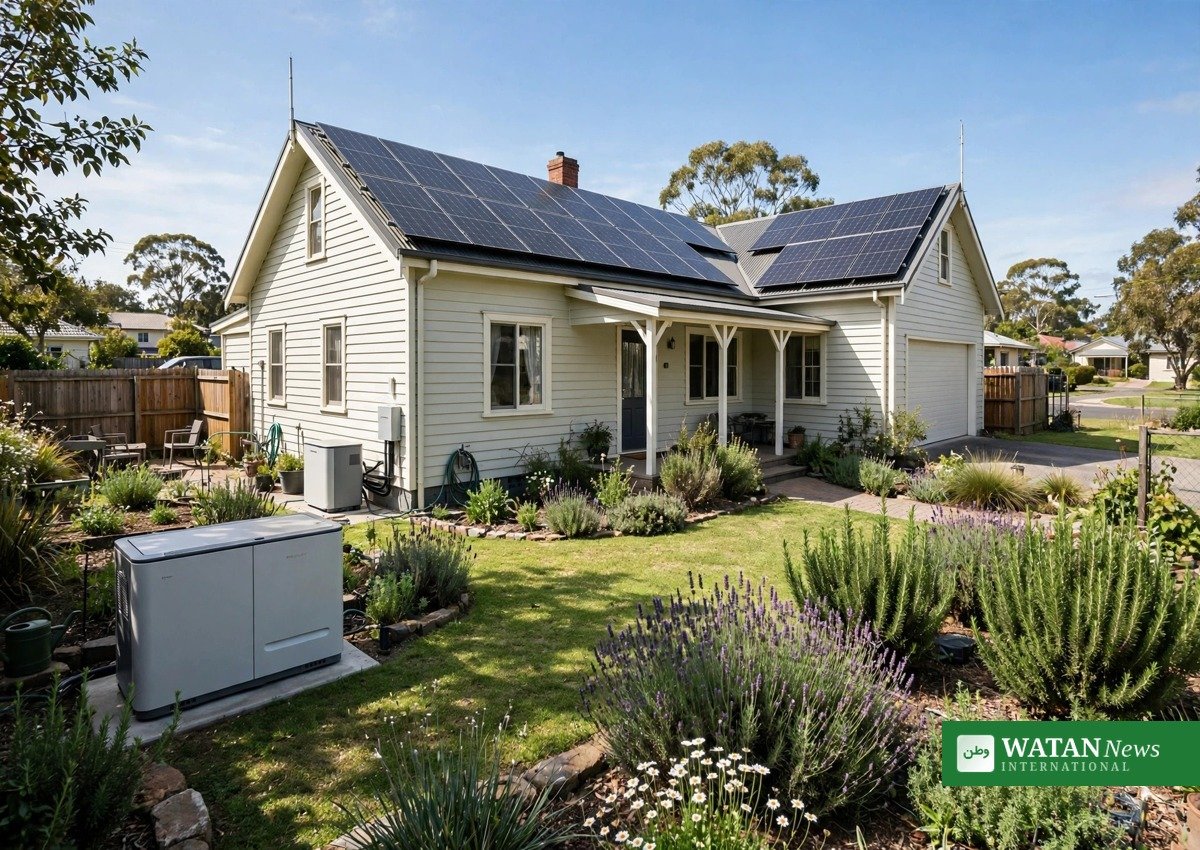
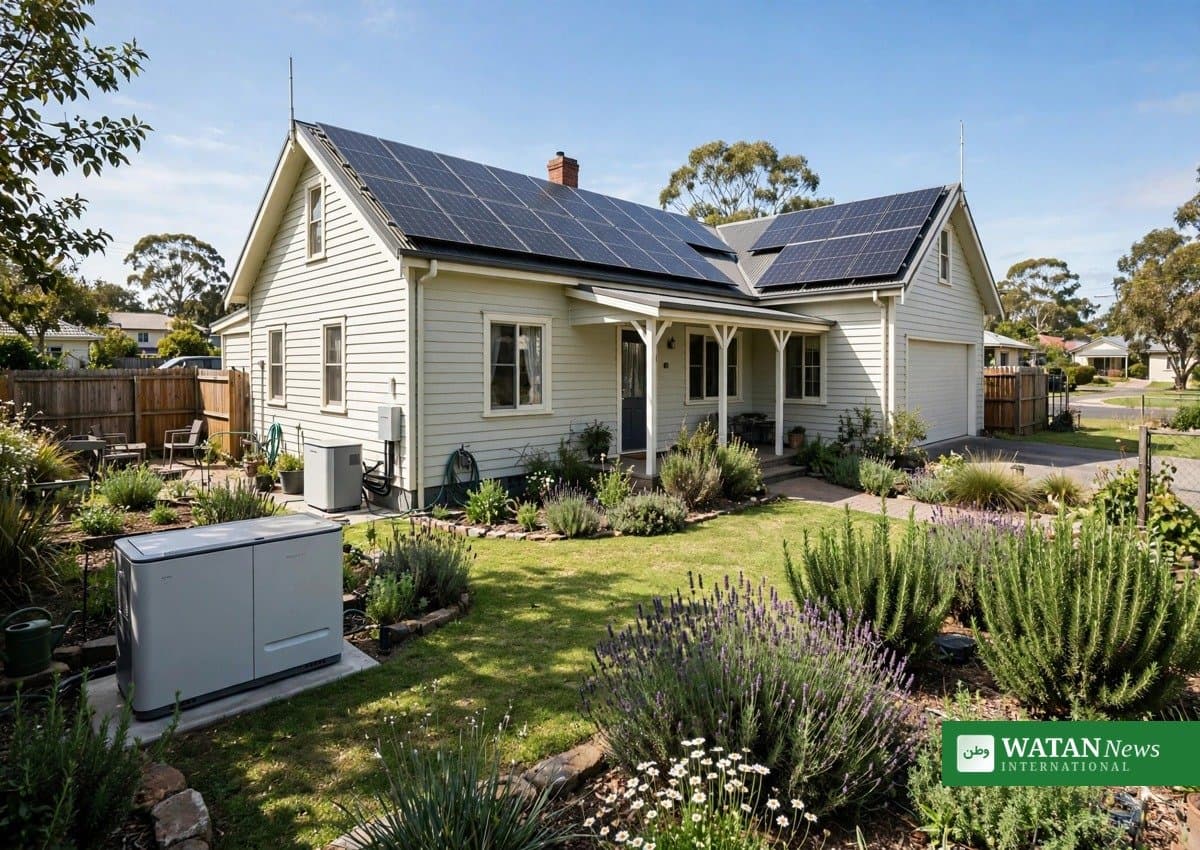
A suburban home with rooftop solar panels on a sunny day

Small-scale solar means photovoltaic systems smaller than 1 megawatt — in practice, the panels on homes, small businesses and community buildings. The EIA estimates generation using utility surveys of customer numbers and capacity, combined with modelling tools from the National Renewable Energy Laboratory.

A decade of rooftop growth

California remains by far the largest contributor, accounting for 37 percent of total US small-scale solar generation in 2025, at 34,411 gigawatt-hours. Its small-scale capacity rose from 18 gigawatts in 2024 to 20 gigawatts in 2025, while generation grew 8 percent over the same period.

Arizona ranked second in 2025 with 5,795 gigawatt-hours, more than 6 percent of the national total. Texas generation rose from 391 gigawatt-hours in 2016 to 5,408 gigawatt-hours in 2025, and Florida from 205 gigawatt-hours to 5,198 gigawatt-hours. New York ranked fifth, supported by state incentives and improving technology despite lower sunshine levels.

Growth peaked in 2022, when total small-scale output expanded 25 percent year-on-year amid record capacity additions. The EIA notes that annual growth rates have moderated since then, even as total generation keeps rising year by year.

What this means for sustainable living

For households, the shift is practical rather than abstract. A rooftop system turns a home from a pure consumer of grid electricity into a small producer, and pairing panels with a home battery lets families use more of their own solar power in the evening. A 29 October 2026 round-up by Climate Action Now reported that 45 percent of new US installations in the first three months of 2026 also included a home battery, and that the country had passed 6 million solar installation sites, 97 percent of them rooftop systems.

Renters and apartment dwellers, who cannot use their own roof, are also gaining options: several US states passed balcony-solar accessibility laws in 2026, according to the same round-up, allowing small plug-in panels for people without roof access.

The lesson for sustainable living is not that every home must have panels. Insulation, efficient heating and cooling, lower energy waste and mindful consumption still matter — but where a roof and local rules allow it, rooftop solar is now one of the most proven ways for an ordinary home to cut its emissions and its bills at the same time.

Key facts

  • US small-scale solar generation: 18,812 gigawatt-hours a decade ago, rising to 92,979 gigawatt-hours (EIA estimate).
  • Largest state: California, with 37 percent of the 2025 total (34,411 gigawatt-hours).
  • Second: Arizona, with 5,795 gigawatt-hours in 2025.
  • Fastest growth year: 2022, when output rose 25 percent year-on-year.
  • Definition: systems smaller than 1 megawatt, mostly rooftop solar.
  • Trend since 2022: growth continues, but at a slower annual rate.

Homes sit at the centre of the climate challenge — and, as the figures show, increasingly at the centre of the solution. Read more climate coverage on Watan News here: COP31 and the zero-waste methane agenda.
Frequently Asked Questions

Related Stories

Planet & environment

Climate & Sustainability

News, stories and solutions driving change towards a greener and more sustainable planet for future generations.

Masdar to Explore NZ$1 Billion Renewable Investment in New Zealand
Featured story

Masdar to Explore NZ$1 Billion Renewable Investment in New Zealand

Masdar has signed an agreement with Invest New Zealand to explore up to NZ$1 billion in solar, wind and battery storage projects, with co-investment open to local and Māori-owned businesses.

Read full story

GREEN JOURNALISM

IPI Demands Stronger Protection for Africa’s Climate Reporters
Green Journalism

IPI Demands Stronger Protection for Africa’s Climate Reporters

The International Press Institute (IPI) has called for stronger protection for journalists reporting on climate and environmental issues in Africa, and for guaranteed public access to climate and environmental information, in a statement marking the International Day of Climate Action. IPI also urged African states to counter abusive litigation against reporters and to guarantee access

Read full story

Every Action Counts

Small steps today, big impact tomorrow.

Explore more stories