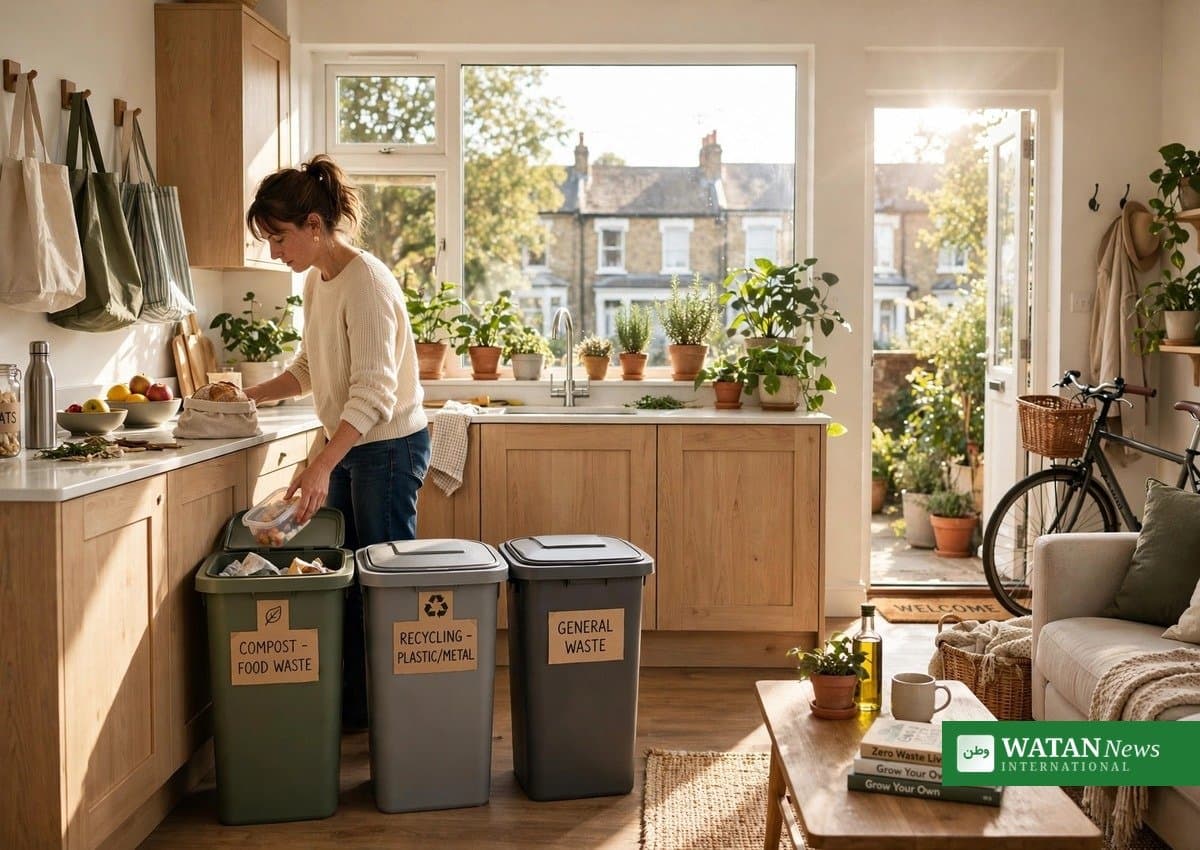
More than three-quarters of adults in Great Britain have changed their lifestyle to help tackle environmental issues, according to new data from the UK’s Office for National Statistics. The UK climate lifestyle survey also found that a record 85 percent of adults felt the effects of climate change in at least one way during the past year.
The findings come from the ONS Opinions and Lifestyle Survey, covering adults aged 16 and over in Great Britain. The data was collected between 1 July and 27 September 2026, a period that coincided with what the Met Office has provisionally declared the hottest summer on record.
What the UK climate lifestyle survey found
When asked to what extent they had made changes to their lifestyle to help tackle environmental issues, 77 percent of adults said they had made some or a lot of changes — 68 percent said “some changes” and 10 percent said “a lot of changes”. Only 23 percent said they had made no changes at all.

Among those who had made changes, the most commonly reported actions taken in the past 12 months were:
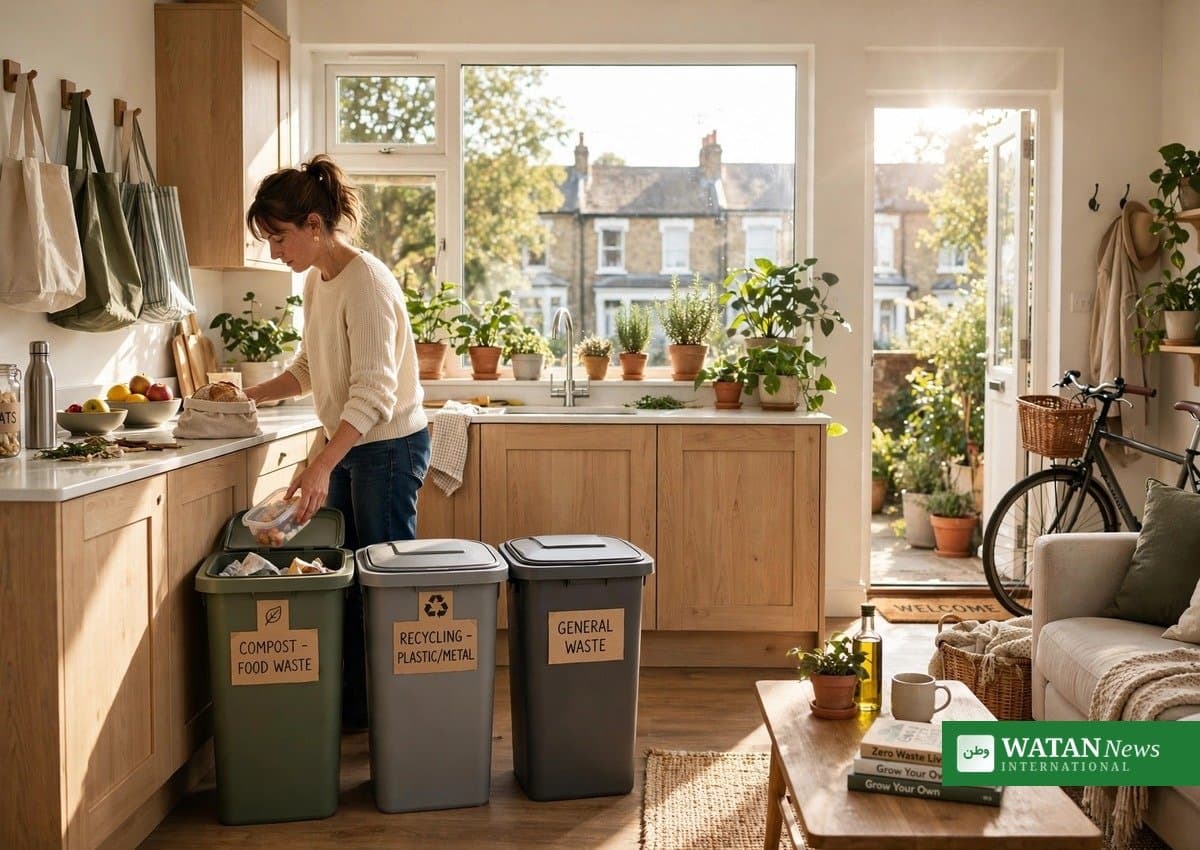
- Waste reduction — 80 percent
- Changes to shopping habits — 48 percent
- Changes to diet — 42 percent
- Changes to travel — 41 percent
Women were more likely than men to report changes (82 percent compared with 72 percent), and adults with a degree or equivalent qualification reported changes at 85 percent. Adults aged 30 to 49 were among the most active groups at 79 percent.
Record share felt climate change this year
Some 85 percent of adults said they had been affected by climate change in at least one way in the past 12 months — up from 74 percent in 2025 and 66 percent in 2024. The steady rise shows how directly households are now experiencing the changing climate. A recent consumer report also found 85 percent of global consumers concerned about sustainability, with green habits growing worldwide.
Barriers to doing more
Among those who had already made changes, the most commonly reported barriers to doing more were cost (43 percent), a belief that large polluters should change before individuals (37 percent), and not knowing what more they could do (26 percent).
Among the 23 percent who had made no changes, almost a third (31 percent) said large polluters should change before individuals, while 26 percent said they did not think their actions would have any effect and 21 percent said it was too expensive.
What experts say
Diane Crowe, group sustainability director at Reconomy, the international circular economy specialist, said the data shows the public is willing to act, and that waste reduction is where many people are starting.
“But it also shows that good intentions aren’t enough on their own. People tell us that cost is the biggest barrier, and a quarter don’t know what more they could do. That is a challenge for the whole sector, not just for consumers,” she said.
She added that with the Simpler Recycling reforms coming in, consumers will be central to whether the new system delivers, and that clear communication, consistent collections and affordable, accessible options for repair and reuse will determine whether people can turn intentions into everyday habits.
“The fact that nearly a third of those who haven’t changed their behaviour believe large polluters should act first is also a reminder that responsibility is shared. A circular economy only works if producers, retailers, local authorities, waste and recycling companies and consumers are all pulling in the same direction,” she said.
Key facts
- 77% of adults in Great Britain made some or a lot of lifestyle changes to tackle environmental issues (ONS, July–September 2026)
- 80% of those who changed pointed to waste reduction as their main action
- 85% felt the effects of climate change in the past 12 months, up from 66% in 2024
- 43% named cost as the biggest barrier to doing more
- The survey period coincided with what the Met Office provisionally declared the hottest summer on record
The survey paints a clear picture: ordinary households are already adapting their daily lives for the environment, but they need affordability, clarity and shared responsibility from industry to go further.