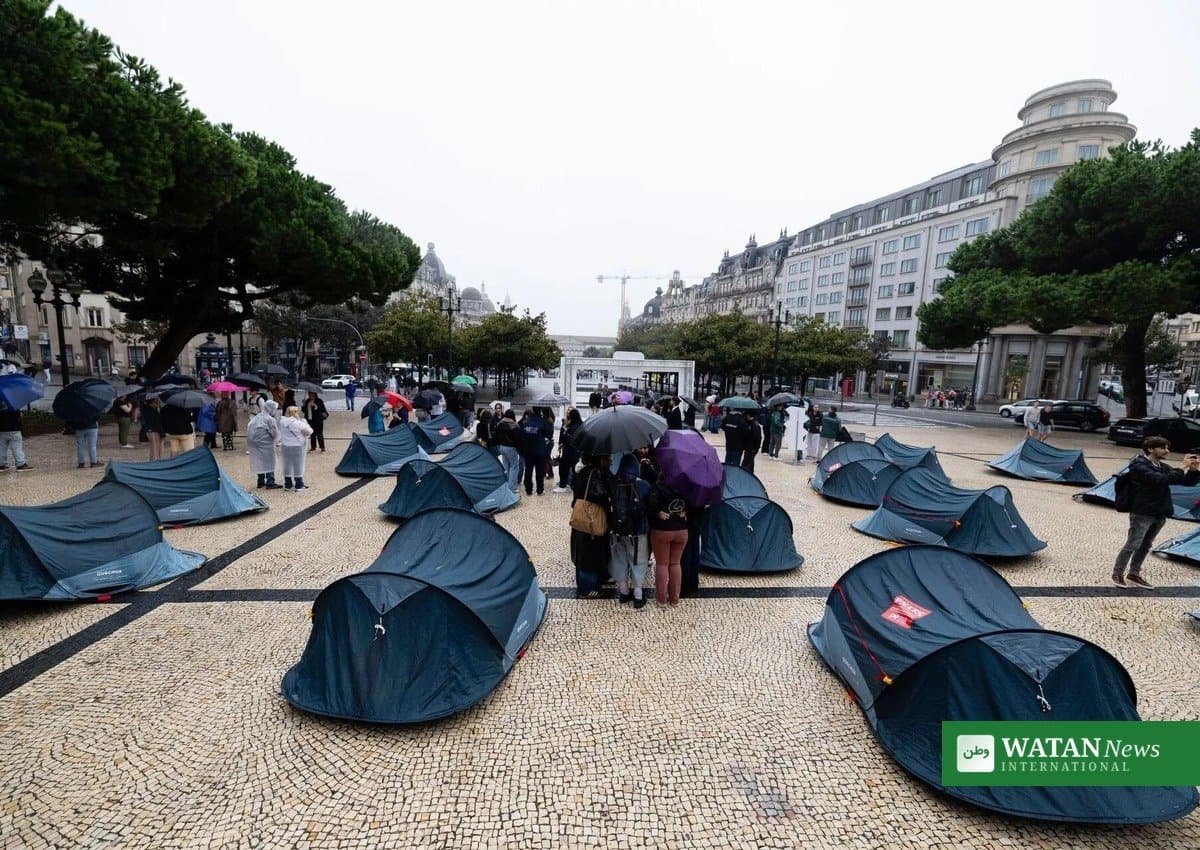
Portuguese police cleared tent camps set up by housing protesters in Lisbon and Porto before dawn on Tuesday, ending occupations that had lasted for days and making 55 arrests, as a wave of housing-related unrest continues to spread across Europe.
The coordinated operations began shortly before 6 a.m. local time at Lisbon’s Rossio Square and Porto’s Praça D. João I. After warning protesters that the gatherings were no longer legal and giving them a few minutes to disperse, officers moved in to remove the camps, according to reports by Reuters and Euronews.
FAKTA
- Portugal housing protest eviction: police cleared housing protest camps in Lisbon and Porto before dawn on Tuesday, 20 October 2026.
- Arrests: 55 people detained for refusing to leave, according to police; 228 camping structures were seized in Lisbon.
- Lisbon’s Rossio Square had been occupied since Saturday with around 200 tents; Porto’s camp had been in place for about 10 days.
- Disputed accounts: protesters called the operation “very aggressive” and said about 30 demonstrators were injured; police described it as “calm, proportionate and appropriate” and reported two minor injuries.
- Demands: protesters want the government to withdraw a bill making evictions easier and ending rent caps on new leases.
- Context: Portuguese house prices have more than doubled since 2017, and rents for new leases have nearly doubled.
The dawn operation
Police vans arrived at both squares just before 06:00 local time. In Lisbon, officers from the Public Security Police (PSP) told demonstrators the protest was illegal and gave them between five and ten minutes to leave. When some protesters resisted, forming a human chain and throwing objects at officers, PSP units — including a special unit — used batons to clear Rossio Square, Euronews reported.
In Porto, the operation unfolded more calmly. The dozens of people camping at Praça D. João I took down their own tents after the warning, and no clashes were reported. Police have since started installing metal barriers to block access to the square, in response to protesters saying they want to return.
Carla Valadao, a spokesperson for the Lisbon camp, described the police action as “very aggressive” and vowed the protest would resume at 7 p.m. on Tuesday. PSP superintendent Sergio Soares told reporters the eviction had been “calm, proportionate and appropriate, with no police charge”, and said the 55 people detained had refused to leave the area voluntarily. Pedro Duarte, the mayor of Porto, said housing concerns would continue to be heard as long as demonstrations remained peaceful and legal.
Why the Portugal housing protest erupted
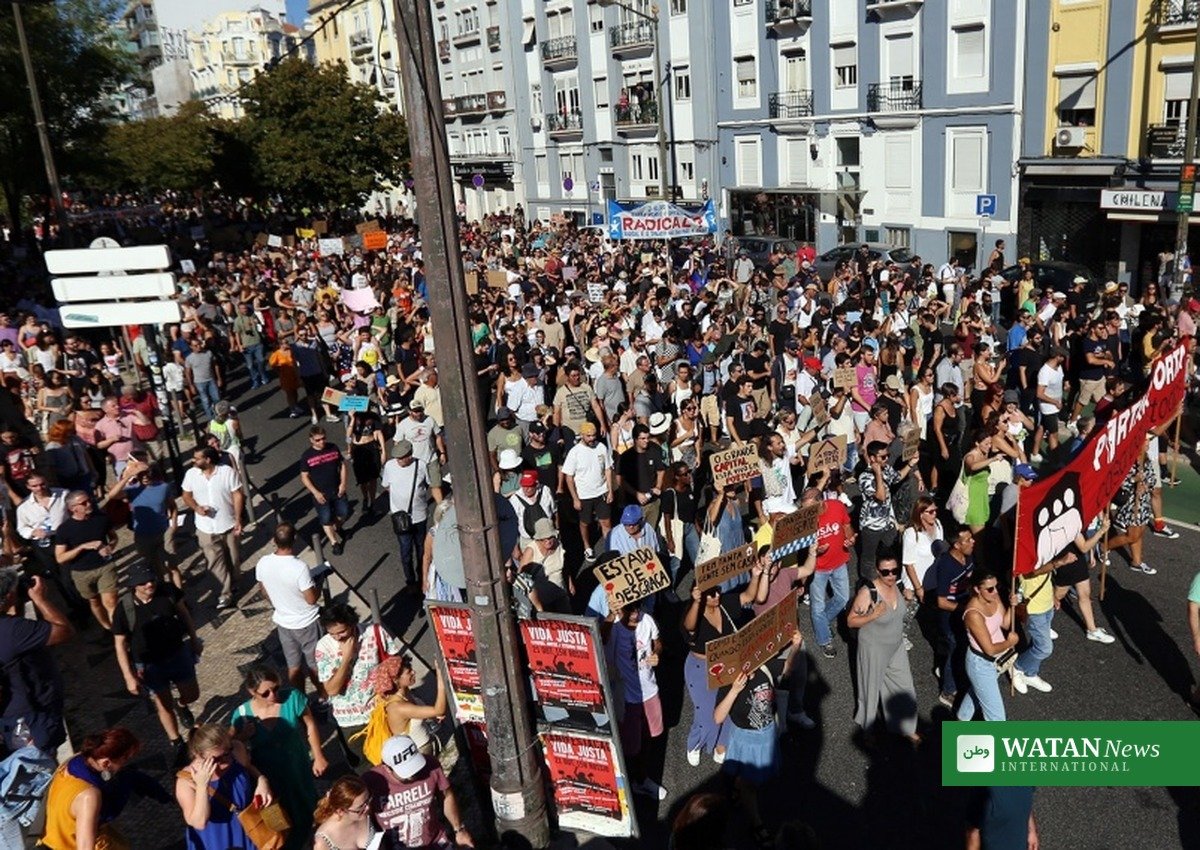
The protesters are demanding that the centre-right government withdraw a bill that would make evictions easier and end rent caps on new leases. The bill passed its first parliamentary reading with the abstention of the far-right Chega party, Reuters reported.
Portugal is grappling with one of Europe’s worst housing affordability crises. Purchase prices have more than doubled since 2017, and rents for new leases have nearly doubled. The pressure is most acute in the major cities, where residents have also complained about excessive tourism and an influx of so-called digital nomads pushing up costs.
After the Rossio eviction, some protesters moved to the nearby Praça da Figueira, where they continued to voice anger at the police action, demanding the return of their belongings and the release of those detained. More than a hundred demonstrators sang “Grândola, Vila Morena”, the anthem of the 25 April 1974 Revolution that restored democracy in Portugal, and threatened to occupy the home of Prime Minister Luís Montenegro, Euronews reported.
Housing unrest across Europe
The Portuguese camps mirrored housing protests in neighbouring Spain, where massive demonstrations over affordability have shaken the political landscape. The unrest coincides with a broader wave of discontent over rising living costs in countries including France, Belgium and Italy.
Cleaning operations were under way in both squares by mid-morning on Tuesday. Whether the protesters follow through on their pledge to return in the evening will determine whether Portugal’s housing crisis becomes a longer-running confrontation. Read more European coverage in our World news section.