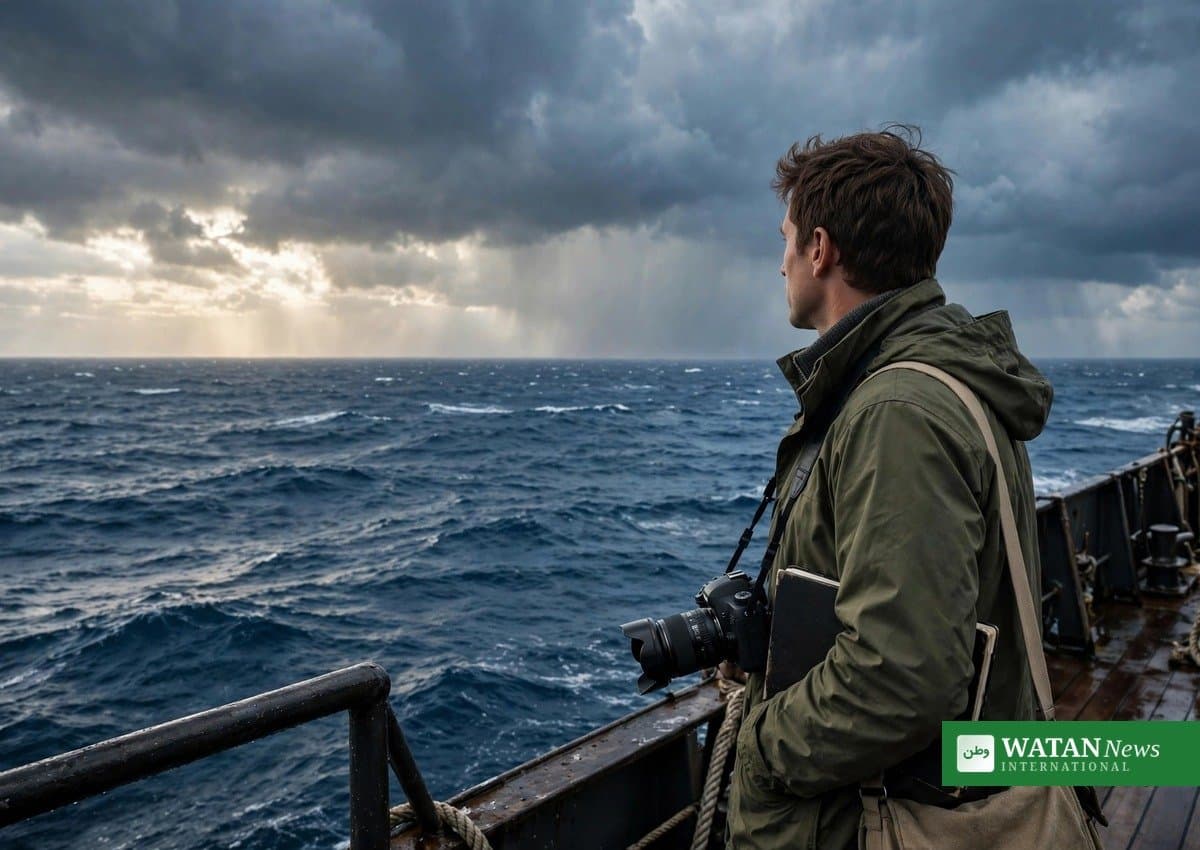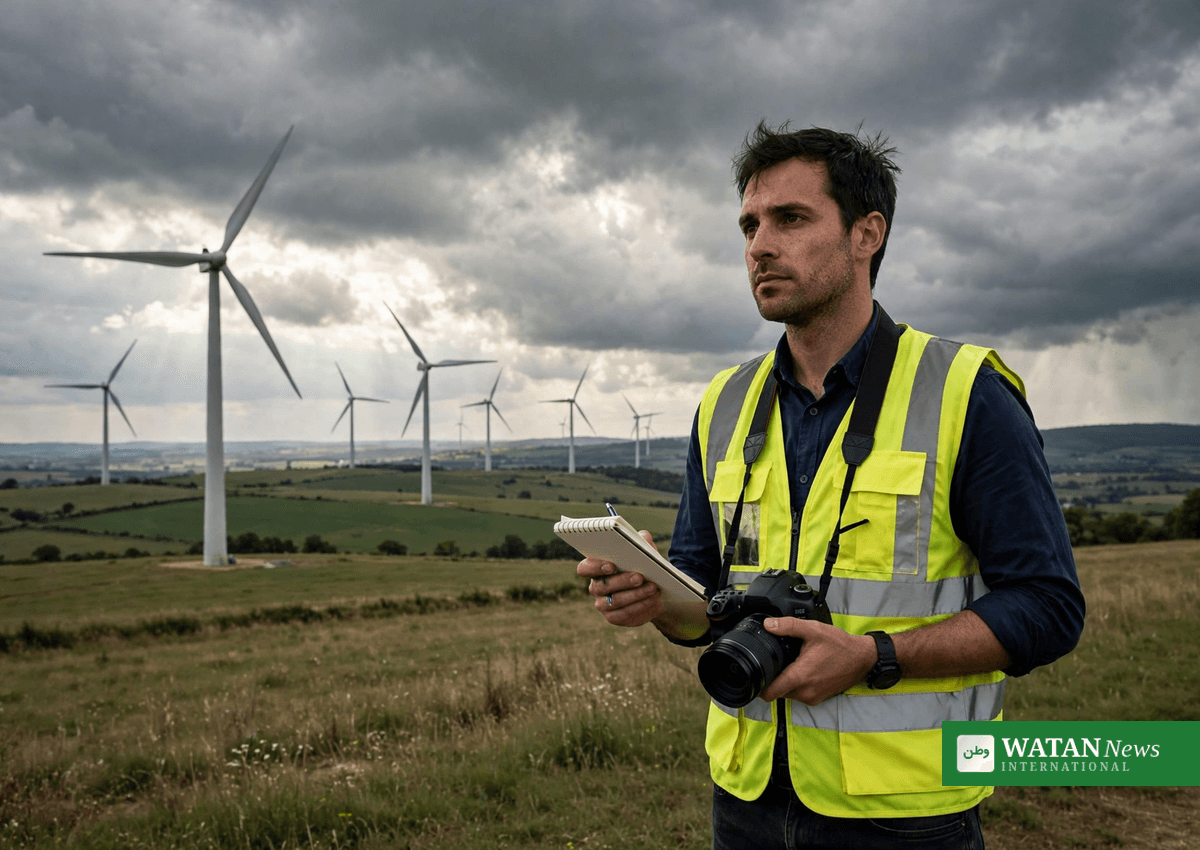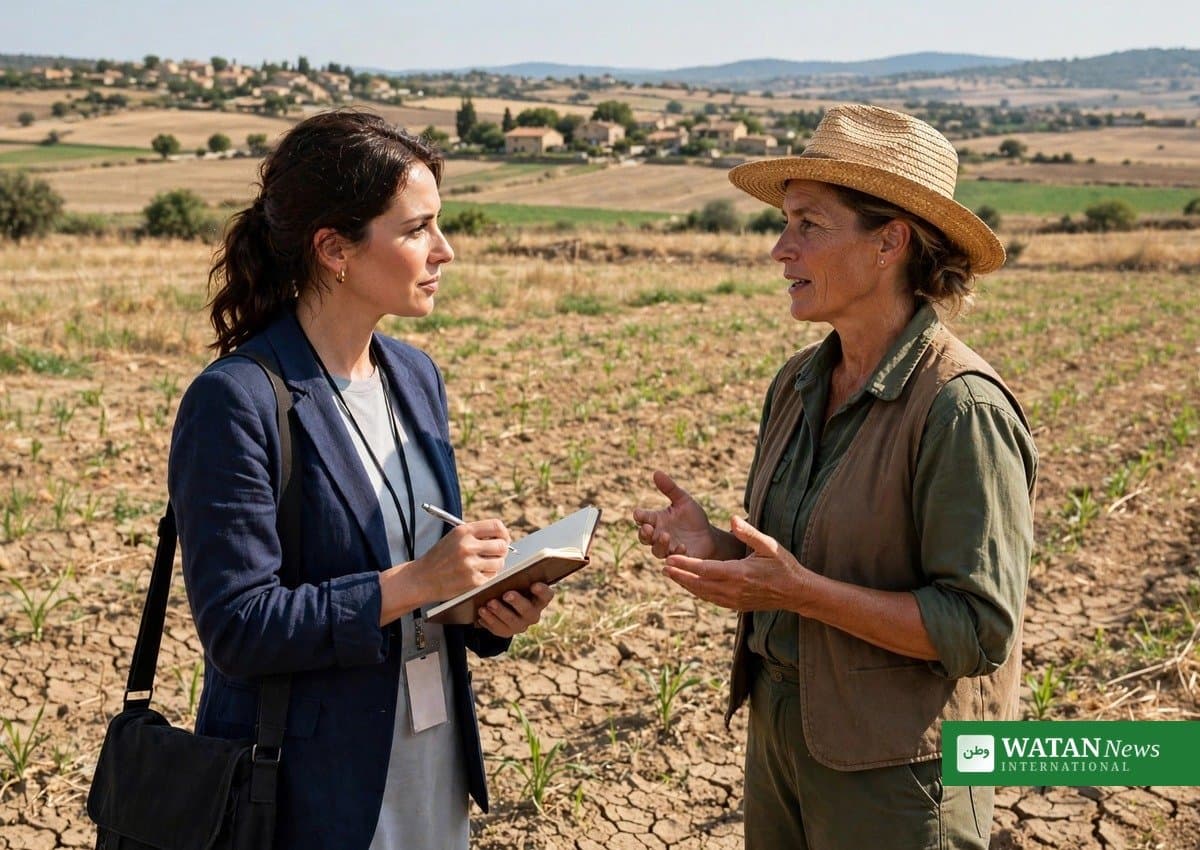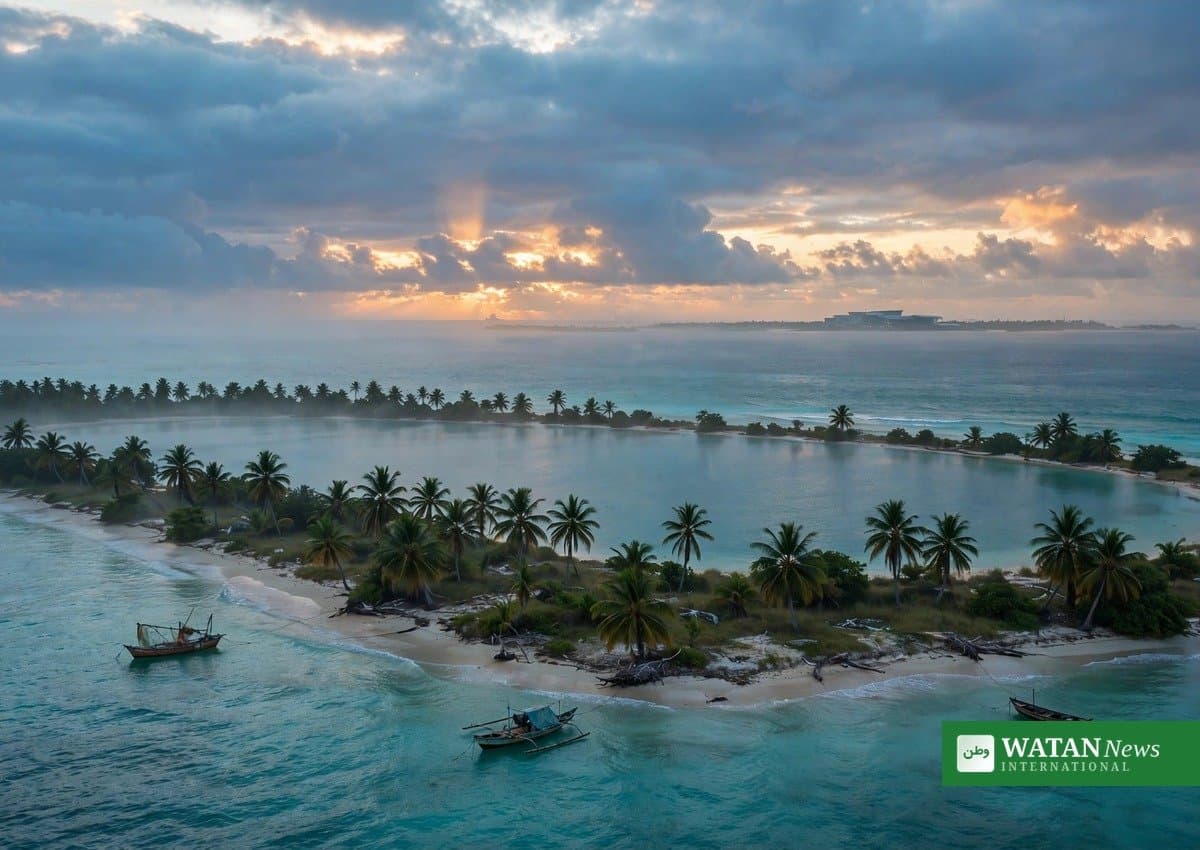
COP31 president-designate Murat Kurum has called on wealthy countries to spend “much more” on COP31 climate spending than on defence, warning that governments pledging 5 percent of GDP to military budgets are underfunding an even greater security threat: the climate crisis itself.
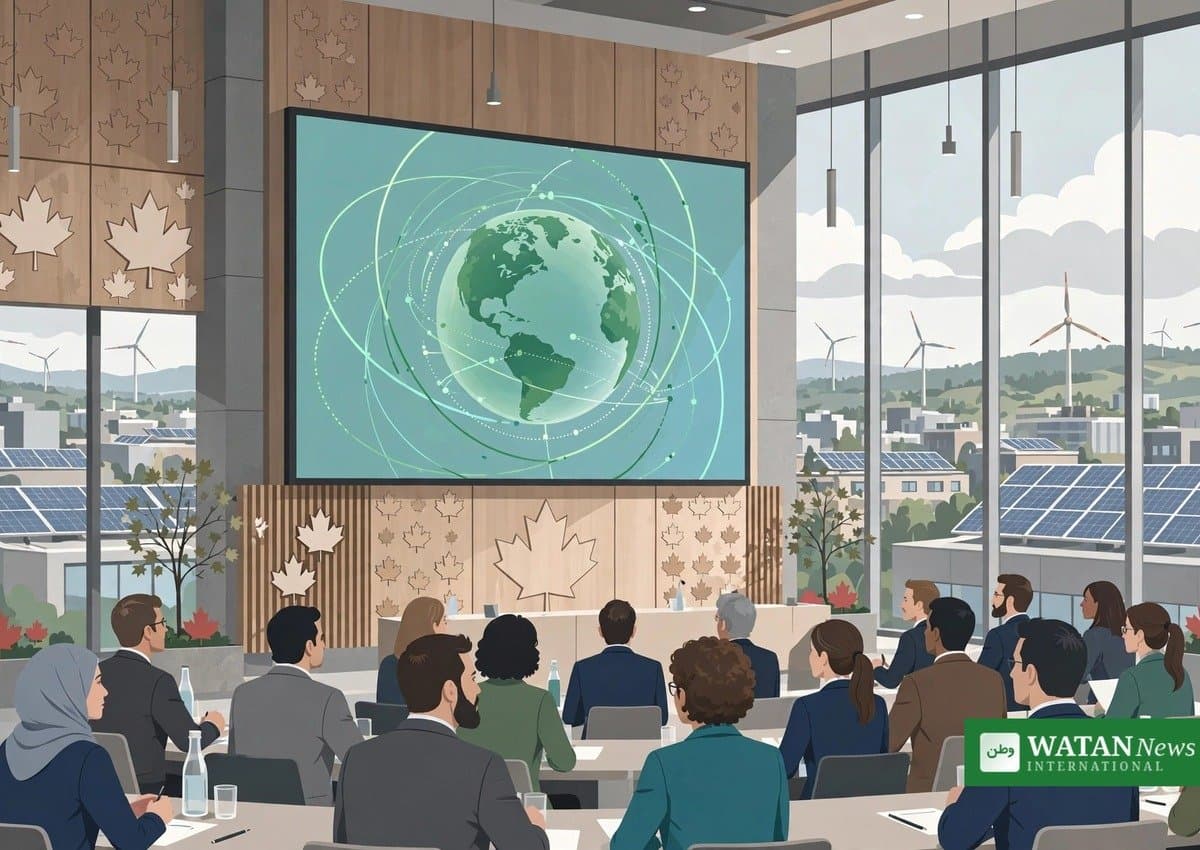
Kurum spoke at the Fiji pre-COP meeting (October 5–8, Nadi), where some 4,000 participants — including 13 national leaders and around 30 ministers — gathered ahead of COP31 in Antalya, Türkiye. Australia, which leads the COP31 negotiations, organized the meeting; Türkiye holds the presidency and the Action Agenda.
NATO members pledged in 2026 to raise defence spending to 5 percent of GDP by 2035. Kurum argued the same countries committed far less to the climate crisis. Asked whether as much should be spent on climate as on defence, he answered through an interpreter: “Much more.”
Prevention costs less than recovery
“The climate issue is the security issue itself,” Kurum told the Guardian. “If you don’t spend one unit of money prior to the disasters, then you are left in a position where you have to spend 10 units of money after the disaster. It’s cheaper pre-disaster.”
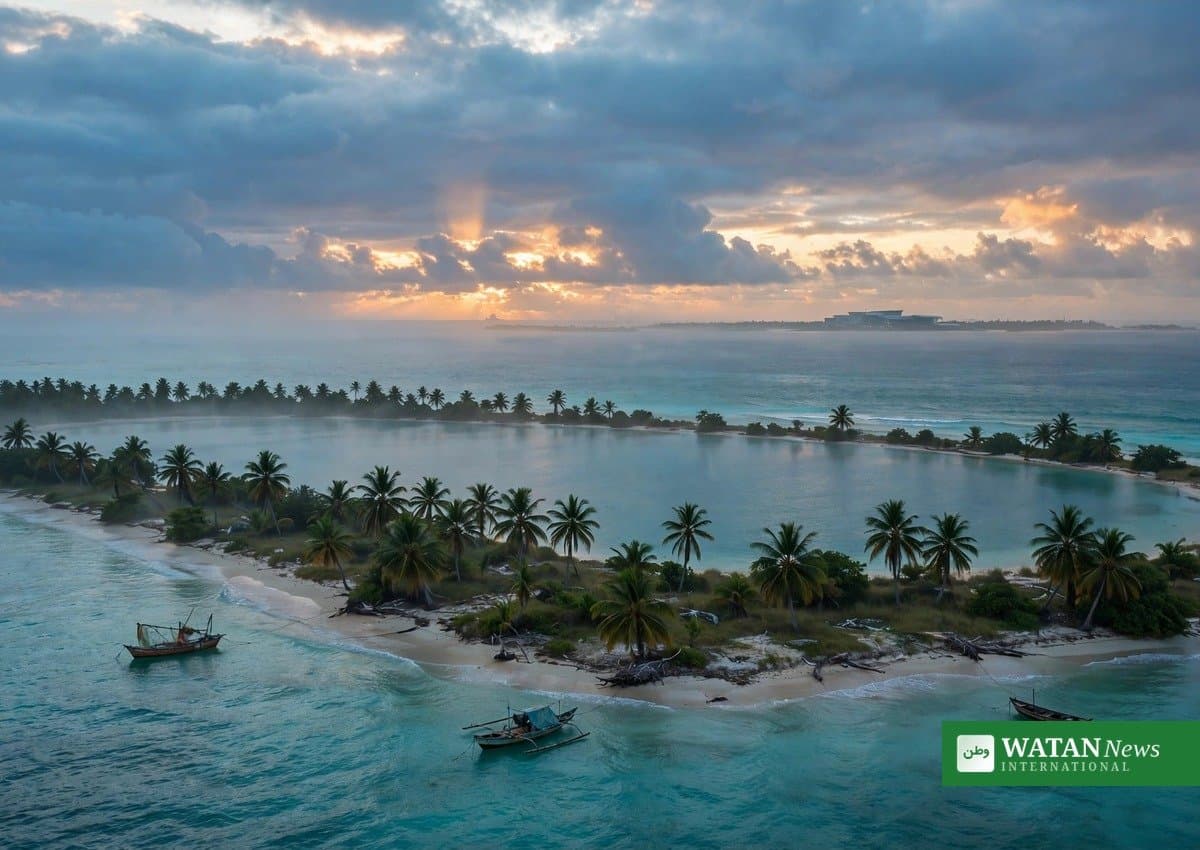
He told Reuters in Nadi on October 8: “What does it mean to spend 5% for defence if you don’t have a country to live on? What does it mean to defend it?” And on the Pacific: “$1.5 billion for 1.5 degrees will save the Pacific. It’s that easy” — a nod to delegates’ visit to Tuvalu and the Pacific demand to keep 1.5°C alive.
COP31 climate spending: the 5% GDP proposal
It builds on Kurum’s September 2026 Istanbul proposal: at least 5 percent of GDP for climate security, possibly rising to 7–10 percent. If governments can find 5 percent of GDP for defence, he argued, the climate emergency deserves as much or more.
The Pacific context is stark: Australia’s climate minister Chris Bowen said only 0.2 percent of global climate finance reaches small island developing states. Pacific leaders demanded accessible finance, ocean protection and a firm 1.5°C commitment — though a UN environment analysis projects at least 1.8°C of warming even in optimistic scenarios.
Road to Antalya
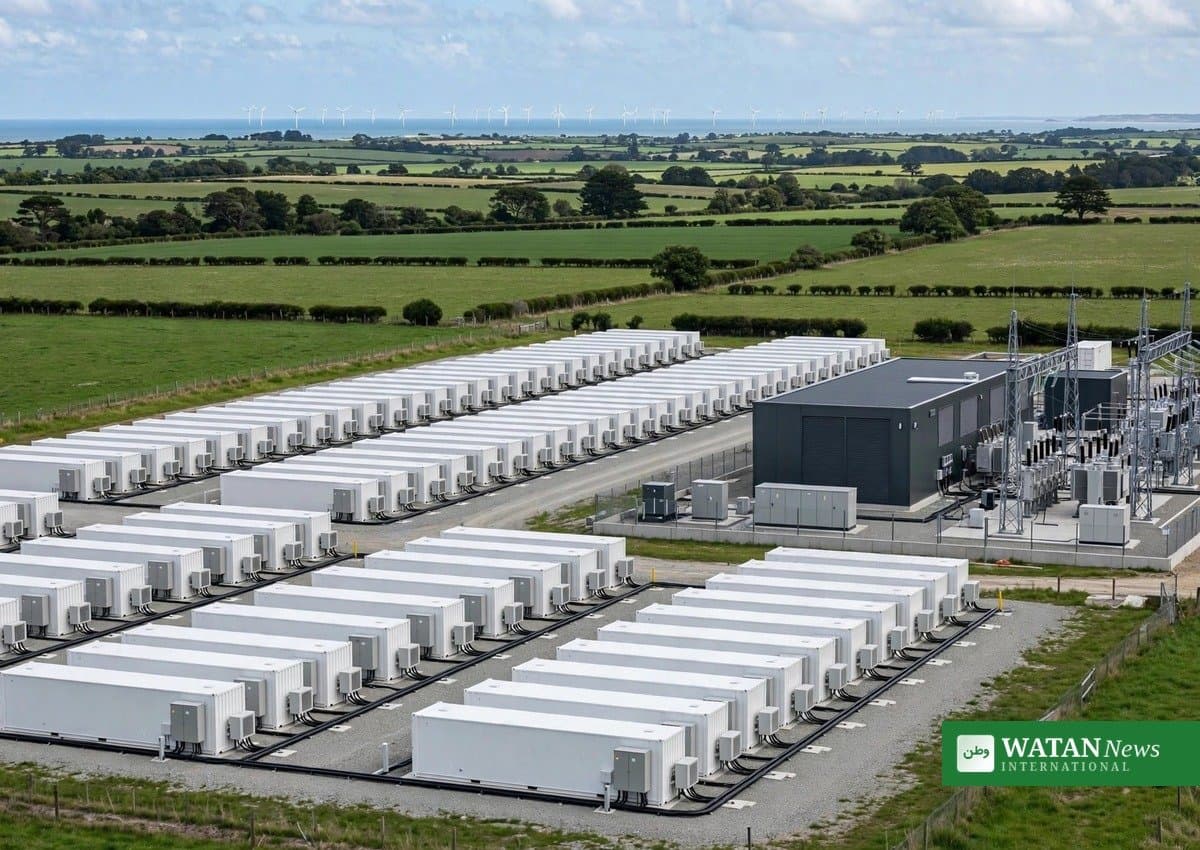
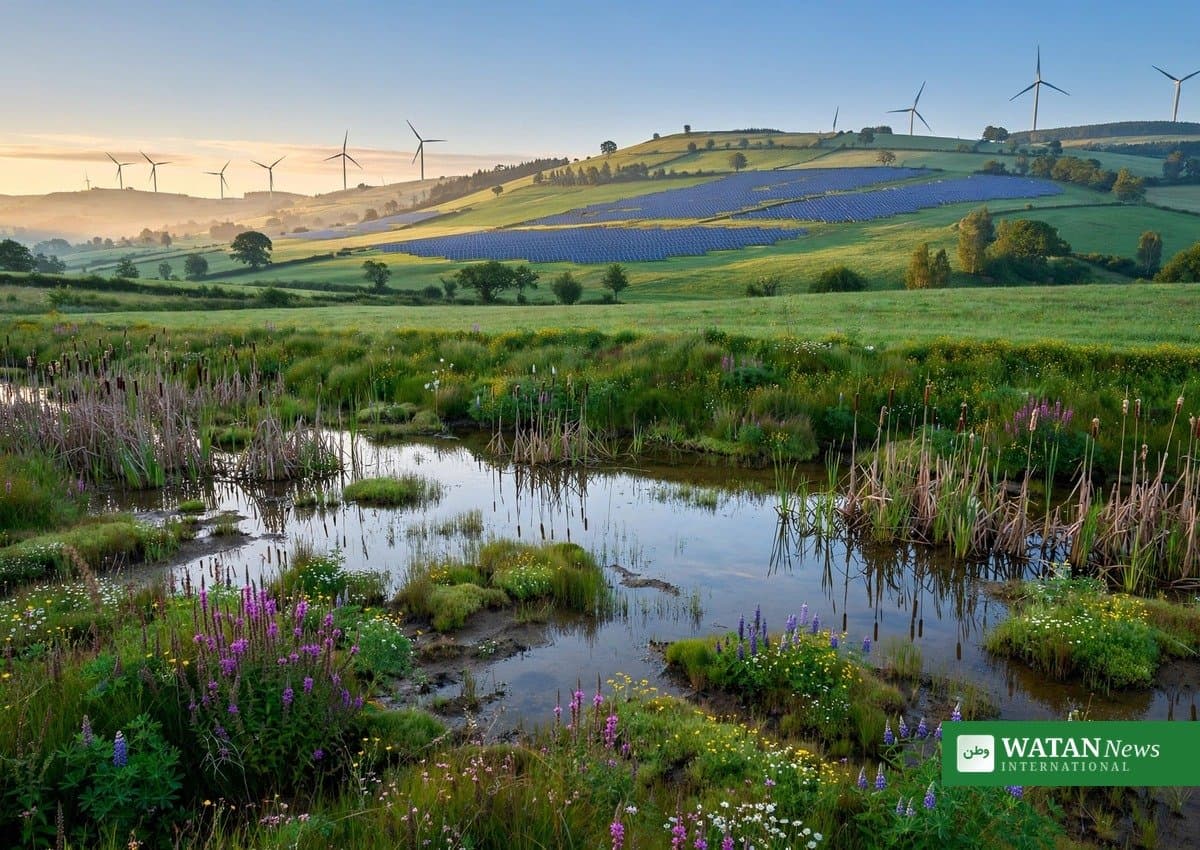
Kurum and Bowen backed a multi-country statement for a global “transition away from fossil fuels” — COP28 language — and a 35-percent-electricity-by-2035 goal (from ~21% now). Kurum cautioned that further explicit phase-out language may not be achievable in Antalya; both Türkiye and Australia face criticism over new coal and gas projects.
Fiji was the last major preparatory meeting before COP31 opens in Antalya on November 9 (World Leaders’ Summit November 11–12; ~100,000 expected). Follow Watan News International’s climate coverage for more on the road to Antalya.
FAKTA
- Kurum urged wealthy countries at the Fiji pre-COP meeting (Oct 5–8, Nadi) to spend “much more” on climate than on defence.
- NATO members pledged 5% of GDP for defence by 2035 (2026); Kurum proposed 5% for climate security, possibly 7–10%.
- “The climate issue is the security issue itself”; “$1.5 billion for 1.5 degrees will save the Pacific.”
- Only 0.2% of global climate finance reaches small island developing states (Australia’s Chris Bowen).
- COP31 opens November 9 in Antalya, Türkiye; World Leaders’ Summit November 11–12; ~100,000 expected.