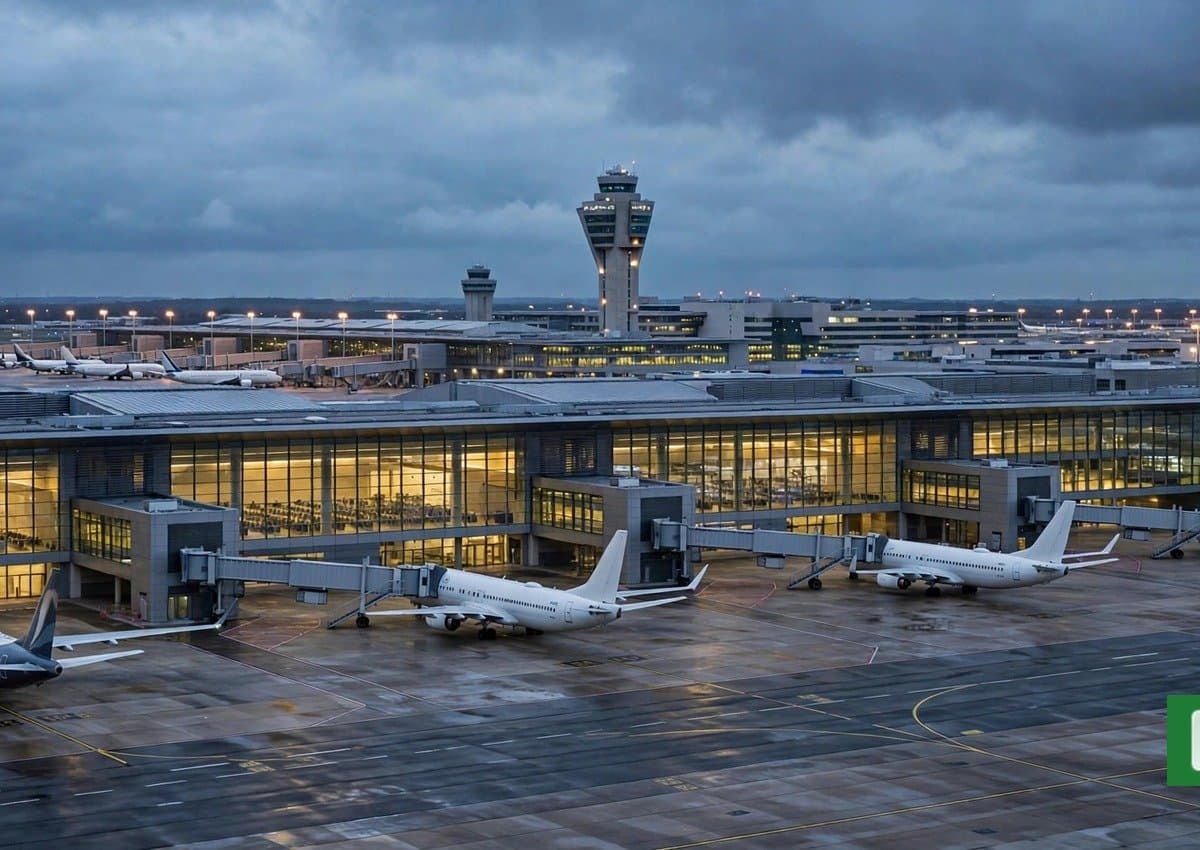
Riyadh airport flights remain heavily disrupted despite the reopening of King Khalid International Airport, with most of the world’s major airlines refusing to resume services to the Saudi capital and pushing return dates weeks or months into the future.
The airport reopened on Sunday, October 18, after a series of attacks earlier in the month that Saudi aviation authorities say killed at least 12 people and injured more than 300. Yet the physical reopening has not restored confidence among international carriers, each of which is making its own decision based on security risk, insurance costs and regulatory warnings.
FAKTA
- King Khalid International Airport reopened on October 18, but most scheduled flights remain cancelled.
- Lufthansa Group has suspended flights to and from Riyadh until November 18.
- Cathay Pacific has postponed the resumption of its Hong Kong–Riyadh services through January 31, 2027.
- Delta Air Lines has delayed its planned Atlanta–Riyadh launch, originally set for late October, until March 2027.
- The US State Department has warned Americans to expect continued flight cancellations and airspace closures across the Middle East.
Riyadh airport flights: airlines stagger their returns into 2026 and 2027
Lufthansa Group has cancelled flights to and from Riyadh until November 18. Cathay Pacific has postponed the resumption of its Hong Kong–Riyadh services through January 31, 2027. Delta Air Lines has delayed the launch of its new Atlanta–Riyadh service, originally scheduled for late October, until March 2027.
Shorter-term suspensions are also in force across the region. KLM has cancelled Riyadh and Dammam services until October 31, Air France until November 7, and Philippine Airlines until November 29, while Qatar Airways has temporarily suspended both Riyadh and Dammam. IndiGo and Air India have cancelled services to Saudi cities until October 24, and Etihad Airways has done the same for Riyadh and Dammam. British Airways is planning only a limited single-daily return from November 3.
Permission, insurance and regulatory hurdles
Saudi authorities now require airlines to obtain advance permission before operating each flight, adding another layer of complexity. US and European aviation regulators have separately warned carriers about operating in Saudi airspace, and a conflict-zone airspace warning for the wider region remains active until December 10, according to industry reporting. With insurers pricing risk against that warning, many carriers consider the financial exposure unacceptable — even with the runway physically open.
What travellers should expect
For passengers, the result is a fragmented, airline-by-airline patchwork of cancellations extending weeks beyond the reopening. Connecting journeys, crew rotations and aircraft scheduling remain complicated, and many travellers have been rerouting through neighbouring Gulf airports in Bahrain, Qatar and the United Arab Emirates.
Airlines stress that published suspension end dates are not guarantees: they will be reviewed against conditions on the ground. Passengers with bookings to Saudi Arabia should check their flight status directly with their airline rather than assuming a flight will operate simply because the airport has reopened. Follow Watan News English coverage for continued updates on the disruption.