Russia hit no Ukrainian energy targets on Tuesday for the first time since US President Donald Trump announced the Ukraine energy ceasefire over the weekend, while overnight strikes continued to pound cities’ transport and logistics with ballistic missiles and drones.
FAKTA
- First day without energy strikes: Russia’s defence ministry, in its daily summary of overnight strikes, made no mention of Ukrainian energy facilities on Tuesday — the first such day since Trump’s weekend “energy ceasefire” announcement.
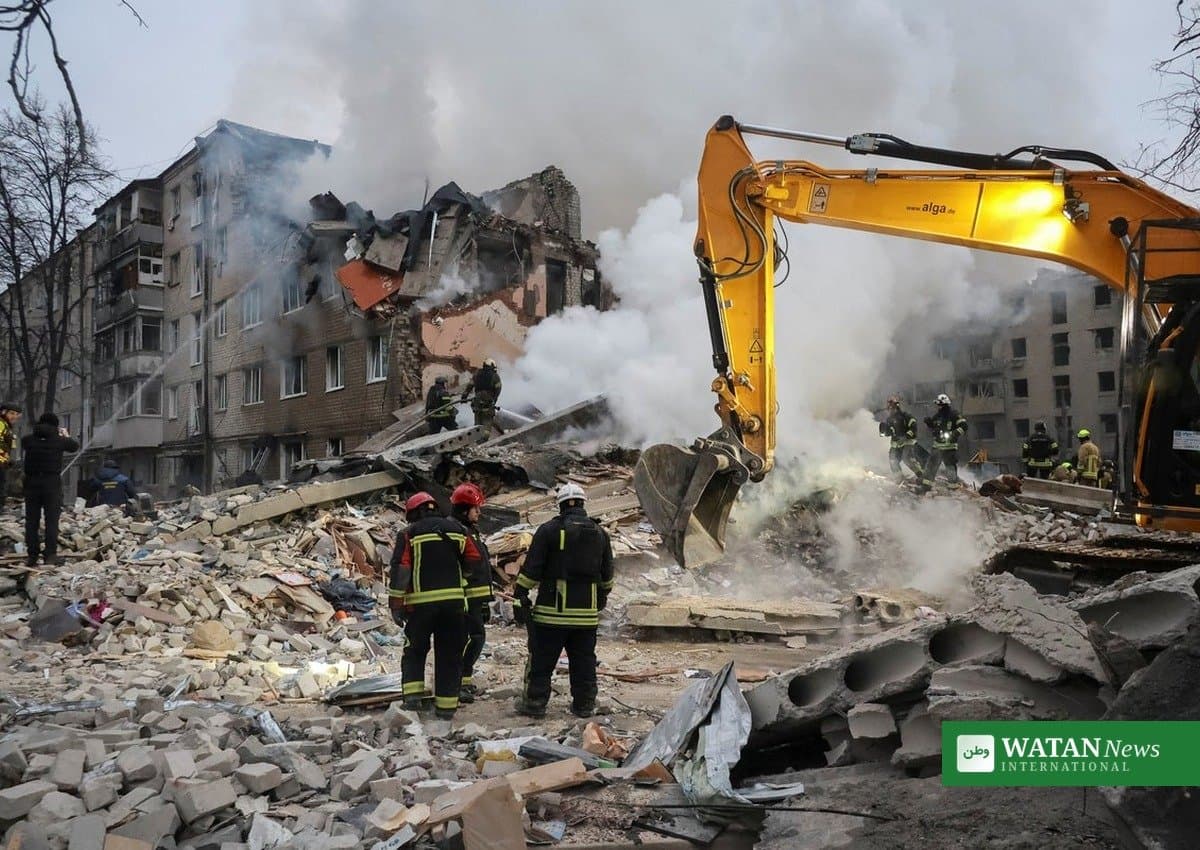
- Attacks shifted, not stopped: Overnight attacks targeted transport and logistics. One missile came down just over a kilometre from a plant providing heating to much of the city of Lviv in western Ukraine.
- Kremlin cautious: A Kremlin spokesman, asked about the energy ceasefire, said only that contacts were ongoing and declined further details. It was not clear whether Russia deliberately avoided energy infrastructure.
- Ukraine’s position: President Volodymyr Zelenskyy said on Tuesday that Ukraine had not struck Russian refineries for two days since the announcement, but that Russia had continued attacking energy and critical infrastructure during that time. Russia struck six Ukrainian energy sites on Monday.
- Background: Trump’s announcement on Sunday came two days after his deal lifting US sanctions on Russian diesel exports to allow Russia to supply almost two million metric tons of diesel, a bid to lower US fuel prices. Reuters has reported that US officials threatened to cut off intelligence sharing and weapons sales to Ukraine unless it halts its strikes on Russian oil refineries.
Overnight barrages target transport and logistics
While energy facilities were spared overnight into Tuesday, Ukrainian cities were not spared violence. Russian forces launched ballistic missiles and drones at transport and logistics targets, underscoring that the declared “energy ceasefire” covers only one slice of the air war.
The narrow escape in Lviv — a missile landing just over a kilometre from a plant supplying heating to much of the city — highlighted how close civilian infrastructure continues to come to being hit even on a night with no reported energy strikes.
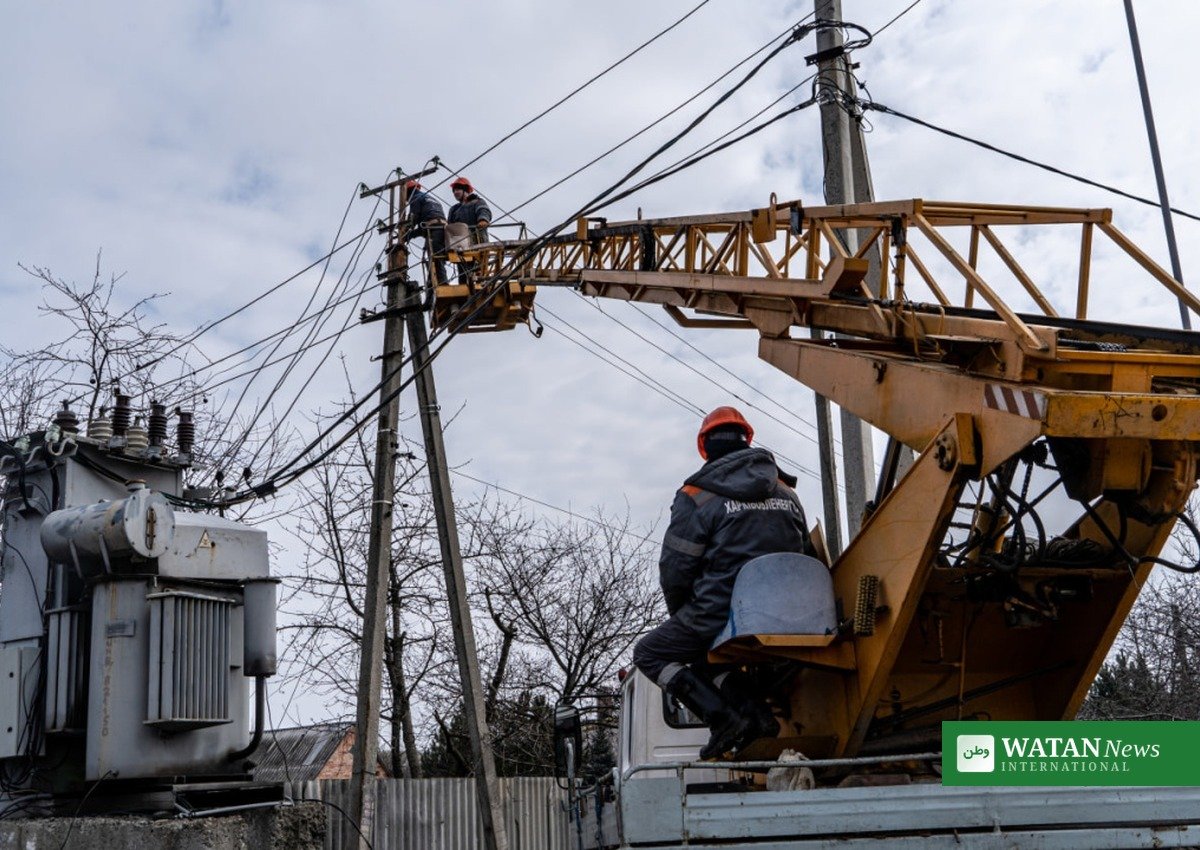
Ukraine energy ceasefire: deliberate restraint or coincidence?
It remained unclear on Tuesday whether Russia’s decision to avoid energy targets reflected deliberate compliance with the announced ceasefire or simply a shift in targeting for one night. Moscow has not publicly confirmed the energy ceasefire, and the Kremlin spokesman declined to elaborate beyond saying that contacts were ongoing.
Zelenskyy, for his part, stressed that Ukraine had honoured the understanding for two days by halting strikes on Russian refineries — but pointed out that Russia had continued to hit Ukrainian energy and critical infrastructure during that same period, including six energy sites on Monday.
Trump’s diesel deal and the politics behind the truce
The ceasefire announcement followed Trump’s weekend deal lifting US sanctions on Russian diesel, allowing Moscow to supply almost two million metric tons of diesel in an effort to bring down US fuel prices. Trump has repeatedly blamed Ukrainian strikes on Russian refineries — which prompted Moscow to suspend diesel exports — for a sharp rise in US diesel prices this year, a headache for his party ahead of the November 3 congressional midterm elections. Most analysts, however, say the US conflict with Iran has had a far greater impact on the price rise.
Whether Tuesday’s pause marks the start of a genuine reciprocal halt or a one-night anomaly will become clear in the coming days, as both sides’ overnight strike patterns are tracked.
Follow developments in the region in our Europe news section.