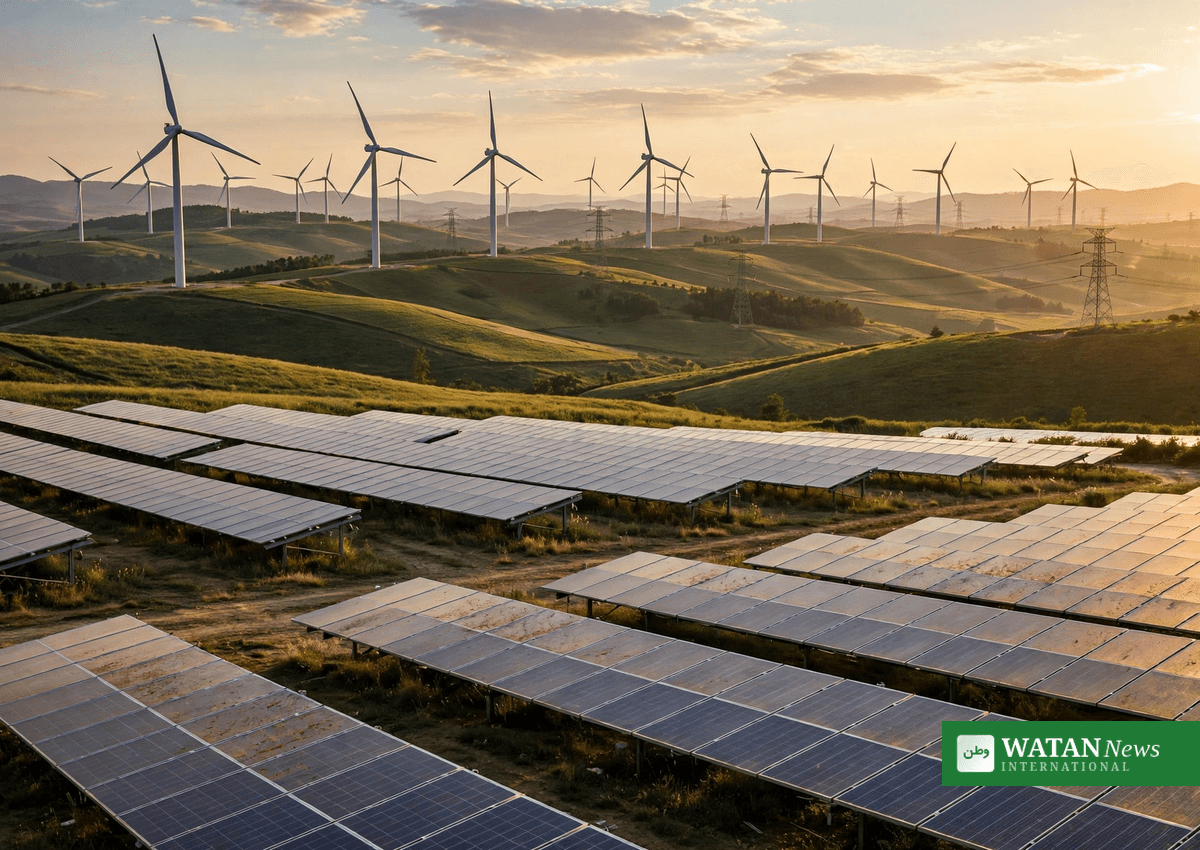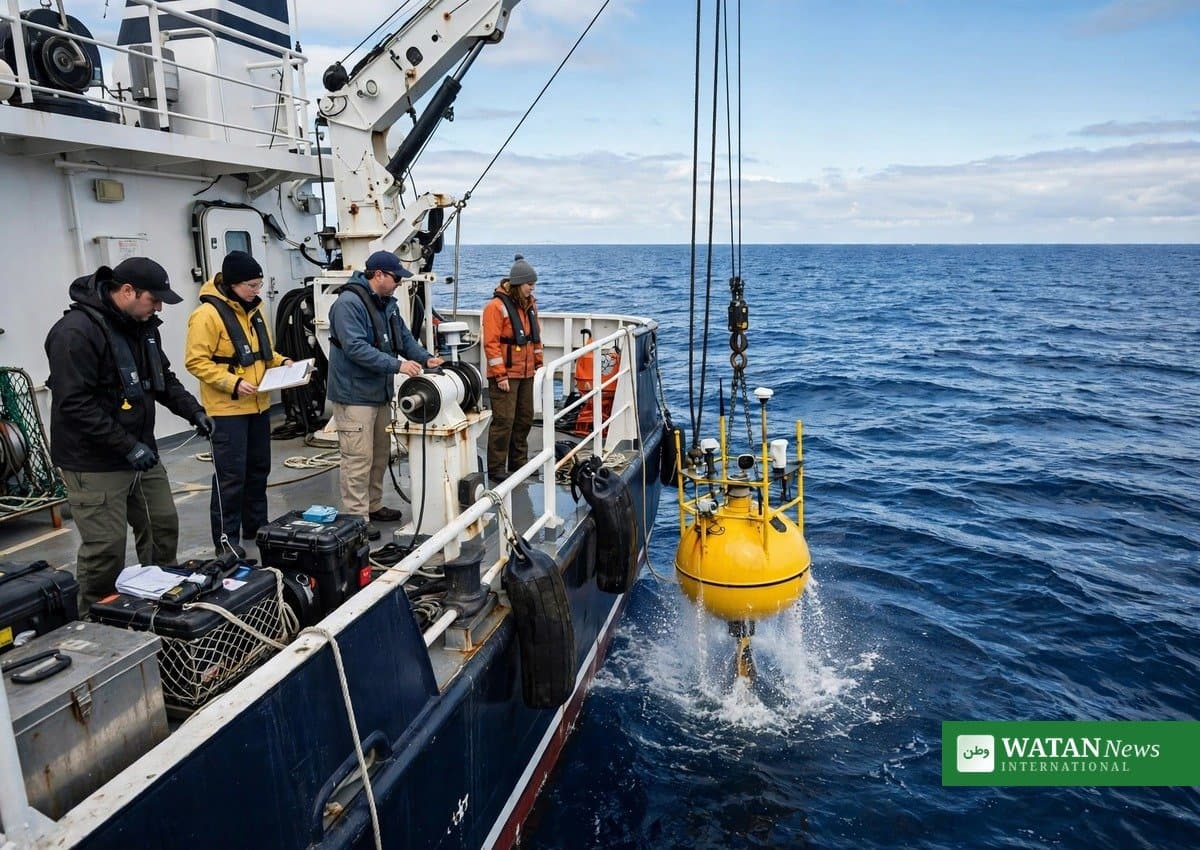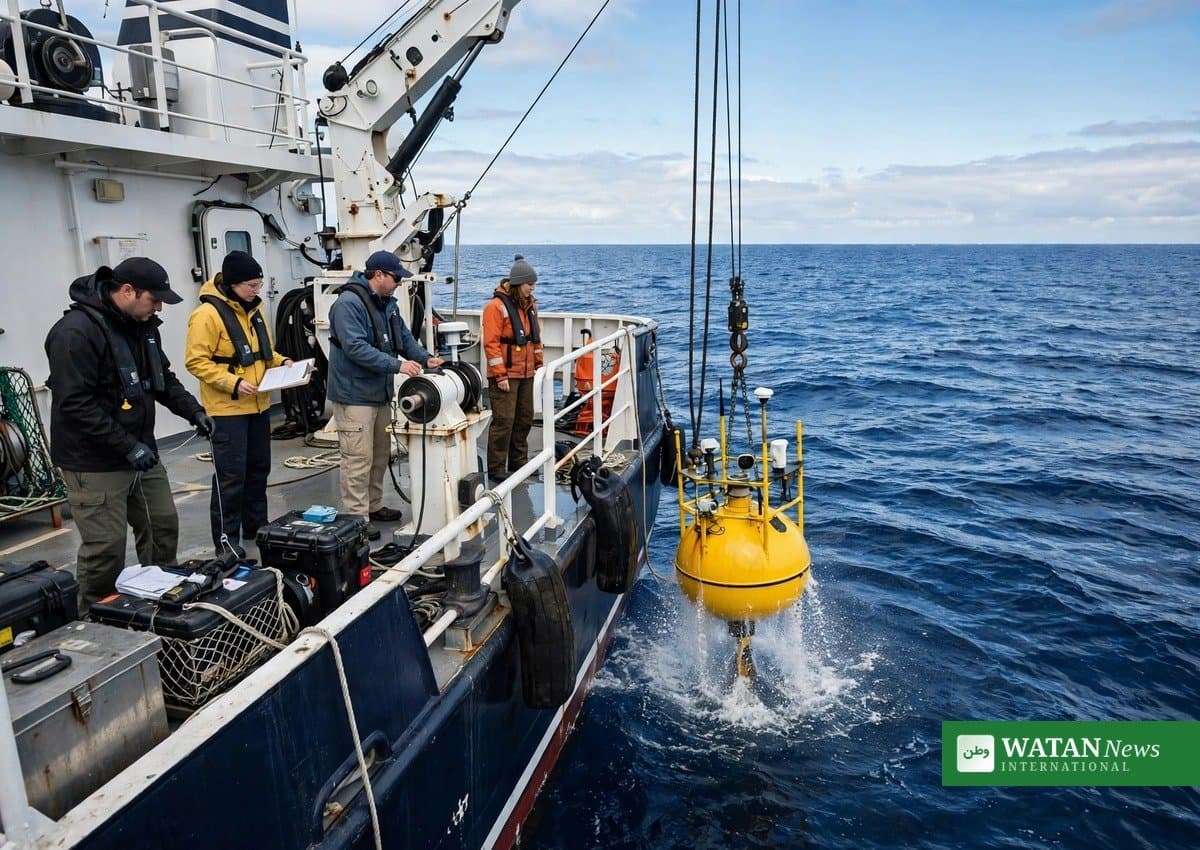
The ocean, one of the planet’s most important climate allies, is losing some of its power to absorb carbon, according to a new United Nations report released on 28 October 2026. The report calls for sustained investment in Ocean Carbon Intelligence, a framework that links ocean science, monitoring technology, data systems and analytical tools, so that governments and investors can make evidence-based climate decisions.
The 2026 Climate Technology Progress Report, titled Navigating Ocean-based Technologies, was produced by the UNEP Copenhagen Climate Centre in collaboration with the Climate Technology Centre and Network and the Technology Executive Committee of the UN Framework Convention on Climate Change. It was released in Copenhagen, days before COP31 opens in Antalya, Türkiye, on 9 November 2026.
Key facts
- Report: 2026 Climate Technology Progress Report: Navigating Ocean-based Technologies, released 28 October 2026.
- Producers: UNEP Copenhagen Climate Centre, the Climate Technology Centre and Network, and the UNFCCC Technology Executive Committee.
- Ocean’s role: The ocean absorbs around 30 per cent of human-induced carbon dioxide emissions and about 90 per cent of the excess heat generated by climate change.
- Weakening sink: Climate change has already reduced the ocean’s capacity to absorb carbon by an estimated 6 per cent, compared with a world without human-induced climate change.
- Core proposal: Invest in Ocean Carbon Intelligence: ocean observation, data infrastructure, modelling and analytical tools.
- Warning: Ocean-based technologies can complement, but must not replace, rapid and sustained cuts in greenhouse gas emissions.
Why the ocean matters for climate action
The ocean is one of the world’s largest carbon sinks. By absorbing a large share of the carbon dioxide released by human activity and most of the extra heat trapped by greenhouse gases, it has slowed global warming and bought humanity time, the report says. That regulating function is now under pressure.
Rising temperatures, acidification, deoxygenation, pollution and ecosystem degradation are disrupting the physical, chemical and biological processes that allow the ocean to absorb and store carbon. The report warns that warming waters and changes in ocean chemistry are placing this critical function under increasing pressure, potentially weakening the ocean’s ability to store carbon and support climate stability in the future.
“A weaker ocean carbon sink leaves more carbon dioxide in the atmosphere and makes climate goals harder and more costly to achieve. The ocean has helped buy humanity time in the fight against climate change. We cannot afford to take that role for granted,” said Martin Krause, Director of the Climate Change Division at UNEP.
What is Ocean Carbon Intelligence?
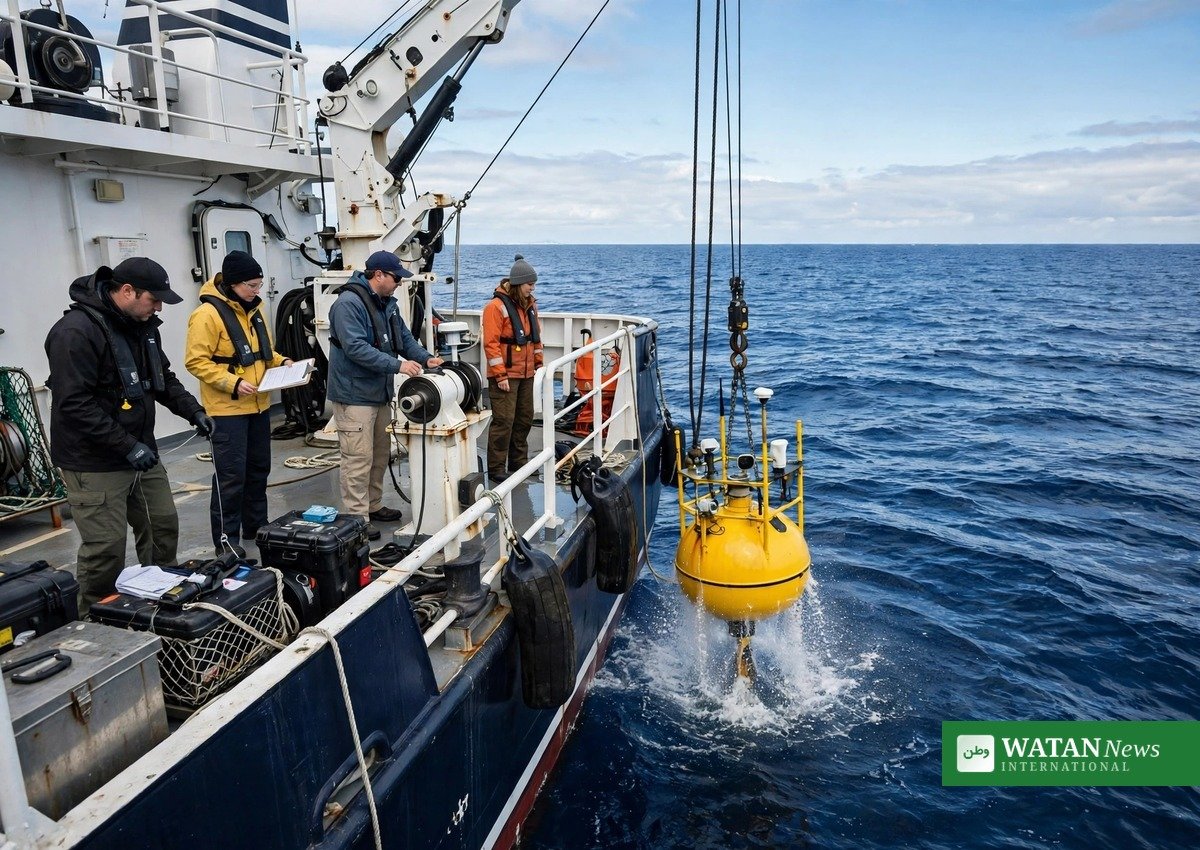
Ocean Carbon Intelligence is the report’s central framework. It connects ocean science with monitoring technologies, data infrastructure and analytical tools to improve understanding of how carbon moves through the ocean and to support evidence-based climate action.
As governments, researchers and investors look increasingly to ocean-based climate solutions, the report identifies sustained investment in ocean observation, data infrastructure and modelling as essential for closing critical knowledge gaps, strengthening climate decision-making and supporting the responsible development of ocean-based climate technologies.
Major gaps remain. The report identifies major monitoring gaps in the Southern Ocean, the Arctic, the Indian Ocean and many coastal regions, and notes that global capacity to observe the ocean carbon cycle has declined in recent years. Without better observation, governments and investors cannot fully assess climate risks or judge whether ocean-based solutions are working.
Ocean technologies: promise and limits
The report examines both the opportunities and the limitations of ocean-based climate technologies, including blue carbon ecosystem restoration and emerging marine carbon dioxide removal approaches. Restoring coastal ecosystems such as mangroves, salt marshes and seagrass can help preserve natural carbon sinks and strengthen climate resilience.
Marine carbon dioxide removal approaches, by contrast, remain at lower levels of technological readiness and carry significant scientific, environmental, social and governance uncertainties, according to the report. Further assessment would require carefully designed field trials and strong safeguards. The report is clear on the hierarchy: rapid and sustained reductions in greenhouse gas emissions remain the primary response, and ocean technologies cannot replace deep emissions cuts or broader efforts to protect marine ecosystems.
“With pressures on the ocean increasing and the need for effective climate action growing, the priority must be ensuring ocean-based climate solutions are guided by science, equity and transparency,” Krause said. “Ocean innovation has significant potential, but its success will depend on strong governance, public trust and sustained investment in knowledge, capacity and international cooperation.”
Island states at the front line
The report warns that Small Island Developing States face some of the world’s most severe ocean-related climate risks despite contributing less than 1 per cent of global greenhouse gas emissions. Sea-level rise, ocean warming, acidification, extreme events and ecosystem degradation threaten livelihoods, infrastructure, freshwater security, cultural heritage and, in some cases, long-term habitability.
Inia Seruiratu, Pacific COP31 Envoy for the Ocean, said governments have both an opportunity and a responsibility to place the ocean at the heart of global climate action. “This will require bold leadership, stronger partnerships and sustained investment, while recognizing that science, innovation and Indigenous knowledge together offer our best pathway towards a more resilient future,” he said.
That message echoes the Pacific’s case at the recent COP31 Pre-COP in Fiji and Tuvalu, where Pacific leaders pushed for the ocean to be given its rightful place in the global climate regime. Read Watan News coverage of that meeting here: Pacific Pre-COP opens: Fiji and Tuvalu push ocean action ahead of COP31.
Conclusion
The UNEP report does not present the ocean as a substitute for cutting emissions. It presents it as a climate ally whose health must be measured, understood and protected, and whose technologies must be governed by science, transparency and equity. For COP31 negotiators, the practical message is investment first in knowledge: better observation, better data and better modelling, so that ocean action rests on evidence rather than hope.