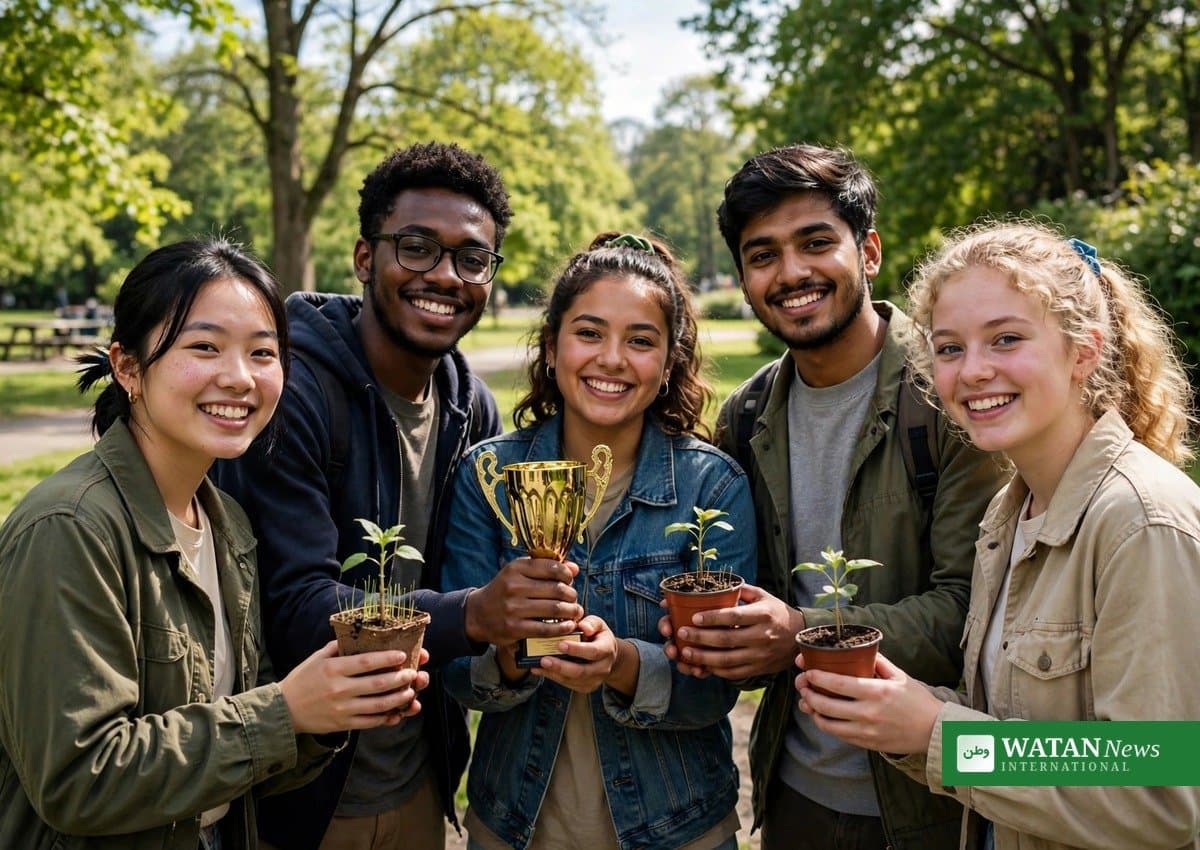
Earth Island Institute’s New Leaders Initiative has announced the six recipients of the 2026 Brower Youth Awards for Environmental Leadership — young activists aged 19 to 21 from the United States, Mexico and Canada whose projects range from restoring native habitats and protecting pollinators to turning waste into clean energy and passing a record school climate resolution.
FAKTA
- What happened: Earth Island Institute announced the six winners of the 2026 Brower Youth Awards for environmental leadership.
- Who: Six young leaders aged 19–21 from the United States, Mexico and Canada.
- Ceremony: The 27th annual Brower Youth Awards Ceremony takes place in Berkeley, California, on Monday 19 October.
- Since 2000: More than 160 young environmentalists have received the award; winners receive leadership training, networking opportunities and a platform for their work.
- Organiser: The awards are a signature component of Earth Island Institute’s New Leaders Initiative, which describes the Brower Youth Awards as the country’s leading environmental youth award.
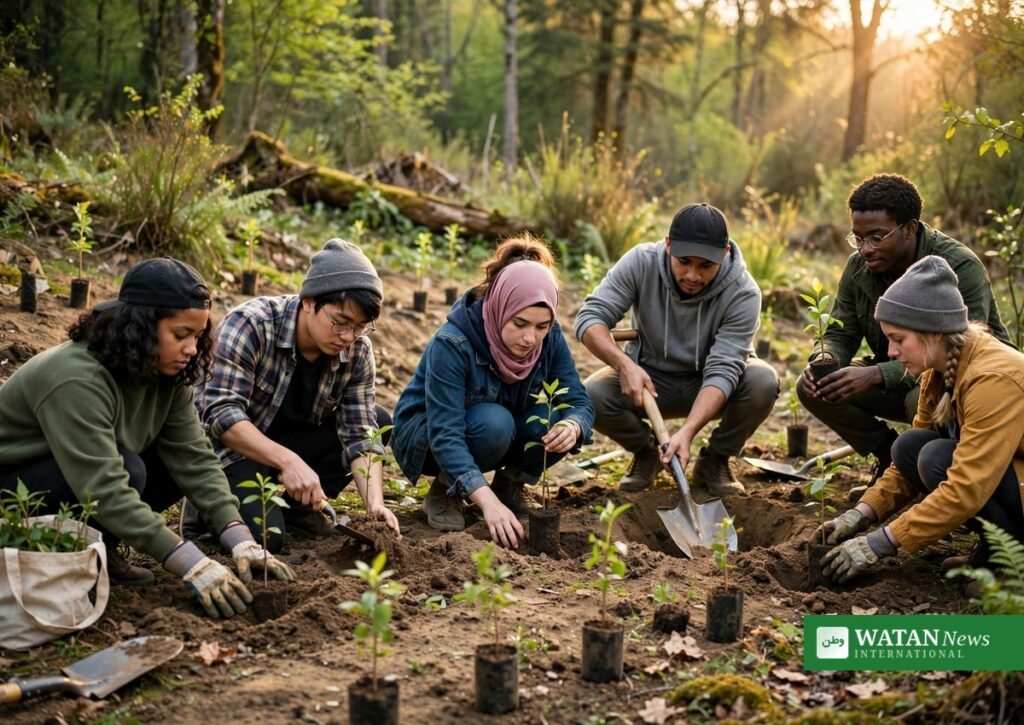
Six winners, six fronts of action
Esther Bonney, 19 — Restoring native biodiversity
Esther Bonney of La Plata, Maryland, founded the nonprofit Nurture Natives in 2022 to promote native biodiversity across the Chesapeake Bay region. The organisation partners with dozens of organisations to run educational programmes and native plant giveaways. According to the announcement, Nurture Natives has engaged more than 15,000 young people, facilitated the planting of 3 million native seeds and restored over 420 acres of habitat across Maryland. In 2024, Nurture Natives received the Presidential Environmental Youth Award from the Biden-Harris administration for restoring natural ecosystems while empowering young people.
Kaitlyn Culbert, 20 — Protecting pollinators
Kaitlyn Culbert of Toms River, New Jersey, is tackling threats facing pollinators. As a high school student she published a study in Harvard’s Journal of Emerging Investigators finding a correlation between greater access to native plants and improved honeybee health and survival, and she created a State-by-State Native Plant Compendium covering all 50 states. In 2023 she worked with New Jersey legislators on the “Parks, Plants, and Pollinators” bill, which would prohibit planting non-native species in state parks and forests. In 2025 she introduced a congressional bill that would ban neonicotinoids on federal lands.
Garrett Ordonez, 21 — Hiking for habitats, rebuilding after wildfires
Garrett Ordonez of Los Angeles, California, founded Hike for Habitats, a student-led organisation at the University of Southern California, after a 2024 summer job with the Southern Nevada Conservancy made him wonder whether recreational hikers could become dedicated conservationists. The group pairs guided hikes with hands-on conservation work. After the 2025 Eaton and Palisades wildfires, Hike for Habitats mobilised volunteers to help with debris removal and recovery efforts in Altadena. The community has grown from a five-person team to 600 people.
Maritza Sanchez, 21 — Turning waste into clean energy
Maritza Sanchez of Cuautlancingo, Puebla, Mexico, grew up surrounded by pollution. As a high schooler she developed a concept for microbial fuel cells that could reuse materials from discarded local waste to generate electricity for energy-poor households and improve water quality along the heavily contaminated Atoyac River. In 2025 she founded Aquayac Energy, where she designs, builds and tests microbial fuel cell prototypes, tests water quality after treatment and measures energy generation. While she is still refining the design, she expects to scale the project and produce 50 functional fuel cells by 2027.
Ojas Sanghi, 21 — School climate action at district scale
Ojas Sanghi of Tucson, Arizona, saw that districtwide climate action could meaningfully lower the Tucson Unified School District’s greenhouse gas emissions, reduce students’ exposure to air pollution and build youth engagement. As co-lead of the Tucson branch of the Arizona Youth Climate Coalition, he mobilised a team of 15 students. Following letter campaigns, climate strikes and a Tucson climate summit led by the coalition, the district adopted what the announcement calls the most comprehensive school climate action resolution in the country in 2024. Sanghi has since led implementation efforts and is helping other student groups replicate the coalition’s success.
Renee Zhao, 19 — Climate education for 300,000 young people
Renee Zhao of Vancouver, British Columbia, Canada, served as director of climate education for the Canadian Youth Climate Action Team from 2024 to 2025. Believing that effective climate solutions must be inclusive and relevant to people’s lives, she developed curriculum resources that make environmental issues accessible for students from elementary through high school. The team’s educational programmes have reached more than 300,000 young people around the globe. In 2025, Zhao helped organise the first-ever BC Students’ Climate Policy Meeting with members of parliament, where youth advocates representing some 10,000 students pushed for environmental education, emission caps and equitable climate policies.
About the Brower Youth Awards
Now in its 27th year, the Brower Youth Awards recognise bold young environmentalists working to build a world where both humans and nature thrive. Since 2000, more than 160 awardees have received the award for achievements across the environmental movement. The programme provides winners with leadership training, networking opportunities and a platform to amplify their work. Sumona Majumdar, chief executive officer of Earth Island Institute, said the winners’ accomplishments — from school climate resolutions to microbial fuel cells built from recycled materials — demonstrate the power of young people in creating solutions for a healthy planet. Earth Island Institute is a Berkeley-based nonprofit that supports environmental changemakers through news and analysis, leadership development, legal advocacy and capacity building.
Why it matters
The six winners show how youth-led projects move from local action to policy: native plant bills, congressional legislation, district climate resolutions and student meetings with parliamentarians. Their work connects habitat restoration, clean energy innovation and climate education — the building blocks of long-term climate resilience. More youth-led climate stories are collected in Watan News’ English climate coverage.