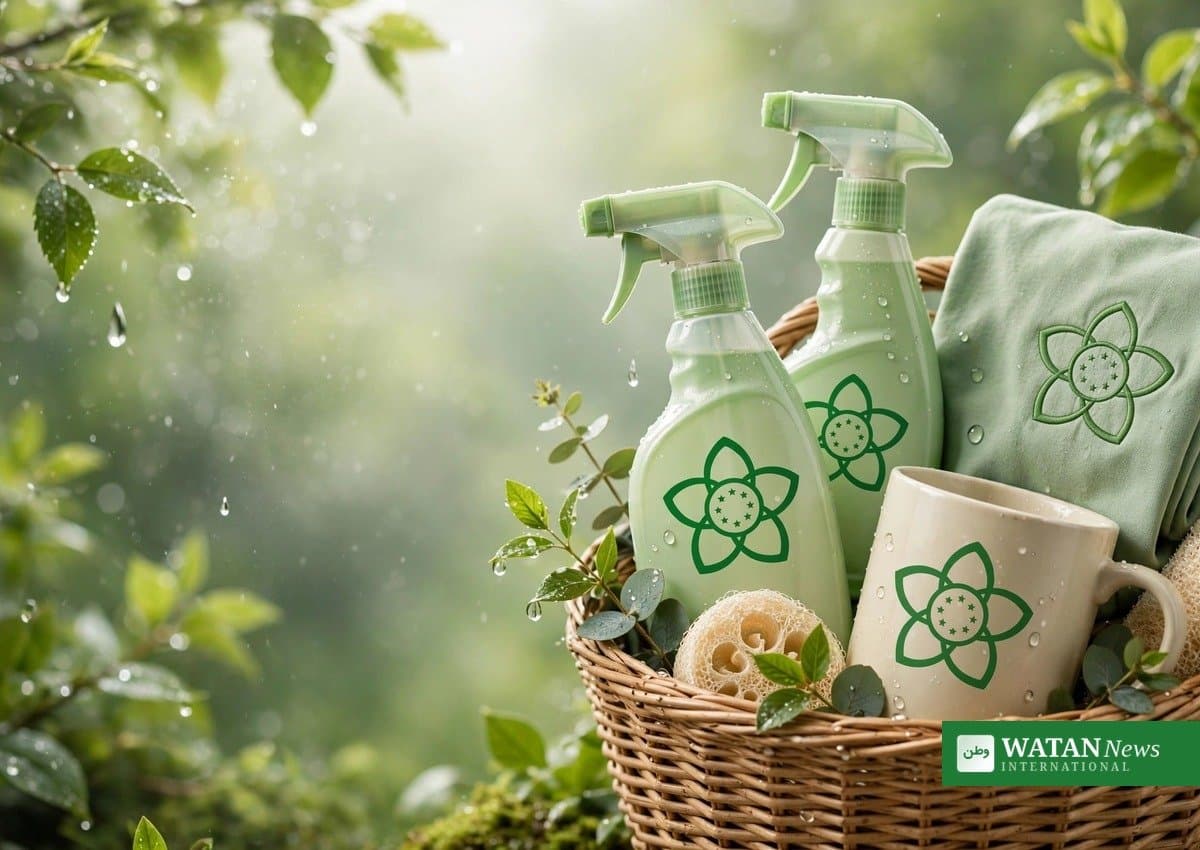
BRUSSELS — Eight out of ten Europeans believe products carrying the EU Ecolabel have a smaller environmental footprint than comparable goods, according to a new European Commission survey published on 8 October 2026 to mark World Ecolabel Day.
The Eurobarometer survey, conducted among 25,566 respondents across the 27 EU member states, found trust in the flower-shaped label has climbed from 75 per cent in 2023 to 81 per cent in 2026. Recognition is rising too: 46 per cent of Europeans now recognise the logo — eight percentage points more than three years ago.
Buying habits are shifting
The survey shows the trust is translating into shopping behaviour. Two in three Europeans (66 per cent) say they often or sometimes buy ecolabelled products, and 46 per cent specifically buy products with the EU Ecolabel — also up eight points since 2023.
Certified range keeps growing
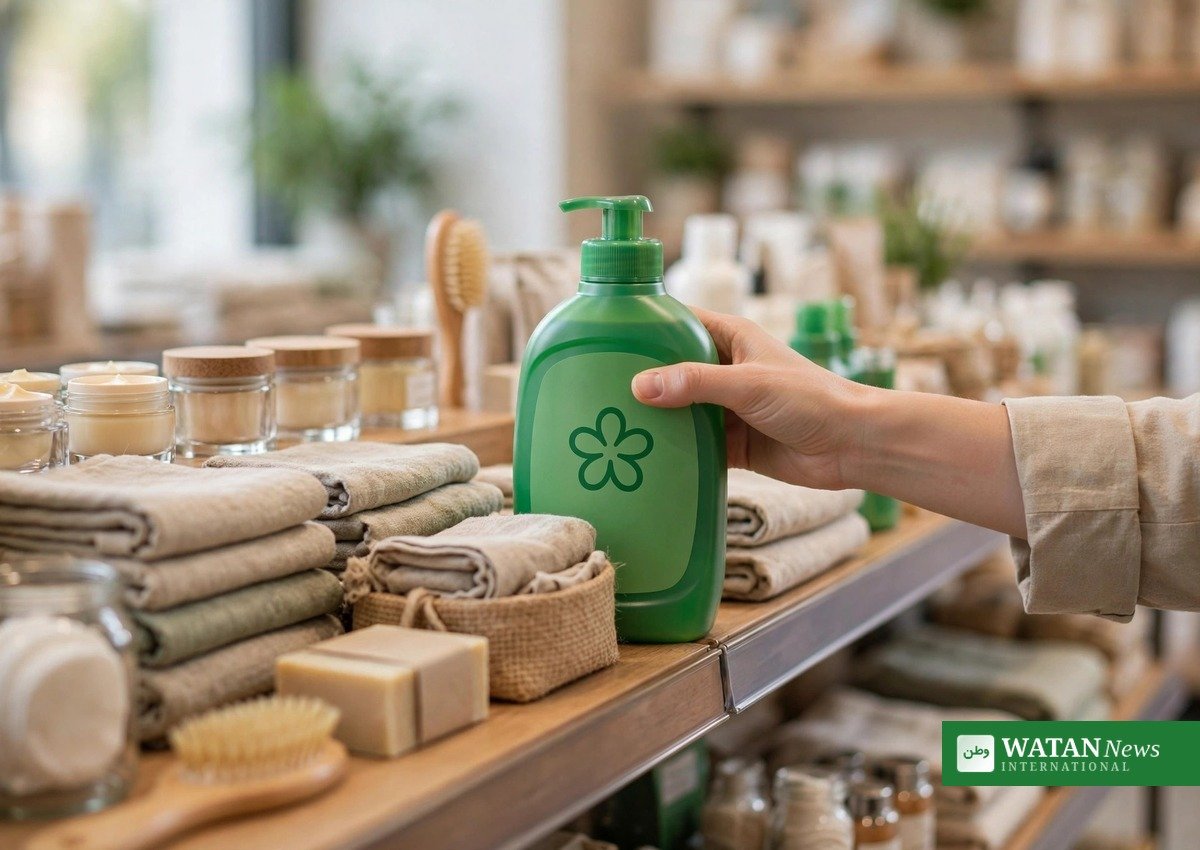
The Commission’s latest supply-side figures show the labelled market is expanding. As of 1 September 2026, 121,083 certified products were covered by 3,665 licences, with more than 4,000 products added since March alone. Over 1,000 tourist accommodation establishments now carry the label, and small and medium-sized enterprises hold 62 per cent of all licences.
Where consumers want more labels
The survey also mapped unmet demand. Half of Europeans (50 per cent) want more ecolabelled detergents, 36 per cent want more labelled textiles and 35 per cent want more labelled cosmetics — a clear signal for manufacturers on where certified products are still missing from shelves.
Big country gaps remain
Recognition varies widely across the bloc. Portugal has the lowest awareness, with 57 per cent of respondents saying they do not know the label — well above the EU average of 42 per cent unaware. Luxembourg tops the list with 71 per cent recognition.
Key facts
- 81% of Europeans trust that EU Ecolabel products have a lower environmental impact, up from 75% in 2023 (Eurobarometer, 8 Oct 2026).
- 46% recognise the flower-shaped logo; 66% often or sometimes buy ecolabelled products.
- 121,083 certified products under 3,665 licences as of 1 Sept 2026; SMEs hold 62% of licences.
- Strongest demand for expansion: detergents (50%), textiles (36%), cosmetics (35%).
- Luxembourg leads on recognition at 71%; Portugal trails with 57% unaware of the label.
What this means for sustainable living
“The EU Eco-Label aims to realize the transition to a clean economy, providing consumers with more reliable sustainable options and, at the same time, helping European companies turn their environmental ambitions into action,” said EU Environment Commissioner Jessika Roswall. “The strong momentum around the label demonstrates the value of this EU certification system, based on trust, which promotes sustainability, strengthens competitiveness and supports innovation across Europe.”
For households, the finding matters because the EU Ecolabel is one of the few certifications backed by independent verification rather than manufacturers’ own claims — a point that has gained weight since the EU’s anti-greenwashing rules began applying this autumn. Read more of our climate and sustainable living coverage on Watan News.
The Commission says it will continue promoting the label as part of its sustainable consumption agenda, with further product groups under review for new criteria.