California’s landmark “Truth in Recycling” law — designed to stop misleading recycling labels on packaging — is now in legal limbo. A federal court blocked the state from enforcing it in July, and in late September the fight took another turn when the judge refused to let two environmental groups join the state’s defense of the law.
The case has become one of the most closely watched legal battles in American waste policy, and its outcome will decide what the familiar chasing-arrows symbol is allowed to mean on products sold in the country’s most populous state.
What SB 343 would do
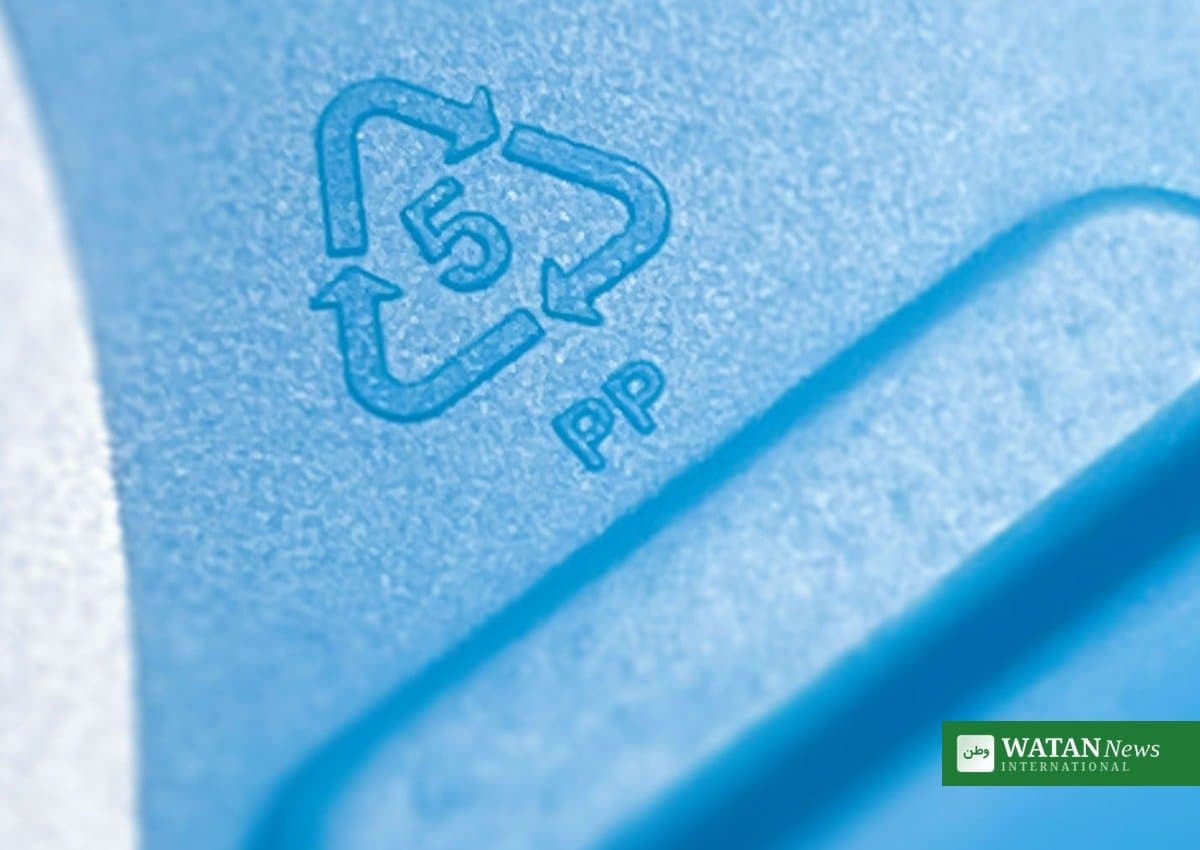
Senate Bill 343 was enacted in 2021 to tackle what lawmakers called widespread consumer confusion around recycling labels. Under the law, companies could no longer place the chasing-arrows symbol, any variation of a recyclability symbol, the word “recyclable,” or any instruction directing consumers to recycle a product or its packaging — unless the material qualifies as “recyclable in the state” under data published by the state’s recycling department, CalRecycle.
The bar is strict. A material can only carry the symbol if it is collected for recycling by jurisdictions covering at least 60 percent of California’s population and sorted into recycling streams by at least 60 percent of the state’s recycling programs — the so-called “60/60” threshold — and if it routinely becomes feedstock for new products or packaging.
The rules were scheduled to apply to products and packaging manufactured on or after October 4, 2026 — 18 months after CalRecycle published its Final Findings Report in April 2025. Products made before that date could continue to be sold with their existing labels, giving companies a sell-through window for pre-existing inventory.
The court fight
In spring 2026, a coalition of 21 food and industry associations filed suit in federal court in San Diego — California League of Food Producers v. Bonta — challenging the constitutionality of the law. The plaintiffs argued the statute violated their free-speech rights and was too vague to follow.
On July 14, 2026, the U.S. District Court for the Southern District of California granted the industry groups’ request for a preliminary injunction, barring the state Attorney General from enforcing SB 343 while the lawsuit proceeds. The ruling rested on two constitutional grounds: first, the court found the law’s provisions so poorly written that they did not give manufacturers fair warning of what was required, making it unconstitutionally vague; second, it held the law could not survive First Amendment scrutiny for commercial speech, concluding that the state had failed to show the law would materially advance its goals of reducing consumer confusion and improving recycling rates.
The injunction does not repeal the law, and the ruling is preliminary — it can be narrowed, lifted, or reversed as the case continues. But for now, enforcement is frozen.
The September twist
Less than two weeks after the injunction, two nonprofit organizations — Earth Island Institute and Californians Against Waste, both co-sponsors of SB 343 — asked the court to let them join the case to help defend the law. The industry plaintiffs opposed the request.
On September 28, 2026, the court denied the motion. While acknowledging that the groups have a significant interest in the law and decades of experience with California’s waste system, the judge ruled they had not shown their interests were inadequately represented by the Attorney General, who shares their interest in defending the law’s constitutionality. The court did, however, invite both groups to file amicus briefs at appropriate stages of the proceedings.
Legal experts note that in the Ninth Circuit, a denial of intervention “as of right” is immediately appealable — meaning the nonprofits could appeal the September 28 order without waiting for the case to conclude, and an appeal could further delay proceedings. The court has scheduled an Early Neutral Evaluation conference for November 4, 2026, with confidential statements due by October 26.
Why this matters for zero waste
Recycling labels sit at the heart of the zero-waste chain. When a package wrongly claims to be recyclable, consumers toss it in the recycling bin — where it can contaminate whole truckloads of otherwise recyclable material. Advocates of the law argue that truthful labeling is a prerequisite for real recycling rates; industry groups counter that the statute’s rigid thresholds would have banned the symbol even from many materials that genuinely get recycled.
Law firms advising consumer-goods companies stress that the risk is not over. Even with the injunction in place, private class-action litigation over environmental claims remains a live threat, and companies selling into California are being urged to continue preparing for compliance. Whatever the court finally decides, the outcome will ripple far beyond California: other states are already copying its truth-in-labeling approach, and the federal plastics-treaty negotiations now heading toward a possible March 2027 deal will be watching how the world’s largest packaging markets define the word “recyclable.”
Key facts
- SB 343 — California’s 2021 “Truth in Recycling” law restricting recycling labels on packaging.
- Compliance date — October 4, 2026, for products manufactured on or after that date; existing inventory may be sold through.
- The “60/60” rule — the symbol allowed only if the material is collected in areas covering 60% of the state’s population and sorted by 60% of recycling programs.
- July 14, 2026 — federal court granted a preliminary injunction blocking enforcement in California League of Food Producers v. Bonta.
- September 28, 2026 — court denied intervention by Earth Island Institute and Californians Against Waste; invited amicus briefs instead.
- Next step — Early Neutral Evaluation conference scheduled for November 4, 2026.
For more on global waste and recycling policy, read more climate news at Watan News International.