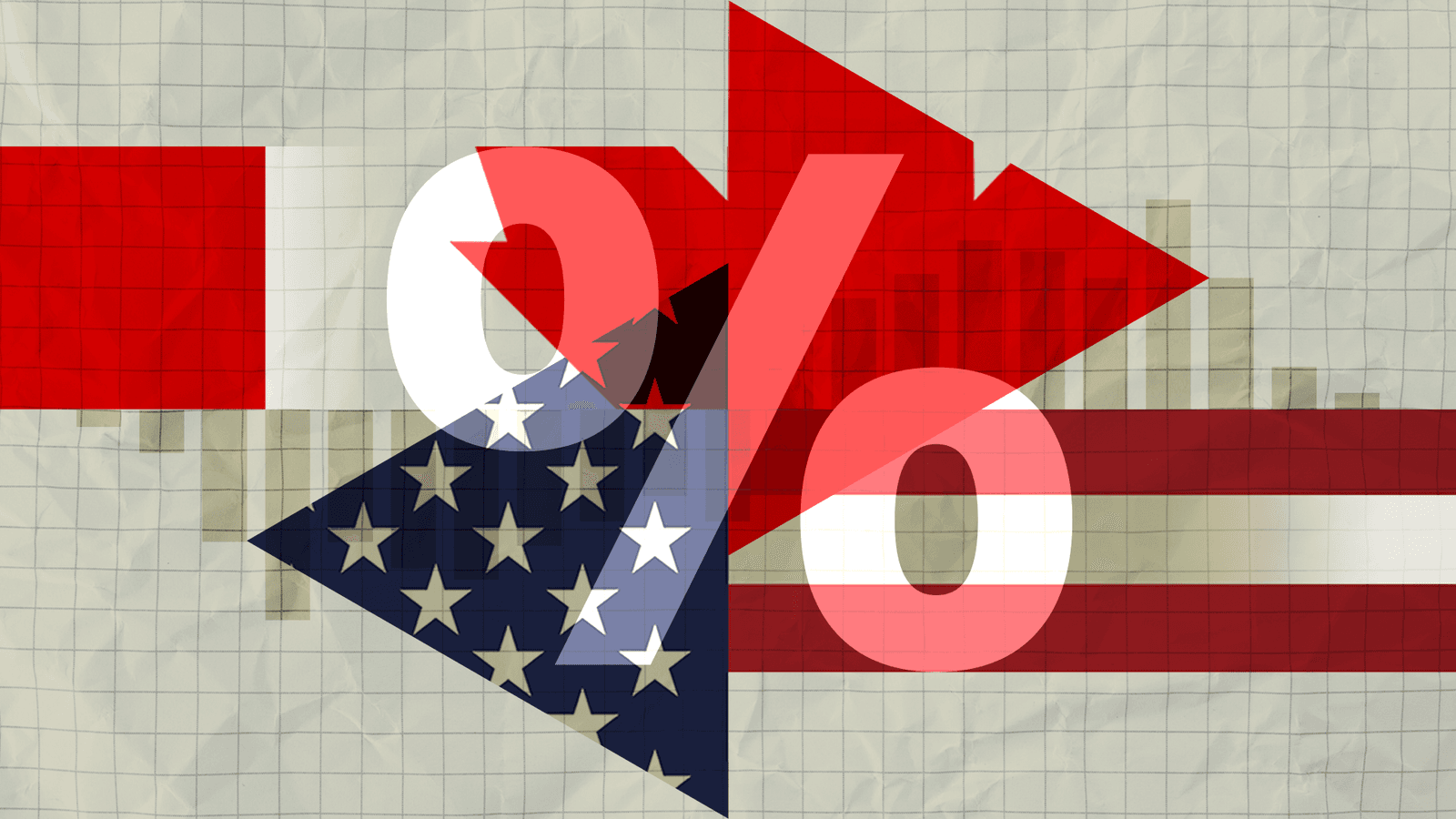
The trade war between the US and Canada has intensified, with Canada imposing retaliatory tariffs on nearly $20bn worth of American goods. Prime Minister Mark Carney has warned that the move will come at a cost, but is necessary to protect Canadian workers. The tariffs, which range from 15% to 50%, will apply to hundreds of items, including steel, furniture, and cotton T-shirts.
The move comes after the US imposed its own tariffs on Canadian goods, including a 25% tax on cars and trucks, as well as taxes on steel, aluminium, and lumber. The US has also imposed new 50% tariffs on other goods like dairy, alcohol, and perfume. Canada’s counter-tariffs are seen as a necessary measure to protect its economy and workers, but are likely to have significant implications for businesses on both sides of the border.
- Canada imposes retaliatory tariffs on nearly $20bn worth of American goods
- Tariffs range from 15% to 50% and apply to hundreds of items, including steel, furniture, and cotton T-shirts
- US has imposed its own tariffs on Canadian goods, including a 25% tax on cars and trucks
Mark Carney’s Video Address
In a video address, Prime Minister Mark Carney said that Canada’s pivot away from the US as its largest trading partner will come at a cost. He added that the counter-tariffs against the US are necessary to protect Canadian workers. “We have everything we need to pivot and prosper,” Carney said. “That pivot will come at a cost. There’s always a cost to action, but it doesn’t come close to the cost of standing still.”
US Response
US trade representative Jamieson Greer has said that Washington will consider imposing tit-for-tat tariffs on Canada as early as Tuesday. “We’ll see this afternoon,” he said in French, speaking to CBC News. President Donald Trump has also threatened to halt all US business with Canada-based airplane maker Bombardier unless it moves its manufacturing south.
Impact on Businesses
The trade war is likely to have significant implications for businesses on both sides of the border. The US economy is about 13 times larger than Canada’s, and the majority of Canadian exports are sold to the US. Businesses are scrambling to deal with the new tariffs and the uncertainty surrounding the trade war.
Canada’s Diversification Efforts
Canada is seeking to diversify its trade relationships and build its economy. Prime Minister Carney has said that his government will support workers affected by the ongoing trade war with the US for as long as it takes. Canada’s levies will apply to nearly $20bn of American products, and will be as high as 50%.
Future of US-Canada Trade Relations
The future of US-Canada trade relations remains uncertain. Both US and Canadian officials have said they would like to strike a deal, but no new talks have been scheduled since negotiations collapsed in late August. The trade war is likely to continue, with both sides imposing tariffs and counter-tariffs on each other’s goods.
For more information on the US-Canada trade war, visit Watan News.
Conclusion
The trade war between the US and Canada is escalating, with both sides imposing tariffs and counter-tariffs on each other’s goods. The move is likely to have significant implications for businesses on both sides of the border, and the future of US-Canada trade relations remains uncertain.
Q1: What led to the US-Canada trade war?
A1: The trade war between the US and Canada began when the US imposed tariffs on Canadian goods, including a 25% tax on cars and trucks, as well as taxes on steel, aluminium, and lumber. Canada responded with retaliatory tariffs on American goods.
Q2: Who are the key officials involved in the trade war?
A2: The key officials involved in the trade war are Prime Minister Mark Carney of Canada, US trade representative Jamieson Greer, and President Donald Trump.
Q3: What are the implications of the trade war for businesses?
A3: The trade war is likely to have significant implications for businesses on both sides of the border, including increased costs, reduced trade, and uncertainty surrounding the future of US-Canada trade relations.
Q4: How will the trade war affect consumers?
A4: The trade war is likely to result in higher prices for consumers on everyday goods that are targeted by tariffs, including steel, furniture, and cotton T-shirts.
Q5: What is the future of US-Canada trade relations?
A5: The future of US-Canada trade relations remains uncertain, with both sides imposing tariffs and counter-tariffs on each other’s goods. The trade war is likely to continue, with significant implications for businesses and consumers on both sides of the border.
Q6: How can I stay up-to-date on the latest developments in the US-Canada trade war?
A6: You can stay up-to-date on the latest developments in the US-Canada trade war by visiting Watan News for the latest news and updates.