NADI / ANTALYA / BONN — Tuesday, 15 September 2026
The road to the 31st UN Climate Change Conference has entered its logistical phase. COP31 is not in session: the summit is scheduled for 9–20 November 2026 in Antalya, Türkiye. Under way is the final pre-COP sprint — Pacific preparatory meetings, accreditation pipelines, and unfinished tracks from mid-year talks in Bonn.
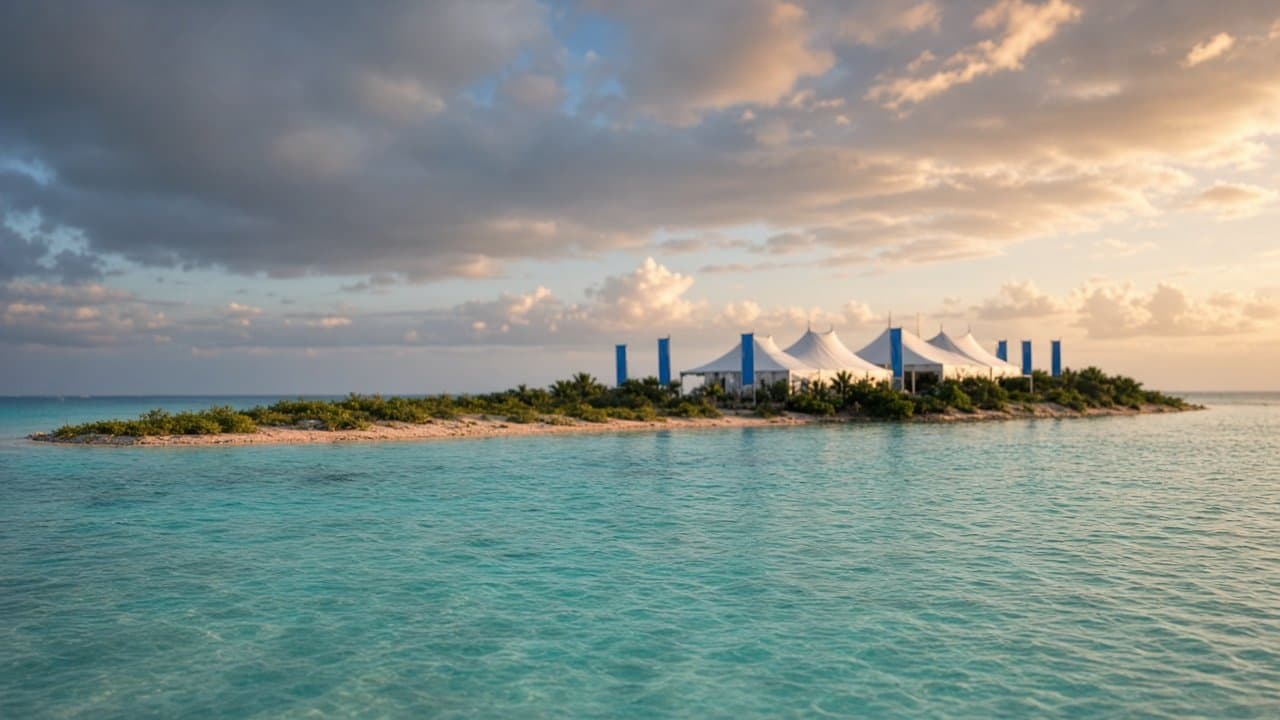
On Tuesday, 15 September, Fiji’s Director of Climate Change, Senivasa Waqairamasi, told the 8th Pacific Meteorological Council that more than 2,000 delegates are expected for Pre-COP31 in Nadi next month, the Fiji Sun reported. The gathering runs 5–8 October across three Nadi venues, with Pacific Champions events on 5–6 October and the main Pre-COP on 7–8 October. A concurrent leaders’ component is planned in Tuvalu on 6 October, after a 5 October travel day, with returns to Nadi for welcome and plenary events. Fiji’s climate minister had earlier cited about 3,000 participants; the Fiji Sun account does not reconcile the two figures.
Waqairamasi also said, according to the Fiji Sun, that organisers had received about 360 side-event expressions of interest, roughly 126 selected, alongside 32 exhibitions, with registration live via Fiji’s climate ministry. The paper attributed preparations to an Australia-hosted partnership with Fiji, Tuvalu and Pacific partners — consistent with Türkiye–Australia modalities agreed at COP30 in Belém in November 2025.
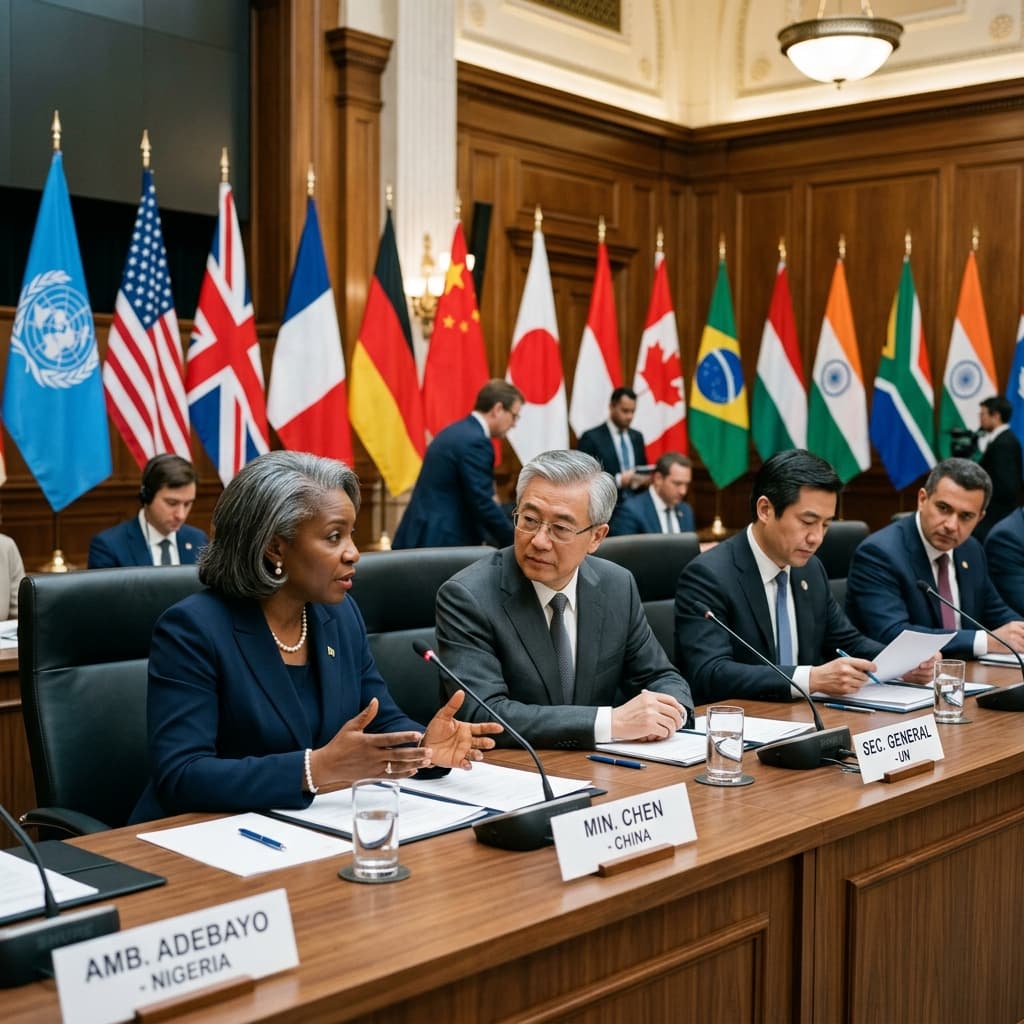
That Pacific calendar sits inside a distinctive institutional settlement. Under an Australian government announcement of 23 November 2025, Türkiye will physically host COP31 and the World Leaders Summit in Antalya and nominate the COP President, while Australia serves as “President of Negotiations,” with what Canberra called “exclusive authority in relation to the negotiations,” including draft texts, co-facilitators and negotiation communications — also reflected in the partnership modalities. Australia’s Climate Change and Energy Minister Chris Bowen holds that role; Türkiye’s Environment, Urbanization and Climate Change Minister Murat Kurum is President-Designate. Legal Response International notes Türkiye remains formal COP President for Rules of Procedure functions. Climate Home News (10–11 September) reported Kurum saying in Trabzon they are “not co-presidents” and final decision lies with the presidency; Anadolu’s hosting messaging has omitted Australia’s negotiation mandate.
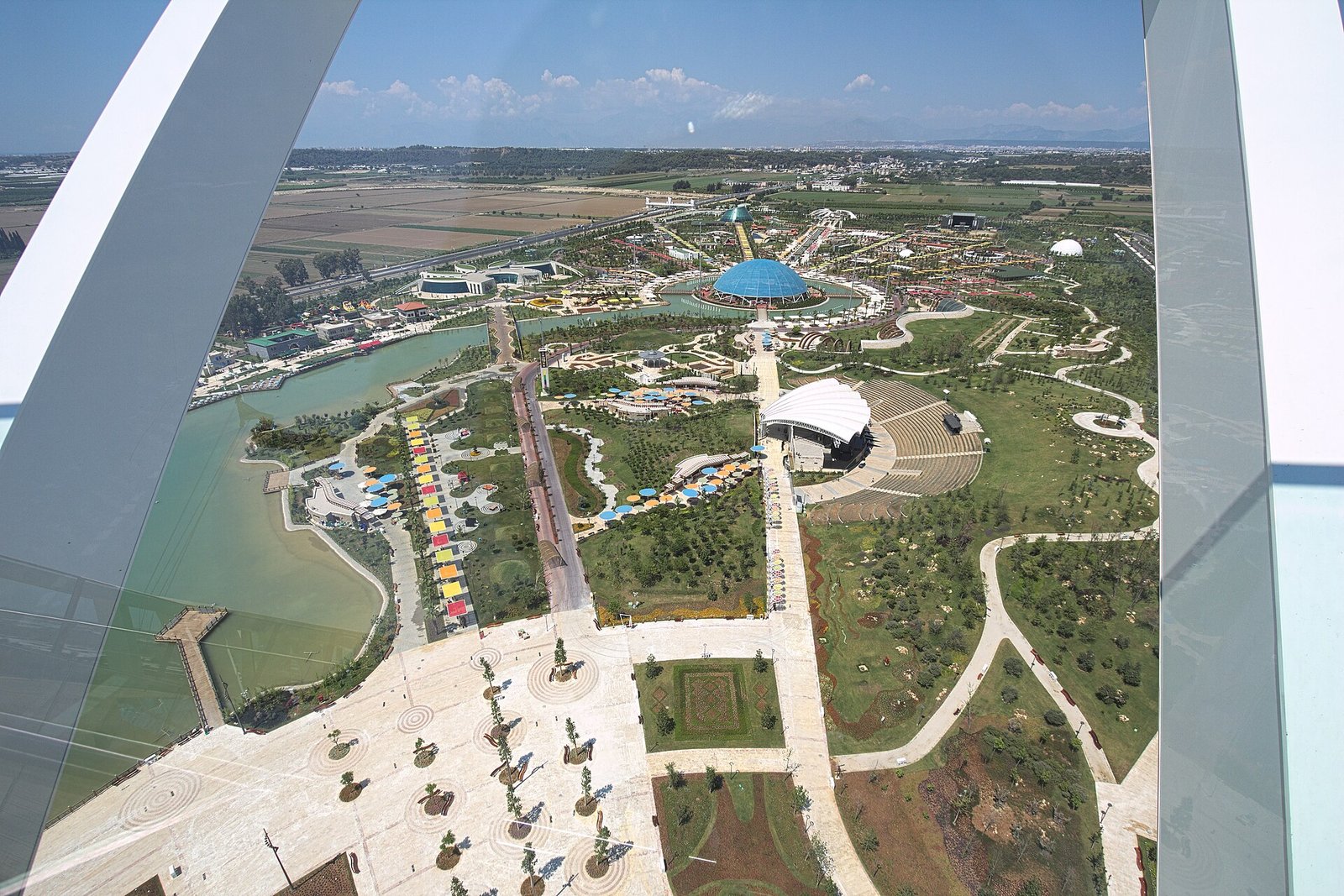
Anadolu reported on 12 September that Türkiye’s Communications Directorate reiterated hosting in Antalya from 9–20 November. COP31 Türkiye’s programme overview lists a World Leaders Climate Action Summit for 11–12 November in Antalya, plus thematic days on energy, cities, finance, oceans and implementation. UNFCCC participant guidance identifies the Antalya EXPO Center as the venue; Online Registration System access opened in July 2026 (Parties from 20 July).
Why Antalya matters — and what Bonn left unfinished
COP31 is the first full COP after Belém’s “implementation” framing, amid pressure to convert Paris Agreement architecture into finance, adaptation metrics and credible post-2030 NDCs. The shared presidency grew from WEOG deadlock between Australia’s Pacific-facing bid and Türkiye’s Antalya campaign — a split Legal Response International and government materials call novel for dividing logistics and core presidential negotiation functions.
Subsidiary-body talks in Bonn (SB64, 8–18 June) left much unresolved. Carbon Brief characterised the meeting as producing few tangible agreements amid “gridlock,” with climate-finance disputes across rooms. Parties failed to agree text on the Global Goal on Adaptation and the Mitigation Work Programme; both went forward under Rule 16 to COP31. A package on the just transition work programme and emerging Belém–Antalya mechanism advanced further. Developing-country groups pressed for COP31 agenda space on Article 9.1 after COP30 president André Corrêa do Lago requested the item — a request Carbon Brief noted is not binding.
Adaptation finance remains sensitive. COP30’s “global mutirão” decision called for efforts to at least triple adaptation finance for developing countries by 2035, but Carbon Brief reported that key details — baseline, contributors and what counts — were left incomplete, and Bonn attempts to embed that language in adaptation text stalled. The New Collective Quantified Goal still points toward roughly $300 billion a year by 2035, with a more aspirational $1.3 trillion pathway also cited; donor cutbacks since 2024 have sharpened delivery scepticism.
Action Agenda versus party-driven negotiations
In late August, Kurum’s third letter to Parties — summarised by COP31 Türkiye, edie and the IISD SDG Knowledge Hub — cast the Action Agenda as a presidency-led, voluntary platform around ten priority themes with measurable 2035 reference points. Those presidency proposals include raising electricity’s share of global final energy consumption to 35%; cutting projected municipal solid-waste growth by at least 50%; reducing building energy-use intensity by at least 25%; and lifting circular material-use rates to at least 15%, plus themes on youth, food, oceans, health, Rio Convention synergies and a “Climate Implementation Bridge.” Presidency materials and Bowen’s Bonn comments stress the Agenda is distinct from consensus negotiations.
Kurum has urged outstanding Biennial Transparency Reports, post-2030 NDCs and National Adaptation Plans — creating no new legal obligations. Pacific organisers have framed Pre-COP around keeping 1.5°C within reach, climate-finance access, the ocean–climate nexus and Pacific leadership, according to Australia’s DCCEEW materials. On 3 September, Pacific Islands News Association reported Tuvalu Climate Change Minister Maina Talia saying all Pacific Island countries had confirmed participation in the Tuvalu leaders component, along with six global leaders — above the three to five earlier expected. Separate reporting has named Antigua and Barbuda, Cabo Verde, Thailand, Maldives and Timor-Leste as incomplete and not final; no authoritative public roster of the six has been published.
What to watch before November
Confirmed or strongly reported milestones include Pre-COP in Fiji and the Tuvalu leaders component in early October; UNFCCC accreditation into early November; the World Leaders Summit on 11–12 November in Antalya; and thematic programming across the two-week COP.
For climate practitioners, the test is whether shared leadership can unlock landing zones on adaptation metrics and finance, mitigation follow-through, just-transition design, and NDC and transparency delivery — while giving Pacific states unusual agenda-setting visibility without hosting. Bonn showed how quickly finance disputes freeze texts; Antalya will test whether Pre-COP visibility, Action Agenda signalling and Australia’s mandate can deliver decisions Parties adopt.
As of 15 September 2026, the story remains pre-summit mobilisation: badges, venues, side-event selection, leaders’ travel to a low-lying atoll state, and a docket still crowded with unfinished Bonn work.