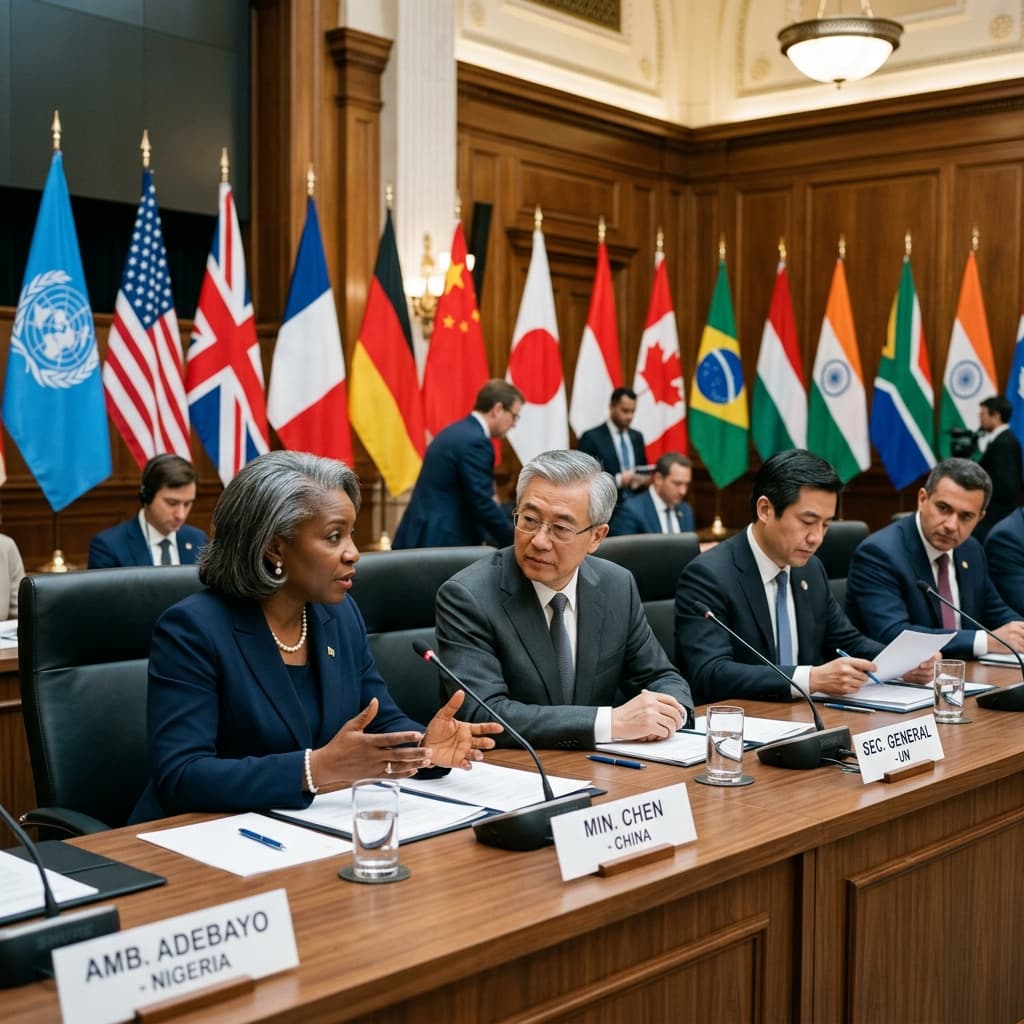

Most governments have no standalone national strategy for climate information integrity, according to the first global mapping of its kind. The interim report, published in October 2026 by the Forum on Information and Democracy (FID), examined how 23 countries and the European Union respond to misleading and false information about climate change and the environment — and found a patchwork of borrowed laws, with almost nothing written specifically for climate.
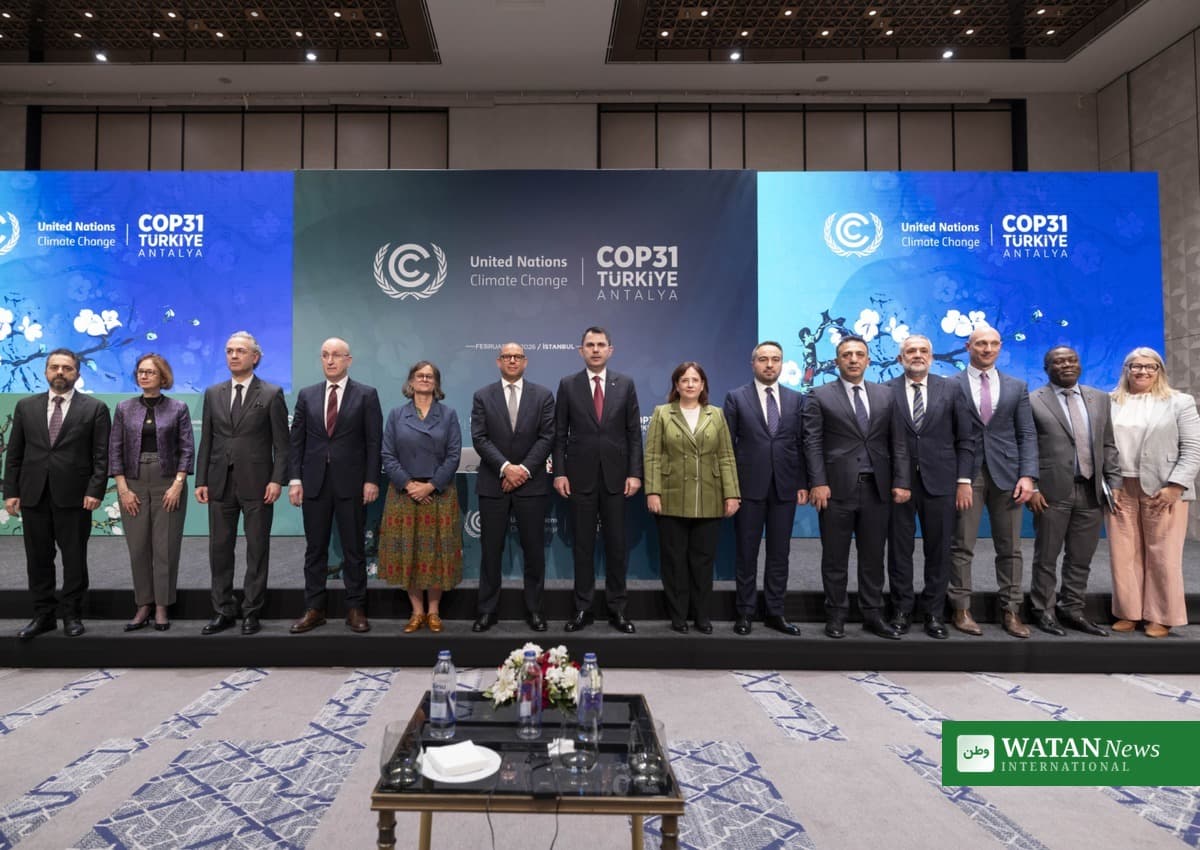
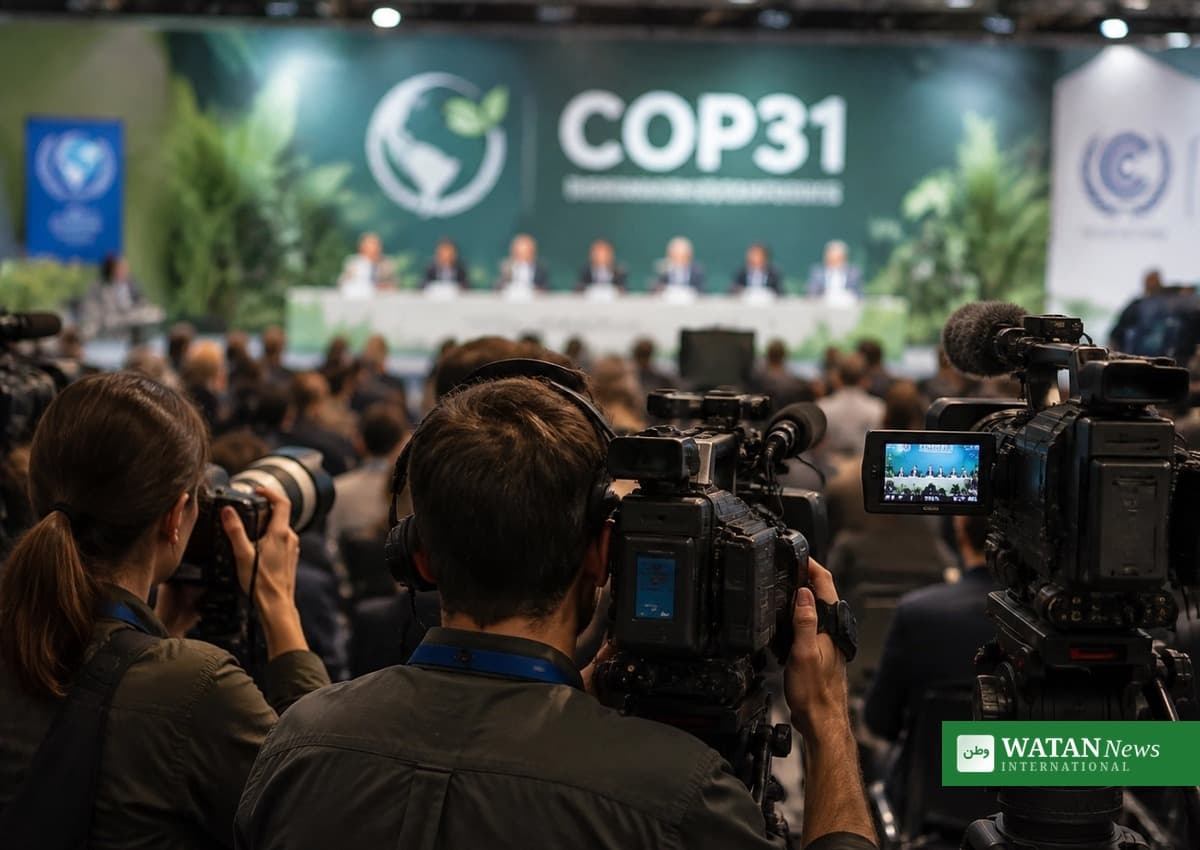
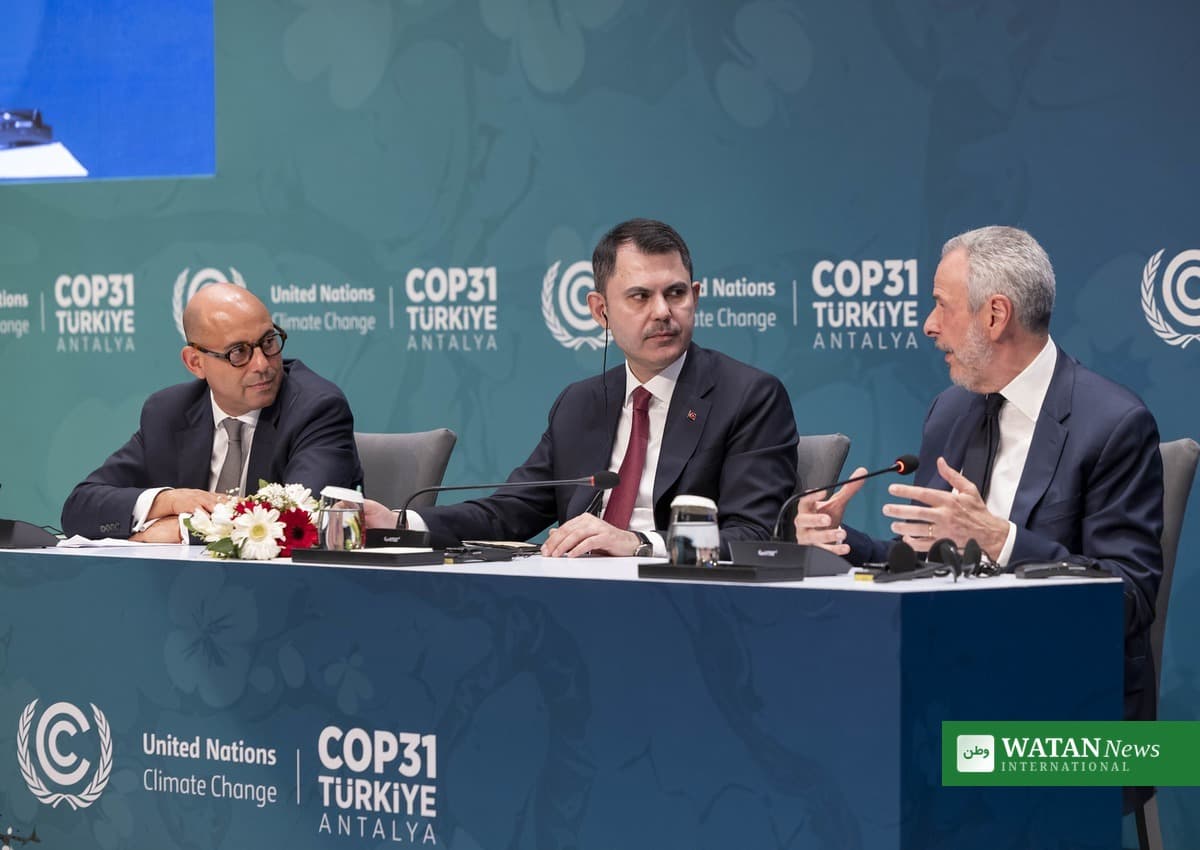
Instead of dedicated strategies, governments rely on a combination of digital and platform rules, climate laws, media regulation, advertising rules and consumer protection law. None of those instruments, the report says, contains specific provisions for climate or environmental topics. The findings were presented at the COP31 climate talks in Antalya, Türkiye, where information integrity was also on the negotiating agenda.

What the mapping found
The mapping was carried out by FID’s Workstream on Strengthening Information Integrity on Climate Change and the Environment, launched in February 2025 and co-chaired by the governments of Armenia and Brazil under the International Partnership for Information and Democracy. Twelve countries answered detailed questionnaires — Australia, Brazil, Bulgaria, Canada, Finland, France, Georgia, Italy, North Macedonia, Portugal, Ukraine and Uruguay — and researchers held interviews with government and civil society representatives in ten more, including Poland, South Africa and Türkiye. The workstream met four times during 2026, most recently on 16 September.
The report stresses that its findings are illustrative rather than comprehensive, because they rest on a limited number of country replies in a fast-moving policy area. Even so, the picture is consistent: political attention to the problem has grown, but comprehensive action has not followed.
Brazil is singled out as the country that has gone furthest. Alongside leading COP30 in 2025, Brazil created a cross-ministerial architecture for the issue, put forward a draft bill that could enshrine information integrity on climate into law, strengthened its media-literacy policies and continued to run its National Chapter of the Global Initiative for Information Integrity on Climate Change. Other countries have signalled similar intentions: Poland’s Ministry of Climate and Environment set up a Climate and Environmental Disinformation Prevention Unit in October 2025, Australia’s Senate appointed a Select Committee on Information Integrity on Climate Change and Energy that put forward wide-ranging recommendations, and French President Emmanuel Macron announced a national plan on access to climate and environmental education in May 2026.
Where climate information integrity falls short
Platform regulation is one of the clearest gaps. Recent rules have been driven mainly by concerns about illegal content and harms to children, and most of them say nothing about climate. The report notes that media reports have found conversational chatbots amplifying climate mis- and disinformation, and civil society organisations have warned that generative AI could allow such content to be produced at scale. Respondents told the researchers that generative AI is turbocharging the production and circulation of misleading climate narratives, making accurate, science-based information harder to recognise and eroding trust.
Advertising and greenwashing rules are also only partly adapted to the challenge. France offers one of the sharpest examples of enforcement: the regulator Arcom fined broadcast media over failures to correct misleading statements about climate change, a decision upheld by the country’s highest administrative court. Cities and local governments are playing a growing role too, adopting advertising restrictions and leading local campaigns against mis- and disinformation.
Journalism remains the blind spot
The protection of environmental journalists is frequently folded into general criminal law and constitutional press-freedom protections, the report finds, rather than addressed on its own terms. Several governments have adopted national action plans for the protection of journalists and anti-SLAPP laws against abusive lawsuits designed to silence critics. But most countries reported having no dedicated mechanisms to fund or secure the sustainability of climate and environmental public-interest journalism — a gap the Forum describes as a blind spot, just as newsrooms face declining traffic and falling advertising income. Portugal’s National Media Action Plan and the UK’s Local Media Action Plan are cited as steps in the other direction.
The gap matters because the risks are real. UNESCO has found that more than 70 per cent of environmental journalists surveyed report attacks, threats or pressure, and 44 have been killed since 2009. Reporters Without Borders has documented nearly 30 journalists murdered since 2015 for covering environmental issues, with almost 90 per cent of the killings in South and Southeast Asia. At the same time, global news coverage of climate change fell 14 per cent in 2025 compared with 2024, according to the Media and Climate Change Observatory at the University of Colorado Boulder.
Some countries also report that climate disinformation is being used as a tool of foreign interference. Ukraine, Estonia and Poland told the researchers about a growing weaponisation of climate and environmental issues by foreign state-aligned interests, specifically the Russian Federation — a pattern the report groups under foreign information manipulation and interference.
The COP31 connection
The report was written to feed directly into the COP31 talks. Its findings were discussed in Antalya, and the Action for Climate Empowerment (ACE) framework — the part of the negotiations covering education, public awareness and access to information — was the only item on the COP31 agenda that dealt directly with information integrity. The Belém Declaration on Information Integrity on Climate Change, adopted at COP30, has been endorsed by 15 of the countries analysed in the mapping, and by 29 countries and the European Union overall.
The Forum presented the report’s preliminary results at its workstream meeting on 16 September 2026 and unpacked them in a public webinar on 4 November, days before COP31 opened. A final report is expected to follow, building on the same mapping.
The announcement of five grassroots grants by UNESCO on 24 November — for projects in Bangladesh, Bolivia, Pakistan, Tunisia and Uganda that combine research, investigative journalism and community participation — shows the same agenda moving from mapping to money. Read more: UNESCO names five grassroots grantees to strengthen climate information integrity. And at COP31 itself, Reporters Without Borders called on governments to put the protection of environmental journalism at the heart of climate action: RSF at COP31: Protect Environmental Journalism to Fight the Climate Crisis.
Key facts
- Report: “Mapping International Policy and Regulatory Frameworks for Climate and Environmental Information Integrity”, interim report of the FID Workstream on Strengthening Information Integrity on Climate Change and the Environment, October 2026.
- Coverage: 23 countries and the European Union; 12 countries answered questionnaires, with interviews in ten more.
- Main finding: Most governments have no standalone national strategy for climate information integrity; existing laws are non-subject-specific.
- Most comprehensive: Brazil — cross-ministerial architecture, draft bill, media-literacy policies, National Chapter of the Global Initiative for Information Integrity on Climate Change.
- Journalism gap: Most countries have no dedicated funding mechanism for climate and environmental public-interest journalism.
- COP31 link: Findings discussed at COP31 in Antalya; the ACE framework was the only negotiation item directly covering information integrity.
- Belém Declaration: Adopted by 15 of the countries analysed, and endorsed by 29 countries and the European Union overall.