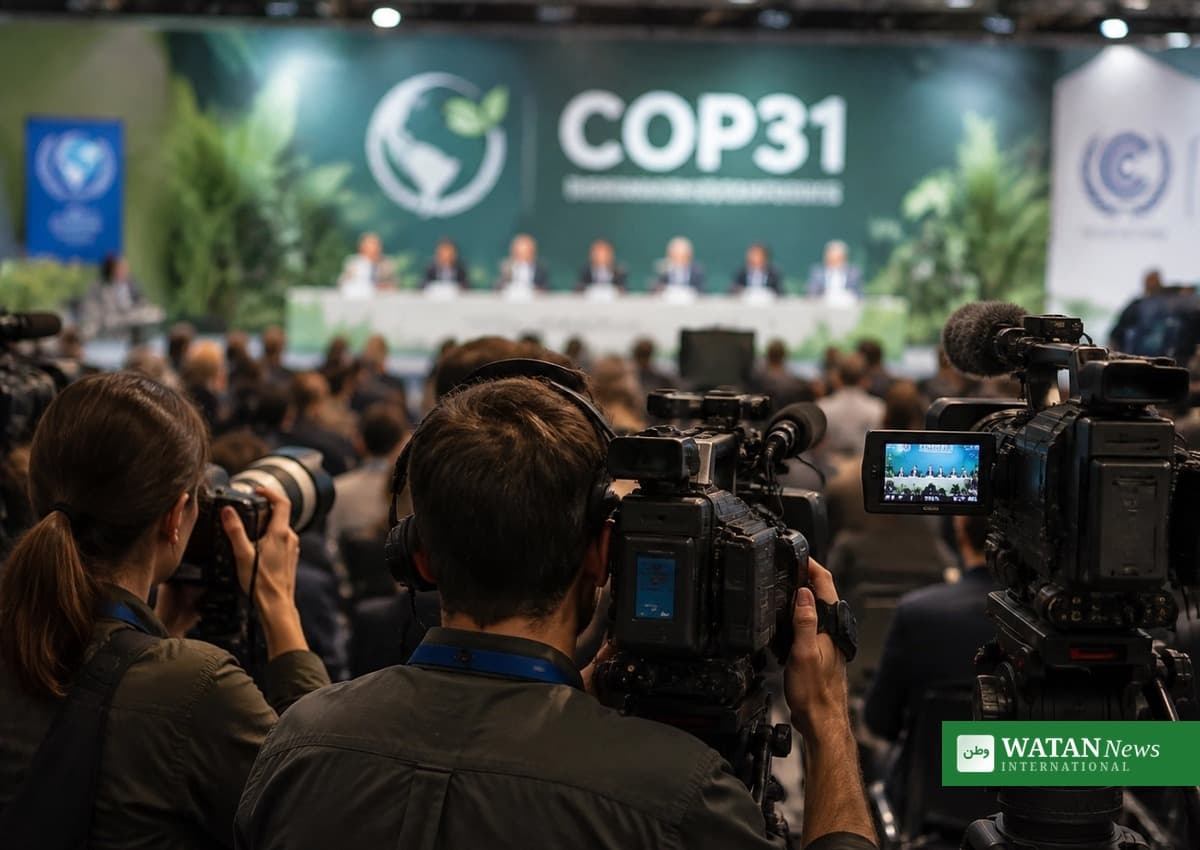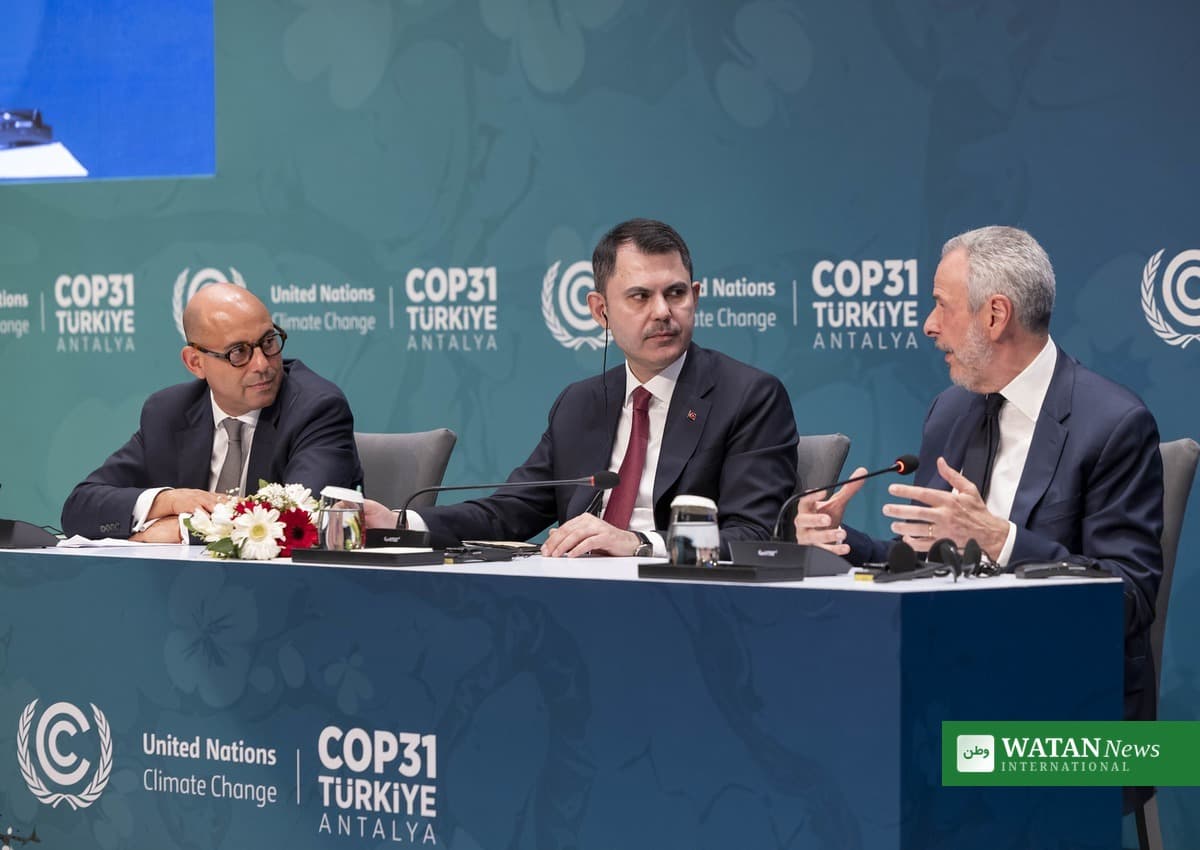

Reporters Without Borders (RSF) has called on governments at the COP31 climate summit in Antalya to put the protection of environmental journalism at the heart of climate action, warning that without reporters who investigate environmental harm, both the damage and the solutions stay hidden.
The call, carried on 20 November 2026 as COP31 entered its final days, sets out three demands: protect journalists who investigate environmental abuses, combat climate disinformation, and secure the funding that keeps independent environmental journalism alive.
“Without journalists to investigate, document and expose attacks on the environment — be it deforestation, illegal land use, or pollution — the consequences for communities worldwide and the solutions needed to create real change remain hidden,” said RSF editorial director Anne Bocandé. “The integrity of our information ecosystems is essential for a sustainable future on our planet. Yet, journalists and reliable information are currently being stifled.”
Three demands for COP31
1. Protect those who investigate environmental abuses
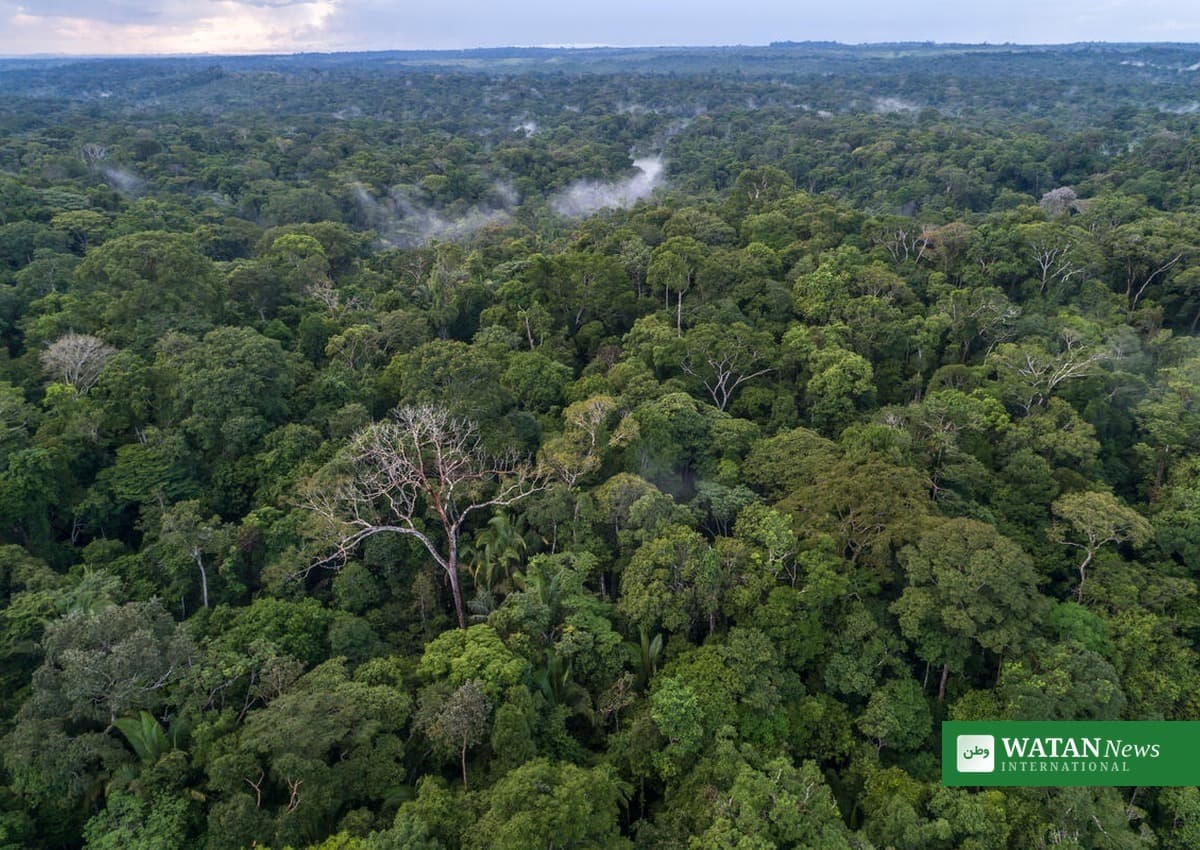
Threats, assaults, arbitrary arrests, gag lawsuits and harassment campaigns are all used to silence journalists who cover climate and environmental issues, RSF said, from Europe to Cambodia, from Ghana to the Amazon to India.
According to RSF data, nearly 30 journalists have been murdered since 2015 for covering environmental issues. The killings are highly concentrated: South and Southeast Asia account for nearly 90 percent of these murders. RSF has also documented online smear campaigns aimed at discrediting and intimidating environmental journalists.
RSF calls on governments to strengthen mechanisms to protect environmental journalists, to guarantee their access to the locations they need for investigative work, and to combat impunity for crimes committed against these reporters. The protection of news professionals who report on the climate crisis must become a priority for national policies and international cooperation, the organisation said.
2. Combat climate disinformation
The climate crisis is also an information crisis, RSF said. On social media and other online platforms, misleading content and climate-sceptic rhetoric have greater visibility and generate more revenue than verified information, while reliable sources of scientific and environmental information are being undermined and even censored.
An international declaration on information integrity on climate change, endorsed by 29 countries and the European Union, was launched at COP30 in Belém, Brazil. RSF said the countries that endorsed it should now translate those commitments into concrete action in Antalya.
The organisation calls for an end to the monetisation of climate disinformation, for digital platforms to be held accountable, and for guarantees that their business models do not favour the dissemination of misleading content at the expense of quality journalism.
3. Ensure the viability of environmental journalism
Protecting journalists and combating disinformation are not enough if independent media do not have the resources to continue their work, RSF said. Environmental investigations are often lengthy, costly and risky, yet the newsrooms carrying them out remain highly vulnerable financially, while disinformation content often benefits from strong distribution and funding mechanisms.
RSF calls for long-term support for independent media, for stronger funding mechanisms for public-interest journalism and for greater recognition of the work of environmental journalists.

The risks reporters face
The International Press Institute (IPI), which also took part in COP31, published its own call on states to recognise the vital role of independent journalism in tackling the climate crisis. Between March 2025 and March 2026, IPI documented 45 threats and violations affecting 58 journalists covering climate and environmental stories in Africa. State actors were responsible for 62 percent of them.
IPI research in six African countries found that even where access-to-information laws exist, journalists’ requests on climate and environmental issues can go unanswered, or yield incomplete information only after decisions have already been made. IPI has also documented how powerful actors use strategic lawsuits against public participation, known as SLAPPs, to burden climate and environmental journalists and activists with lengthy, costly litigation.
“Independent journalism is essential to addressing environmental harm and climate change,” IPI executive director Scott Griffen said. “Those who care about the climate must also care about the journalists who risk their safety to show how climate change and environmental damage affect communities around the world.”
UNESCO has reported that more than 70 percent of environmental journalists surveyed have faced attacks, threats or pressure, and that 44 environmental journalists have been killed since 2009.
Access to information at the centre
RSF submitted a contribution to the review of the Glasgow work programme on Action for Climate Empowerment, known as ACE. Adopted at COP26 in 2021 for a period of 10 years, the programme aims to enable all members of society to play an active role in the fight against climate change. It has now reached its halfway point, and the decisions taken at COP31 will determine its direction for the coming years.
RSF editorial director Anne Bocandé took part in the High-Level Conference on Access to Climate and Environmental Information, co-organised by the Forum on Information and Democracy, on Saturday 14 November in Antalya.
IPI urged states that have not yet signed the COP30 declaration on information integrity on climate change to do so, called on signatories to publish implementation plans with clear timelines, and asked for the declaration’s key issues to be included in the ACE agenda. During an IPI-organised side event on public access to climate and environmental information at the summit, IPI encouraged the declaration’s signatories, including COP31 host Türkiye, to follow through on their commitments.
Support reaching reporters on the ground
The need for practical support was visible at COP31 itself. The Jospong Group of Companies sponsored 21 Ghanaian journalists to cover the summit in Antalya, funding their flights, accommodation, local transport and daily allowances so they could report on the negotiations first hand.
Alexander Adi, assistant manager for news at GBC News, said the sponsorship gave Ghanaian reporters access to negotiations they would otherwise have had to cover from afar. “Without that support, many Ghanaian journalists simply would not be here in Antalya to witness these negotiations, to pose the tough questions, and to tell Ghana’s climate story in our own voice,” he said, adding that the funding came with a responsibility to report independently and to hold all actors accountable.
The same month, the SEAL Awards named twelve winners of its 2026 Environmental Journalism Awards, honouring reporters whose work has deepened public understanding of the climate crisis — a reminder that the journalism RSF and IPI are defending is being produced, and recognised, even as the threats against it grow.
What happens next
COP31 closed on 22 November without an overarching pact, after the longest climate summit on record. IPI called on states to make access to climate and environmental information a priority now at COP31 and to carry that commitment forward to COP32 in Addis Ababa in 2027 and beyond.
For RSF, the test is whether the countries that endorsed the COP30 declaration on information integrity turn their words into action: protecting the reporters, funding the newsrooms, and holding the platforms to account.
Key facts
- Reporters Without Borders issued three demands at COP31: protect environmental journalists, combat climate disinformation, and secure the viability of environmental journalism.
- Nearly 30 environmental journalists have been murdered since 2015, and about 90 percent of those killings happened in South and Southeast Asia, according to RSF.
- IPI documented 45 threats and violations affecting 58 journalists covering climate and environmental stories in Africa between March 2025 and March 2026.
- An international declaration on information integrity on climate change, endorsed by 29 countries and the European Union, was launched at COP30 in Belém.
- The Glasgow work programme on Action for Climate Empowerment, adopted at COP26 in 2021 for ten years, has reached its halfway point.