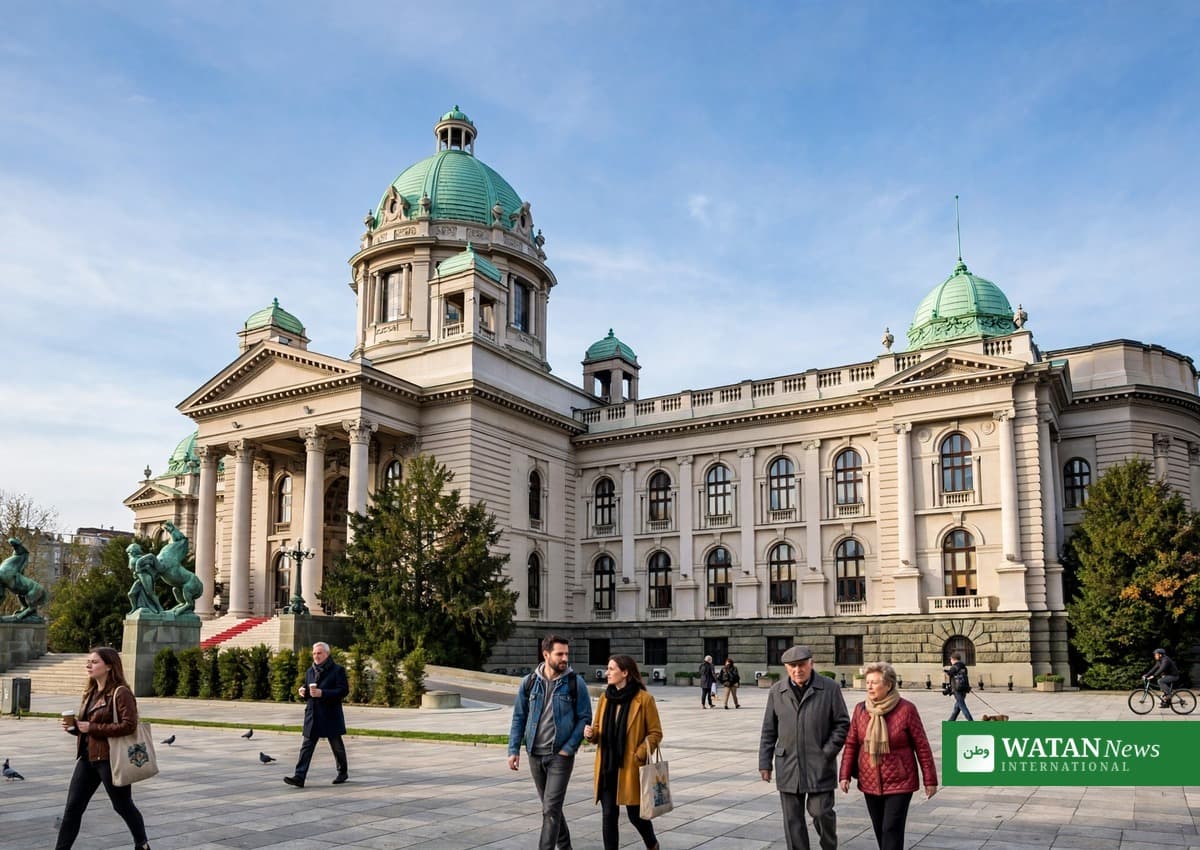
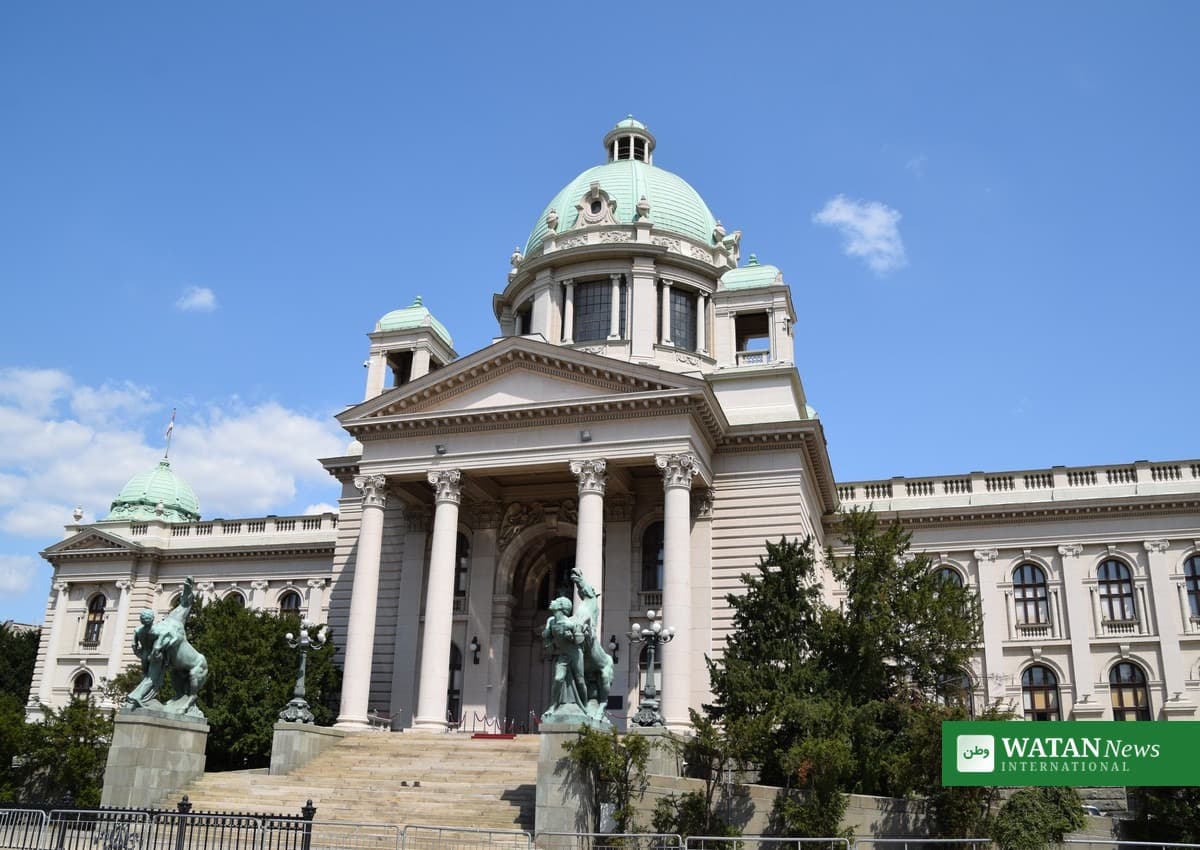
Serbia's student movement, which swept to a landslide victory in the October 25 parliamentary election, has still not named a prime minister or a cabinet a month later, leaving the country without a new government as a series of critical deadlines approaches. Officials said this week that a government may not be formed until the new year, raising the risk that Serbia misses its budget deadline and fails to secure its gas supplies for the winter. The delay follows nearly two years of anti-corruption protests that ended the long rule of populist leader Aleksandar Vucic. While the movement has the votes to govern, its leaders say they are taking time to review every major decision before choosing who will lead the country.
FAKTA
- Election: Student-backed candidates won the October 25 parliamentary election in a landslide, ending Aleksandar Vucic's long rule.
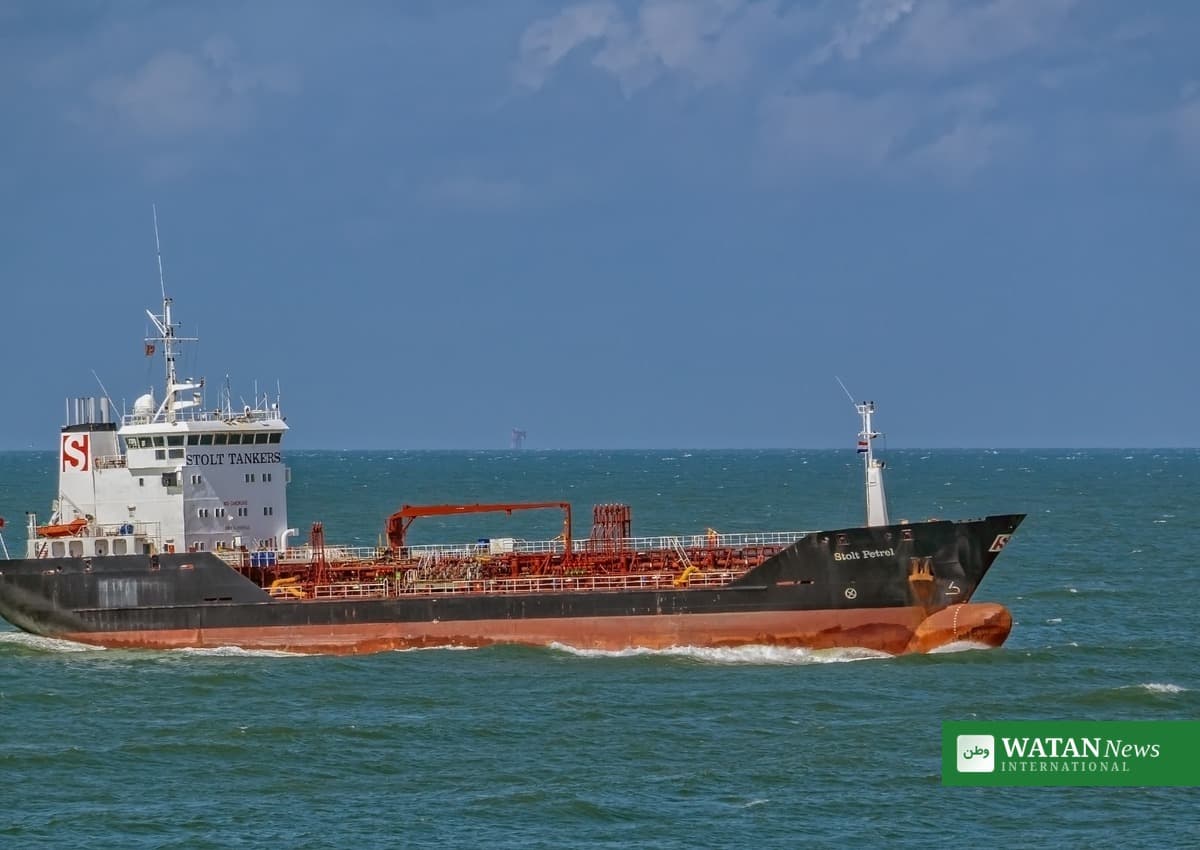
- Deadlines: December 11 — the United States Treasury licence letting Serbia's only oil refinery operate expires; December 20 — the 2027 budget must pass; December 31 — the Russian gas supply contract ends.
- Constitutional limit: The government must be formed by February 15, 2027, or a new parliamentary election must be called.
- Parliament: Convened November 17; Student List lawmaker Aleksandar Cupic was elected speaker and serves as interim president until the December 27 presidential election.
- Energy: Serbia depends on Russia for around 80 percent of its natural gas, delivered through the TurkStream pipeline via Bulgaria.
Serbia’s student movement faces three deadlines
Three deadlines fall before a new government is likely to take office. On December 11, a United States Treasury licence that allows Serbia's only oil refinery to keep operating expires. On December 20, parliament must pass the 2027 national budget; missing that date would force three months of temporary financing from January 1. And on December 31, the country's gas supply contract with Russia comes to an end. Student List faction leader Jovo Bakic said this week that a government would not be formed until the second half of December at the earliest, while deputy Oliver Toskovic said the movement already had the backbone of a government and planned to cut the number of ministries from 25.
Energy security at stake
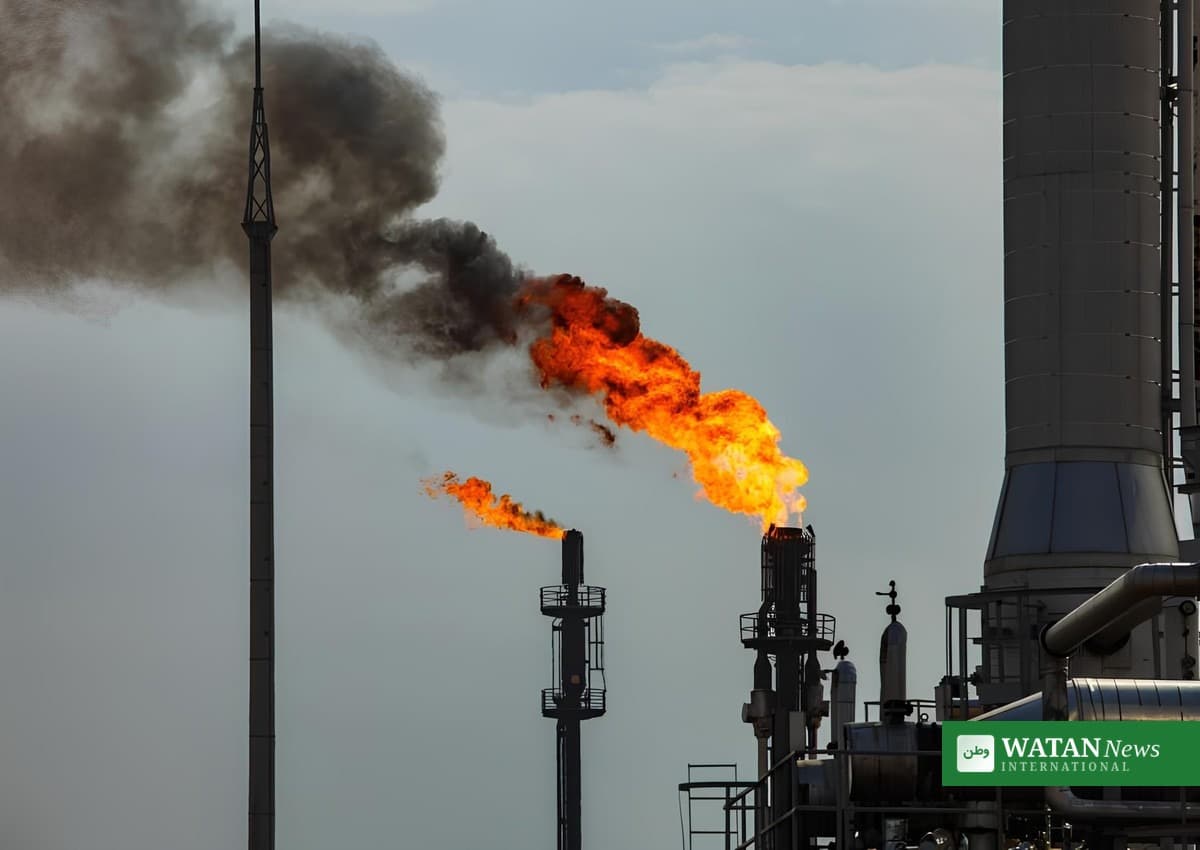
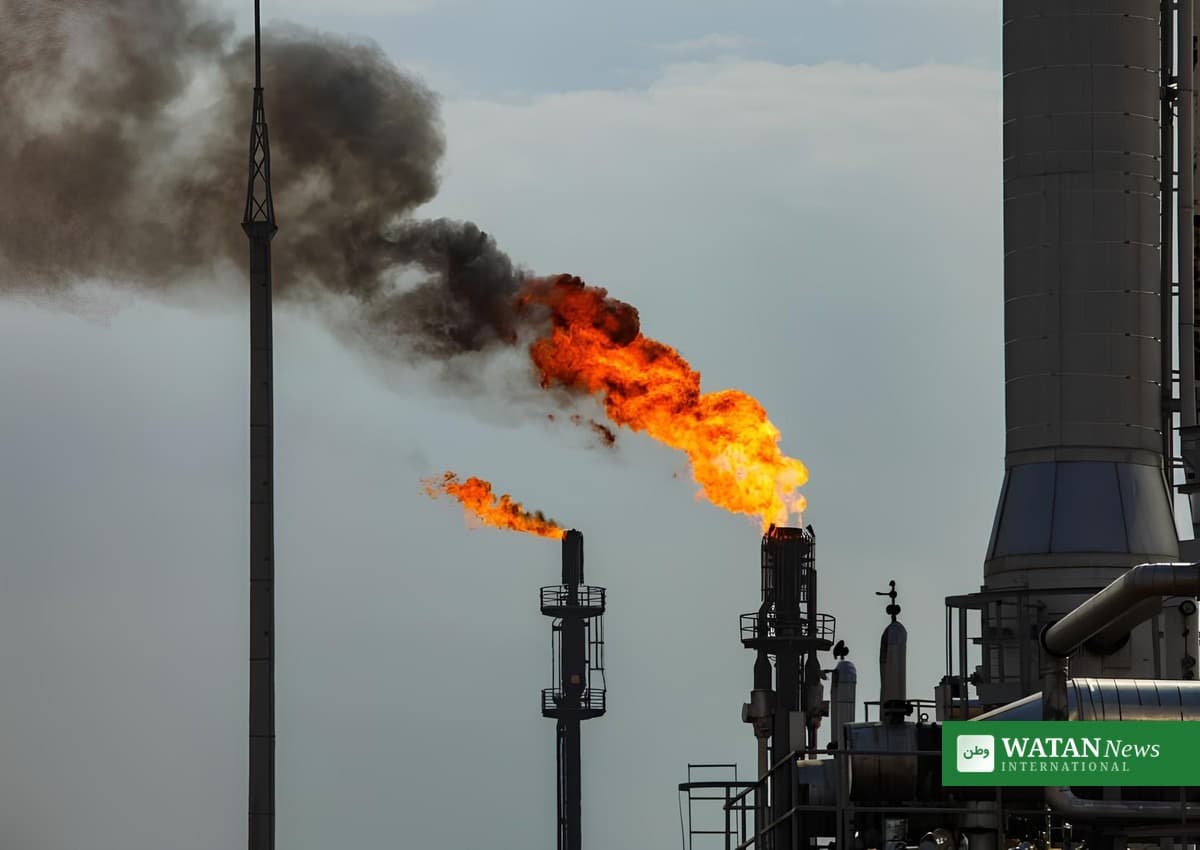
Energy security remains the sharpest concern. Serbia depends on Russia for around 80 percent of its natural gas, delivered at discounted prices through the TurkStream pipeline via Bulgaria, and the current agreement with Gazprom expires on December 31. Negotiations over an extension are continuing, but no deal has been confirmed on volumes or duration. Moscow is also reported to want clarity about the next government's policies before finalising an arrangement.
What the movement promises
Leading figures in the movement have said it will not impose sanctions on Russia and wants energy ties to continue on favourable terms, while making the fight against corruption and organised crime, institutional reform and closer alignment with the European Union its priorities. More international news is available on the Watan News English homepage.