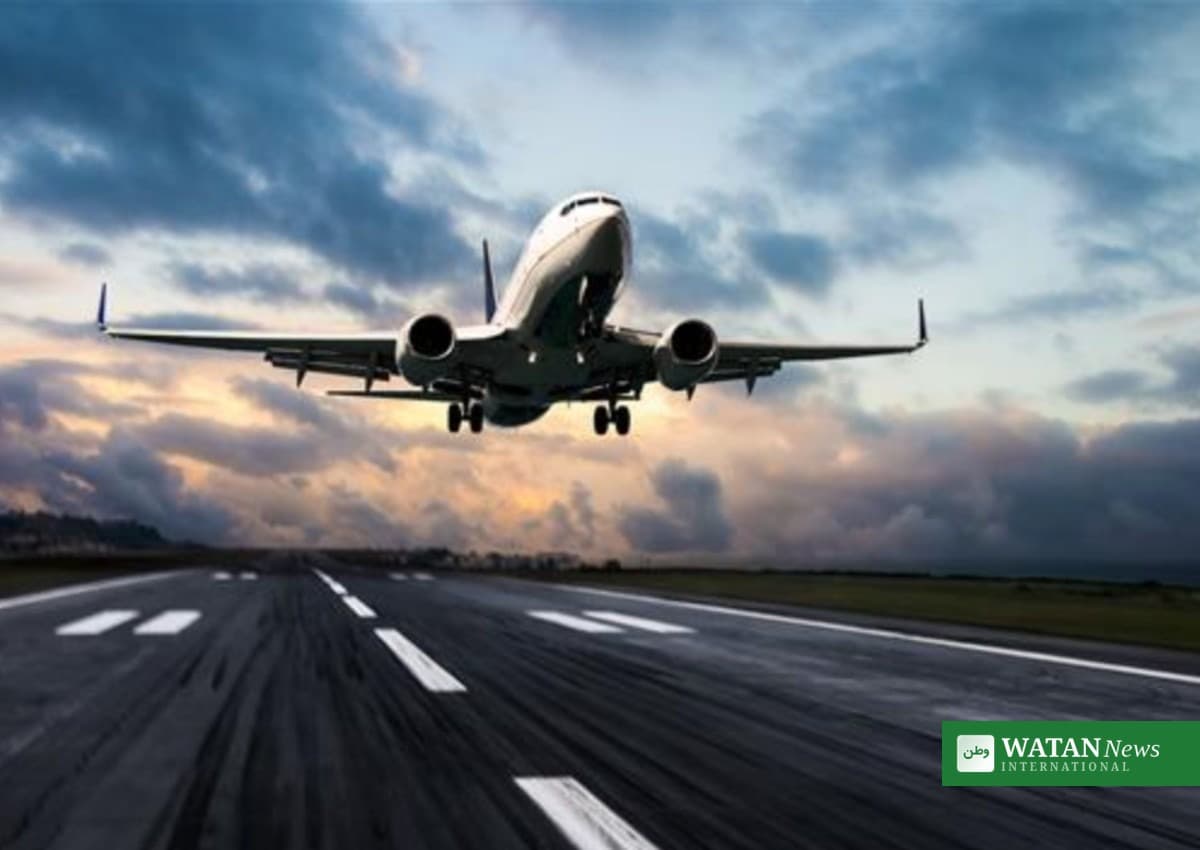
London Heathrow is offering airlines £81.24 million to fly on greener fuel in 2027 — and carriers have until 5pm UK time today, Friday 27 November 2026, to sign up. The airport’s sustainable aviation fuel incentive pays airlines £700 for every tonne of greener fuel they deliver to Heathrow, cutting the price gap with fossil kerosene roughly in half.
Heathrow published the guidance for its 2027 scheme on 30 October 2026. It is the sixth year of an incentive programme that began in 2022, and it comes as airlines across the world warn that sustainable aviation fuel, known as SAF, remains too expensive and too scarce to decarbonise flying on its own.
What airlines must do today
By 5pm UK time today, any airline wishing to take part in the 2027 incentive must email Heathrow at saf@heathrow.com, stating how many tonnes of SAF it proposes to deliver to the airport in 2027 and naming a contact person for the scheme.
Heathrow will review the submissions and communicate each airline’s final allocation by 5pm on 4 December 2026. All allocated SAF must be physically delivered to the airport by 31 December 2027, with delivery evidence submitted by 31 January 2028. Credits are then applied to the airline’s Heathrow charges account, either quarterly or as a single annual credit.
FAKTA
- Incentive pot: £81.24 million for 2027, including £7.0 million carried forward from 2025
- Payment: £700 per tonne of SAF — half the assumed £1,400-per-tonne price premium over fossil kerosene
- Target mix: 2.00 percent of Heathrow’s fuel — about 116,070 tonnes of SAF
- Deadline: airlines must notify Heathrow by 5pm UK time, 27 November 2026
- Allocations: final figures communicated by 5pm, 4 December 2026
How the £81 million is worked out
Heathrow expects about 474,000 aircraft movements in 2027 and fuel demand of about 5.8 million tonnes. A 2 percent SAF mix therefore means about 116,000 tonnes of greener fuel, and at £700 a tonne the incentive pot comes to about £81 million.
The money is collected through aircraft landing and take-off fees and redistributed to the airlines that deliver SAF — so the scheme rewards carriers that switch, funded through the airport’s charges. There are two pots: one for passenger flights, allocated by revenue passenger kilometres, and a separate one for cargo flights, allocated by freight tonne kilometres. A mid-year review from 1 June 2027 lets airlines voluntarily return up to half of any allocation they do not expect to use, with no penalty, so unused support can be reallocated.
What counts as green fuel
To qualify, SAF must cut lifecycle carbon dioxide equivalent emissions by at least 40 percent compared with fossil kerosene. It must be made from sustainable waste or residues — such as used cooking oil, forestry residues or unrecyclable plastics — or from renewable or nuclear power. Fuel made from food, feed or energy crops is not eligible. Heathrow says it prefers recycled carbon fuels and power-to-liquid fuels made with renewable electricity.
The incentive covers only voluntary SAF use above the level required by the UK SAF Mandate, which came into force in January 2025. Airlines must prove their fuel has not already been claimed under any mandated scheme.
The scheme has grown steadily. In 2026 it targeted 5.6 percent SAF use — about 350,000 tonnes, up from 187,000 tonnes in 2025 — with an estimated lifecycle saving of about 600,000 tonnes of carbon dioxide, based on a roughly 70 percent emissions cut from the fuel. Heathrow aims for 11 percent SAF by 2030. Airlines taking part include IAG, Virgin Atlantic, United, Air France, KLM and JetBlue, and the 2025 scheme was oversubscribed.
Supply is growing — but slowly
The incentive only works if fuel exists to buy. On 25 November 2026, Jilin Connell New Energy said construction had begun on a 300,000-tonne-a-year methanol-to-jet SAF plant in Jilin City, China, with completion and commissioning scheduled for December 2027. The company says it will be the world’s largest single-train methanol-to-jet facility.
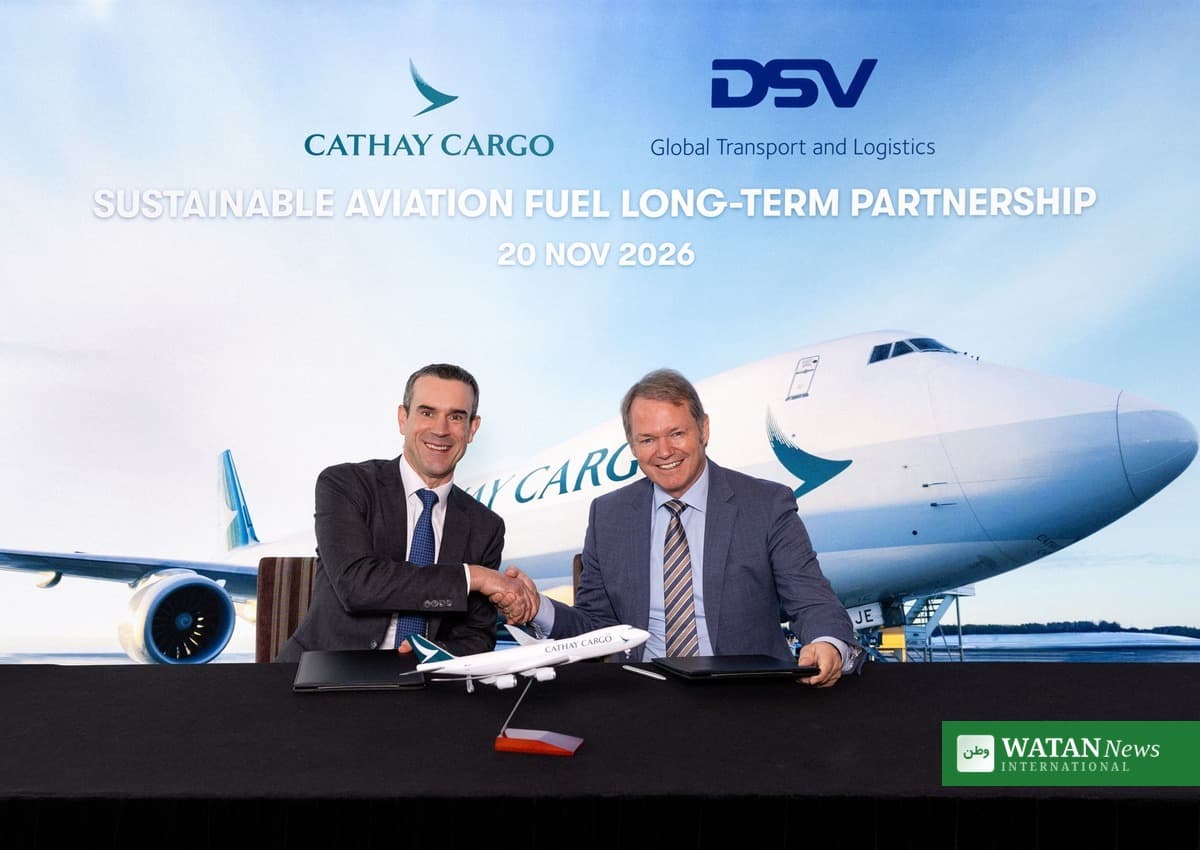
Other parts of the industry are moving too. DSV and Cathay Cargo have signed a three-year deal for 13,155 tonnes of Asian sustainable aviation fuel, and China’s first battery-electric airliner has flown with a crew on board. Yet Asia-Pacific airlines warned at COP31 that green jet fuel is still too costly and too scarce — which is exactly the gap Heathrow’s £700-a-tonne payment is designed to close.
What happens next
Final allocations land on 4 December 2026, deliveries run through 2027, and the first quarterly credits follow from June 2027. The mid-year review in June will show whether airlines can use all the fuel they promised — and whether the pot needs to grow again for 2028.