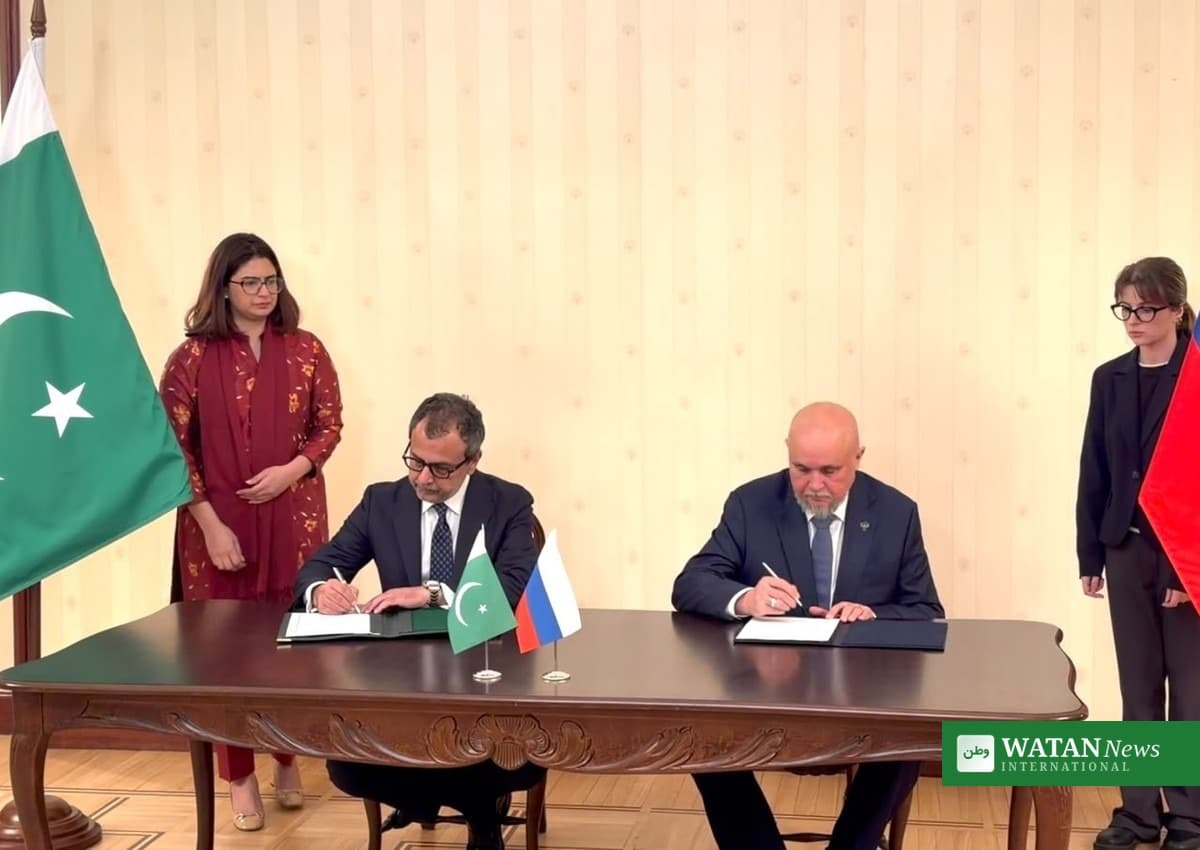
Pakistan and Russia have agreed to raise their annual bilateral trade to $5 billion by 2030, setting one of the most ambitious economic goals in the history of their relationship. The target was agreed at the 11th session of the Pakistan-Russia Intergovernmental Commission in Moscow on 25 November 2026, where the two sides signed the session protocol and a five-year Programme of Economic Cooperation for 2026–2030.
The meeting was co-chaired by Pakistan’s Federal Minister for Energy, Sardar Awais Ahmad Khan Leghari, and Russia’s Minister of Energy, Sergey Tsivilev. The agreement comes just before Prime Minister Shehbaz Sharif’s first official visit to Russia, which begins on 30 November.
FAKTA
- Trade target: $5 billion in annual bilateral trade by 2030.
- Meeting: 11th Pakistan-Russia Intergovernmental Commission, Moscow, 25 November 2026.
- Documents signed: the commission protocol and the Programme of Economic Cooperation 2026–2030.
- Co-chairs: Sardar Awais Ahmad Khan Leghari for Pakistan and Sergey Tsivilev for Russia.
- Trade in 2026: more than $300 million in the first nine months, up 11 per cent on the same period last year.
- Next session: the 12th Intergovernmental Commission will be held in Pakistan in 2027.
What the two sides agreed
The two delegations signed a protocol concluding the 11th session of the intergovernmental commission, together with the Programme of Economic Cooperation for 2026–2030. The programme sets the framework for expanding trade and investment over the next five years, with improved market access, investment facilitation and stronger business-to-business links at its core.
Leghari described the signing of the programme as a major milestone of the session, saying it gives the two countries a structured framework for economic engagement. Both sides pledged to implement the agreed initiatives and to review progress when the commission meets again.
Why the Pakistan Russia trade target is ambitious
The $5 billion goal is a large step up from current levels. Bilateral trade between the two countries has been running at around $300–400 million a year, and it rose by 11 per cent year on year to more than $300 million in the first nine months of 2026, after two consecutive years of decline. Reaching the target would therefore mean increasing trade roughly tenfold within five years.
| Measure | Figure |
|---|---|
| Bilateral trade, January–September 2026 | More than $300 million |
| Change on the same period in 2025 | Up 11 per cent |
| Annual trade target for 2030 | $5 billion |
| Cooperation programme | 2026–2030 |
The scale of the ambition reflects a broader effort by both governments to rebuild economic ties. Officials on both sides pointed to significant opportunities in sectors where the two economies complement each other, and to the need for practical steps such as better banking channels and closer engagement between businesses.
Sectors in focus
The cooperation programme covers energy, trade, agriculture, industry, transport, railways, education, technology and pharmaceuticals. Energy sits at the centre of the relationship, with the two energy ministers leading the delegations, but the programme is deliberately broad, aiming to open new areas of cooperation rather than relying on a single sector.
Energy at the centre
Energy cooperation was the headline area of the Moscow session. The two sides discussed expanding cooperation in energy and related industries, building on the work of the commission, which brings together officials from across government to agree joint projects.
Trade, agriculture and industry
Beyond energy, the programme identifies agriculture, industry and transport as areas for growth, alongside investment facilitation and stronger links between companies in the two countries. Rice and other agricultural exports have been identified in reporting on the talks as one area where Pakistan could benefit from improved market access.

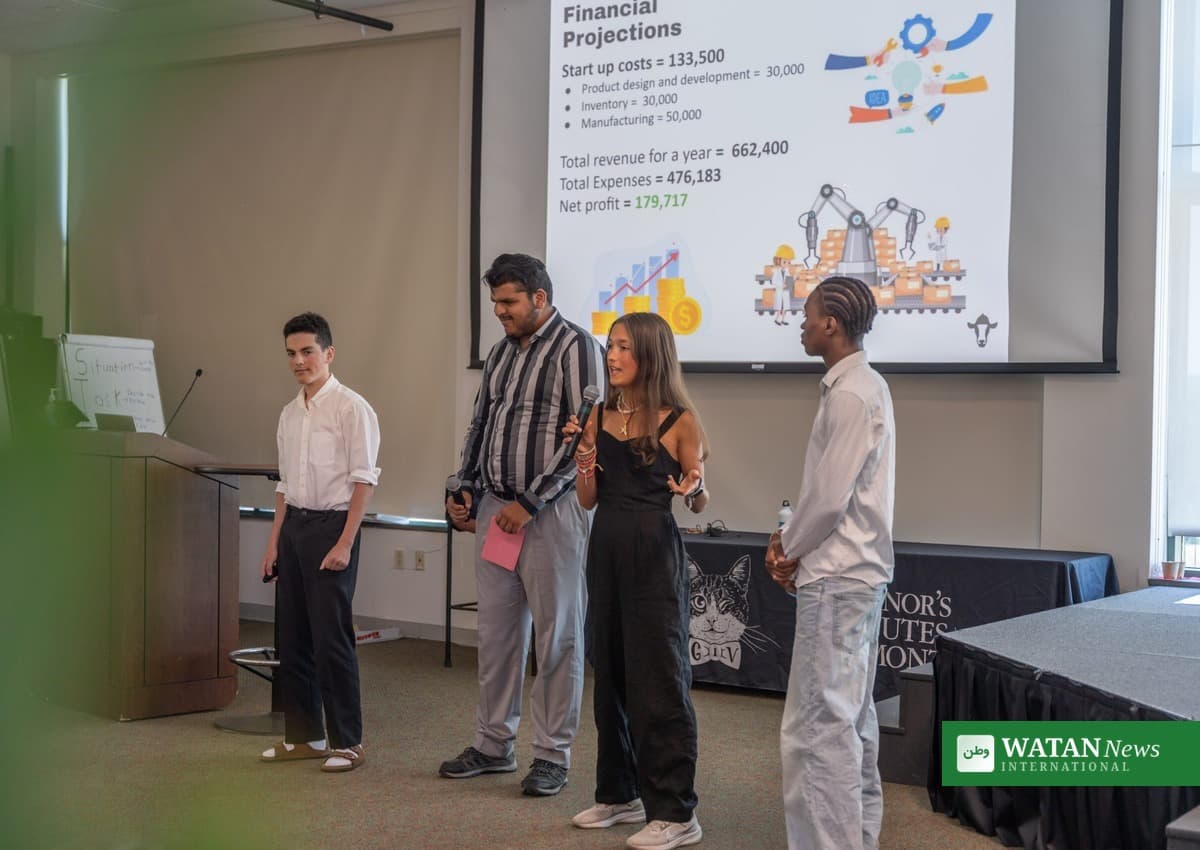
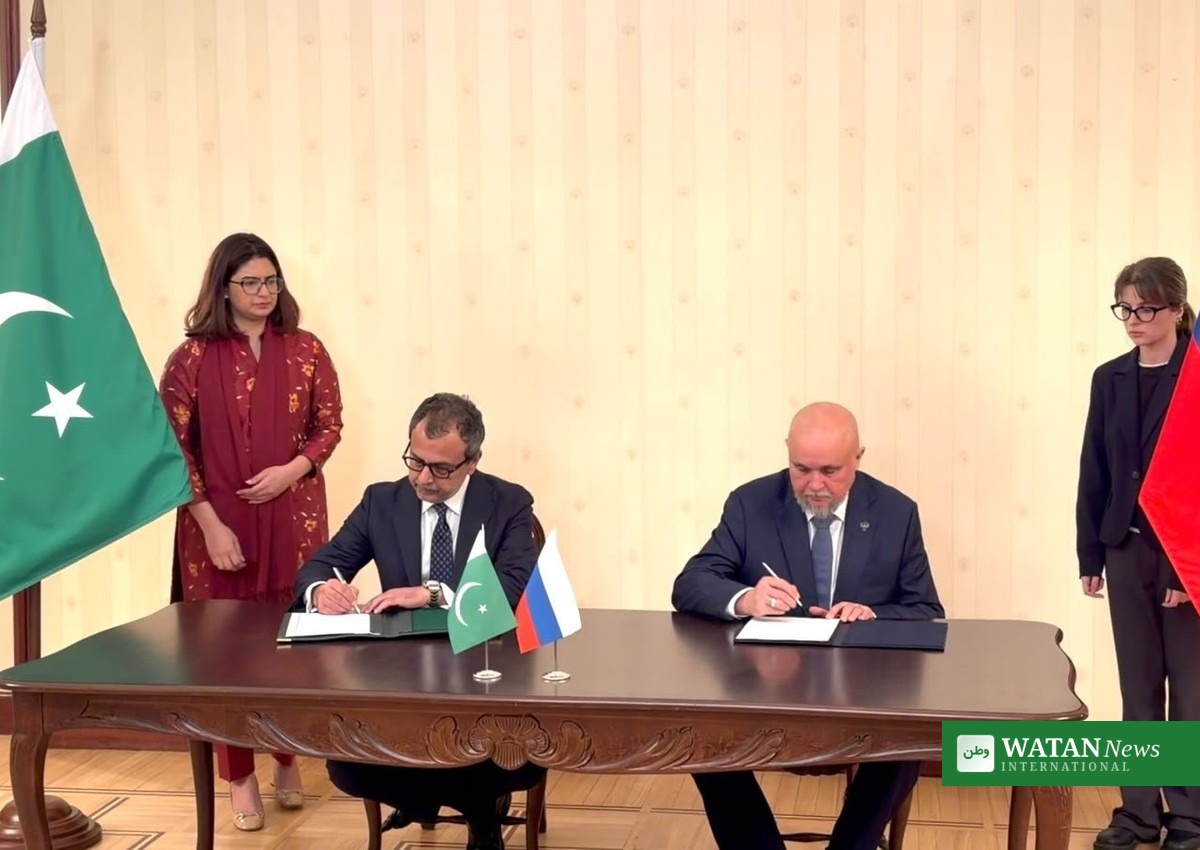
The 11th Pakistan-Russia Intergovernmental Commission met in Moscow, where the two sides signed the five-year economic cooperation programme.
What happens next
The next test of the agreement will be implementation. The 12th session of the intergovernmental commission is scheduled to take place in Pakistan in 2027, when the two sides will review progress on the priority sectors. Prime Minister Shehbaz Sharif’s visit to Russia, beginning on 30 November, is expected to give the new economic agenda further political weight.
Conclusion
The Moscow agreement sets a clear and ambitious direction for Pakistan-Russia economic relations: $5 billion in annual trade by 2030 under a five-year cooperation programme. The target is demanding, given where trade stands today, but the signed programme, the planned follow-up session in Pakistan in 2027 and the prime minister’s forthcoming visit give both sides a timetable to work to.