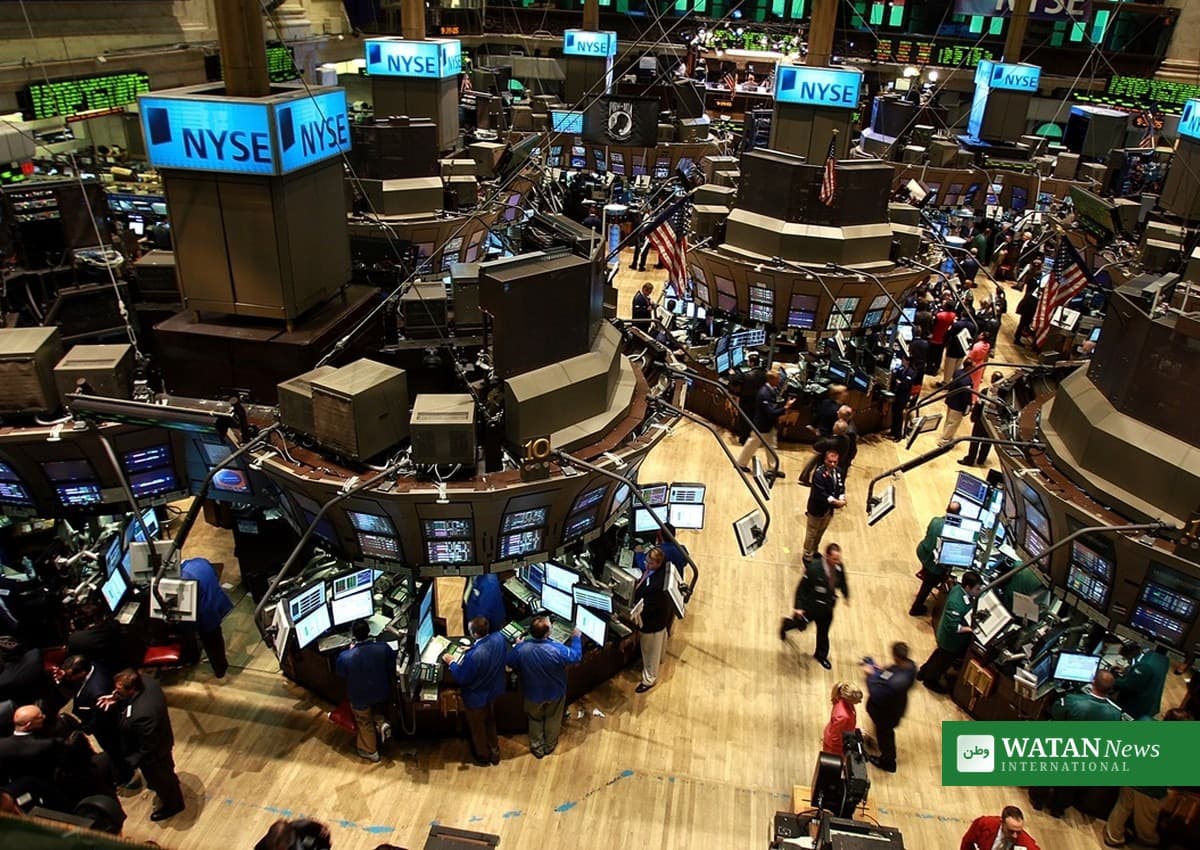
Shoppers packed stores across the United States for Black Friday on 27 November, while Wall Street rebounded from a turbulent week in which Washington proposed new tariffs on 14 trading partners and partners from China to the European Union pushed back. The day capped a volatile stretch for markets, squeezed between a fresh inflation scare and the busiest shopping day of the year.

FAKTA
- The United States proposed new Section 301 tariffs on 14 trading partners on Wednesday, 25 November 2026.
- China faces a proposed 20% tariff on top of existing duties; Vietnam could face up to 35% and Japan up to 15%.
- China, Japan, the European Union and Switzerland have protested the plans; Canada, Mexico and Norway were left off the list.
- On Black Friday, 27 November, the S&P 500 and Nasdaq rose, led by gains in companies including Anthropic and Amazon.
- US inflation came in hot: October PCE rose 3.8% from a year earlier and core PCE hit 3.3%, its highest in nearly three years.
Partners Push Back on Tariff Plans
The new tariffs, announced on Wednesday after an eight-month probe into excess industrial capacity, follow a Section 301 investigation by the Office of the United States Trade Representative. US Trade Representative Jamieson Greer said 14 economies had unreasonable practices regarding excess capacity.
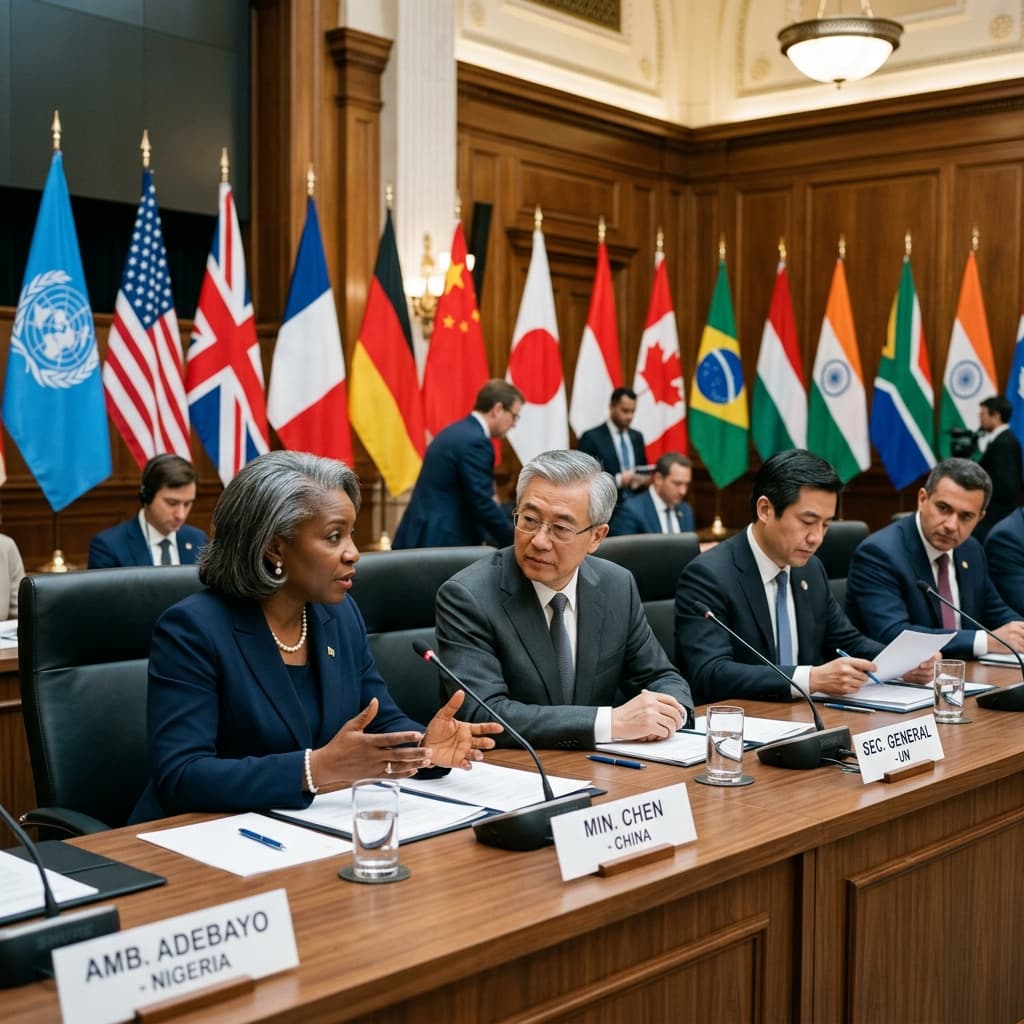
China, facing a 20% tariff, warned against trade wars and called the notion of excess capacity into question. Japan, facing tariffs of up to 15%, also protested, while the European Commission said it would study the findings and rejected the idea that Europe causes overcapacity, arguing that European industry is among the hardest hit by global excess supply. Switzerland likewise pushed back against the probe’s allegations.
The measures are not final. Written comments run until 5 January 2027, with hearings set for 25 January 2027, and the duties are unlikely to take effect before February or March, giving importers time to adjust supply chains.
Proposed Tariffs at a Glance
| Partner | Proposed rate |
|---|---|
| China | 20% on top of existing duties |
| Vietnam | Up to 35% |
| Japan | Up to 15% |
| Brazil | 10% on finished aircraft, plus extra sugar duties |
A Wild Week on Wall Street
Markets hated the timing of the announcement. In early trading on Wednesday, 25 November, the Nasdaq tumbled 3.9%, the S&P 500 dropped 2.8% and the Dow Jones Industrial Average slid 1.4%, compounded by sticky inflation readings. The Dow plunged 1,100 points in the morning before staging a comeback to close up 164 points above 50,000.
Global shares mostly rose on Thursday while Wall Street was closed for Thanksgiving, and US shares drifted higher in Friday’s holiday-shortened Black Friday session. The S&P 500 was still up on the week, hovering around 7,000, despite having fallen 8.14% from its 6 October peak by Wednesday’s close.
Black Friday Shoppers Keep Spending
Before sunrise at Macy’s and stores across the country, shoppers returned to a familiar Black Friday ritual despite weeks of online deals. Black Friday remains the busiest day for physical stores, even as e-commerce and early discounts have spread spending across the month.
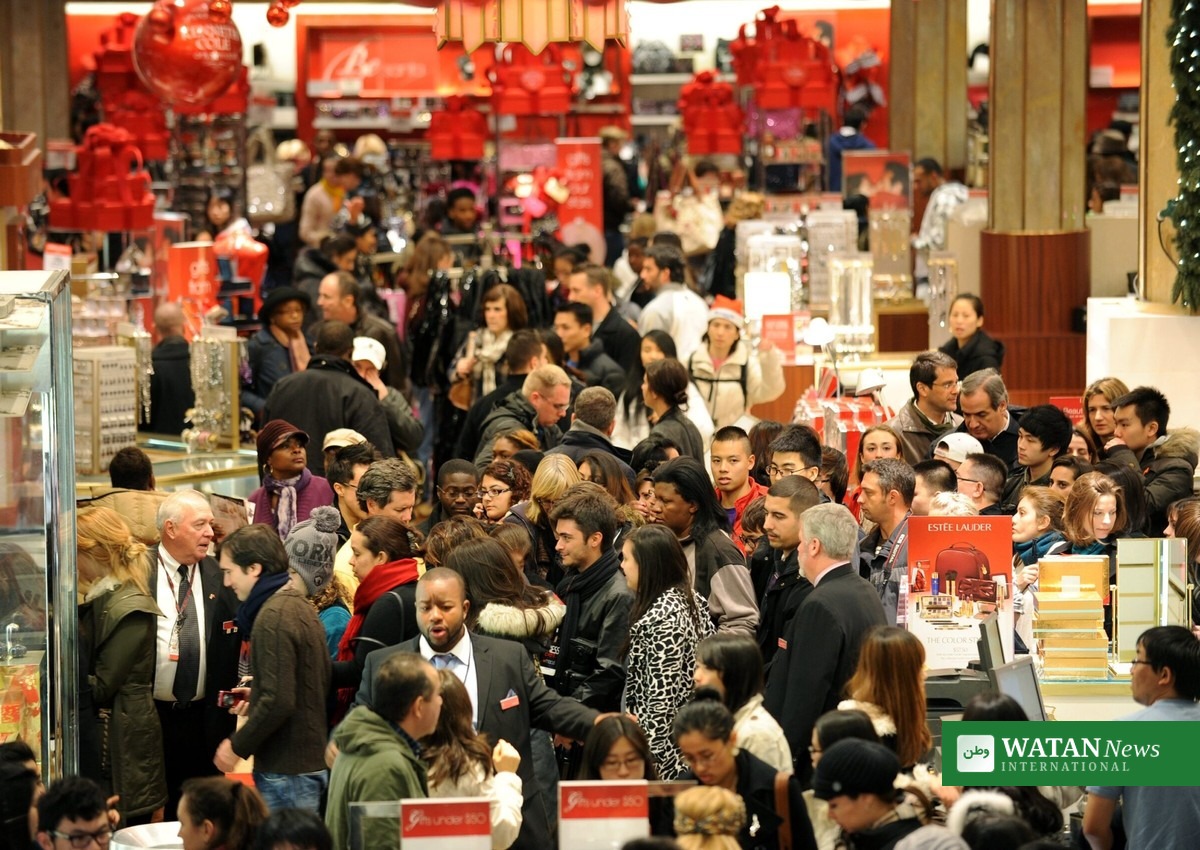
This year brought a few twists. Brands and stores promoted heavy discounts all month, and analysts say AI-powered shopping tools and cost concerns, fuelled in part by the US war with Iran, are influencing where, when and how much consumers spend. When Friday deals were available, basics such as T-shirts, toiletries and pet supplies went into shopping carts alongside gift items.
Inflation Adds to the Pressure
The tariff news landed alongside a fresh inflation scare. October PCE rose 3.8% from a year ago and core PCE hit 3.3%, its highest in nearly three years. Analysts say the tariffs will likely have a limited impact on the wider economy, though they may push prices higher, and the duties are not set to stack on top of the tariffs imposed in July.
Conclusion
Black Friday showed that American consumers are still spending, even as trade tensions and hot inflation cloud the outlook. With the tariff proposals now open for comment until January, the next test for markets will be whether Washington softens the plans under pressure from partners, or presses ahead into the spring.