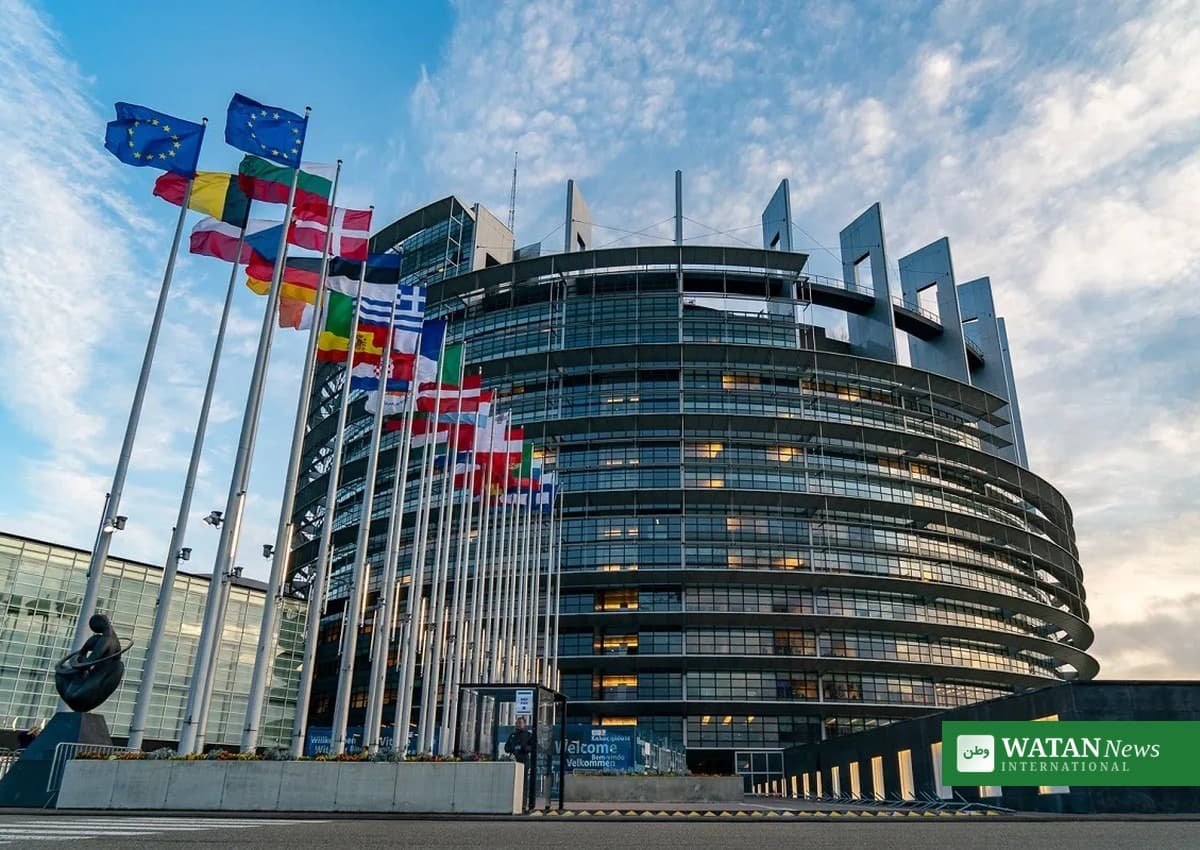
The European Parliament has confirmed its negotiating mandate for the European Union’s next fund for asylum, migration and integration, proposing €13.31 billion for the 2028–2034 budget period and guaranteed minimum shares for integration in each participating member state.
Plenary approved the decision to enter negotiations with EU governments by 445 votes to 208, with ten abstentions, during the Strasbourg sitting on 25 November 2026. The vote confirms the position adopted by Parliament’s civil liberties committee, known as LIBE, on 19 November, when the report passed by 42 votes to 14, with four abstentions.
The mandate is a negotiating position, not a final budget. Parliament has authorised talks with the Council of the European Union without yet adopting its first-reading legislative position, and the final amounts will depend on the outcome of negotiations on the EU’s 2028–2034 multiannual financial framework.
FAKTA
- What: The European Parliament confirmed its negotiating mandate for the 2028–2034 asylum, migration and integration fund.
- When: Plenary vote on 25 November 2026, following a committee vote on 19 November 2026.
- Amount sought: €13.31 billion in current prices, equal to about €11.9 billion in 2025 prices.
- Commission proposal: About €11.975 billion.
- Minimum shares: At least 15 per cent of each participating member state’s funding for the common European asylum system, and at least another 15 per cent for legal migration, integration and social inclusion.
- Rapporteur: Ana Catarina Mendes (S&D, Portugal).
- Next step: Negotiations with the Council of the European Union under the ordinary legislative procedure.
What Parliament approved
The report prepared by rapporteur Ana Catarina Mendes proposes increasing the migration and integration fund to approximately €13.31 billion, about €1.34 billion or 11.2 per cent more than the €11.975 billion proposed by the European Commission in July 2025. The figure covers support delivered through national and regional partnership plans.
Parliament also proposes that the EU normally cover 80 per cent of the eligible costs of funded measures. That rate would rise to 90 per cent for certain legal migration and integration actions, while integration actions financed through the EU Facility could receive a contribution of up to 100 per cent. At a press conference in Strasbourg on 25 November, Mendes indicated that support for local authorities and bodies could benefit from rates of between 80 and 100 per cent.
These provisions do not create an automatic entitlement to full EU funding for every municipality. The precise eligibility conditions will depend on the final legislative text and future implementation rules.
The 15 per cent guarantees for integration
The central feature of Parliament’s position is the pair of minimum shares. Each participating member state would be required to allocate at least 15 per cent of its funding under the instrument to the common European asylum system, including its external dimension, and at least another 15 per cent to legal migration, integration and social inclusion, taking account of each country’s economic, social and labour market needs.
Speaking before the plenary vote, Mendes explained that integration involves more than the initial reception of people arriving in a member state. She highlighted access to education, employment, housing and public services, alongside the role of regional and local authorities in putting integration policies into practice. Parliament regards investment in integration as a contribution to social cohesion and economic development in the communities that receive migrants, and it is calling for expanded access to direct Commission funding for local and regional authorities.
| Point | European Parliament | European Commission | Council of the EU |
|---|---|---|---|
| Total funding sought | €13.31 billion | About €11.975 billion | No figure agreed in its partial mandate |
| Minimum share for the asylum system | At least 15 per cent | No minimum share | No minimum share proposed |
| Minimum share for legal migration and integration | At least 15 per cent | No minimum share | No minimum share proposed |
| Approach to national spending | Guaranteed minimum allocations | Commission proposal without ring-fencing | Greater discretion for member states |
What the migration and integration fund would pay for
The future instrument would finance the implementation of the Pact on Migration and Asylum, the operation of national international protection systems, legal migration, the integration of third-country nationals, solidarity between member states, and measures relating to return and readmission.
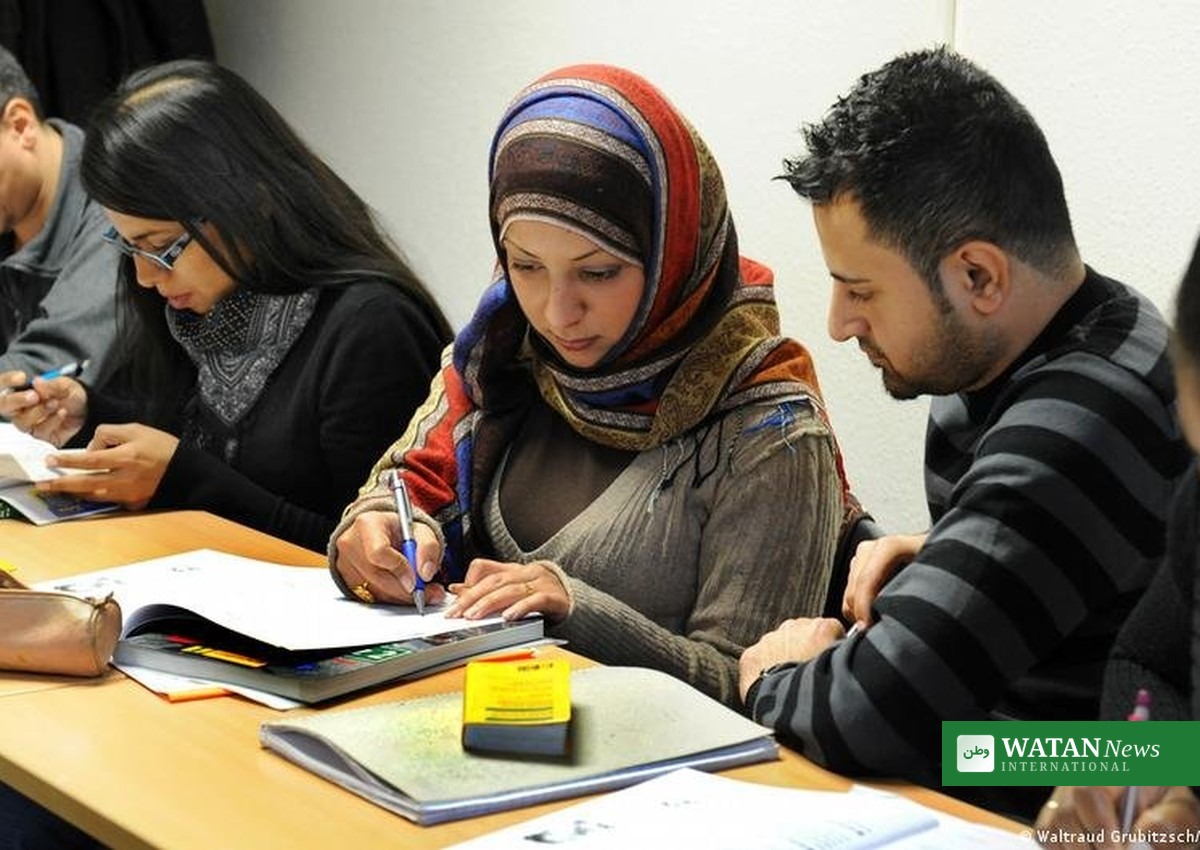
For integration, the funding could support services such as education and vocational guidance programmes, language learning, employment support and access to housing and public services. Safeguarding a minimum integration budget could help member states and local authorities plan such services over several years, although the vote does not determine a definitive financial allocation for any individual country or municipality.
Where Parliament and governments differ
Parliament’s position differs from the partial mandate approved by the Council of the European Union on 15 July 2026. The Council proposes giving member states greater discretion in distributing resources, allowing them to concentrate funding on the objectives most relevant to their own needs rather than requiring contributions to every objective of the instrument. The Council mandate also provides for regional, local and urban authorities, civil society organisations and other relevant partners to take part in developing and carrying out funded measures.
The negotiations are taking place against the backdrop of the budget compromise presented by European Council President António Costa on 21 November. That document maintains a combined envelope of approximately €34.215 billion in current prices for migration, border management, visas and internal security measures financed through national and regional partnership plans. The amount covers three distinct policy areas and does not represent the individual budget for the asylum, migration and integration instrument.
At the same time, the compromise reduces funding for home affairs thematic facilities managed through the EU Facility from €25.285 billion in the Commission’s proposal to €11.378 billion, a reduction of about 55 per cent. It also envisages a baseline co-financing rate not exceeding 75 per cent for home affairs interventions, below the 80 per cent rate proposed by Parliament, with full financing for selected categories such as certain relocation, resettlement and humanitarian admission measures.
What happens next
Parliament and the Council will now negotiate the regulation under the ordinary legislative procedure, which requires agreement between the two institutions. MEPs are also seeking stronger parliamentary oversight of how national and regional plans are carried out, including the use of delegated acts and annual reporting on the use of funds.
Confirmation of the negotiating mandate on 25 November does not constitute adoption of the budget, the opening of calls for proposals or the entry into force of the new financing conditions. Until an agreement is reached, the current funding arrangements continue to apply. The wider budget debate continued at EU leader level, where Nordic countries rejected the compromise proposal as too large, as reported in Nordic Countries Reject EU Budget Plan as Frugal States Demand Deeper Cuts, while a separate five-country plan for a return hub in Rwanda is covered in Denmark Identifies 120 Rejected Asylum Seekers for Rwanda Return Hub.
Conclusion
With its vote on 25 November, the European Parliament has set out a clear position: more money for asylum, migration and integration than the Commission proposed, and guaranteed minimum shares so that integration is not left to compete with other priorities inside national programmes. Whether those guarantees survive negotiations with member states will now decide how much of the 2028–2034 fund reaches integration services on the ground.