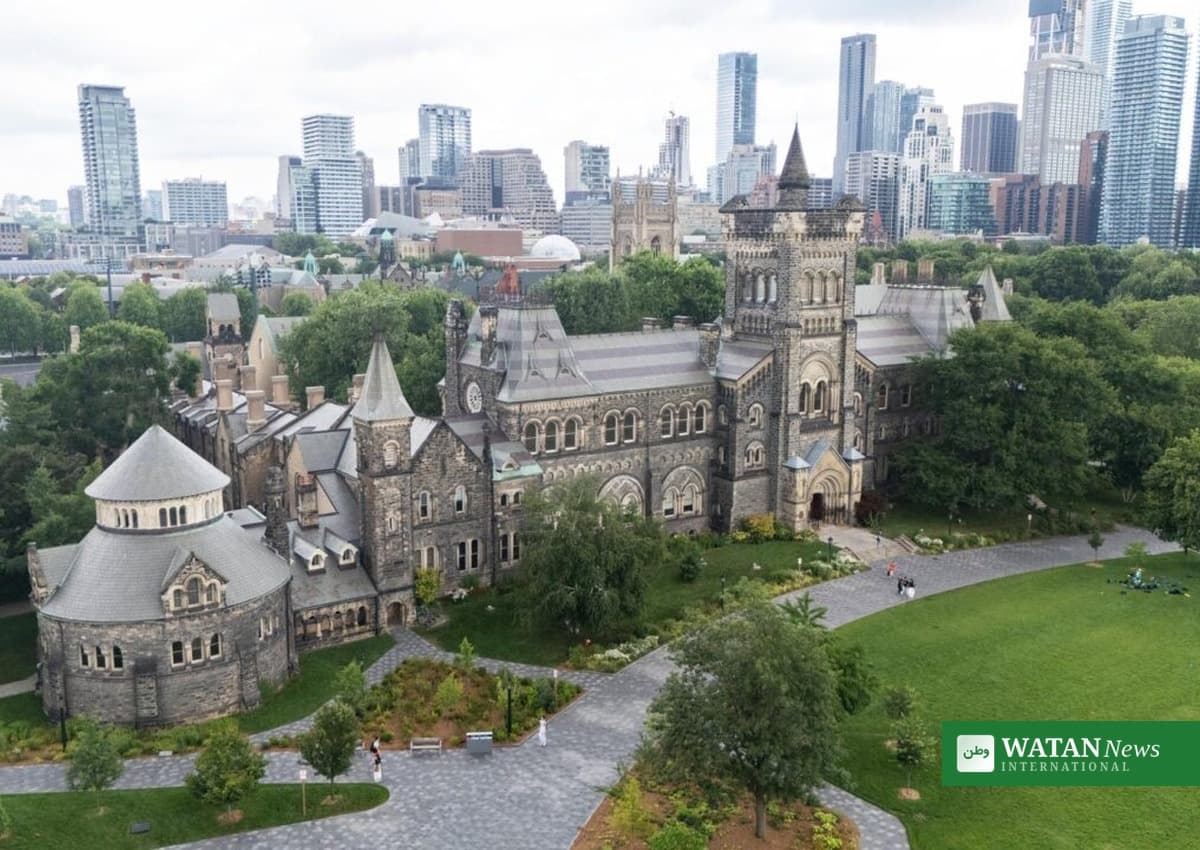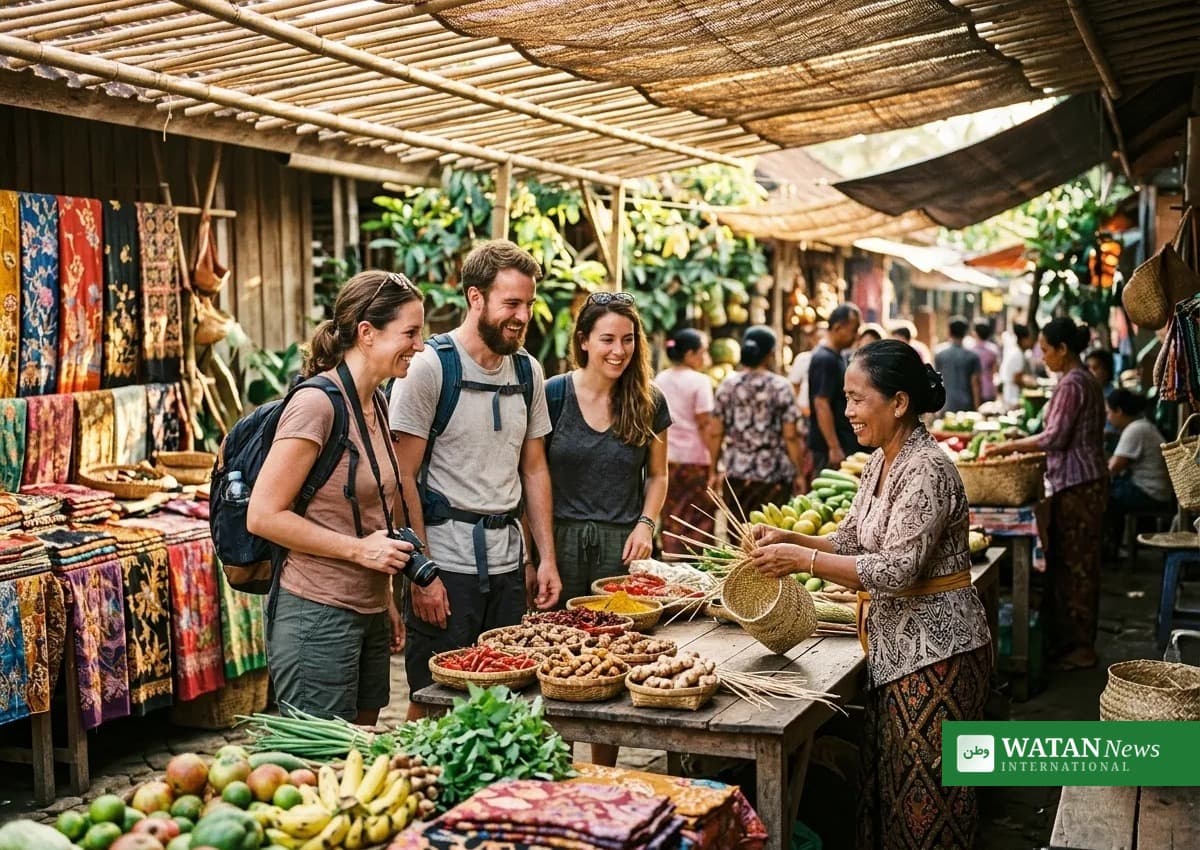

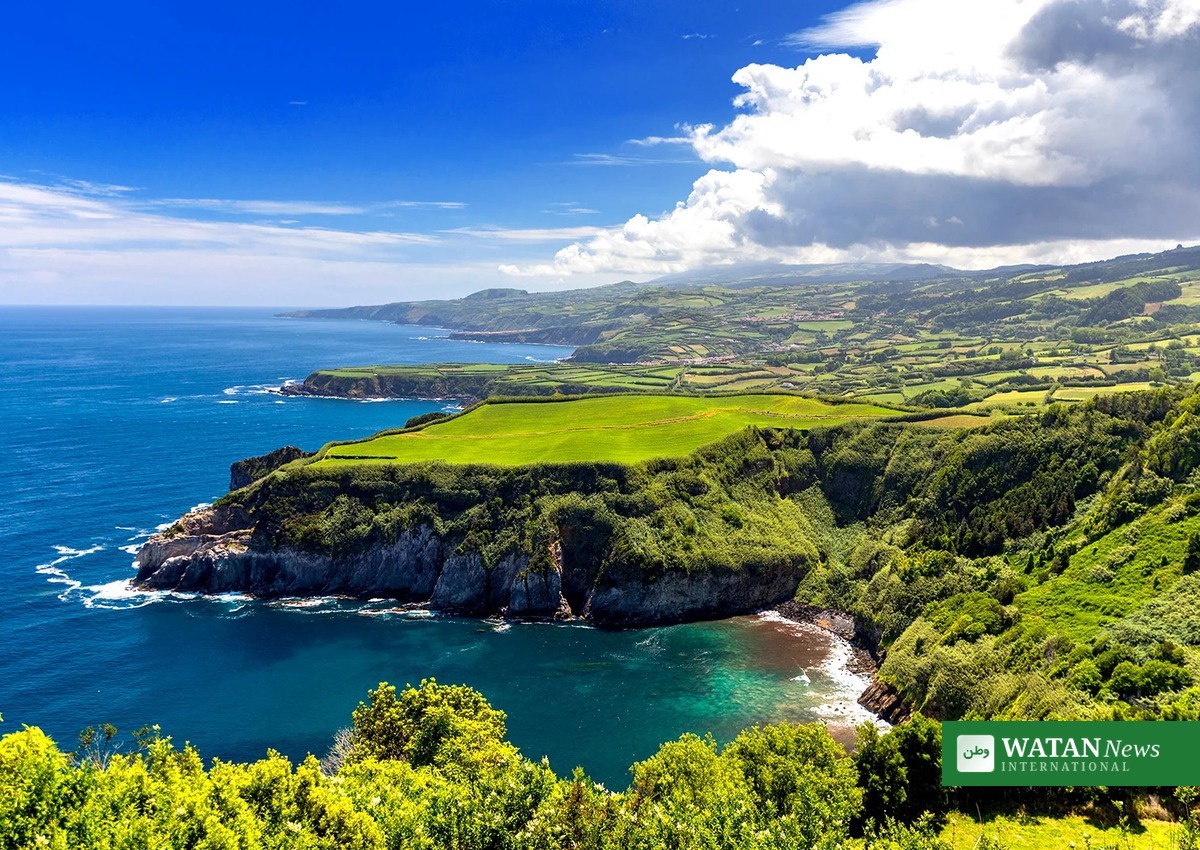
The hidden gems of 2027 are not the places on every postcard. As the world’s most visited cities struggle with crowds, the 2027 travel lists point somewhere quieter: painted monasteries in Romania, a walled Silk Road city in Uzbekistan, a misty mountain province in Saudi Arabia and a Greek island where pine forests meet turquoise water. Intrepid Travel’s Not Hot List for 2027 names ten overlooked destinations, Time Out has published 41 underrated places, and Lonely Planet has added twelve of its own.
FAKTA
- Intrepid Travel’s Not Hot List 2027 names ten overlooked destinations, chosen for being less visited, ready for tourism and offering something new for 2027.
- Time Out’s list of the 41 most underrated destinations for 2027, published on 13 October 2026, is led by Bucovina in Romania, South Dakota in the United States and the Asturian cities of Spain.
- Lonely Planet’s twelve most underrated destinations for 2027 include Bhutan, Tbilisi in Georgia, St Augustine in Florida and India’s Northeast.
- The common thread is slow, local travel in places that want visitors and where tourism supports local communities.
Hidden gems 2027: Europe’s quiet corners
Bucovina, Romania
Bucovina tops Time Out’s list. Across the Eastern Carpathians, this deeply traditional region offers the same wild mountain scenery and age-old traditions as the more famous Transylvania, without the crowds. Its treasure is eight UNESCO-listed painted monasteries, their colourful frescoes of Biblical scenes and folk tales.
Asturias, Spain
Spain’s Asturian cities rank third on Time Out’s list. While the region’s natural wonders have long been popular, its cities are a well-kept secret. Oviedo, Gijon and Aviles combine old quarters, cider houses and coastal walks, with the green Picos de Europa mountains behind them.
Liepaja, Dalsland and Georgia
Liepaja on Latvia’s Baltic coast offers white-sand beaches and a slower pace than Riga, while Dalsland in western Sweden is a land of lakes and forests, made for canoeing and cycling. Georgia appears on both the Intrepid and Lonely Planet lists: Mestia opens the way to medieval tower villages and trekking on the Transcaucasian Trail, and Tbilisi pairs an old town and sulphur baths with one of the world’s oldest wine cultures.
The United States: wide spaces without the crowds
South Dakota
South Dakota ranks second on Time Out’s list, offering national parks that draw far fewer visitors than Yosemite or Yellowstone. The Badlands hold striped rock formations where bison roam free, while Custer State Park is home to the country’s second-largest bison herd and the Needles Highway. Each September the Buffalo Roundup gathers some 1,600 bison.
Bisbee and St Augustine
Bisbee, a former copper-mining town in southern Arizona, now charms visitors with historic galleries and a bohemian spirit. St Augustine, on Florida’s Atlantic coast, is the oldest continuously inhabited European-founded city in the United States, with a Spanish fortress and cobbled lanes.
Asia: trails, tea country and new frontiers
The Pekoe Trail, Sri Lanka
Sri Lanka’s Pekoe Trail is one of the great new walking routes in Asia. New flight routes make it easier to reach the island’s green central highlands, where the trail winds through tea estates, cloud forests and rivers, past remote villages and World Heritage landscapes.
India’s Northeast, Bhutan and Dili
Lonely Planet’s list looks to the far east of India, where the northeastern states offer tea gardens, forested hills and the living root bridges of Meghalaya. Next door, Bhutan’s high-value, low-volume tourism policy keeps visitor numbers low. Dili, the capital of Timor-Leste, is opening up one of Southeast Asia’s least-visited destinations, with new flights and community-led experiences.
Islands: slow shores and wild coasts
Alonnisos, Greece
Alonnisos, in Greece’s Northern Sporades, is the quiet answer to the crowded Cyclades. Pine forests run down to turquoise bays, and the island sits at the heart of the National Marine Park of Alonnisos and the Northern Sporades, the largest protected marine area in Europe, home to the 5th-century BC Peristera shipwreck.
The Azores and Karpathos
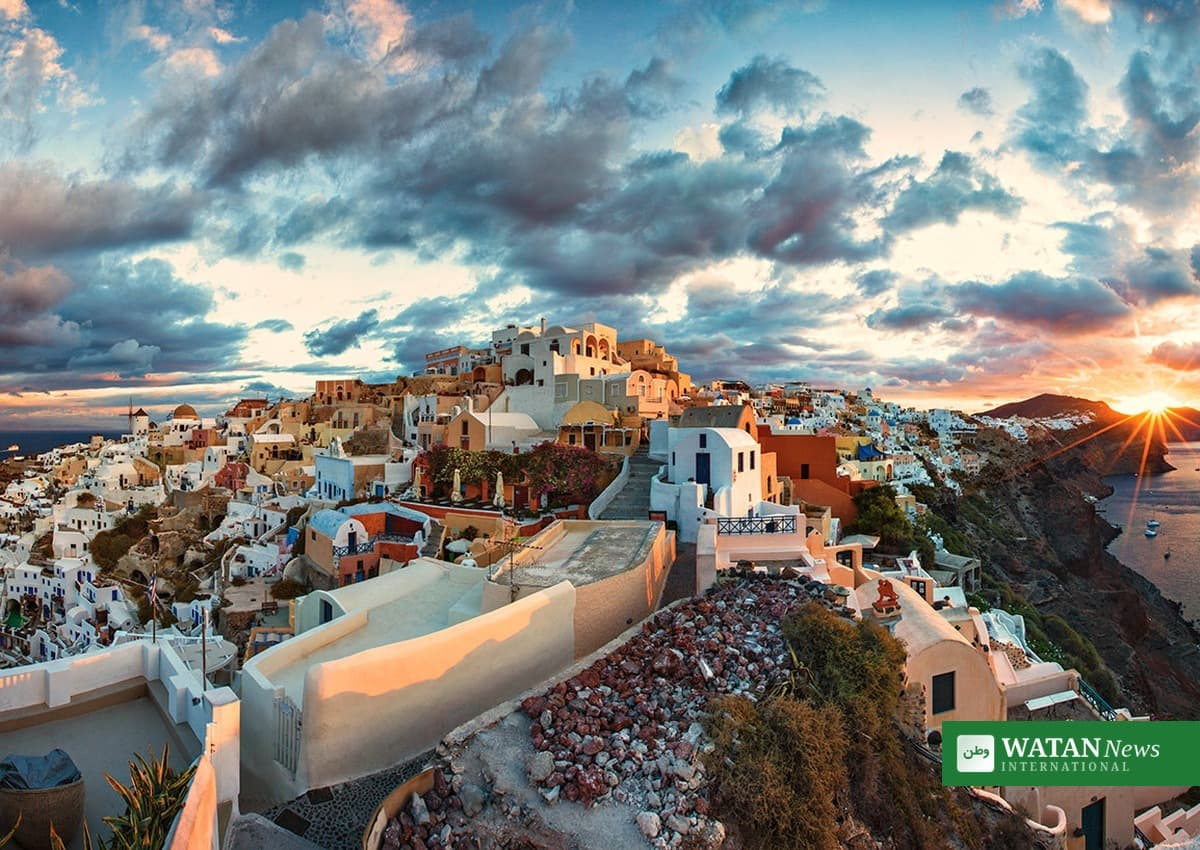
The Azores rank twelfth on Time Out’s list: nine volcanic islands in the mid-Atlantic, with crater lakes, whale watching and green pastures that run to the cliff edge. Karpathos, ranked 33rd, is a quieter Dodecanese island of mountain villages, sandy beaches and traditional festivals, far from the crowds of Rhodes and Santorini.
Azerbaijan: Sheki beyond Baku
Most visitors to Azerbaijan stop in Baku, but the country’s great hidden gem lies in the foothills of the Greater Caucasus. Sheki was a stop on the Silk Road, and its historic centre, with the Palace of the Shaki Khans, became a UNESCO World Heritage Site in 2019. The 18th-century palace is famous for its shebeke windows, stained glass set in wooden lattices made without a single nail or drop of glue. Sheki rewards a night or two rather than a rushed day.
Uzbekistan: Khiva, the walled city
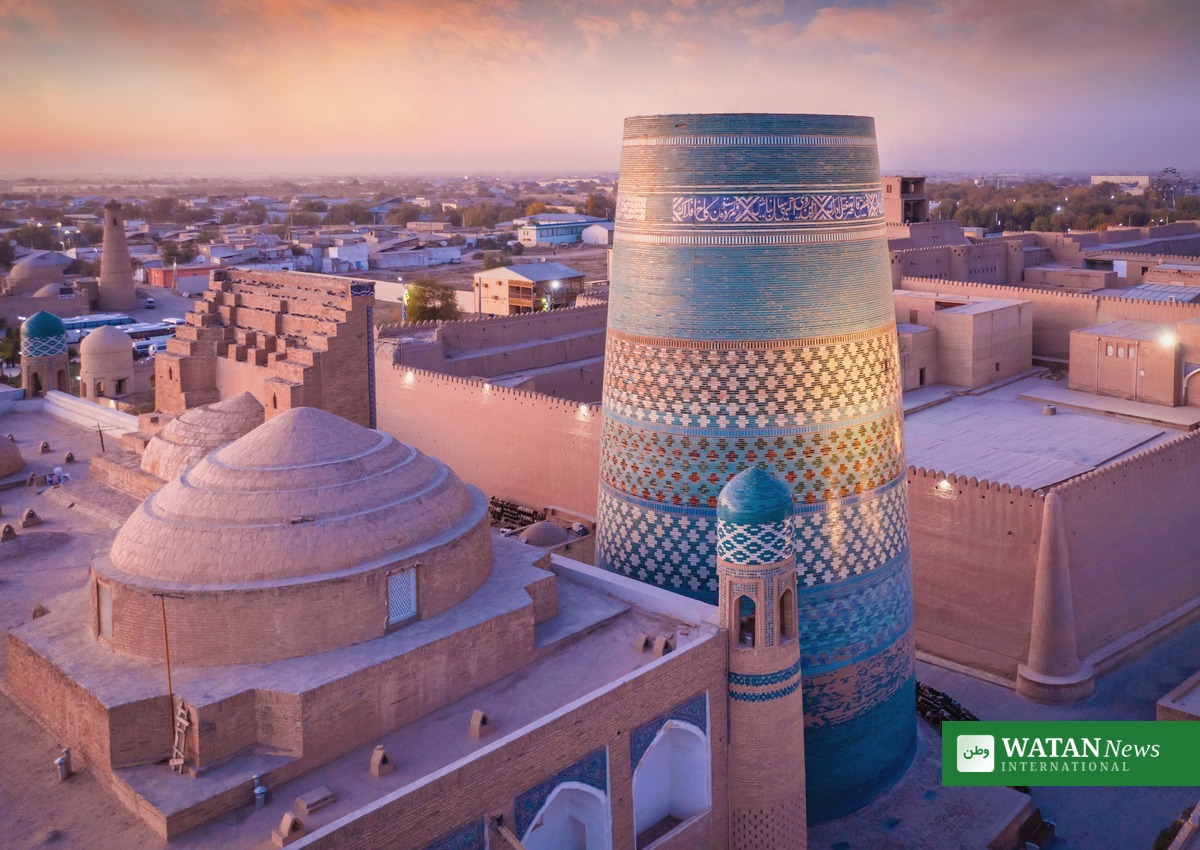
Samarkand takes the headlines in Uzbekistan, but Khiva steals the hearts of travellers who make the journey west. Its historic centre, Ichan Kala, is a UNESCO World Heritage Site and one of the most impressive surviving examples of a traditional Silk Road walled city. The unfinished Kalta Minor minaret, begun in the 1850s and covered in turquoise tiles, was meant to be among the tallest in the Islamic world. Two days allow time for the lanes and the desert fortresses of Khorezm.
Saudi Arabia and the Gulf: mountains, monsoons and green highlands
Abha and the Asir Mountains, Saudi Arabia
In southwestern Saudi Arabia, the Asir highlands offer a temperate refuge from the desert heat. Abha, the provincial capital at around 2,270 metres, enjoys summer temperatures typically between 18 and 28 degrees Celsius. A cable car climbs to Jabal Sawda, Saudi Arabia’s highest peak at around 3,000 metres, with cloud forests above the clouds.
Salalah and Dhofar, Oman
When the rest of the Gulf is at its hottest, Salalah in southern Oman turns green and misty. From late June to early September, the Dhofar region catches the Indian Ocean monsoon, called the Khareef, and temperatures drop to a balmy 20 to 25 degrees Celsius. The Jabal al-Qara mountains turn lush, with seasonal waterfalls and springs.
Jebel Akhdar, Oman
Further north, the Al Hajar Mountains hold Jebel Akhdar, the Green Mountain, rising over 2,000 metres above sea level. Its terraced orchards grow pomegranates, walnuts and Damask roses, and travellers come for cliffside walking trails and ancient stone villages such as Saiq and Al Ayn.
Planning your 2027 journey
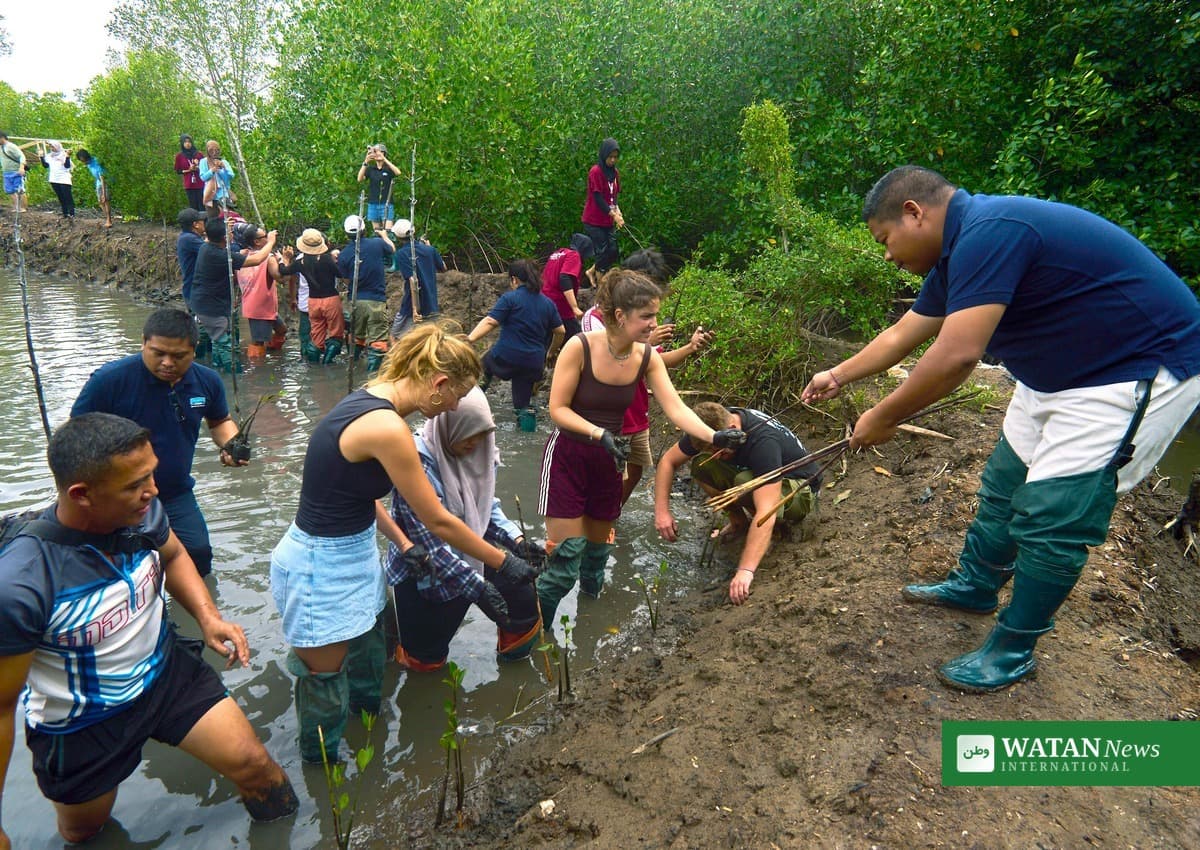
These places want visitors, and a visit makes a real difference. Travel slowly, stay in locally run guesthouses, and book ahead where permits are needed.
Conclusion
From Bucovina’s painted monasteries to South Dakota’s bison plains, from the tea trails of Sri Lanka to the tiled minarets of Khiva and the green monsoon mountains of Salalah, the underrated destinations of 2027 reward curiosity. They ask a little more effort, and give a great deal more back.